Key Takeaways
-
Full dentures replace all teeth in an arch using suction and adhesive, while partial dentures attach to remaining healthy teeth with metal clasps; choose based on how many teeth you've lost and remaining tooth health.
-
Modern dentures last 5-10 years with proper care, requiring daily rinsing, brushing with non-abrasive cleaners, and overnight soaking; gums reshape over time, necessitating periodic adjustments or relining to maintain fit.
-
The fitting process takes several weeks to months and includes initial consultation, tooth extraction if needed, impressions, wax model fittings, and follow-up visits to ensure proper adjustment as gums heal.
-
Dentures cost $700-$3,500+ depending on type, are removable and non-surgical, and most dental insurance plans cover at least partial costs; in-house membership plans offer affordable alternatives for uninsured patients.
-
Adjustment typically takes 4-8 weeks; start with soft foods, practice speaking aloud, use adhesive if needed, and expect mild soreness initially—most people adapt comfortably within one month.
-
Implant-supported dentures offer maximum stability and natural feel compared to traditional dentures, though they cost more ($6,000-$30,000+) and require surgery, but last 20+ years versus 5-10 years for conventional dentures.
Losing teeth can feel overwhelming. Whether it’s one tooth or several, it changes the way you eat, speak, and smile. The good news? Full and partial dentures are a time-tested, affordable solution that can give you back your confidence and quality of life. And in 2026, denture technology has come a long way — today’s options look more natural and fit more comfortably than ever before.
If you’re a Brandon, FL resident wondering whether dentures might be right for you, you’re not alone. Millions of adults face tooth loss every year, and dentures remain one of the most popular ways to restore a complete, functional smile. This guide will walk you through everything you need to know — from types and costs to the fitting process and long-term care — so you can feel confident about your next step.
What Are Full and Partial Dentures?
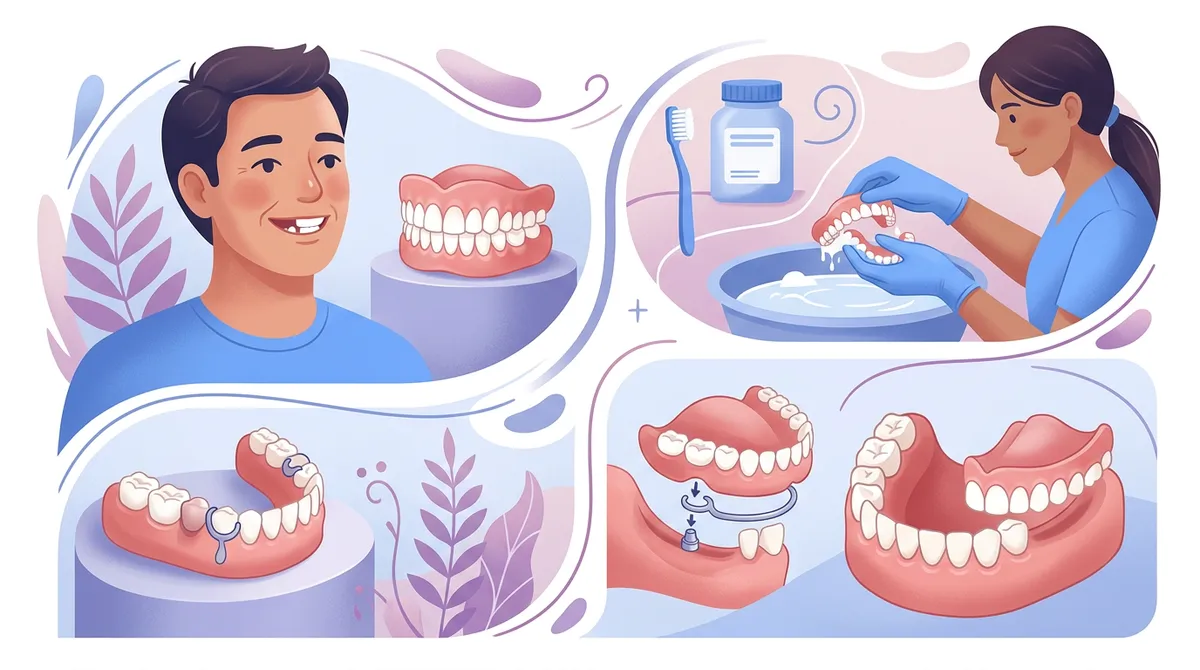
Dentures are removable appliances that replace missing teeth. They rest on the gums and are custom-made to fit your mouth. There are two main types: full (complete) dentures and partial dentures. The right choice depends on how many teeth you’ve lost and the overall health of your remaining teeth.
Think of dentures like a puzzle piece — they’re shaped to fill the exact gaps in your mouth. A good set of dentures not only improves your appearance but also helps you chew food properly and speak more clearly.
Full (Complete) Dentures
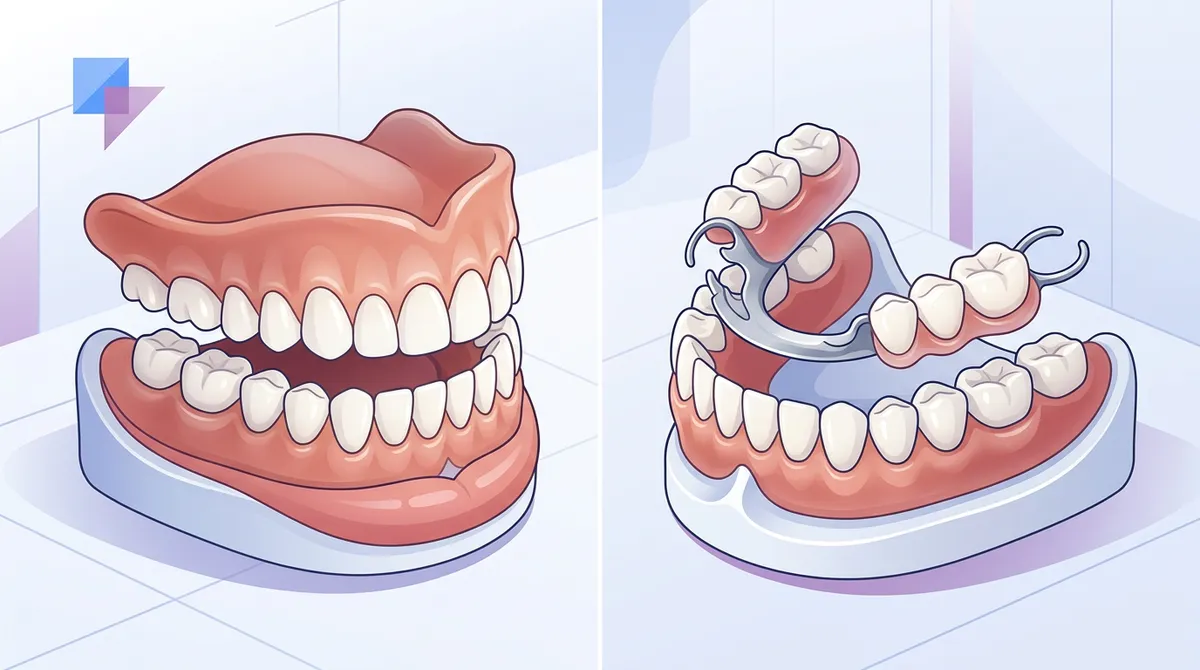
Full dentures replace an entire arch of teeth — either the top, the bottom, or both. They sit directly on your gum tissue and are held in place by suction and sometimes a dental adhesive. Full dentures are typically recommended when all natural teeth in a jaw have been removed or are too damaged to save.
Partial Dentures
Partial dentures are used when you still have some healthy natural teeth remaining. They attach to your existing teeth using metal clasps or precision attachments. Partial dentures fill the gaps left by missing teeth and prevent your remaining teeth from shifting out of place over time.
Full vs. Partial Dentures: A Quick Comparison
Not sure which type is right for you? Here’s a simple side-by-side breakdown to help you understand the differences at a glance.
| Feature | Full Dentures | Partial Dentures |
|---|---|---|
| Number of teeth replaced | All teeth in an arch | One or more missing teeth |
| Natural teeth remaining? | No | Yes |
| How it stays in place | Suction / adhesive | Metal clasps or precision attachments |
| Typical cost range | $1,000–$3,000+ per arch | $700–$2,500+ |
| Adjustment period | Longer (4–8 weeks) | Shorter (2–4 weeks) |
| Removable? | Yes | Yes |
Who Is a Good Candidate for Dentures?
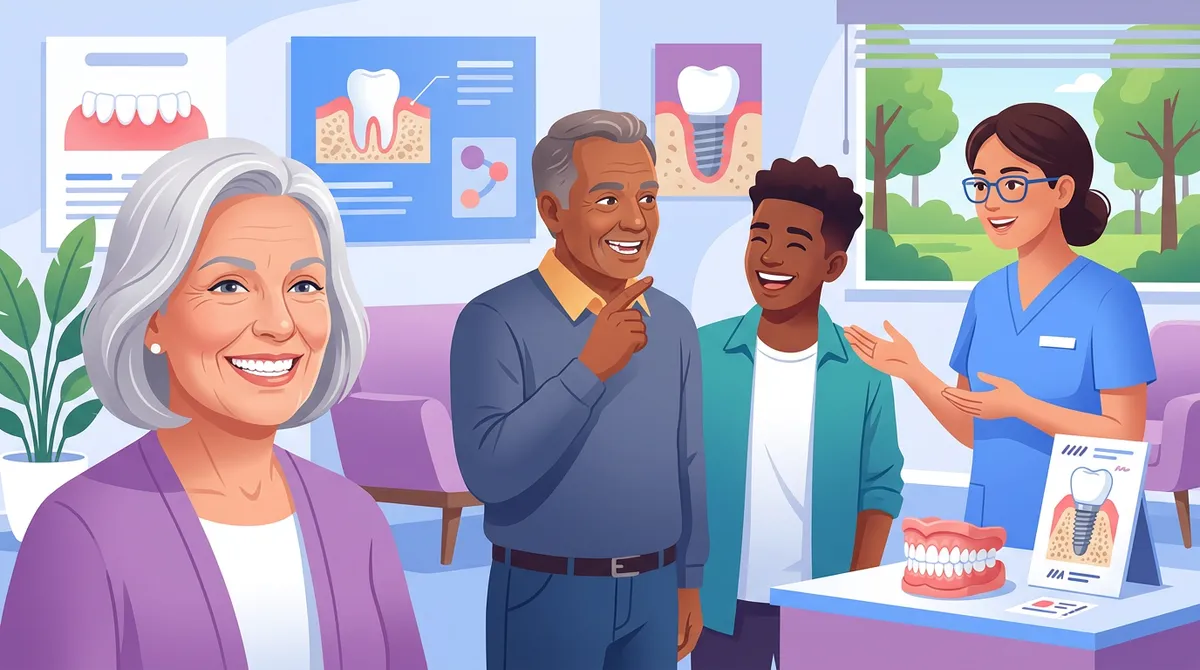
Dentures are a great option for many adults. Here are some signs that dentures might be the right choice for you:
- You’ve lost several teeth or all of your teeth in one arch
- Your remaining teeth are severely damaged or decayed
- You’re having trouble chewing or speaking properly
- You feel self-conscious about gaps in your smile
- Dental implants aren’t a viable option due to bone loss or health conditions
- You’re looking for an affordable, non-surgical tooth replacement solution
Your dentist will evaluate your gum health, bone structure, and overall oral health before recommending the best option. Sometimes, a combination of treatments — like dental implants paired with dentures — may be suggested for the best outcome.
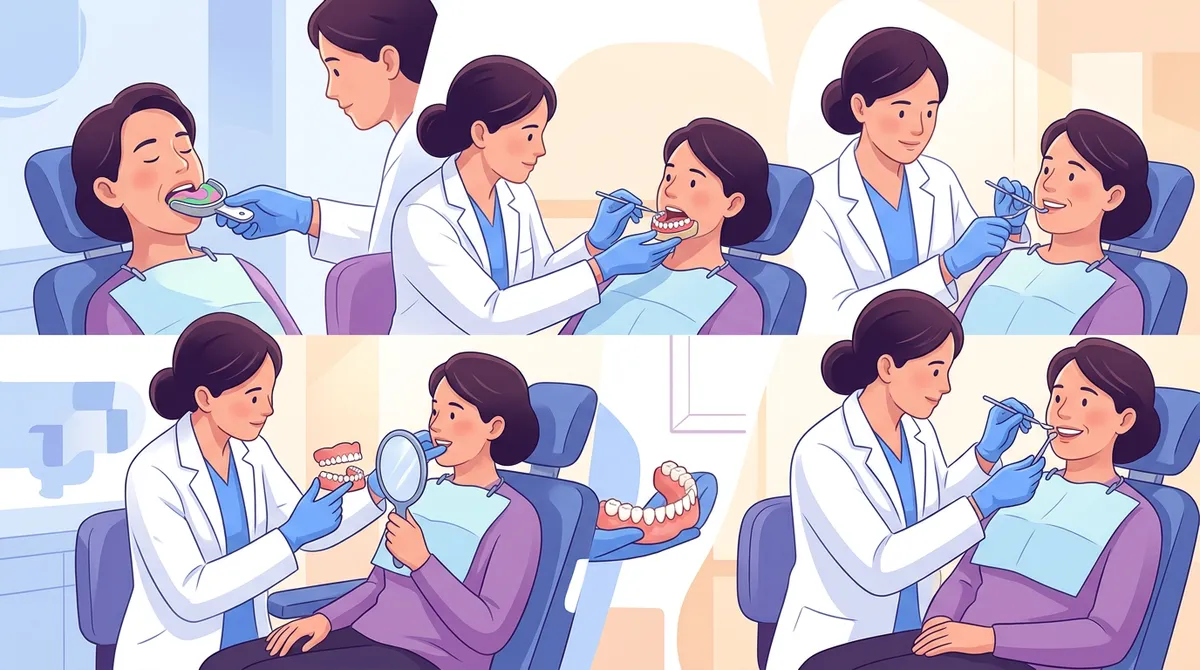
The Denture Fitting Process: Step by Step
Many people feel nervous about getting dentures. Knowing what to expect can make the whole process feel much less intimidating. Here’s a simple breakdown of what happens from start to finish:
- Initial consultation: Your dentist examines your mouth, takes X-rays, and discusses your goals and needs.
- Tooth extraction (if needed): Any remaining damaged teeth are removed, and your gums are given time to heal.
- Impressions and measurements: Detailed molds of your mouth are taken to custom-craft your dentures.
- Fitting appointments: You’ll try a wax model of your dentures to check the fit, shape, and color before the final version is made.
- Receiving your dentures: Your final dentures are placed, and your dentist makes any necessary adjustments.
- Follow-up visits: Regular check-ins ensure your dentures continue to fit well as your gums adjust and change shape over time.
The entire process can take anywhere from a few weeks to a few months, depending on whether extractions are needed and how quickly your gums heal. Patience pays off — a well-fitted set of dentures is absolutely worth the wait!
Types of Dentures Available in 2026
You might be surprised at how many denture options exist today. The right type depends on your timeline, budget, and personal preferences. Here’s a handy overview:
| Denture Type | Description | Best For |
|---|---|---|
| Conventional Full Dentures | Made after all teeth are removed and gums have healed | Patients who can wait for healing |
| Immediate Dentures | Placed the same day teeth are removed | Those who don’t want to go without teeth during healing |
| Implant-Supported Dentures | Anchored by dental implants for a secure fit | Patients wanting maximum stability |
| Flexible Partial Dentures | Made of thin, flexible resin — no metal clasps | Those who want a more discreet partial option |
| Economy Dentures | Standard fit, lower cost | Budget-conscious patients needing a quick solution |
For patients who want the most secure denture experience possible, implant-supported crowns and prostheses offer incredible stability and a natural feel that traditional dentures can’t always match.
Caring for Your Dentures: Daily Habits That Matter
Proper denture care is essential for keeping them looking great and lasting as long as possible. Good habits also protect your gum health. Here’s what you should do every day:
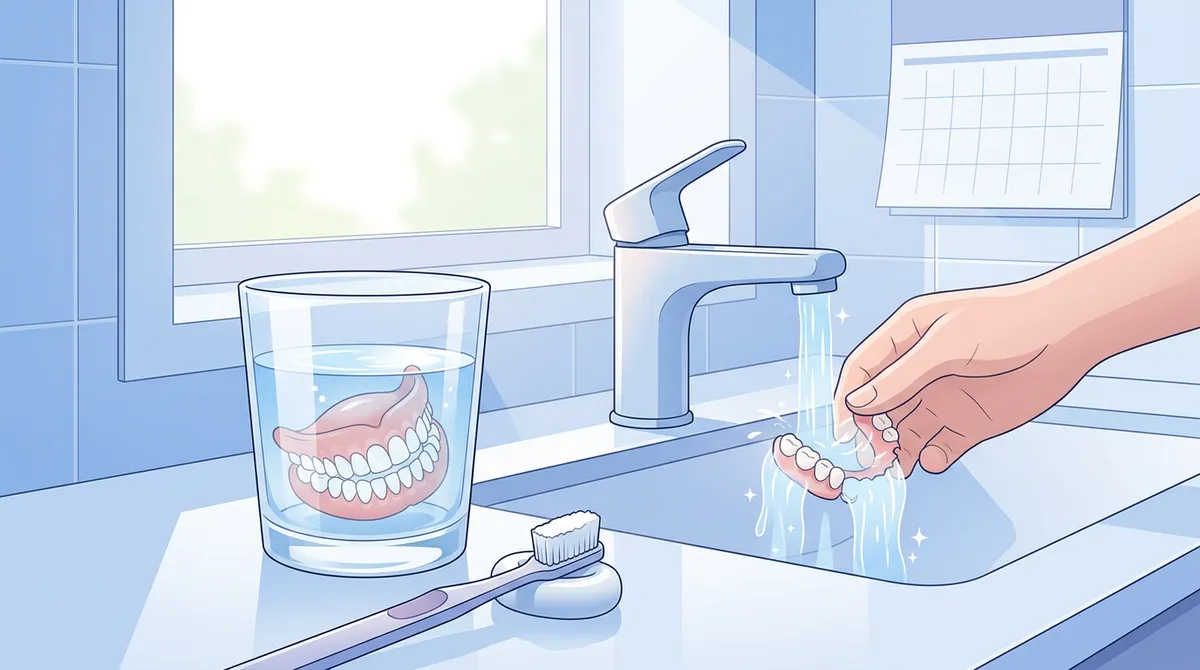
- Rinse after eating: Remove and rinse your dentures after meals to remove food particles.
- Brush daily: Use a soft denture brush and non-abrasive cleaner — not regular toothpaste, which can scratch the surface.
- Soak overnight: Most dentures need to stay moist. Soak them in water or a denture-cleansing solution while you sleep.
- Handle with care: Always place a towel under your dentures when cleaning them — dropping them can cause cracks.
- Keep your mouth clean: Brush your gums, tongue, and any remaining teeth twice a day.
- Visit your dentist regularly: Even with full dentures, routine dental visits are important for checking gum health and denture fit.
How Long Do Dentures Last?
With proper care, full and partial dentures typically last between 5 and 10 years. However, your gums and jawbone naturally change shape over time — especially in the years following tooth loss. This means your dentures may need to be relined, adjusted, or replaced periodically to maintain a comfortable fit.
Think of it like getting new glasses after your prescription changes — it’s a normal part of the process, not a sign that anything went wrong. Regular dental checkups make it easy to catch fit issues early before they become uncomfortable problems.
Dentures vs. Other Tooth Replacement Options
Dentures aren’t the only option for replacing missing teeth. Here’s how they compare to some popular alternatives:
| Option | Removable? | Surgery Required? | Cost Range | Longevity |
|---|---|---|---|---|
| Full/Partial Dentures | Yes | No (usually) | $700–$3,500+ | 5–10 years |
| Dental Implants | No | Yes | $3,000–$6,000+ per tooth | 15–25+ years |
| Dental Bridges | No | No | $2,500–$6,000+ | 10–15 years |
| Implant-Supported Dentures | Sometimes | Yes | $6,000–$30,000+ | 20+ years |
Choosing the right option depends on your budget, overall health, and how many teeth need replacing. A trusted dentist can help you weigh the pros and cons and create a plan that works for your unique situation. You can also explore options like veneers, crowns, and bridges as complementary or alternative treatments.
Tips for Adjusting to New Dentures
Getting used to dentures takes a little time and patience — and that’s completely normal! Here are some practical tips to help you adjust comfortably:
- Start with soft foods: Begin with foods like mashed potatoes, yogurt, and scrambled eggs. Gradually work up to harder, chewier foods as you feel more confident.
- Practice speaking: Read aloud or sing along to your favorite songs to help train your tongue and lips to work with your new dentures.
- Use adhesive if needed: A small amount of denture adhesive can boost your confidence while you’re getting used to the feel — just follow the package directions.
- Be patient with soreness: Some mild irritation in the first few weeks is normal. If pain persists, call your dentist for an adjustment appointment.
- Stay positive: Most people adapt to their dentures within a month. The end result — a full, beautiful smile — is absolutely worth it!
Does Insurance Cover Dentures?
Many dental insurance plans offer at least partial coverage for full and partial dentures. Coverage amounts and limits vary widely from plan to plan. It’s always a good idea to check with your insurance provider before starting treatment so you know what to expect.
If you don’t have dental insurance or your coverage is limited, don’t worry. Dental Theory’s in-house membership plan is a fantastic, affordable alternative that helps families and individuals access quality dental care without the hassle of traditional insurance. You can also review your insurance options directly on the Dental Theory website to find a plan that fits your needs.
Why Choose Dental Theory for Your Dentures in Brandon, FL?
At Dental Theory in Brandon, Florida, we believe that everyone deserves a smile they’re proud to show off. Our team is dedicated to making your denture experience as smooth, comfortable, and stress-free as possible. From your very first consultation to your final fitting, we’re with you every step of the way.
Dr. K brings expertise, precision, and a genuine passion for helping patients restore their smiles through cosmetic dentistry and restorative care — including full and partial dentures. Our practice uses the latest technology to ensure your dentures fit beautifully and feel natural. Dr. K has earned a well-deserved 5-star rating on Healthgrades.com, and our patients love the warm, welcoming atmosphere we’ve created at Dental Theory.
We also proudly support other local businesses in our community. If you’re looking to freshen up your outdoor spaces alongside your smile, we recommend checking out Wayne & Sons Landscaping & Junk Removal for reliable, friendly service in the Brandon area. And for businesses looking to grow their online presence, Brain Buzz Marketing offers smart digital marketing solutions.
Ready to Restore Your Smile?
Living without a full set of teeth doesn’t have to be your reality. Full and partial dentures offer an effective, affordable way to bring back your smile, your confidence, and your quality of life. Whether you’re considering dentures for the first time or looking to upgrade an older set, Dental Theory is here to help you every step of the way.
You can also explore our broader general dentistry services and learn about all the ways we can help your whole family smile brighter. Curious about what other patients are saying? Visit us on Google to read our reviews and see why so many Brandon families trust Dental Theory with their smiles.
Ready to take the first step? We’d love to meet you! Schedule an appointment online today, or reach out to our friendly team at Dental Theory — we can’t wait to help you find your smile again.
FAQs
Q: What is the difference between full and partial dentures?
A: Full dentures replace an entire arch of teeth — top, bottom, or both — when all natural teeth are missing. Partial dentures fill in the gaps when you still have some healthy natural teeth remaining. Your dentist will help you figure out which option fits your situation best!
Q: How long does it take to get used to new dentures?
A: Most people adjust to their new dentures within four to eight weeks. You may notice some mild soreness or difficulty speaking at first — that’s completely normal. Starting with soft foods and practicing speaking out loud can really speed up the adjustment process.
Q: How often should full and partial dentures be replaced?
A: With proper care, dentures typically last between five and ten years. Over time, your gums and jawbone change shape, which can affect the fit of your dentures. Regular dental checkups make it easy to catch any fit issues early and keep your smile looking and feeling great.
Q: Are dentures covered by dental insurance?
A: Many dental insurance plans provide at least partial coverage for dentures, though the exact amount varies by plan. If you’re uninsured or underinsured, Dental Theory’s in-house membership plan is a wonderful, affordable alternative that makes quality care accessible for everyone.
Q: Can I eat normally with full or partial dentures?
A: Yes — most denture wearers eat a wide variety of foods comfortably after they’ve fully adjusted. It’s best to start with softer foods and gradually introduce harder or chewier items as you build confidence. Cutting food into smaller pieces also makes the transition much easier!