Key Takeaways
-
Knocked-out teeth can often be saved if you reach a dentist within 30-60 minutes; handle by the crown, keep moist in milk or saliva, and avoid touching the root.
-
Dental abscesses are serious infections that can spread to the jaw, neck, or brain if untreated; never attempt to pop or drain one yourself—seek immediate professional care.
-
True dental emergencies include severe/worsening pain, significant bleeding, loose/cracked/knocked-out teeth, jaw/face swelling, or lost restorations; call your dentist immediately if you experience any of these.
-
While waiting for emergency care, use OTC pain relievers and cold compresses for toothaches, warm salt water rinses for soft tissue injuries, and temporary dental cement for lost crowns or fillings.
-
Regular dental checkups, wearing mouthguards during sports, and avoiding using teeth as tools or chewing hard foods can prevent most common dental emergencies.
-
Emergency dental costs range from $50-150 for exams to $700-1,500+ for root canals; many insurance plans offer partial coverage, and membership plans provide affordable alternatives for uninsured patients.
A dental emergency can strike at the most unexpected time. One minute you’re enjoying dinner, and the next, you’re clutching your jaw in pain. Whether it’s a knocked-out tooth, a throbbing abscess, or a crown that just fell off — these situations are scary, and knowing what to do can make all the difference.
The good news? You don’t have to figure it out alone. Emergency dental care is designed to get you out of pain fast and protect your long-term oral health. In this guide, we’re breaking down the 9 most common dental emergencies, what to do when they happen, and how to get the help you need right away. Let’s dive in!
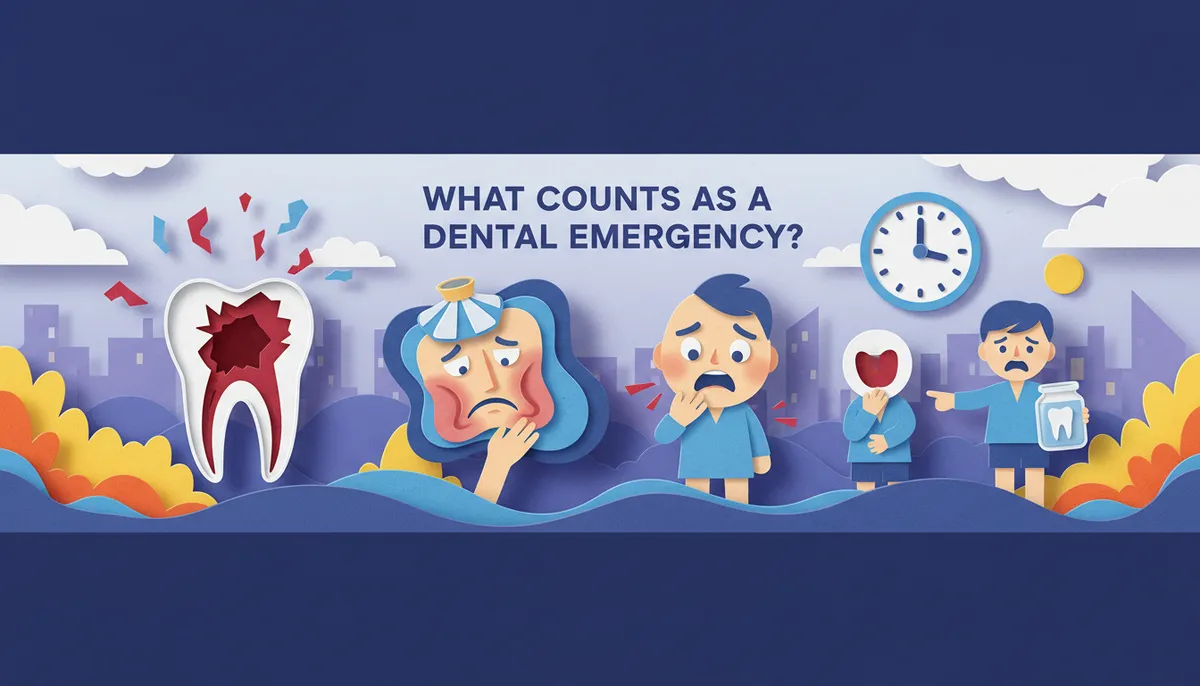
What Counts as a Dental Emergency?
Not every toothache is a dental emergency — but some definitely are. A dental emergency is any situation involving your teeth or gums that causes severe pain, bleeding, swelling, or risk of permanent damage. If left untreated, these situations can get much worse, very quickly.
Here’s a quick way to decide if your situation is urgent:
- Are you in severe or worsening pain?
- Is there significant bleeding that won’t stop?
- Is a tooth loose, cracked, or knocked out?
- Do you have swelling in your jaw, face, or gums?
- Did you lose a crown, filling, or other dental restoration?
If you answered yes to any of those questions, it’s time to call your dentist right away. Getting prompt emergency dental care can save your tooth — and spare you from a lot more pain down the road.
The 9 Dental Emergencies You Should Never Ignore
1. A Knocked-Out Tooth
This is one of the most urgent dental emergencies. Time is everything here. If a tooth is knocked out, you have the best chance of saving it if you see a dentist within 30 to 60 minutes.
Here’s what to do right away:
- Pick up the tooth by the crown (the white part) — never touch the root.
- Gently rinse it with water if it’s dirty. Do NOT scrub it.
- Try to place it back in the socket if possible. If not, keep it moist in a small container of milk or saliva.
- Call your dentist immediately and head in as fast as you can.
2. A Severe Toothache
A bad toothache is your body’s way of waving a red flag. Severe, persistent tooth pain can signal an infection, a cracked tooth, or a cavity that’s reached the nerve. Ignoring it won’t make it go away — it usually makes things worse.
Over-the-counter pain relievers can help temporarily, but they’re not a fix. If your toothache is intense or has lasted more than a day or two, call for emergency dental care as soon as possible. You may need root canal therapy or another treatment to address the underlying issue.
3. A Cracked or Broken Tooth
Cracks and breaks can happen from biting into something hard, grinding your teeth, or taking a hit to the face. Some cracks are easy to spot; others you can only feel as a sharp pain when chewing.
Either way, a broken tooth needs professional attention. Leaving a crack untreated can lead to infection or a complete tooth fracture. Rinse your mouth with warm water and apply a cold compress to reduce swelling while you wait for your appointment.
4. A Lost or Damaged Crown
Crowns can fall off — and when they do, it can be both painful and alarming. The exposed tooth underneath is sensitive and vulnerable to damage. If your crown has come off, don’t panic! Dental Theory offers same-day crowns, so you won’t need to wait or come back for multiple visits. Our ceramic crowns are custom-fitted and look completely natural. If your crown falls off, you can learn more about your options by reading what to do when a crown falls off.
In the meantime, try to keep the crown safe and avoid chewing on that side of your mouth. Dental cement from a pharmacy can act as a temporary fix, but you need to see a dentist promptly.
5. A Dental Abscess
A dental abscess is an infection — and it’s serious. It usually appears as a painful, pimple-like bump on the gum near the root of a tooth. You may also notice swelling, fever, or a bad taste in your mouth.
This is not something to wait on. Dental abscesses can spread to the jaw, neck, or even the brain if left untreated. This is a genuine dental emergency that needs immediate professional attention. Do not try to pop or drain it yourself.
6. A Lost Filling
Lost a filling? It happens more than you’d think. Without that protective layer, your tooth is exposed and vulnerable to bacteria, temperature sensitivity, and further decay. You might also wonder if all cavities really need to be filled — but once a filling is gone, getting it replaced quickly is important.
As a short-term measure, you can use sugar-free gum or dental cement to cover the exposed area. But please call your dentist — this is an urgent situation that needs professional repair to prevent bigger problems.
7. Soft Tissue Injuries
Cuts, tears, or lacerations to your lips, gums, tongue, or cheeks are dental emergencies too. These injuries can bleed quite a bit because the mouth has a rich blood supply.
Here’s what to do:
- Rinse gently with warm salt water.
- Apply firm but gentle pressure with a clean cloth or gauze.
- If bleeding doesn’t stop within 10-15 minutes, seek emergency care immediately.
- A cold compress on the outside of your face can help with swelling.
8. A Broken or Loose Orthodontic Wire
If you have braces or other orthodontic appliances and a wire breaks or pokes into your cheek or gum, it’s uncomfortable — and it can cause real damage if ignored. Cover the sharp end with orthodontic wax as a temporary fix. Then contact your dental provider right away to get it corrected and avoid injury to your soft tissues.
9. Swollen Jaw or Face
Unexplained swelling in your jaw or face is a major warning sign. It could indicate a severe infection, salivary gland issues, or another serious condition. This type of swelling — especially when combined with difficulty swallowing or breathing — needs emergency care immediately. Don’t wait to see if it goes down on its own.
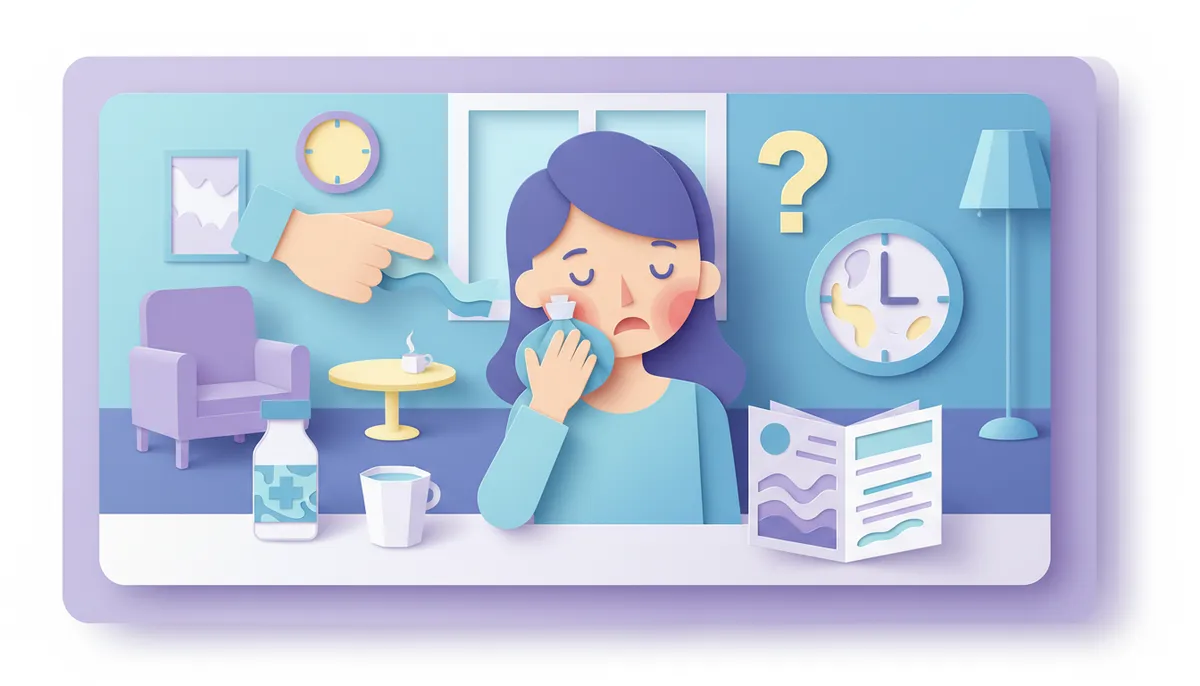
What to Do While You Wait for Emergency Dental Care
Getting to a dentist fast is the goal, but sometimes you need to manage things for a short time before your appointment. Here are some helpful steps to follow for most dental emergencies:
| Emergency | Immediate Action | What to Avoid |
|---|---|---|
| Knocked-Out Tooth | Keep moist in milk or saliva | Don’t scrub the root |
| Severe Toothache | OTC pain reliever, cold compress | Don’t put aspirin on gum tissue |
| Cracked Tooth | Rinse with warm water, cold compress | Don’t chew on that side |
| Lost Crown | Dental cement as temp fix | Don’t use super glue |
| Dental Abscess | Saltwater rinse for comfort | Don’t try to pop it |
| Soft Tissue Injury | Gauze pressure, cold compress | Don’t ignore persistent bleeding |
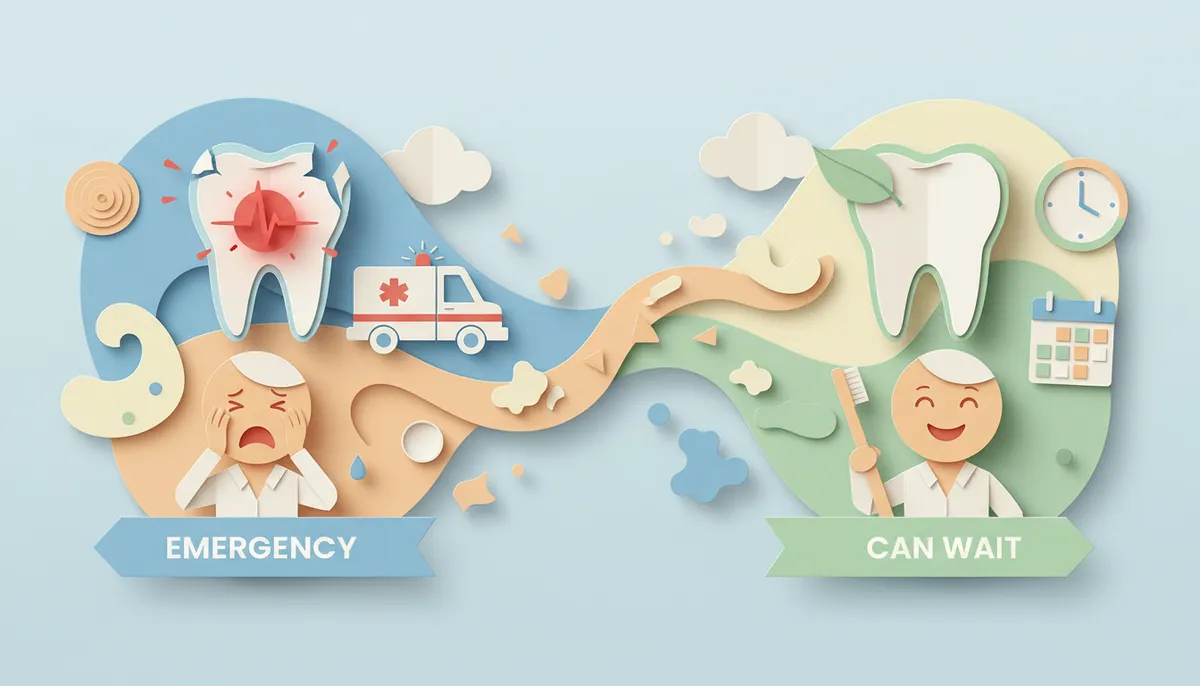
How to Know If It’s a True Emergency or Can Wait
Not every dental problem needs same-day attention. Here’s a simple guide to help you decide:
| Situation | Emergency? | Urgency Level |
|---|---|---|
| Knocked-out tooth | Yes | Immediate (within 30-60 min) |
| Dental abscess / infection | Yes | Same day |
| Severe, unrelenting toothache | Yes | Same day |
| Cracked or broken tooth | Usually yes | Within 24 hours |
| Lost crown or filling | Moderate | Within 1-2 days |
| Mild sensitivity to cold/hot | No | Schedule routine visit |
| Chipped tooth (no pain) | No | Schedule soon |
Emergency Dental Care for Kids — Special Considerations
Kids get into scrapes, spills, and sports accidents all the time — which means dental emergencies happen in younger patients too. The key difference is that children’s teeth (both baby and permanent) require specialized care. It’s important to have a pediatric dentist you trust for these moments.
Dr. Pri is the only board-certified pediatric dentist in Brandon, FL, offering in-office sedation for anxious or young patients. If your child has a dental emergency and is frightened or needs extra support, sedation dentistry for kids can make the experience calm and comfortable. Your child’s safety and comfort are always the top priority.
Common dental emergencies in children include:
- Knocked-out baby teeth (handle differently than adult teeth — ask your dentist!)
- Chipped or broken permanent teeth from falls
- Objects stuck between teeth causing pain or swelling
- Toothaches from untreated cavities
- Lacerations to the lip, tongue, or cheeks from accidents
How to Prevent Dental Emergencies Before They Happen
Of course, the best emergency dental care is the kind you never need! Regular checkups and good oral hygiene habits go a long way in preventing painful situations. Here are some smart prevention tips:
- See your dentist regularly. Routine checkups catch small problems before they become big emergencies. Visit general dentistry services to stay on track.
- Wear a mouthguard during sports. This simple step prevents countless cracked and knocked-out teeth every year.
- Don’t use your teeth as tools. Opening packages or bottles with your teeth is a fast track to a fracture.
- Avoid chewing on ice, hard candy, or popcorn kernels. These are sneaky culprits behind broken teeth and lost fillings.
- Address tooth pain early. Don’t wait until a minor toothache becomes a full-blown infection.
Understanding the Cost of Emergency Dental Care
One big concern people have about emergency dental care is the cost. We totally understand — unexpected expenses are stressful. The good news is there are options to make care more affordable. Check if your practice accepts insurance, and ask about payment plans or membership options.
If you don’t have dental insurance, Dental Theory’s in-house membership plan is a great way to access affordable care without worrying about coverage gaps. It’s designed to make quality dental care accessible for your whole family — no surprises, no stress.
| Emergency Treatment | Estimated Cost Range | Insurance Often Covers? |
|---|---|---|
| Emergency Exam | $50 – $150 | Often yes |
| Tooth Extraction | $150 – $400+ | Partially |
| Root Canal Therapy | $700 – $1,500+ | Partially |
| Same-Day Crown | $1,000 – $1,500+ | Often yes |
| Dental Filling Replacement | $100 – $300 | Often yes |
*Cost estimates vary based on location, complexity, and insurance. Always ask your provider for a detailed estimate.
Why Choosing the Right Provider Matters
When you’re in pain, you want fast, compassionate, expert care — not a long wait or a rushed appointment. Dental Theory in Brandon, FL, is here for exactly those moments. Our team is equipped to handle urgent dental situations with the technology and expertise to get you out of pain quickly. You can also visit us on Google to read reviews from real patients who’ve experienced our care firsthand.
We’re proud to be a trusted choice for families across Brandon, FL. Whether it’s a pediatric emergency for your little one or an adult dental crisis, we’re ready to help. You can also see our 5-star rating on Healthgrades.com and feel confident you’re in good hands.
Wrapping It Up — Don’t Wait When It Matters Most
Dental emergencies are stressful, but you don’t have to face them alone or unsure of what to do. Now you know the 9 emergencies to watch for, the immediate steps to take, and how to get the right care fast. Remember — time matters in most dental emergencies. The faster you act, the better the outcome.
Whether you’re dealing with a knocked-out tooth, a painful abscess, or a lost crown, we’re here for you. Don’t wait until the pain becomes unbearable. Reach out right away and let us help you get back to smiling! You can schedule an appointment quickly and easily online, or simply reach out to our team at Dental Theory — we’re always happy to help.
FAQs
Q: What should I do if I have a dental emergency after hours?
A: If you’re experiencing a dental emergency outside of regular office hours, call your dental provider’s emergency line first — many practices have an after-hours option for urgent situations. For life-threatening emergencies like severe swelling that affects breathing or swallowing, go to your nearest emergency room right away.
Q: Can a knocked-out tooth really be saved?
A: Yes! A knocked-out tooth can often be saved if you act quickly. The key is getting to a dentist within 30 to 60 minutes and keeping the tooth moist (in milk or saliva) in the meantime. The faster you move, the better your chances of saving that tooth!
Q: Is a dental abscess a real emergency?
A: Absolutely — a dental abscess is one of the most serious dental emergencies. It’s an infection that can spread rapidly to surrounding tissue, your jaw, or even your bloodstream if left untreated. If you notice swelling, fever, or a pimple-like bump on your gum, call your dentist right away.
Q: How do I know if my child’s dental injury is an emergency?
A: If your child has knocked out a permanent tooth, is in severe pain, has significant swelling, or is bleeding that won’t stop, that’s an emergency — call your pediatric dentist immediately. For minor chips or lost baby teeth without pain, it’s still worth a call to your dentist, but it may not require same-day care.
Q: Does dental insurance cover emergency dental care?
A: Many dental insurance plans do cover emergency exams, X-rays, and some treatments like extractions or root canals, at least partially. It’s always a good idea to call your insurance provider to confirm your benefits. If you’re uninsured, ask your dental office about membership plans or payment options to make care more affordable.