Have you ever looked in the mirror and wished you could restore a damaged tooth to its former glory? Or maybe you’ve been dealing with a cracked or discolored tooth that’s been affecting your confidence? You’re not alone, and the good news is that porcelain dental crowns might be the perfect solution you’ve been searching for. These remarkable restorations have transformed countless smiles, offering both durability and the natural appearance everyone desires.
Porcelain dental crowns are custom-made tooth-shaped caps that fit over damaged or weakened teeth, restoring their shape, strength, and appearance. Think of them as a beautiful, protective helmet for your tooth—one that looks so natural, no one will ever know you’ve had dental work done. Whether you’re dealing with a cracked tooth, severe decay, or simply want to enhance your smile’s appearance, porcelain crowns offer a versatile solution that combines function with aesthetics in the most amazing way.
What Are Porcelain Dental Crowns and Why Choose Them?

Porcelain dental crowns are expertly crafted restorations made from high-quality ceramic materials that mimic the natural translucency and color of your teeth. Unlike other crown materials, porcelain offers an unmatched aesthetic quality that blends seamlessly with your existing teeth, making them virtually indistinguishable from the real thing.
The beauty of porcelain crowns lies in their versatility and natural appearance. They’re particularly popular for front teeth where appearance matters most, but they’re strong enough for back teeth too. Modern porcelain materials have come a long way, offering strength that rivals your natural tooth enamel while maintaining that gorgeous, lifelike quality we all want.
The Incredible Benefits of Choosing Porcelain
When it comes to restoring your smile, porcelain crowns offer some truly impressive advantages that make them a top choice for patients and dentists alike. First and foremost, their aesthetic superiority is unmatched—porcelain reflects light just like natural tooth enamel, creating that healthy, natural glow everyone loves.
But it’s not just about looks! Porcelain crowns are also biocompatible, meaning they’re gentle on your gums and won’t cause allergic reactions like some metal-based alternatives might. They resist staining better than your natural teeth, so your morning coffee habit won’t leave you with discolored restorations. Plus, they’re incredibly durable when properly cared for, often lasting 10-15 years or even longer with good maintenance.
-
Natural appearance: Seamlessly matches your surrounding teeth in color and translucency
-
Stain-resistant: Maintains its beautiful appearance over time
-
Biocompatible: Gentle on gums and suitable for patients with metal sensitivities
-
Durable: Strong enough to withstand normal chewing forces
-
Preserves tooth structure: Requires minimal tooth preparation compared to some alternatives
When Do You Need a Porcelain Dental Crown?
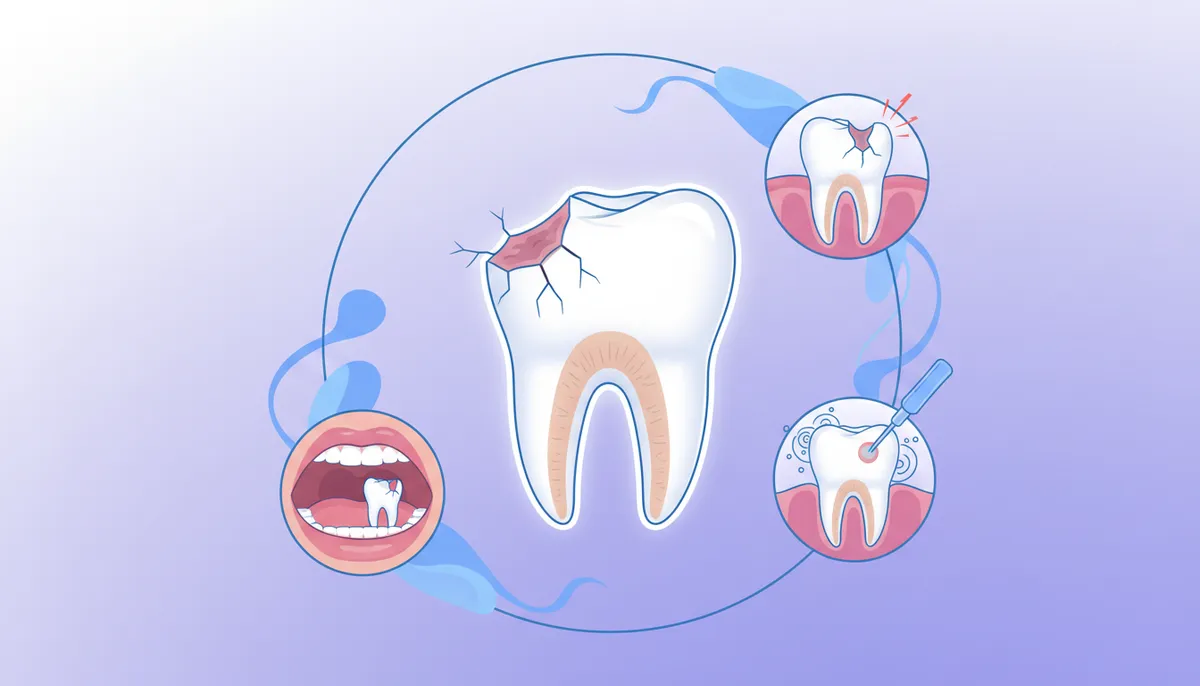
You might be wondering if a porcelain dental crown is right for you, and the truth is, they solve a wide variety of dental challenges. Your dentist might recommend a crown if you have a tooth that’s been significantly damaged by decay, where a filling just won’t be enough to restore its strength and function.
Crowns are also lifesavers after root canal therapy, when your tooth needs extra protection since it no longer has its internal blood supply. They’re perfect for cracked or fractured teeth that need reinforcement, and they can even transform misshapen or severely discolored teeth that don’t respond well to whitening treatments.
Common Situations That Call for a Crown
Let’s talk about some real-life scenarios where porcelain crowns become the hero of your dental story. Maybe you’ve had a large filling for years, and it’s finally giving out, leaving your tooth vulnerable to further damage. Or perhaps you cracked a tooth biting into something hard (we’ve all been there with that popcorn kernel!). These situations are perfect candidates for crown restoration.
Another common scenario is when teeth have become worn down over time due to grinding or clenching—something many of us do without even realizing it, especially during sleep. Porcelain crowns can rebuild these worn teeth to their proper height and shape, restoring your bite and protecting the remaining tooth structure. The team at Dental Theory sees these situations regularly and helps patients understand exactly why a crown is the best solution for their unique needs.
The Porcelain Crown Procedure: What to Expect

If you’re feeling a bit nervous about getting a crown, let me walk you through the process so you know exactly what to expect. The good news is that modern dentistry has made the crown procedure remarkably comfortable and straightforward, typically requiring just two visits to complete.
During your first appointment, your dentist will prepare your tooth by removing any decay and shaping it to accommodate the crown. Don’t worry—you’ll be completely numb and comfortable throughout this process! After preparation, your dentist will take detailed impressions or digital scans of your tooth, which will be used to create your custom crown. You’ll leave with a temporary crown to protect your tooth while your permanent one is being crafted.
The First Visit: Preparation and Impressions
Your initial visit is all about setting the foundation for your beautiful new crown. After numbing the area (you won’t feel a thing!), your dentist carefully reshapes your tooth to create the ideal platform for the crown. This involves removing a small amount of tooth structure all around—just enough to allow the crown to fit comfortably without feeling bulky.
Next comes the impression stage, which has become so much easier with modern technology. Many dental practices now use digital scanners that capture precise 3D images of your prepared tooth in minutes—no more goopy impression materials! These digital impressions are incredibly accurate, ensuring your crown will fit perfectly. Your dentist will also determine the exact shade of porcelain needed to match your natural teeth, making notes about any special characteristics that will help your crown blend seamlessly.
Between Appointments: Your Temporary Crown
While your permanent crown is being custom-crafted in a dental laboratory (which typically takes 1-2 weeks), you’ll wear a temporary crown to protect your prepared tooth. Think of it as a placeholder that keeps everything safe and functional until your permanent restoration is ready. Your temporary crown is designed to be comfortable and functional, though it’s not quite as strong as your permanent one will be.
During this time, it’s important to be a bit gentle with your temporary crown—avoid sticky or hard foods on that side, and be careful when flossing around it. If your temporary crown feels loose or comes off, don’t panic! Just give your dentist a call, and they’ll recement it for you. This rarely happens, but it’s good to know that a quick fix is available if needed.
The Second Visit: Your Beautiful Final Crown
This is the exciting visit where you get to see your finished crown for the first time! Your dentist will carefully remove your temporary crown and clean your tooth before trying in the new porcelain crown. This is the moment to check the fit, bite, and appearance—everything should feel natural and look beautiful.
Once you’ve approved the look and feel, your dentist will permanently cement the crown in place using strong dental adhesive. After a final polish and bite check, you’re done! Many patients are amazed at how natural their new crown looks and feels. You can schedule an appointment to start your crown journey and experience this transformation yourself.
Types of Porcelain Crowns: Finding Your Perfect Match

Not all porcelain crowns are created equal, and your dentist will help you choose the best type for your specific situation. The most common options include all-porcelain crowns (made entirely of ceramic), porcelain-fused-to-metal crowns (which have a metal substructure for added strength), and newer materials like zirconia crowns that offer exceptional strength with beautiful aesthetics.
All-porcelain crowns are the gold standard for front teeth because they offer the most natural translucency and light reflection. They’re also perfect if you have metal sensitivities or simply prefer an all-ceramic restoration. For back teeth that endure heavy chewing forces, your dentist might recommend zirconia crowns, which combine the natural appearance of porcelain with incredible strength and durability.
All-Porcelain vs. Porcelain-Fused-to-Metal Crowns
All-porcelain crowns are exactly what they sound like—100% ceramic with no metal substructure. They’re the top choice for visible teeth because they can be crafted to match your natural teeth perfectly, with layers of different shades that create depth and realism. The absence of metal also means no dark line at the gum line, which can sometimes appear with porcelain-fused-to-metal crowns as gums recede slightly over time.
Porcelain-fused-to-metal (PFM) crowns have been used successfully for decades and remain a viable option, especially for back teeth where strength is paramount and aesthetics are less critical. They feature a metal shell covered with porcelain, combining durability with reasonable aesthetics. However, the metal substructure can sometimes create a slightly less natural appearance, which is why they’re less popular for front teeth in today’s aesthetic-focused dentistry.
Caring for Your Porcelain Dental Crowns
Once you’ve invested in beautiful porcelain crowns, you’ll want to keep them looking and functioning great for years to come. The wonderful news is that caring for crowns is remarkably similar to caring for your natural teeth—brush twice daily, floss once a day, and visit your dentist regularly for check-ups and cleanings.
Your porcelain crown itself won’t get cavities, but the natural tooth structure underneath and around the margins can still develop decay if proper oral hygiene isn’t maintained. That’s why it’s crucial to pay special attention to the area where your crown meets your natural tooth, ensuring you remove all plaque and food particles. A water flosser can be a fantastic addition to your routine, helping you keep those hard-to-reach areas clean and healthy.
Daily Care Tips for Long-Lasting Crowns
Let’s talk about some practical daily habits that will keep your porcelain crowns in pristine condition. First, invest in a good quality soft-bristled toothbrush and fluoride toothpaste—you don’t need anything fancy or abrasive that might scratch the porcelain surface. Brush gently but thoroughly around all surfaces of your crown, paying extra attention to the gum line.
When it comes to flossing, be gentle but consistent. Slide the floss carefully between your teeth rather than snapping it down forcefully, which could dislodge your crown over time. Some people find it helpful to use floss threaders or special floss designed for dental work. And here’s a fun tip: if you’re a nighttime teeth grinder, consider getting a custom night guard to protect both your crowns and natural teeth from excessive wear.
Foods and Habits to Approach with Care
While porcelain crowns are strong, they’re not indestructible, so a little mindfulness about what you eat can go a long way. Try to avoid using your crowned teeth as tools—no opening packages or cracking nuts with them! Also, be cautious with extremely hard foods like hard candy, ice cubes, or unpopped popcorn kernels that could potentially chip or crack your crown.
Sticky foods like caramel or taffy can occasionally pull at crowns, especially if the cement has weakened over time. This doesn’t mean you can never enjoy these treats, but maybe think twice before going all-in on that extra-chewy caramel! If you play contact sports, consider wearing a mouthguard to protect your investment. These simple precautions will help ensure your crowns stay beautiful and functional for many years.
Cost Considerations and Insurance Coverage
Let’s address the elephant in the room—how much do porcelain dental crowns cost? The investment typically ranges from $800 to $3,000 per crown, depending on factors like your location, the dentist’s expertise, the type of porcelain used, and whether any additional procedures are needed. While this might seem significant, remember that crowns are a long-term investment in your oral health and confidence.
The good news is that dental insurance often covers a portion of crown costs, especially when the crown is deemed medically necessary rather than purely cosmetic. Many plans cover 50% of the cost after your deductible is met. Dental Theory works with various insurance plans and can help you understand your coverage and maximize your benefits. If you don’t have insurance, they also offer an in-house membership plan that makes quality dental care more accessible.
Payment Options and Planning
If the cost feels overwhelming, don’t let that stop you from getting the care you need! Many dental practices offer flexible payment plans that allow you to spread the cost over several months, making it much more manageable. Some offices work with healthcare financing companies that offer promotional interest-free periods, giving you time to pay without additional charges.
It’s also worth considering that delaying necessary crown treatment can lead to more expensive procedures down the road. A tooth that needs a crown but doesn’t get one might eventually require extraction and replacement with an implant or bridge, which costs significantly more. Investing in a crown now can actually save you money and preserve your natural tooth—a win-win situation!
Porcelain Crowns vs. Other Restoration Options
You might be wondering how porcelain crowns compare to other dental restoration options like veneers, inlays, onlays, or dental implants. Each solution serves different purposes, and understanding these differences helps you make informed decisions about your dental care. Porcelain crowns are ideal when a tooth needs comprehensive coverage and protection, while veneers are typically used for cosmetic enhancement of front teeth that don’t require structural reinforcement.
Inlays and onlays are sometimes called “partial crowns” because they restore part of a tooth rather than covering it completely. They’re great options when the damage isn’t extensive enough to warrant a full crown. Dental implants, on the other hand, replace an entire missing tooth—root and all—and while they’re topped with a crown, they’re a different category of treatment altogether.
When Veneers Aren’t Enough
Veneers are fantastic for cosmetic improvements—they’re thin shells of porcelain bonded to the front surface of teeth to improve color, shape, or minor alignment issues. However, they don’t provide the structural support that crowns offer. If your tooth has significant decay, a large filling, or has undergone root canal therapy, a veneer simply won’t be strong enough to protect it.
Think of it this way: veneers are like a beautiful facade on a building, while crowns are like reinforcing the entire structure. Both have their place in cosmetic dentistry, but crowns win when strength and protection are priorities. Your dentist will evaluate your specific situation and recommend the most appropriate treatment for your needs.
Why Choose Professional Care for Your Porcelain Crowns
The skill and experience of your dentist make all the difference in how your porcelain crown looks, fits, and functions. Choosing a qualified dental professional ensures that your crown is designed with precision, fits comfortably, matches your natural teeth beautifully, and lasts for many years. It’s not just about placing a crown—it’s about creating a restoration that enhances your oral health and confidence.
At Dental Theory in Brandon, FL, the team brings extensive experience in both restorative and cosmetic dentistry, ensuring your crowns are crafted with meticulous attention to detail. Whether you’re working with Dr. K or Dr. Pri, you’ll receive personalized care focused on your unique needs and goals. The practice has earned a 5-star rating on Healthgrades.com, reflecting their commitment to exceptional patient care and outstanding results.
The Dental Theory Difference
What sets Dental Theory apart is their family-focused approach combined with cutting-edge technology. They understand that dental visits can feel stressful, so they’ve created an environment that’s welcoming, comfortable, and even rejuvenating. From the moment you walk in, you’ll feel the difference—a team that genuinely cares about your well-being and takes time to answer all your questions.
Their use of advanced technology, including digital impressions and high-quality porcelain materials, ensures that your crown experience is as comfortable and efficient as possible. Plus, they offer comprehensive dental services under one roof, so whether you need pediatric dentistry for your kids or cosmetic work for yourself, you’ve found your dental home. Don’t just take our word for it—visit us on Google to see what other patients are saying about their experiences!
Conclusion: Your Journey to a Restored Smile
Porcelain dental crowns offer an incredible combination of strength, durability, and natural beauty that can transform damaged or compromised teeth into confident, functional parts of your smile. Whether you’re dealing with decay, damage, or simply want to enhance your appearance, crowns provide a long-lasting solution that looks and feels like your natural teeth.
The journey to getting porcelain crowns is straightforward, comfortable, and ultimately rewarding. With proper care and regular dental visits, your crowns can serve you well for 10-15 years or longer, protecting your natural tooth structure while maintaining that beautiful appearance you deserve. The investment in your oral health is truly an investment in your overall well-being and confidence.
If you’ve been considering porcelain dental crowns or have questions about whether they’re right for you, don’t wait to explore your options. The team at Dental Theory is here to guide you through every step of the process with expertise, compassion, and a commitment to your satisfaction. Ready to restore your smile? Learn more about cosmetic dentistry options and take the first step toward your healthiest, most confident smile today!
FAQs
Q: How long do porcelain dental crowns typically last?
A: With proper care and maintenance, porcelain dental crowns typically last between 10-15 years, though many patients enjoy their crowns for even longer! The longevity depends on factors like your oral hygiene habits, whether you grind your teeth, and how well you follow your dentist’s care recommendations. Regular dental check-ups help ensure your crowns stay in great shape for years to come.
Q: Are porcelain dental crowns painful to get?
A: Not at all! The crown procedure is performed under local anesthesia, so you won’t feel any pain during the preparation or placement process. Some patients experience mild sensitivity after the anesthesia wears off, but this typically resolves within a few days. Most people find the procedure much more comfortable than they expected, and any temporary discomfort is well worth the beautiful, functional result!
Q: Can porcelain crowns stain like natural teeth?
A: Great news—porcelain crowns are actually more stain-resistant than your natural teeth! The smooth, non-porous surface of porcelain doesn’t absorb stains from coffee, tea, wine, or other foods the way natural enamel can. That said, it’s still important to maintain good oral hygiene and keep the areas around your crown clean, as the natural tooth structure and gums still need proper care.
Q: What’s the difference between porcelain and ceramic crowns?
A: Here’s a friendly little secret: porcelain and ceramic crowns are essentially the same thing! Porcelain is actually a type of ceramic material. When dentists refer to “porcelain” or “all-ceramic” crowns, they’re talking about metal-free restorations made from ceramic materials. The terminology can vary, but rest assured, both terms refer to those beautiful, natural-looking crowns we’ve been discussing!
Q: Will my dental insurance cover porcelain crowns?
A: Many dental insurance plans do cover a portion of crown costs, typically around 50% after your deductible, especially when the crown is medically necessary to restore function or prevent further damage. Coverage varies by plan, so it’s worth checking with your insurance provider or asking your dental office to verify your benefits. Even if you don’t have insurance, many practices offer payment plans or membership programs to make crowns more affordable!