Key Takeaways
-
Dental implants cost $1,500-$3,500+ per tooth, and most insurance plans don't fully cover them, making upfront costs significantly higher than alternatives like dentures or bridges.
-
The entire implant process takes 3-9 months from consultation to final crown placement, requiring multiple surgical and non-surgical appointments with a critical healing period called osseointegration.
-
Not all patients qualify for implants; factors like insufficient bone density, active gum disease, uncontrolled diabetes, and smoking may require additional preparatory treatment or disqualify candidates entirely.
-
Implant failure occurs in 2-5% of cases when proper fusion doesn't occur, infection develops, or implants experience too much pressure too soon, though selecting an experienced dentist significantly reduces this risk.
-
Surgical placement carries typical risks including swelling, bruising, minor bleeding, and temporary discomfort, plus rare complications like nerve damage, sinus problems, or peri-implantitis infection around the implant.
-
Success depends heavily on candidacy factors: adequate jawbone density, healthy gums, good overall health, non-smoking status, and commitment to excellent oral hygiene and follow-up care are essential.
Dental implants are often called the gold standard for replacing missing teeth. And honestly, there’s a lot to love about them. They look natural, they feel like real teeth, and they can last a lifetime with proper care. But here’s the thing — no dental treatment is perfect for everyone. If you’re considering implants, it’s important to know the full picture before you make a decision.
So what is the downside of having dental implants? That’s a great question, and it deserves an honest answer. In this guide, we’ll walk you through the real challenges of dental implants — from cost and recovery time to candidacy requirements. We’ll also share some smart ways to make the process easier, so you can decide if implants are the right fit for your smile and your life.
What Are Dental Implants and How Do They Work?
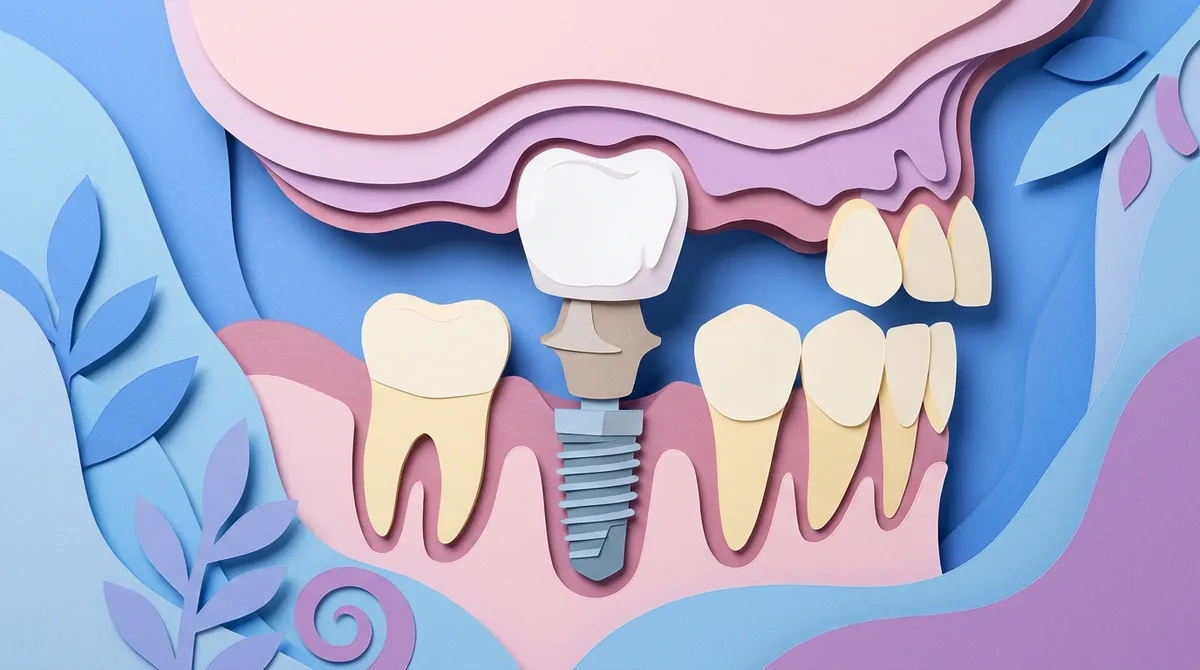
Before we dive into the downsides, let’s do a quick refresher. A dental implant is a small titanium post that gets placed into your jawbone. It acts like an artificial tooth root. Once it fuses with the bone, a crown is attached on top to create a natural-looking, fully functional tooth replacement.
Implants are a popular part of cosmetic dentistry and restorative care. They are a long-term investment in your oral health. But like any investment, they come with trade-offs you should understand upfront.
The Real Downsides of Dental Implants
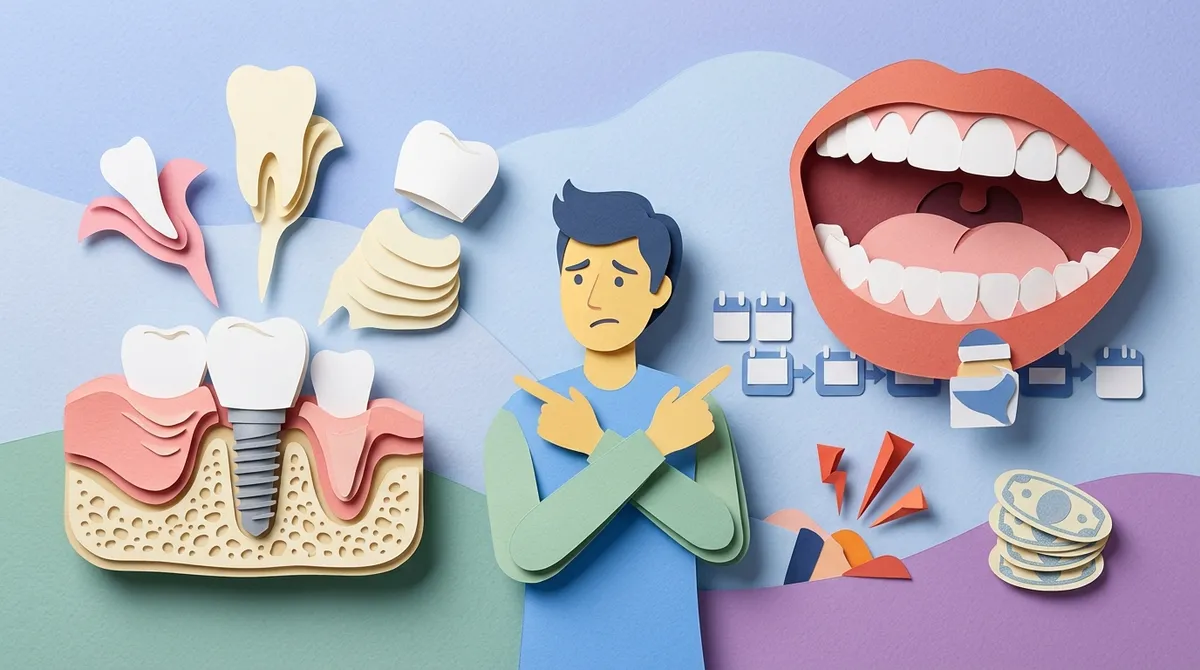
Here are the most important downsides to consider before moving forward with dental implants. Knowing these ahead of time can save you stress, surprises, and extra costs.
1. The Cost Can Be Significant
This is usually the first concern people have — and it’s a valid one. Dental implants cost more upfront than other tooth replacement options like dentures or bridges. A single implant can range from $1,500 to $3,500 or more, depending on your specific needs. Full-mouth solutions like All-on-4 implants involve a larger investment.
Many dental insurance plans don’t fully cover implants, though some do provide partial coverage. The good news? Practices like Dental Theory in Brandon, FL offer flexible insurance and payment plan options to help make implants more accessible. You can also check out tips on how to get affordable dental implants without sacrificing quality.
2. The Process Takes Time
Unlike some dental treatments that wrap up in one or two visits, dental implants require a multi-step process that can take several months from start to finish. Here’s a simplified timeline of what to expect:
- Initial consultation and evaluation — Your dentist checks your jawbone density, gum health, and overall oral health.
- Implant placement surgery — The titanium post is placed into the jawbone during an outpatient procedure.
- Osseointegration (healing period) — The implant fuses with the bone over several weeks to months. This is a critical stage.
- Abutment placement — A connector piece is attached to the implant post once healing is complete.
- Crown placement — A custom-made crown is fitted on top to complete the tooth restoration.
For many patients, the entire process takes anywhere from 3 to 9 months. If bone grafting is needed, it can take even longer. Patience is key! Learn more about the full dental implant treatment procedure so you know what to expect at each stage.
3. Surgery Is Required
Dental implant placement is a surgical procedure. While it’s typically performed under local anesthesia and is considered safe, it does come with typical surgical risks. These include swelling, bruising, minor bleeding, and temporary discomfort during recovery.
Most patients manage just fine with over-the-counter pain relievers and by following their dentist’s aftercare instructions. But it’s important to know that this is not a simple, non-invasive procedure. If the idea of oral surgery makes you nervous, talk to your dental team about your concerns before moving forward.
4. Not Everyone Is a Candidate
This is one of the most important downsides of dental implants that people often don’t anticipate. Not everyone qualifies for implants right away — and some may not qualify at all without additional preparatory treatment.
Here are common factors that can affect your candidacy:
- Insufficient bone density — Implants need a solid jawbone to fuse to. If bone loss has occurred, a bone graft may be needed first.
- Gum disease — Active gum disease must be treated before implant placement. Untreated gum disease significantly raises the risk of implant failure.
- Uncontrolled diabetes — Certain systemic health conditions can slow healing and increase infection risk.
- Smoking — Tobacco use can interfere with the healing process and reduce the long-term success rate of implants.
- Young patients — Jawbone development must be complete before implants are placed, which typically means implants are not recommended for children or young teens.
An experienced dentist will evaluate all of these factors during your consultation. If you’re curious about your eligibility, reach out to the Dental Theory team to schedule your personalized evaluation today.
5. Risk of Implant Failure
While the success rate of dental implants is high — typically around 95 to 98 percent — implant failure can and does happen. Failure can occur if the implant doesn’t properly fuse with the jawbone (a process called osseointegration), if infection develops, or if the implant is placed under too much pressure too soon.
Understanding the 7 dental implant mistakes Brandon patients must avoid can significantly reduce your risk. Choosing an experienced implant dentist is also a critical factor in long-term success.
6. Possible Complications
Like any surgical or restorative dental treatment, implants carry the possibility of complications. These are generally rare but worth knowing about.
- Nerve damage causing numbness or tingling (rare)
- Sinus problems if upper jaw implants are placed too close to sinus cavities
- Peri-implantitis (infection and inflammation around the implant)
- Damage to surrounding teeth or tissues
- Implant fracture in rare cases
These risks are minimized when treatment is performed by a skilled dentist using advanced imaging and careful planning. That’s why choosing the right provider matters so much.
Dental Implants vs. Alternative Options
It helps to compare implants to other tooth replacement options when weighing the downsides. Here’s a quick look at how they stack up:
| Feature | Dental Implants | Dental Bridges | Dentures |
|---|---|---|---|
| Longevity | 20+ years (often lifetime) | 10–15 years | 5–10 years |
| Bone Preservation | Yes — stimulates bone | No | No |
| Feels Natural | Yes | Mostly | Sometimes |
| Requires Surgery | Yes | No | No |
| Upfront Cost | Higher | Moderate | Lower |
| Maintenance | Brush/floss like natural teeth | Special flossing required | Daily removal and cleaning |
As you can see, implants come with real advantages — but the upfront investment, surgery requirement, and timeline are genuine trade-offs. For some patients, a dental bridge or dentures may be a better short-term or long-term solution. Your dentist can help you figure out which option makes the most sense for your unique situation.
How to Minimize the Downsides of Dental Implants
Here’s the encouraging part — many of the downsides of dental implants can be reduced or managed with the right preparation and care. Here’s how to set yourself up for success:
- Choose an experienced implant dentist. Skill and experience matter enormously with implant placement. Look for a dentist who has a strong track record with implant cases.
- Get a thorough evaluation first. A complete exam including digital X-rays and 3D imaging helps your dentist spot any issues before treatment begins.
- Address gum disease and bone loss early. Treating these issues before implant placement gives you the best chance at long-term success.
- Follow all pre- and post-op instructions. Your dentist’s guidelines for before and after surgery are there to protect your results.
- Commit to excellent oral hygiene. Brushing, flossing, and regular professional cleanings help implants last for decades.
- Attend all follow-up appointments. Your dentist needs to monitor the healing process and catch any early warning signs.
Who Makes a Great Dental Implant Candidate?
Even with the downsides in mind, dental implants remain an excellent option for many adults. You’re likely a great candidate if you check these boxes:
- You have one or more missing teeth
- Your jawbone has adequate density and volume
- Your gums are healthy
- You are in generally good overall health
- You are a non-smoker (or willing to quit)
- You are committed to good oral hygiene and follow-up care
| Candidate Factor | Impact on Implant Success |
|---|---|
| Adequate jawbone density | High — essential for implant integration |
| Healthy gums | High — reduces infection risk |
| Non-smoker | Moderate to High — improves healing |
| Controlled systemic health conditions | Moderate — affects healing timeline |
| Good oral hygiene habits | High — protects long-term results |
If you’re not sure whether you’re a candidate, the best first step is simply to talk to a knowledgeable dentist. A consultation gives you clarity and a path forward — whether implants are right for you now or after some additional preparation.
Common Signs You May Need a Tooth Replacement
Wondering if you even need an implant in the first place? Here are some signs that it might be time to explore your options:
- You have a missing tooth or teeth
- You have a severely damaged or decayed tooth that can’t be saved
- You struggle to chew or speak properly
- Your face appears sunken in areas where teeth are missing
- You feel self-conscious about gaps in your smile
If any of these resonate with you, it’s worth exploring your options. You can also read about the top benefits of dental implants in Brandon to see the full upside of this treatment once you’ve weighed the challenges.
What to Expect at a Dental Implant Consultation
Your first consultation is low-pressure and informative. Here’s what typically happens during that visit:
- Review of your dental and medical history — Your dentist will ask about your overall health, medications, and any past dental issues.
- Oral examination — Your teeth, gums, and bite will be assessed.
- Digital imaging — X-rays or 3D scans help evaluate your jawbone volume and the position of nerves and sinuses.
- Treatment planning — Your dentist will outline the recommended approach, timeline, and estimated costs.
- Q&A — This is your chance to ask anything on your mind!
Walking into a consultation informed makes the whole experience much smoother. Review these 9 things to expect at your first dentist consultation so you feel confident and prepared.
A Quick Summary: Implant Downsides at a Glance
| Downside | Severity | Manageable? |
|---|---|---|
| High upfront cost | Moderate to High | Yes — payment plans available |
| Lengthy treatment timeline | Moderate | Yes — patience and planning help |
| Requires surgery | Moderate | Yes — most patients recover well |
| Not everyone qualifies | Varies | Often yes — prep treatment helps |
| Risk of implant failure | Low (2–5% failure rate) | Yes — good provider selection helps |
| Possible complications | Low | Yes — rare with skilled dentist |
The bottom line? The downsides of dental implants are real, but they’re also manageable — especially when you’re working with an experienced dental team. For many patients, the long-term benefits far outweigh the short-term challenges.
Making the Right Decision for Your Smile
Deciding whether dental implants are right for you is a personal choice. There’s no one-size-fits-all answer. The key is to get all the facts, ask good questions, and work with a dental team you trust. If you’re exploring cosmetic dentistry options in Brandon, FL, visit us on Google — Dental Theory to read real patient reviews and see why so many Brandon families trust our practice for their dental care.
You can also explore our implant-supported crowns and prosthesis options to learn about the different ways implants can be used to restore your full smile. And if you’re also comparing implants to other restorative options, this comparison of dental implants vs. dentures is a great place to start.
Whether you’re ready to move forward or just starting to explore, you deserve a dentist who will walk you through every option with honesty and care. Schedule an appointment with our team and let’s find the best path to your healthiest, happiest smile.
Ready to take the first step? Reach out to Dental Theory in Brandon, FL today and let’s talk through your options together. We’re here to help you make a confident, informed decision about your smile — with zero pressure and plenty of warmth!
FAQs
Q: What is the biggest downside of dental implants?
A: The biggest downside for most people is the cost and the time commitment. Implants require surgery, multiple appointments, and a healing period that can last several months. That said, they’re often the most durable and natural-feeling option available — so many patients feel the investment is absolutely worth it!
Q: Can dental implants fail after they are placed?
A: Yes, implant failure can happen, though it’s relatively rare — success rates hover around 95 to 98 percent. Failure is most often linked to factors like infection, insufficient bone density, smoking, or poor oral hygiene. Choosing a skilled dentist and following aftercare instructions dramatically reduces your risk.
Q: How long does the dental implant process take from start to finish?
A: From the initial consultation to the final crown placement, the dental implant process typically takes between 3 and 9 months. If bone grafting is needed before implant placement, the timeline can extend a bit further. Your dentist will give you a personalized timeline during your consultation.
Q: Are dental implants painful to get?
A: Most patients are pleasantly surprised by how manageable implant discomfort is! The procedure is performed under local anesthesia, so you shouldn’t feel pain during placement. Afterward, mild soreness, swelling, and bruising are common for a few days, but most people manage comfortably with over-the-counter pain relievers.
Q: Does dental insurance cover implants?
A: Coverage varies widely depending on your plan. Many traditional dental insurance plans don’t fully cover implants, though some offer partial benefits. Many dental practices offer flexible payment plans to help manage the cost — it’s always worth asking your dental team about your financial options before assuming implants are out of reach!