Key Takeaways
-
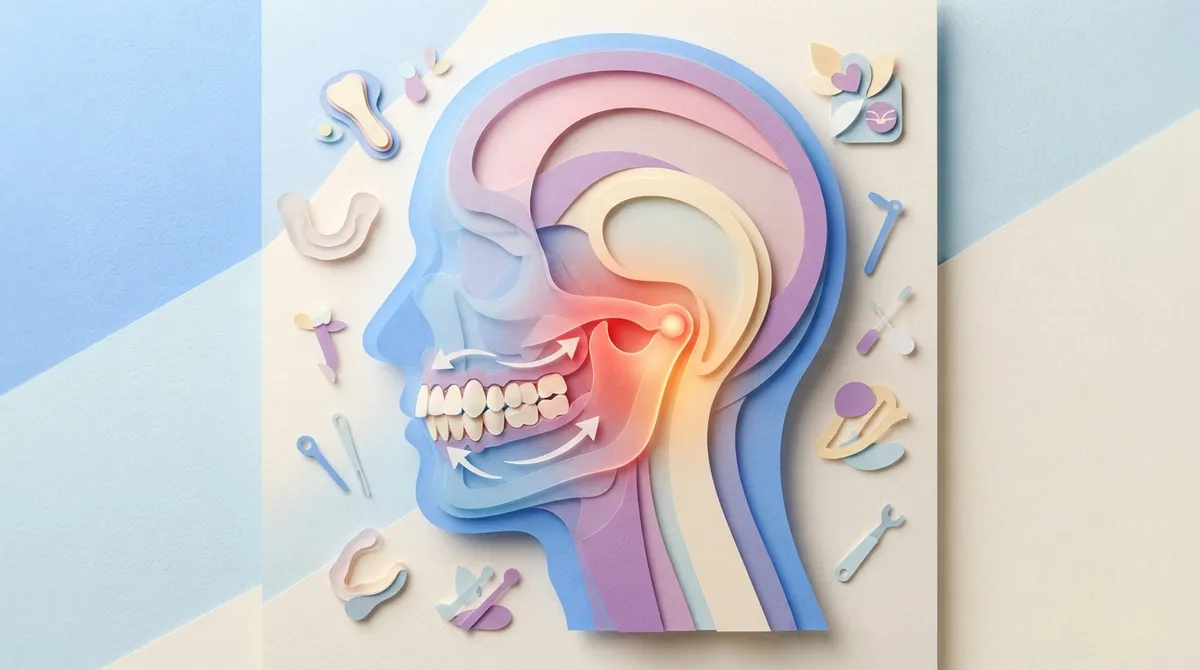
Orthodontics can help TMJ issues when a misaligned bite is the root cause, as straightening teeth reduces pressure and strain on the jaw joint during chewing and talking.
-
TMJ pain often requires multiple treatments beyond orthodontics alone, such as night guards for grinding, physical therapy, or stress management if the cause is bruxism, clenching, or injury.
-
A comprehensive evaluation including bite analysis, jaw movement tests, digital X-rays, and muscle assessment is essential before treatment, as it identifies the actual cause of your jaw pain.
-
Invisalign can be an effective option for adults with bite-related TMJ pain, offering gradual tooth shifting that eases joint pressure without visible metal brackets.
-
Common warning signs requiring dental evaluation include jaw pain lasting over a week, locking jaw, frequent headaches, and worsening popping sounds that shouldn't be ignored.
-
A layered treatment approach combining orthodontics with night guards or physical therapy often produces better long-term results than relying on a single treatment option alone.
Does your jaw click when you chew? Do you wake up with headaches or sore cheeks? If so, you might be wondering if straightening your teeth could help. This is one of the most common questions we hear at our Brandon dental office. Let’s break down the real link between crooked teeth, your bite, and jaw pain, so you can make a smart choice for your smile and comfort.
Many folks in Brandon deal with jaw pain and never connect it to their bite. But your teeth and jaw work together like a team. When that team is out of sync, problems can pop up. This guide will walk you through how orthodontics might help, when it won’t be enough on its own, and what steps actually bring relief.
What Is TMJ Disorder, Anyway?
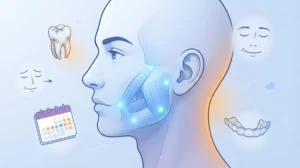
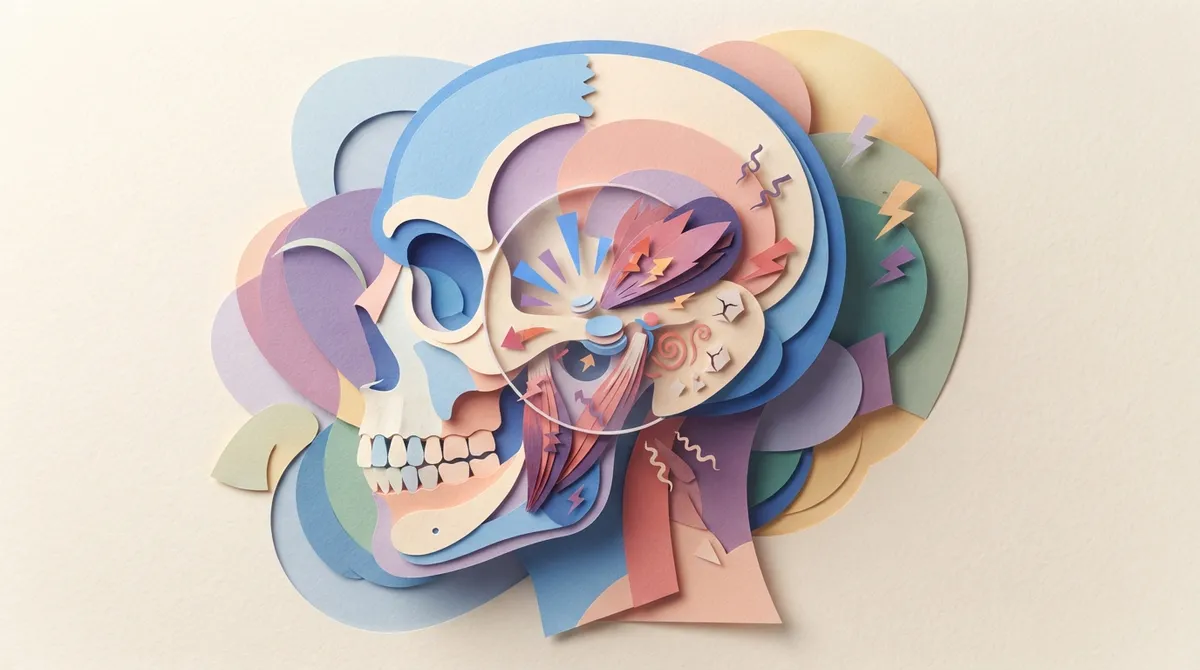
TMJ stands for the temporomandibular joint. It’s the hinge that connects your jawbone to your skull. You have one on each side of your face, right in front of your ears. When something goes wrong with this joint or the muscles around it, doctors call it TMJ disorder, or sometimes TMD.
People with TMJ issues often notice a few telltale signs. Here are the most common ones:
- Clicking or popping sounds when you open your mouth
- Pain or soreness in your jaw, face, or neck
- Headaches that feel like they start near your temples
- Trouble opening your mouth all the way
- A jaw that feels stuck or locked
- Ear pain with no signs of infection
These symptoms can come and go. Some days feel fine. Other days, chewing feels like a chore. If this sounds familiar, you’re not alone, and there are ways to feel better.
Can Orthodontics Fix TMJ Issues?
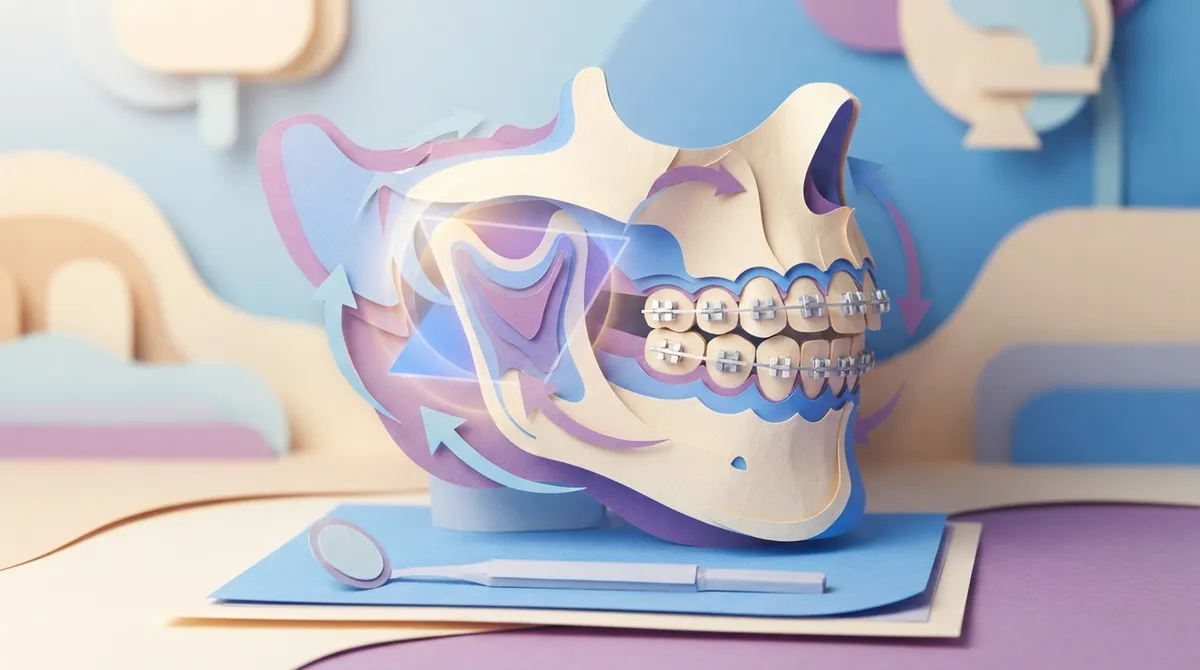
Here’s the short answer: sometimes, yes. But it depends on what’s causing your jaw pain in the first place. Orthodontic treatment, like braces or clear aligners, can help when a misaligned bite is the main problem behind your TMJ symptoms.
Think of your bite like a door on hinges. If the door frame is crooked, the hinges have to work harder and wear out faster. The same idea applies to your jaw. When your teeth don’t line up right, your jaw muscles and joint can get stressed every time you chew, talk, or even swallow.
Straightening your teeth can spread out the pressure evenly. This may ease the strain on your jaw joint over time. Many patients notice their jaw pain fades as their bite improves during treatment like Invisalign.
When a Bad Bite Causes Jaw Pain
A bad bite, or malocclusion, happens when your upper and lower teeth don’t fit together well. This can happen a few different ways:
- Overbite, where your top teeth stick out too far past your bottom teeth
- Underbite, where your bottom teeth sit in front of your top teeth
- Crossbite, where some upper teeth sit inside your lower teeth
- Open bite, where your front teeth don’t touch when your mouth is closed
- Crowding, where teeth overlap because there isn’t enough room
Any of these can force your jaw to shift into an odd position just to bite and chew. Over months and years, that odd position can lead to real jaw pain. Our team can explain more about how a bad bite may lead to TMJ issues during your visit.
When Orthodontics Alone Won’t Be Enough
Orthodontics is not a magic fix for every jaw problem. Sometimes TMJ pain comes from other causes that braces or aligners can’t touch. Here are some examples:
- Grinding your teeth at night, also called bruxism
- Stress that causes you to clench your jaw during the day
- Arthritis in the jaw joint
- An old jaw injury from an accident or sports
- Poor posture that puts strain on your neck and jaw
If one of these is the real cause, straightening your teeth might help a little. But you’ll likely need other treatments too, such as a night guard, physical therapy, or stress management tips. That’s why a full checkup with a dentist who understands both bites and jaw health matters so much.
How We Check for TMJ Problems
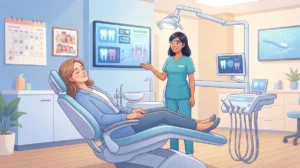
Before jumping into any treatment plan, it helps to know exactly what’s going on. At Dental Theory, we take time to look at your whole mouth, not just your teeth. Here’s what a typical evaluation might include:
| Step | What We Check | Why It Matters |
|---|---|---|
| Bite Analysis | How your upper and lower teeth meet | Spots uneven pressure points |
| Jaw Movement Test | How wide you can open and move your jaw | Finds limits or locking |
| Digital X-Rays | Bone and joint structure | Rules out injury or arthritis |
| Muscle Palpation | Soreness in jaw and face muscles | Shows if muscles are overworked |
| Habit Review | Grinding, clenching, nail biting | Identifies daily stress on the joint |
Our digital X-rays give us a clear picture without extra guesswork. This helps us build a plan that actually fits your needs, not a one-size-fits-all approach.
Treatment Options Beyond Braces
If your jaw pain needs more than a straighter smile, there are several paths we might explore together. Some patients need just one option. Others benefit from combining a few.
- Custom Night Guards: These soft or hard plastic guards protect your teeth from grinding while you sleep. They also help your jaw muscles relax.
- Orthodontic Treatment: Braces or clear aligners can slowly fix a bad bite, easing pressure on your jaw joint over several months.
- Bite Adjustment: Small changes to the shape of certain teeth can help your bite meet more evenly.
- Physical Therapy: Gentle jaw exercises can loosen tight muscles and improve movement.
- Stress Management: Since clenching often links to stress, simple relaxation habits can lower how often you clench.
Our specialty treatments team offers guidance on TMJ rehabilitation designed around your specific symptoms. We won’t push you toward orthodontics if it isn’t the right fit, and we’ll always explain our reasoning clearly.
Invisalign and TMJ: What Brandon Patients Should Know
Clear aligners have become a popular choice for adults who want straighter teeth without metal brackets. For patients whose jaw pain links to a misaligned bite, Invisalign can be a comfortable path forward.
Dr. Chris Karapasha, known to our patients as Dr. K, has deep experience guiding adults through Invisalign treatment. His skill has even earned him recognition, as Dr. Chris Karapasha has been named one of America’s Top Young Dentists in Incisal Edge magazine’s 2025 40 Under 40. You can also view his credentials on his Gold+ Invisalign provider profile.
Invisalign trays gradually shift your teeth into better positions. As your bite improves, many patients notice less clicking and less soreness. It’s not an overnight fix, but it’s a steady, gentle process that fits into daily life without a lot of fuss.
What Invisalign Treatment Feels Like
Most patients wear their aligners for 20 to 22 hours a day. You’ll switch to a new set of trays every one to two weeks. Checkups happen every six to eight weeks so we can track your progress. If you’re curious about how the entire journey plays out, our guide on the final stages of Invisalign treatment walks through each step.
Some patients wonder how long they’ll need to wear a retainer once treatment ends. This matters for keeping your bite stable long term, since shifting teeth can bring old jaw pain right back. Our article on whether you need a retainer forever after Invisalign explains what to expect.
Signs You Should See a Dentist About Jaw Pain
Not every ache means you need treatment right away. But some signs mean it’s time to book a visit. Watch for these warning signs:
- Jaw pain that lasts more than a week
- Trouble chewing your favorite foods
- A jaw that locks open or shut
- Frequent headaches with no clear cause
- Popping sounds that get louder or more painful over time
Ignoring jaw pain rarely makes it go away on its own. In fact, waiting too long can let small problems turn into bigger ones. If any of these sound familiar, it’s worth reaching out to contact Dental Theory and getting a proper look at what’s going on.
Why Choose Dental Theory for Jaw and Bite Concerns
Our Brandon, Florida dental office treats the whole picture, not just your teeth. We look at your bite, your jaw, and your daily habits before suggesting any treatment. This means you get a plan built around your actual needs, not a generic checklist.
We also know dental visits can feel stressful. That’s why our office focuses on a calm, friendly experience for every patient who walks through our doors. Many of our patients have shared their experiences, and you can visit us on Facebook to see what our community says about their visits. You can also visit us on Google — Dental Theory to read reviews from local families just like yours.
A Team Approach to Your Comfort
Because jaw pain can have many causes, we sometimes combine treatments for the best results. You might start with a night guard for quick relief while beginning orthodontic treatment for the long-term fix. This layered approach often works better than picking just one option and hoping for the best.
If your case involves more general dental needs alongside jaw concerns, our general dentistry services cover everything from cleanings to fillings, so your whole mouth stays healthy while we address your bite.
Simple Steps to Take Right Now
If jaw pain has been bothering you, here’s how to get started on the path to relief:
- Write down when your jaw pain happens and what makes it worse
- Notice if you grind your teeth at night or clench during the day
- Book an evaluation so we can check your bite and jaw movement
- Ask about digital X-rays to rule out other joint problems
- Discuss whether orthodontics, a night guard, or both fit your situation
Taking these steps now can save you months of unnecessary discomfort. The sooner we understand what’s driving your symptoms, the sooner we can build a real solution.
Final Thoughts on Orthodontics and TMJ Relief
So, can orthodontics fix TMJ issues? For many patients with a bite-related cause, the answer is yes, especially when paired with the right guidance and follow-up care. But TMJ pain can come from many sources, and a proper evaluation is the only way to know for sure what will help you.
Our Brandon team is ready to listen, examine, and build a plan that fits your life. Whether that means exploring Invisalign, a custom night guard, or a mix of treatments, we want you feeling comfortable again. Ready to get answers about your jaw pain? Schedule an appointment today and let’s find the relief you deserve.
FAQs
Q: Can orthodontics fix TMJ issues completely?
A: Orthodontics can help a lot when a bad bite is the main cause of your jaw pain. But if grinding, stress, or an old injury is behind your symptoms, you may need other treatments too, like a night guard or physical therapy alongside your orthodontic care.
Q: How long does it take for orthodontics to help TMJ pain?
A: Many patients notice small improvements within a few months as their bite starts to shift. Full relief often takes as long as the treatment itself, which can range from several months to a couple of years depending on your case.
Q: Is Invisalign a good option for TMJ related jaw pain?
A: Yes, Invisalign can be a great choice for adults whose jaw pain comes from a misaligned bite. It gently shifts your teeth over time, which can ease pressure on your jaw joint without the bulk of metal braces.
Q: What if my jaw pain isn’t caused by my bite?
A: That’s very common, and it’s exactly why a full evaluation matters so much. Our team checks your bite, jaw movement, and habits like grinding so we can build a plan that actually targets the real cause of your discomfort.
Q: Should I see a dentist or a doctor for TMJ symptoms?
A: A dentist who understands jaw health is a great first stop, since your teeth and jaw work closely together. We can check your bite, order digital X-rays, and guide you toward the right treatment, or refer you if something else needs attention.
Our Service Area