Key Takeaways
-
Wear your retainer full-time (20-22 hours daily) for the first 3-6 months after Invisalign, then switch to nightly wear indefinitely to prevent orthodontic relapse and teeth shifting back to original positions.
-
Teeth can shift noticeably within weeks of skipping retainer wear; if your retainer suddenly feels tight or small gaps reappear, contact your dentist immediately to catch changes early before major shifting occurs.
-
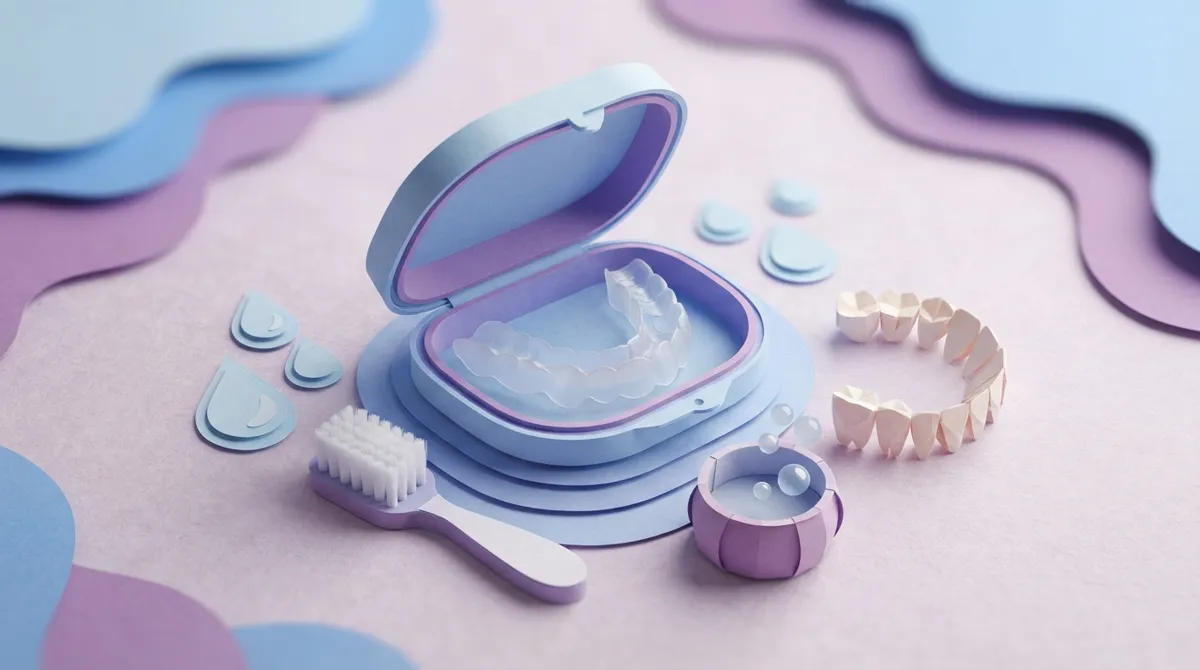
Clean your retainer by rinsing after removal, brushing gently with soft bristles and lukewarm water, and soaking weekly in cleaning solution; never use hot water or toothpaste as these damage clear plastic retainers.
-
Choose between three retainer types based on your needs: clear plastic removable (discreet but requires discipline), fixed wire (hands-free 24/7 protection), or Hawley (durable and adjustable) retainers.
-
Replace lost or cracked retainers within days, not weeks, to prevent teeth from shifting; plastic retainers typically need replacing every 1-2 years with regular wear, so budget for ongoing replacement costs.
-
Develop routines like keeping your retainer case on your nightstand, setting phone reminders initially, and treating retainer cleaning like brushing teeth to make consistent nightly wear automatic and sustainable long-term.
So you finally finished your Invisalign treatment! That’s amazing news, and you should be really proud of yourself. Your smile looks fantastic, and all those months of wearing clear aligners have paid off. But here’s a little secret nobody tells you enough: the work isn’t quite done yet. Your after Invisalign retainer is about to become your new best friend, and knowing how to care for it makes all the difference between keeping that gorgeous smile and watching your teeth slowly drift back to where they started.
We know retainers might feel like an afterthought once your aligners are gone. But trust us, this little piece of plastic (or wire) is doing some heavy lifting. At Dental Theory in Brandon, we see patients all the time who wonder what comes next after Invisalign. This guide walks you through everything you need to know about your after Invisalign retainer, so your smile stays as beautiful as the day your braces or aligners came off.
Why Your After Invisalign Retainer Matters So Much
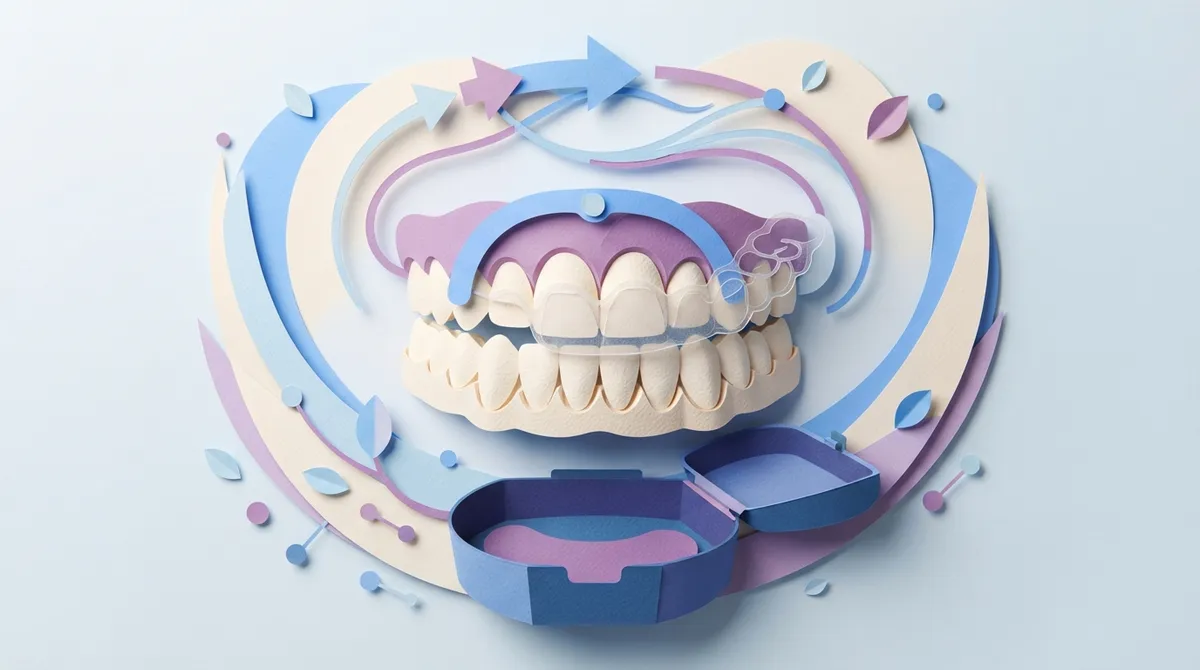
Your teeth are not glued in place. They sit in bone and gum tissue that can shift over time. Even after Invisalign straightens everything perfectly, your teeth still “remember” their old positions. This is called orthodontic relapse, and it happens more often than people think.
Wearing your after Invisalign retainer keeps your teeth locked into their new, straight positions while your bone and gums settle in. Think of it like wet cement. Right after your aligners come off, your smile is still setting. Skip the retainer, and you risk undoing months (or years) of progress.
Here are the biggest reasons your retainer deserves your attention:
- It holds your teeth in place while your gums and bone adjust
- It prevents small gaps from reopening between teeth
- It stops front teeth from slowly turning or overlapping again
- It protects your investment of time and money in Invisalign
- It keeps your bite comfortable and functional for years to come
Types of Retainers You Might Get After Invisalign
Not all retainers look or feel the same. Your dentist will pick the type that fits your needs best. Understanding your options helps you know what to expect.
Removable Retainers
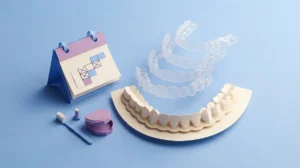
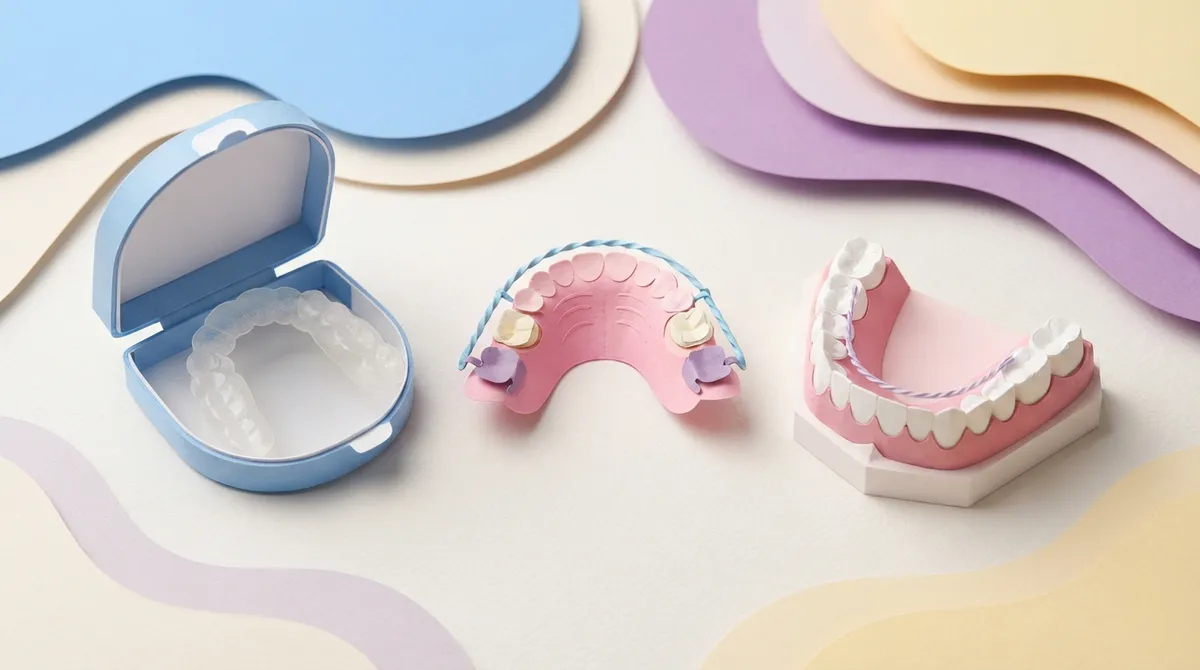
These are clear plastic trays that look a lot like your old Invisalign aligners. They slide over your teeth and can be taken out to eat, brush, and floss. Many patients find these comfortable since they are already used to wearing aligners.
Fixed (Permanent) Retainers
This is a thin wire bonded to the back of your front teeth, usually on the bottom. You cannot remove it yourself, which is actually a benefit for people who worry about forgetting to wear a removable one. It works quietly in the background, 24/7.
Hawley Retainers
These are the classic retainers with a wire across the front teeth and an acrylic base that molds to the roof of your mouth or sits behind your lower teeth. They are sturdy and adjustable, which some patients like.
| Retainer Type | Removable? | Best For | Care Level |
|---|---|---|---|
| Clear Plastic Retainer | Yes | Patients who want a discreet look | Moderate |
| Fixed Wire Retainer | No | Patients who forget to wear removables | Low daily effort, careful flossing needed |
| Hawley Retainer | Yes | Patients needing durability | Moderate to high |
How to Wear Your After Invisalign Retainer the Right Way
Following the right schedule matters just as much as having the retainer itself. Here is a simple step-by-step guide to wearing your retainer properly.
- Wear it full-time for the first few months, usually 20 to 22 hours a day
- Only remove it to eat, drink anything besides water, and brush your teeth
- After your dentist gives the okay, switch to nighttime-only wear
- Keep wearing it every single night, even years later, unless told otherwise
- Bring your retainer to every dental checkup so your dentist can check the fit
Skipping steps or getting lazy with wear time is the number one reason teeth shift back. If you are ever unsure about your schedule, it is always smart to schedule an appointment and ask your dental team directly.
Cleaning and Caring for Your Retainer
A dirty retainer is not just gross, it can also lead to bad breath, staining, and even gum irritation. Good habits keep your retainer fresh and your mouth healthy.
- Rinse your retainer every time you take it out
- Brush it gently with a soft toothbrush and lukewarm water (never hot)
- Soak it weekly in a retainer cleaning solution or diluted mouthwash
- Avoid toothpaste, since it can scratch clear plastic retainers
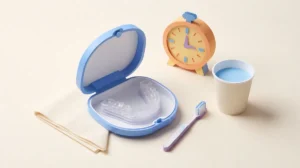
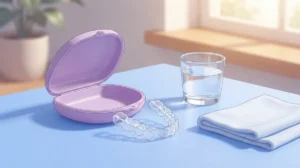
- Store it in its case whenever it is not in your mouth
- Keep it away from pets, since dogs love chewing on retainers
For fixed retainers, flossing takes a bit more practice. A floss threader or water flosser can help you clean under the wire without damaging it. Your hygienist can show you the best technique at your next visit.
Common Mistakes People Make With Retainers
We have seen just about every retainer mishap over the years. Here are the most common mistakes patients make, and how to avoid them.
- Leaving the retainer out at restaurants wrapped in a napkin (it gets thrown away almost every time)
- Skipping wear for “just one night” too many times in a row
- Forgetting to bring the retainer to checkups
- Using hot water to clean it, which warps the plastic
- Not replacing a cracked or lost retainer right away
If your retainer feels tight after a break from wearing it, that is actually a warning sign. It usually means your teeth have already started shifting. Do not wait, contact your dental team as soon as possible.
What Happens If You Stop Wearing Your Retainer
Teeth are surprisingly quick to move once they lose support. Some patients notice changes within just a few weeks of skipping their retainer. Others may not notice right away, but the shifting is still happening quietly.
Common signs your teeth are moving without a retainer include:
- Your retainer suddenly feels snug or hard to insert
- Small gaps reappear between your front teeth
- Your bite feels slightly different when chewing
- Teeth look crowded again, especially on the bottom row
If this happens, do not panic. Many patients can correct minor shifting with a fresh retainer or a short round of clear aligners. The key is catching it early, so reach out to your dentist as soon as you notice a change.
How Long Do You Need to Wear a Retainer?
This is one of the most common questions we hear at our Brandon office. The honest answer is that most orthodontic professionals recommend some form of retainer wear for life. Teeth can shift at any age, even decades after treatment.
Here is a general timeline many dentists follow:
| Time After Invisalign | Typical Wear Schedule |
|---|---|
| First 3-6 months | Almost full-time, 20-22 hours daily |
| 6 months to 1 year | Nights only, every single night |
| 1 year and beyond | Nights only, a few times per week minimum |
| Long-term maintenance | Ongoing nighttime wear indefinitely |
According to the American Dental Association, retention is considered a lifelong part of orthodontic care, not a temporary phase. This is why so many adults in their 30s, 40s, and beyond still pop in a retainer at night.
Replacing a Lost or Broken Retainer
Retainers do not last forever. Plastic ones typically need replacing every one to two years with regular wear. If yours cracks, warps, or goes missing, do not wait around hoping your teeth will stay put on their own.
Steps to take if your retainer breaks or gets lost:
- Contact your dental office right away to explain what happened
- Avoid trying to fix a cracked retainer yourself with glue
- Ask about getting impressions taken for a replacement
- Wear any old retainer you may still have in the meantime, if it still fits
- Schedule your replacement fitting as soon as possible to limit shifting
Why Choose Dental Theory for Your Invisalign Journey
At Dental Theory in Brandon, our patients trust Dr. Chris Karapasha, known to many as Dr. K, for expert Invisalign treatment and thoughtful retainer planning. Dr. K holds Gold+ status with Invisalign, which you can see for yourself on his Dr. K’s Gold+ Invisalign Profile. His dedication to patient care recently earned him recognition, as Dr. Chris Karapasha has been named one of America’s Top Young Dentists in Incisal Edge magazine’s 2025 40 Under 40.
We walk every patient through the full journey, from the 7 Final Stages Of Invisalign Treatment all the way through retainer care. We also know that questions do not stop once your aligners come off, which is why we wrote a detailed guide on whether you need to wear a retainer forever after Invisalign. If your retainer situation changes down the road, we also cover options like switching retainer types in our article on switching retainer types after Invisalign.
Curious what other Brandon families think about their experience? Feel free to visit us on Google — Dental Theory and read what our neighbors have to say. You can also visit us on Facebook to see photos, updates, and patient stories from our Brandon community.
Tips for Making Retainer Wear Feel Easier
Sticking with retainer wear gets easier once it becomes part of your routine. Here are some friendly tips our patients swear by:
- Keep your retainer case in the same spot every night, like your nightstand
- Set a phone reminder for the first few weeks until it becomes automatic
- Pack a travel case in your bag for trips and dinners out
- Treat cleaning your retainer like brushing your teeth, just part of the routine
- Celebrate small wins, like a full week of consistent wear
Small habits like these make a huge difference in keeping your smile exactly where you and your dentist worked so hard to put it.
Bringing It All Together
Your after Invisalign retainer is not just a piece of plastic tucked in a drawer. It is the guardian of your new smile. Wearing it consistently, cleaning it properly, and replacing it when needed will protect the investment you made in your smile for years to come.
If you have questions about your retainer, notice any shifting, or simply want a checkup to make sure everything looks great, our friendly team at Dental Theory in Brandon is here for you. We would love to help you keep that beautiful smile looking its best. Ready to talk retainers, Invisalign, or general dental care? Contact Dental Theory today and let’s keep your smile shining for years to come.
FAQs
Q: How long do I need to wear my retainer after Invisalign?
A: Most people wear their retainer almost full-time for the first few months, then switch to nights only. Many dentists recommend some nighttime wear for life, since teeth can shift at any age. Your dentist will give you a personalized schedule based on your smile.
Q: What happens if I lose my after Invisalign retainer?
A: Don’t panic, but do act fast! Contact your dental office right away so you can get fitted for a replacement before your teeth start shifting. If you have an old retainer that still fits, wear it in the meantime as a backup.
Q: Can I eat with my retainer in?
A: It’s best to take your retainer out before eating or drinking anything besides water. This keeps it clean, prevents damage, and stops food particles from getting trapped against your teeth.
Q: Why does my retainer feel tight all of a sudden?
A: A tight retainer usually means your teeth have shifted slightly, often from inconsistent wear. This is a sign to reach out to your dentist soon so they can check your smile and get you back on track.
Q: Is a fixed retainer better than a removable one?
A: It really depends on your lifestyle and preferences! Fixed retainers work quietly in the background without daily effort, while removable ones are easier to clean but require more discipline. Your dentist can help you decide which fits your needs best.
Our Service Area