Key Takeaways
-
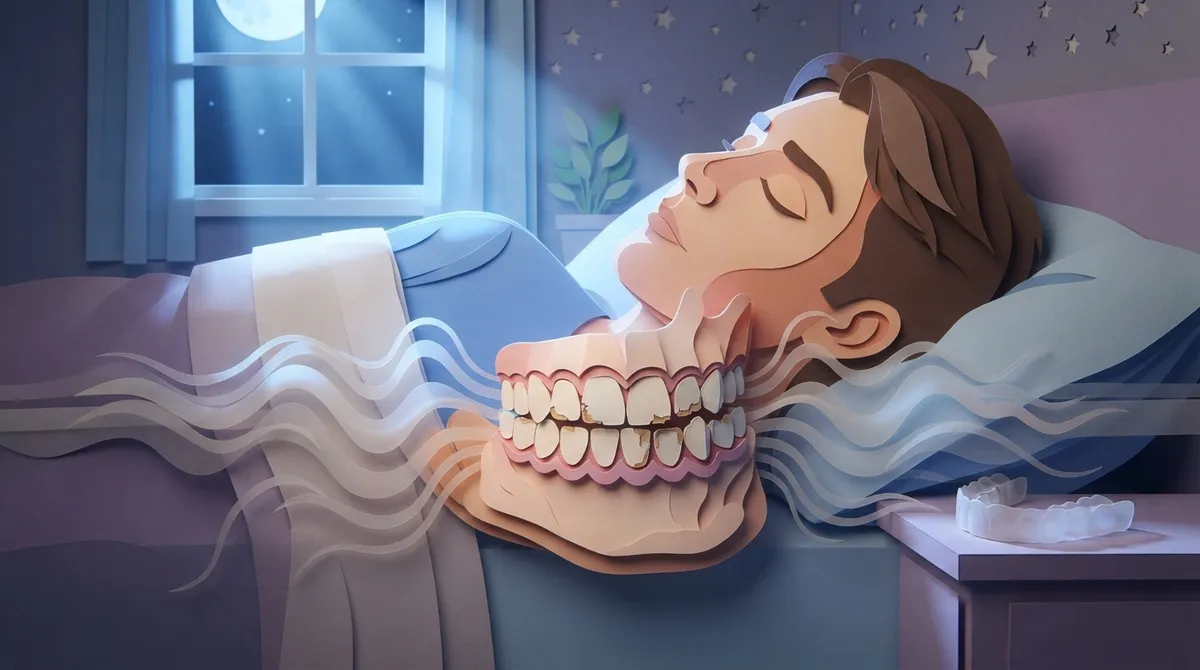
Morning jaw pain, soreness, headaches, or facial tightness upon waking are classic signs of sleep bruxism caused by jaw muscles working overtime during sleep.
-
A dentist can spot bruxism by examining worn, flattened, chipped teeth or increased sensitivity, as grinding removes enamel which doesn't grow back.
-
If your partner reports hearing grinding, squeaking, or scraping sounds at night, take it seriously—sleep bruxism is sneaky because you're unaware it's happening.
-
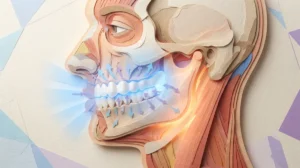
Jaw clicking, popping, or locking sensations may indicate TMJ dysfunction caused by grinding pressure on jaw joints, requiring early treatment to prevent worsening.
-
Custom-fitted night guards made by dentists are highly effective for protecting teeth from nighttime grinding damage, while stress management helps reduce awake bruxism triggers.
-
Book a dental appointment if you experience regular jaw pain, tooth sensitivity, wear, or night-time grinding sounds—early intervention prevents significant damage and discomfort.
Do you wake up with a sore jaw? Does your partner complain about a grinding noise coming from your side of the bed? You might have bruxism — and you’re far from alone. Millions of people grind or clench their teeth without even knowing it. In fact, most people who have bruxism don’t realize it until a dentist spots the signs during a routine checkup.
Bruxism is the medical term for teeth grinding or jaw clenching. It can happen during the day or while you sleep. Sleep bruxism is especially sneaky because you have no idea it’s happening. Over time, it can seriously damage your teeth, strain your jaw, and even affect your quality of life. The good news? Once you know the signs, you can get help fast. Let’s walk through the 4 clearest signs that you might have bruxism — and what you can do about it.
What Is Bruxism? A Quick Overview
Bruxism simply means grinding, gnashing, or clenching your teeth. There are two main types. Sleep bruxism happens at night while you sleep, and awake bruxism happens during the day, often without you noticing. Both types put a tremendous amount of pressure on your teeth and jaw joints.
Stress, anxiety, misaligned teeth, and even certain medications can trigger bruxism. It affects both kids and adults. If you’re curious about the deeper connection between sleep and your smile, this helpful read on TMJ and bruxism breaks it down beautifully. Understanding what’s causing the problem is the first step toward fixing it.
| Type of Bruxism | When It Happens | Common Triggers | Awareness Level |
|---|---|---|---|
| Sleep Bruxism | During sleep | Stress, sleep apnea, caffeine | Usually unaware |
| Awake Bruxism | During waking hours | Anxiety, concentration, habit | Sometimes aware |
Sign #1: Morning Jaw Pain or Soreness
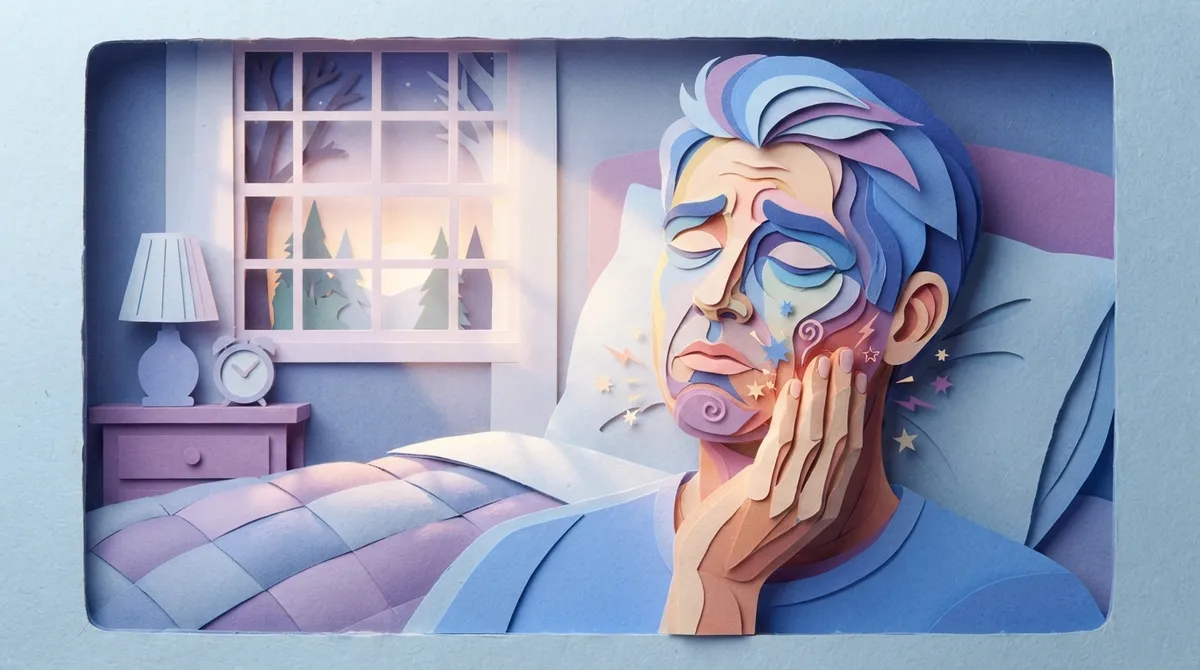
One of the most common signs of bruxism is waking up with a sore, tired, or aching jaw. If your jaw feels stiff every morning before you’ve even had your coffee, something is going on while you sleep. That soreness comes from the muscles working overtime all night long.
You might also feel tenderness in your temples or around your ears. Some people even experience headaches that start at the temples right after waking up. These are classic signs that your jaw muscles have been working hard while you slept.
Here are the morning symptoms most commonly linked to sleep bruxism:
- Sore or tired jaw muscles upon waking
- Headaches, especially in the temples
- Facial pain or tightness
- Earaches with no sign of ear infection
- Neck and shoulder tension
- Difficulty opening your mouth fully
If you’re dealing with any of these symptoms regularly, it’s worth mentioning them at your next dental visit. Your dentist can examine your jaw and look for clues inside your mouth. You can also learn more about TMJ rehabilitation if jaw pain is a consistent issue for you.
Sign #2: Worn, Flat, or Damaged Teeth
Your teeth are incredibly strong, but constant grinding wears them down over time. If you have bruxism, your dentist will often be the first one to notice. They’ll spot teeth that look flatter than normal, have chips along the edges, or show unusual wear patterns.
Grinding removes enamel — the hard outer layer of your tooth — and once it’s gone, it doesn’t grow back. This can make teeth more sensitive to hot and cold temperatures. You might also notice your teeth look shorter or more square-shaped than they used to.
These are the tooth-related signs that often signal bruxism:
- Flattened or shortened tooth surfaces
- Chipped or cracked teeth with no obvious cause
- Increased tooth sensitivity
- Worn enamel that exposes the inner layer of the tooth
- Teeth that look more translucent at the edges
When bruxism causes significant damage, restorative treatments may be needed to rebuild your smile. A comprehensive dental exam can assess the extent of the damage and help create a treatment plan. In some cases, dental crowns may be recommended to restore teeth that have been severely worn down.
| Tooth Sign | What It Looks Like | Why It Happens |
|---|---|---|
| Flattened surfaces | Teeth look shorter, more level | Enamel ground away over time |
| Chipped edges | Small cracks or chips, especially on front teeth | Excessive force from clenching |
| Sensitivity | Pain when eating hot, cold, or sweet foods | Exposed dentin under worn enamel |
| Translucent edges | Tips of front teeth appear see-through | Enamel thinning from grinding |
Sign #3: Jaw Clicking, Popping, or TMJ Issues
Does your jaw make a clicking or popping sound when you open your mouth wide or chew? That sound can be a sign of TMJ (temporomandibular joint) dysfunction, which is closely linked to bruxism. The constant pressure from grinding can strain the jaw joints over time.
TMJ issues can make it painful or uncomfortable to chew, yawn, or even speak. Some people feel like their jaw locks in place for a moment. Others notice that their bite feels off — like their teeth don’t come together quite right when they close their mouth.
Signs that bruxism may be affecting your jaw joints include:
- Clicking or popping sounds when opening or closing the jaw
- A feeling of jaw tightness or locking
- Pain or discomfort when chewing
- A bite that feels uneven or misaligned
These symptoms are worth taking seriously. Untreated TMJ problems can worsen over time. If you’re in the Brandon, FL area, TMJ rehabilitation services are available to help get things back on track. Early treatment makes a big difference.
Sign #4: A Partner or Family Member Notices the Grinding
Here’s the sneaky part about sleep bruxism — you might have absolutely no idea it’s happening. That’s why another person hearing the grinding is often what brings it to light. If someone who sleeps near you has mentioned a grinding, scraping, or squeaking sound coming from your mouth at night, take that seriously.
The noise from teeth grinding can actually be quite loud. It’s caused by enamel pressing against enamel under significant pressure. It’s not a comfortable sound to hear, and it’s a clear indicator that something is happening.
If no one has pointed it out, you can also look for indirect clues:
- You wake up feeling unrested despite a full night’s sleep
- You notice tooth indentations on the inside of your cheeks
- Your tongue has scalloped edges (from pressing against teeth)
- You frequently bite the inside of your cheek
Sleep bruxism is sometimes linked to sleep-related breathing issues. If you suspect there may be an underlying sleep issue contributing, exploring sleep apnea treatment may be worth discussing with your dentist as well. According to the American Dental Association, sleep bruxism is considered a sleep-related movement disorder, and it often co-occurs with other sleep conditions.
How Is Bruxism Diagnosed?
The good news is that diagnosing bruxism is usually straightforward for a trained dentist. During a regular dental exam, your dentist will look at your teeth, jaw, and surrounding tissues for telltale signs. They may also ask you about your symptoms, stress levels, and sleep habits.
Here’s what a typical bruxism assessment involves:
- Visual examination of teeth for wear patterns
- Assessment of jaw muscles for tenderness or tightness
- Review of your reported symptoms (jaw pain, headaches, etc.)
- Questions about your sleep quality and stress levels
- X-rays or digital imaging if damage is suspected
At Dental Theory in Brandon, FL, the team takes a thorough approach to catching problems like bruxism before they become major issues. Digital X-rays can reveal damage that isn’t yet visible to the naked eye, giving a more complete picture of your dental health. You can also schedule an appointment to have your smile evaluated by a caring, experienced dental team.
What Are the Treatment Options for Bruxism?
Once bruxism is confirmed, there are several effective ways to manage it and protect your teeth. The right approach depends on the severity of your symptoms and what’s causing the grinding in the first place.
| Treatment Option | How It Helps | Best For |
|---|---|---|
| Night Guard (Occlusal Splint) | Protects teeth from grinding damage during sleep | Sleep bruxism |
| Stress Management | Reduces triggers that cause clenching | Stress-related bruxism |
| Dental Restorations | Repairs damage already caused by grinding | Worn or broken teeth |
| TMJ Therapy | Relieves jaw joint pain and dysfunction | Jaw clicking, locking, pain |
| Sleep Apnea Treatment | Addresses underlying sleep disorders | Sleep-related bruxism |
A custom-fitted night guard is one of the most effective tools for protecting your teeth from nighttime grinding. Unlike store-bought versions, a dentist-made night guard fits perfectly over your teeth and provides real protection. If your teeth have already been damaged by grinding, treatments like white fillings or even same-day crowns in Brandon can restore them quickly.
If you’re also noticing signs like teeth that look worn or chipped, it may be time to explore cosmetic dentistry options to restore your smile’s appearance alongside its function. For deeper insights, this expert guide on teeth grinding causes and cures is a fantastic resource.
Can Kids Get Bruxism Too?
Yes! Bruxism is actually quite common in children. Many kids grind their teeth, especially when they’re teething, stressed, or have misaligned teeth. The good news is that most kids grow out of it. However, it’s still worth mentioning to your child’s dentist if you notice signs of grinding.
Signs of bruxism in children include:
- Grinding sounds at night reported by a parent
- Complaints of jaw soreness or headaches in the morning
- Visible wear on baby teeth
- Increased tooth sensitivity
A board-certified pediatric dentist can evaluate your child’s teeth and jaw to determine if bruxism is a concern. Dr. Pri at Dental Theory in Brandon is uniquely qualified to provide gentle, thorough evaluations for children of all ages — including those who may be anxious about dental visits. You can also visit us on Facebook to see what families in the Brandon community are saying about our care. To read more reviews and find our location, visit us on Google — Dental Theory.
When Should You See a Dentist About Bruxism?
You don’t have to wait until your teeth are severely damaged to seek help. If you’re experiencing any combination of the signs listed in this article, it’s a great idea to bring it up at your next dental visit. Early intervention can prevent a lot of damage and discomfort down the road.
Here’s a quick checklist to decide if it’s time to book an appointment:
- You wake up with jaw pain, headaches, or facial soreness regularly
- Your teeth feel more sensitive than they used to
- Someone has told you that you grind your teeth at night
- You notice your teeth look shorter, flatter, or chipped
If you checked even one item on that list, don’t wait. Bruxism is very manageable when caught early. The team at Dental Theory is here to help you figure out what’s going on and create a simple, effective plan to protect your smile. Reach out to the Dental Theory team today to schedule your evaluation and take the first step toward a healthier, pain-free smile.
FAQs
Q: How do you tell if you have bruxism without a dentist?
A: You can look for several clues at home! Common signs include waking up with a sore jaw or headache, noticing your teeth look shorter or more sensitive than before, or having a partner tell you they hear grinding sounds at night. If any of these sound familiar, it’s a great reason to bring it up at your next dental visit.
Q: Can bruxism go away on its own?
A: In some cases — especially in children — bruxism does improve over time. However, in adults, it typically needs some form of treatment to prevent ongoing tooth damage. Managing stress and wearing a custom night guard can make a big difference and protect your smile while you work on the root causes.
Q: Is bruxism the same as TMJ?
A: They’re closely related but not the same thing! Bruxism refers to the grinding or clenching of teeth, while TMJ (temporomandibular joint disorder) refers to problems with the jaw joint itself. Bruxism can cause or worsen TMJ issues over time, so treating one often helps the other as well.
Q: What does a dentist do to treat bruxism?
A: A dentist will first examine your teeth and jaw to assess any damage and identify the likely cause. From there, they may recommend a custom-fitted night guard to protect your teeth during sleep, restorative treatments for damaged teeth, or a referral for TMJ therapy. The goal is always to relieve your discomfort and protect your smile long-term.
Q: Can kids have bruxism too?
A: Absolutely — bruxism is actually quite common in children, especially during periods of stress or when new teeth are coming in. Most kids grow out of it, but a pediatric dentist can monitor the situation and recommend solutions if the grinding is causing damage or discomfort. Early evaluation is always a smart move!
Our Service Area