Key Takeaways
-
Bruxism produces distinctive sounds ranging from quiet grinding (10-20 dB) to loud gnashing (55-70 dB), comparable to normal conversation or vacuum cleaners, and the louder the sound, the more damage is occurring to your teeth.
-
Silent clenching without audible noise is common and equally damaging as loud grinding, requiring a dentist's visual inspection during routine exams to detect wear patterns on tooth surfaces.
-
Nighttime bruxism causes more severe damage than daytime grinding because the body is relaxed with no conscious control, making it involuntary and potentially producing damaging high-force episodes.
-
Common warning signs beyond sound include morning jaw soreness, temple headaches upon waking, unexplained tooth sensitivity, and flattened or chipped teeth—symptoms often go unnoticed for months allowing significant enamel wear.
-
Treatment options include custom night guards, stress management, bite adjustment, and dental restorations, with early diagnosis making management easier and preventing costly dental work.
-
Multiple factors trigger bruxism including stress, sleep apnea, misaligned bite, certain medications, caffeine/alcohol consumption, and genetics—requiring a dentist's thorough evaluation to identify the specific cause.
Have you ever woken up with a sore jaw and wondered why? Or maybe a partner or family member has mentioned hearing a strange grinding noise while you sleep? If so, you might be dealing with bruxism — a condition where you grind, clench, or gnash your teeth, often without even realizing it. It’s more common than you’d think, and understanding what bruxism sounds like is the first step toward protecting your smile.
Bruxism affects both adults and children and can happen during the day or at night. The nighttime variety — called sleep bruxism — is especially tricky because most people have no idea it’s happening. In this article, we’ll walk you through exactly what bruxism sounds like, what causes it, and how your dental team can help you find relief. Whether you’re a concerned parent or an adult dealing with jaw pain, this guide is for you.

What Does Bruxism Sound Like?
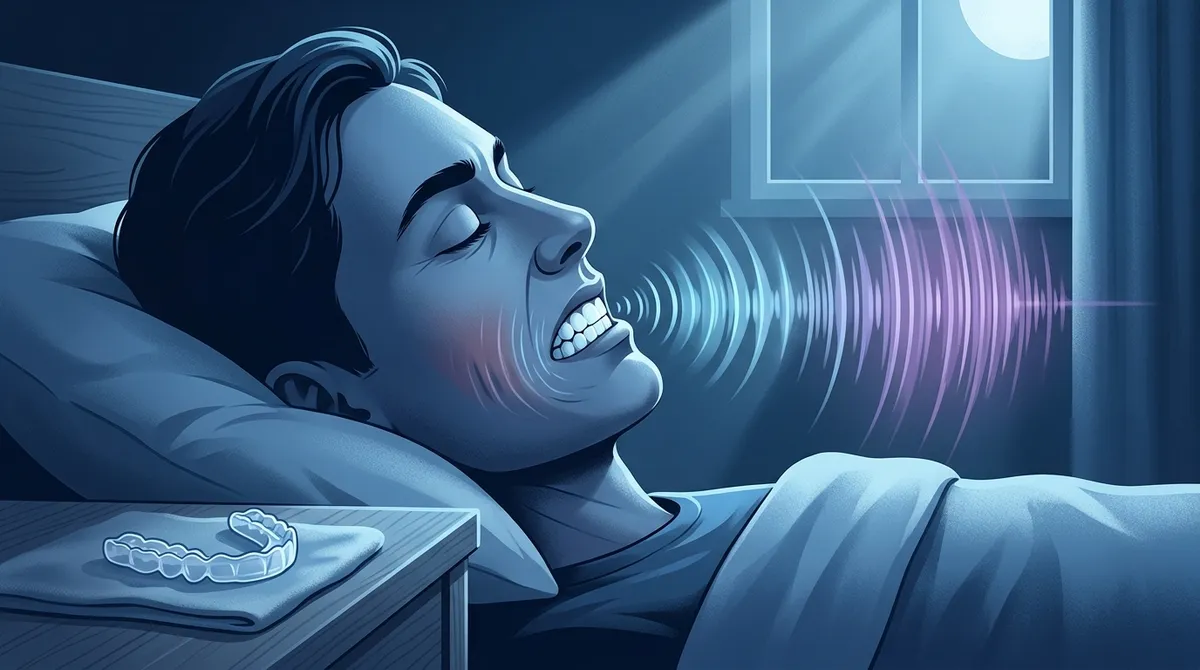
The sound of bruxism is one of its most recognizable signs — at least for the people sleeping nearby. Most people who grind their teeth are completely unaware of it. So what does bruxism sound like, exactly? The sounds can vary depending on the severity of the grinding and whether it’s clenching or actual tooth-on-tooth movement.
Here are the most common sounds associated with bruxism:
- Grinding: A rough, repetitive scraping noise — like two rocks rubbing together
- Squeaking: A high-pitched squeal caused by enamel-to-enamel contact
- Clicking: A sharp clicking or popping sound, often linked to the jaw joint (TMJ)
- Crunching: A low, muffled crunch that can sound like chewing with no food
- Gnashing: A forceful, rhythmic sound that can be loud enough to wake a sleeping partner
Not all bruxism sounds the same. Some people grind loudly while others clench silently with no sound at all. Silent clenching can be just as damaging — even without noise. You can learn more about how bruxism and TMJ overlap by reading about sleep and your smile, understanding TMJ and bruxism.
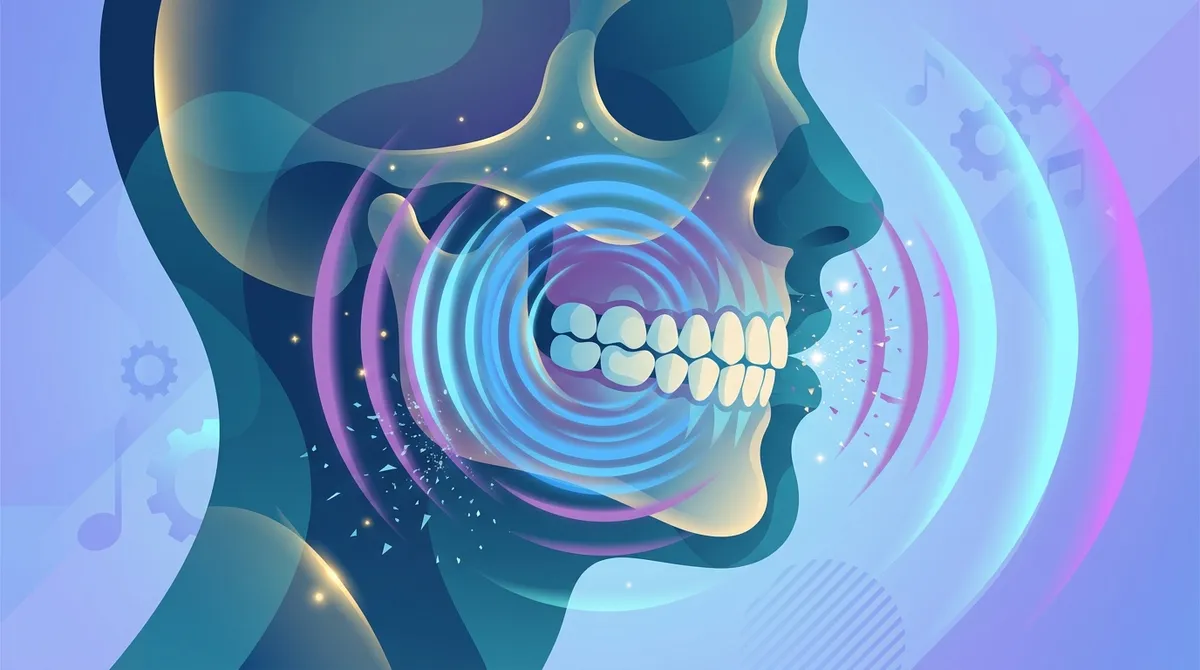
How Loud Is Teeth Grinding?
You might be surprised by just how loud bruxism can get. In some cases, the grinding noise is loud enough to be heard through walls or across the room. Studies have measured teeth grinding sounds at anywhere from 10 to 69 decibels — that’s comparable to normal conversation or even a running vacuum cleaner.
| Sound Level | Comparable To | Bruxism Type |
|---|---|---|
| 10–20 dB | Rustling leaves | Mild clenching |
| 20–40 dB | Quiet room / whisper | Light grinding |
| 40–55 dB | Normal conversation | Moderate grinding |
| 55–70 dB | Running vacuum cleaner | Severe grinding / gnashing |
If your partner is waking up because of the noise you make at night, that’s a strong signal to see your dentist right away. The louder the grinding, the more force is being applied to your teeth — and the more damage is likely occurring. You’ll want to explore teeth grinding causes and cures with your dental provider.
Daytime vs. Nighttime Bruxism: Is There a Difference?
Yes — and it matters. Daytime bruxism is usually more about clenching than grinding. People often do it during stressful moments at work, while driving, or even while concentrating hard on a task. It tends to be quieter because the person may catch themselves doing it.
Nighttime bruxism, on the other hand, happens during sleep and is completely involuntary. This is when the loudest and most damaging grinding typically occurs. The body is relaxed, and there’s no conscious check on how much force is being used.
| Type | Occurs When | Sound Level | Awareness | Damage Risk |
|---|---|---|---|---|
| Daytime Bruxism | Waking hours | Low to moderate | Often noticed | Moderate |
| Nighttime Bruxism | During sleep | Moderate to high | Rarely noticed | High |
Both types can cause significant damage to your enamel, jaw muscles, and TMJ (temporomandibular joint). Identifying which type you have helps your dentist recommend the right treatment plan.
Other Signs of Bruxism Beyond Sound
Many people don’t hear themselves grinding — they notice other symptoms first. If you’re not sure whether you grind your teeth, look out for these common warning signs:
- Jaw soreness or stiffness when you wake up in the morning
- Headaches that start at the temples, especially upon waking
- Tooth sensitivity to hot, cold, or sweet foods and drinks
- Flattened, chipped, or cracked teeth with no clear cause
- Worn-down enamel that makes teeth look shorter or duller
- Earaches without any ear infection
- Facial pain or tightness in the cheeks or around the jaw
These symptoms often go unnoticed for months or even years. By the time someone notices, their teeth may already have significant wear. If any of these sound familiar, it’s time to reach out to your dental team for an evaluation. You can also check out these 11 things to know about bruxism and teeth grinding at night for a deeper dive.
What Causes Bruxism?
Bruxism doesn’t have a single cause — it’s usually a combination of physical, psychological, and lifestyle factors. Understanding the root causes can help you and your dentist find the best solution.
Common causes include:
- Stress and anxiety: This is the most common trigger. Emotional tension often manifests physically through jaw clenching and grinding.
- Sleep disorders: Conditions like sleep apnea are closely linked to nighttime bruxism. Check out sleep apnea treatment options to see how they overlap.
- Misaligned bite: When teeth don’t come together correctly, the jaw may compensate through grinding.
- Certain medications: Some antidepressants and stimulants have been associated with bruxism as a side effect.
- Caffeine and alcohol: Consuming these, especially before bed, can increase grinding activity.
- Genetics: Bruxism tends to run in families, suggesting a hereditary component.
Children can also experience bruxism — often during periods of growth or stress. If you’re worried about your child, Dr. Pri, our board-certified pediatric dentist, is specially trained to identify and manage bruxism in kids, making the experience as comfortable and stress-free as possible.
How Bruxism Damages Your Teeth Over Time
The sounds of bruxism are more than just annoying — they signal real damage happening inside your mouth. Every grinding episode wears away your enamel, which is the hard, protective outer layer of your teeth. Enamel doesn’t grow back once it’s gone.
Here’s what untreated bruxism can lead to:
- Cracked, chipped, or broken teeth
- Tooth sensitivity and pain
- Gum recession
- Loose teeth
- Damage to existing dental work (like fillings or crowns)
- Chronic jaw pain or TMJ disorder
If your teeth have already suffered damage from grinding, restorative options like veneers, crowns, and bridges can help restore your smile. At Dental Theory in Brandon, FL, we offer same-day ceramic crowns, so you don’t have to wait weeks for your smile to be restored.
How Is Bruxism Diagnosed?
Your dentist can usually identify bruxism through a routine examination. During a comprehensive dental exam, they’ll look for telltale signs like worn enamel, flattened tooth surfaces, jaw tenderness, and damage to existing restorations.
The diagnostic process typically involves:
- Visual inspection of tooth wear patterns and damage
- Jaw examination to assess muscle tension, soreness, and joint function
- Patient history review — including stress levels, sleep habits, and medications
- Digital X-rays to check for bone changes and tooth structure issues (see digital X-rays at Dental Theory)
You can also explore the 6 key facts about bruxism as a dental diagnosis in 2026 to understand how dentists approach this condition today.
Treatment Options for Bruxism
The good news? Bruxism is very treatable. Your dentist will tailor a plan based on your specific situation and the severity of your grinding. Here’s a breakdown of the most common treatment approaches:
| Treatment Option | How It Helps | Best For |
|---|---|---|
| Custom Night Guard | Creates a barrier between teeth to absorb grinding force | Nighttime bruxism |
| Stress Management | Reduces the anxiety that triggers clenching | Stress-related bruxism |
| Bite Adjustment | Corrects misalignment so teeth meet properly | Bite-related bruxism |
| Dental Restorations | Repairs damage caused by grinding | Advanced enamel wear |
| Sleep Apnea Treatment | Addresses underlying sleep disorders | Sleep-related bruxism |
For children with bruxism, Dr. Pri offers gentle, compassionate care that’s appropriate for young patients. As the only board-certified pediatric dentist offering in-office sedation in Brandon, Florida, she can make even anxious kids feel completely at ease. You can read more about what to expect by visiting the pediatric dentistry page.
Adults dealing with significant damage from grinding can benefit from restorative options at Dental Theory. Our general dentistry and cosmetic dentistry services are designed to bring your smile back — no matter how much wear has occurred. Schedule an appointment today to get started.
Tips to Reduce Teeth Grinding at Home
While your dentist is your best ally, there are things you can do at home to reduce bruxism symptoms between visits. These habits won’t replace professional treatment, but they can definitely help:
- Practice relaxation techniques before bed (deep breathing, meditation, or gentle stretching)
- Avoid caffeine and alcohol in the evening hours
- Apply a warm compress to your jaw muscles to reduce tension
- Be mindful during the day — notice if you’re clenching and consciously relax your jaw
- Stay well-hydrated throughout the day
- Limit chewing gum, as it can tire out your jaw muscles
These small lifestyle changes, paired with professional dental care, can make a big difference in how your jaw feels day to day. Check out these common oral hygiene mistakes to make sure you’re not unknowingly making your symptoms worse.
When to See Your Dentist About Bruxism
If you or someone in your household recognizes the sounds described in this article, don’t wait. Bruxism is one of those conditions that quietly causes damage over time, and the sooner it’s caught, the easier it is to manage. The longer you wait, the more your teeth, jaw, and overall oral health can suffer.
You should book a dental visit if:
- A family member tells you that you grind your teeth at night
- You wake up with a sore jaw, headache, or tooth pain regularly
- You notice your teeth look flatter, shorter, or more worn than before
- You have unexplained tooth sensitivity that isn’t linked to a cavity
- Your jaw clicks or pops when you open and close your mouth
At Dental Theory in Brandon, FL, we love helping families protect their smiles. Whether it’s a child grinding their teeth at night or an adult dealing with jaw tension, our caring team is here to help. You can visit us on Google — Dental Theory to see what our patients are saying, or visit us on Facebook to stay connected with our practice and the Brandon community.
Protect Your Smile from the Sounds of Bruxism
Bruxism can range from a soft squeak to a loud grinding that wakes up the whole house. Whatever it sounds like for you, one thing is certain — it’s a sign your teeth need some extra care and attention. Catching it early makes all the difference in preserving your natural teeth and avoiding costly dental work down the road.
Don’t let teeth grinding damage your smile or disrupt your sleep. Our friendly team at Dental Theory is here to listen, evaluate, and create a personalized plan that works for you and your family. Contact Dental Theory today to schedule your comprehensive exam and take the first step toward a quieter, healthier night’s sleep.
FAQs
Q: What does bruxism sound like to someone sleeping nearby?
A: Bruxism most often sounds like a rough grinding or scraping noise — similar to two rough surfaces rubbing together. In more severe cases, it can produce a loud gnashing or squeaking sound that’s strong enough to wake a sleeping partner. If someone in your home is making these noises at night, a dental visit is a great next step!
Q: Can bruxism happen without any sound?
A: Absolutely — and this is actually quite common! Many people clench their teeth tightly without making any audible noise at all. This is called silent bruxism or clenching, and it can be just as damaging to your teeth, jaw muscles, and joints as loud grinding. Your dentist can spot the signs during a routine exam even when there’s no sound.
Q: How do I know if my child is grinding their teeth at night?
A: You might hear a grinding or clicking sound coming from your child’s room at night. During the day, look for signs like jaw soreness, tooth sensitivity, or complaints of headaches in the morning. A board-certified pediatric dentist like Dr. Pri at Dental Theory can check for wear patterns and help create a gentle, comfortable treatment plan for your little one.
Q: Is teeth grinding always linked to stress?
A: Stress is the most common trigger for bruxism, but it’s not the only one. Sleep disorders like sleep apnea, misaligned bites, certain medications, and even genetics can all play a role. That’s why a thorough dental evaluation is so helpful — your dentist can look at the full picture and find the most likely cause for your specific situation.
Q: Can a dentist fix the damage caused by bruxism?
A: Yes! Modern dentistry offers several great options to repair teeth that have been worn or damaged by grinding. Treatments can include custom night guards to prevent further damage, as well as restorative solutions like ceramic crowns, veneers, or bonding to bring your smile back to its best. The earlier you catch it, the simpler the fix tends to be!
Our Service Area