Key Takeaways
-
Stress is the primary trigger for teeth grinding; managing anxiety through exercise, meditation, or counseling can significantly reduce bruxism symptoms and protect your teeth.
-
A custom-fitted night guard from your dentist is the most effective treatment, offering superior protection compared to over-the-counter options that rarely fit properly and may worsen the condition.
-
Bruxism often goes undiagnosed because it occurs during sleep; regular dental checkups are crucial for early detection of worn enamel and tooth damage before serious problems develop.
-
Teeth grinding causes significant damage including enamel wear, chips, cracks, and jaw joint problems; it can also worsen or be linked to obstructive sleep apnea requiring professional evaluation.
-
Lifestyle habits like caffeine, alcohol, tobacco use, and daytime jaw clenching substantially worsen bruxism; eliminating these habits combined with stress management can meaningfully reduce grinding severity.
-
If bruxism has already damaged your teeth, restorative solutions like dental bonding, veneers, or same-day ceramic crowns can effectively repair and rebuild worn or cracked teeth.
Do you wake up with a sore jaw or a dull headache? Does your partner complain about a grinding sound in the middle of the night? If so, you might be dealing with bruxism — the dental term for teeth grinding at night. It is more common than most people think, and it can cause real damage to your smile if left untreated. The good news? It is very manageable with the right help.
At Dental Theory in Brandon, FL, we see patients all the time who have no idea they are grinding their teeth until the signs show up at a checkup. This article walks you through 11 key things every person should know about bruxism. Whether you are dealing with it yourself or suspect a family member might be, this guide will help you take action before more damage is done.
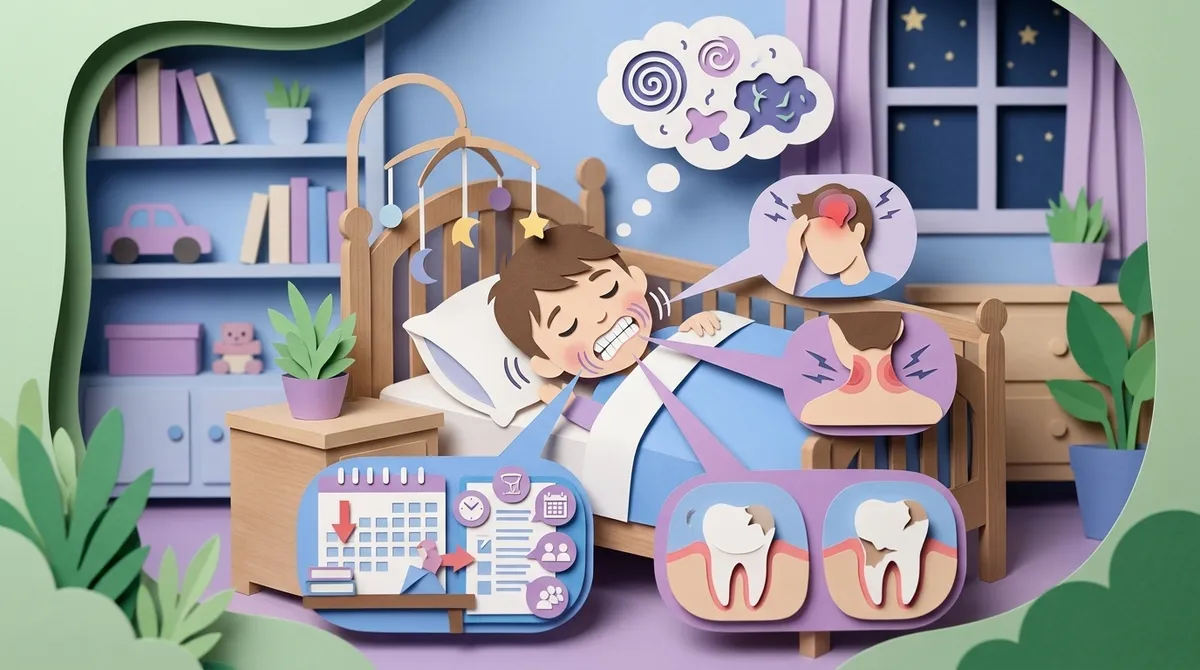
What Exactly Is Bruxism?
Bruxism is the involuntary grinding, clenching, or gnashing of teeth. Most people do it while they sleep, which is why it is called sleep bruxism. Some people also clench during the day without realizing it. It is classified as a sleep-related movement disorder, and it often happens alongside other conditions like snoring or sleep apnea. You can learn more about the connection between sleep and your oral health by reading our article on Sleep And Your Smile: Understanding TMJ And Bruxism.
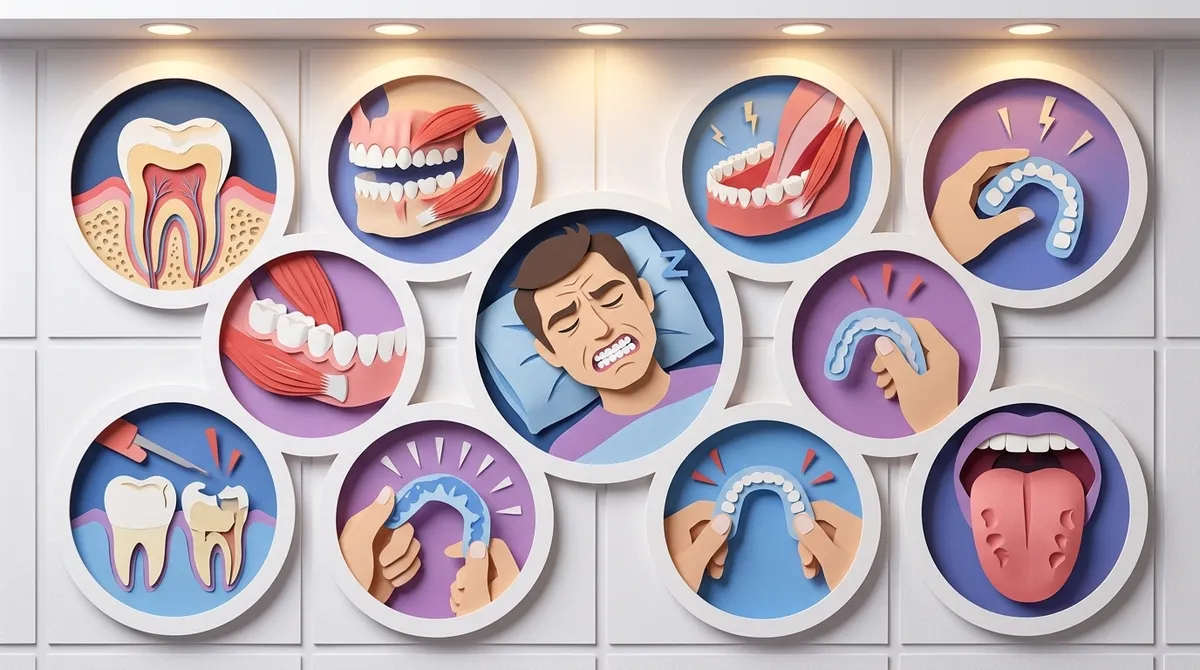
11 Things Everyone Should Know About Teeth Grinding at Night
1. Most People Do Not Know They Have It
Sleep bruxism is sneaky. You are asleep when it happens, so you often have no idea. Many patients only find out during a routine dental exam when the dentist spots worn-down enamel or small fractures on their teeth. This is one of the biggest reasons regular checkups are so important. Early detection can save your smile — and your wallet.
2. Stress Is the Number One Trigger
Stress and anxiety are the most common causes of teeth grinding at night. When your mind is busy processing worry, your jaw muscles can tighten and clench while you sleep. This is why many people notice their grinding gets worse during big life changes, like a new job, a move, or a difficult period at home. Managing stress through exercise, meditation, or counseling can actually help reduce bruxism symptoms.
3. It Can Seriously Damage Your Teeth
Grinding your teeth night after night puts enormous pressure on them. Over time, this can:
- Wear down your enamel, making teeth shorter and flatter
- Cause chips and cracks in your teeth
- Lead to increased tooth sensitivity
- Break existing dental restorations like fillings or crowns
- Result in loose teeth over time
If grinding has damaged your teeth, restorative solutions are available. Read more about what dental crowns are and when you might need them as a protective option.
4. Your Jaw, Head, and Ears Can All Hurt
Bruxism does not just affect your teeth. The constant clenching puts a strain on your jaw joints and surrounding muscles. Common symptoms include:
- Morning headaches or migraines
- Jaw pain or tightness
- Earaches (without an ear infection)
- Neck and shoulder tension
- A tired or sore jaw when you wake up
These symptoms are easy to mistake for other problems. If you are experiencing any of them regularly, it is worth mentioning to your dentist.
5. There Is a Strong Link to TMJ Disorders
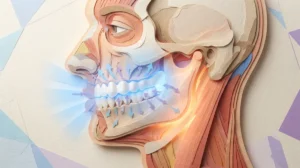
Bruxism and TMJ (temporomandibular joint) disorders often go hand in hand. The TMJ is the hinge joint that connects your jaw to your skull. When you grind your teeth repeatedly, it can inflame and stress that joint, leading to TMJ dysfunction. This can cause clicking or popping sounds when you open your mouth, difficulty chewing, and even difficulty opening your jaw wide. If you suspect TMJ involvement, TMJ rehabilitation at Dental Theory can help address the root cause.
6. Children Can Have Bruxism Too
Parents are often surprised to learn that kids grind their teeth too. In fact, bruxism is quite common in children, especially when they are teething, stressed, or have misaligned teeth. Most children outgrow it as they age, but it is still worth monitoring. If your child seems to be grinding at night, a visit to a pediatric dentist is a great first step. Our Dr. Pri is a board-certified pediatric dentist right here in Brandon, FL, and she is wonderful with children of all ages and temperaments.
7. A Night Guard Is the Most Common Treatment
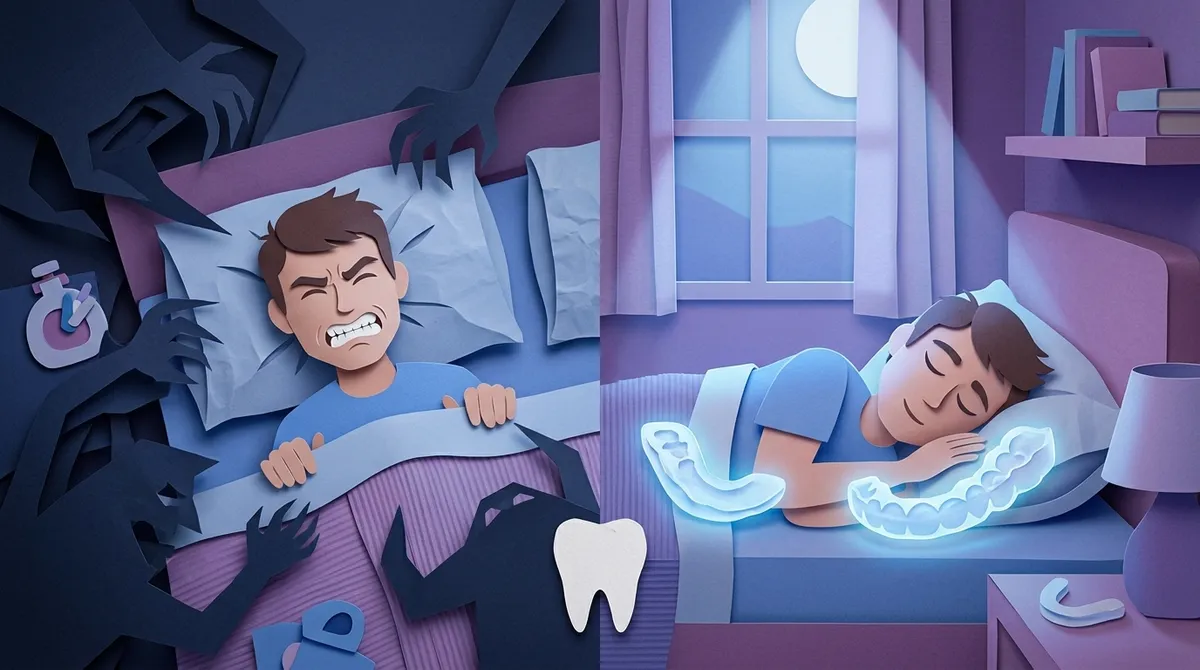
The most widely recommended solution for bruxism is a custom-fitted night guard. This is a small appliance that fits over your teeth while you sleep. It acts as a cushion, absorbing the pressure of grinding so your teeth do not take the hit. Over-the-counter options exist, but they rarely fit well and can actually make things worse. A dentist-made night guard is custom-shaped to your bite for the best comfort and protection.
| Type of Night Guard | Fit | Durability | Cost Range | Best For |
|---|---|---|---|---|
| Custom Dental Office Guard | Excellent | 3–5+ years | $300–$700 | Moderate to severe grinding |
| Boil-and-Bite (OTC) | Fair | 6–12 months | $20–$50 | Mild temporary use only |
| Stock OTC Guard | Poor | 3–6 months | $10–$30 | Not generally recommended |
8. Grinding Can Be Worsened by Lifestyle Habits
Several everyday habits can make bruxism significantly worse. Being aware of these can help you make small changes that have a big impact:
- Caffeine: Drinking coffee or energy drinks late in the day can increase muscle tension at night
- Alcohol: Even though it may make you sleepy, alcohol disrupts sleep quality and can worsen grinding
- Tobacco use: Smokers are nearly twice as likely to grind their teeth as non-smokers
- Certain medications: Some antidepressants and stimulant medications list bruxism as a side effect
- Daytime jaw clenching: Habits like chewing on pens or gum can train your jaw to clench more at night
9. Bruxism Is Linked to Sleep Apnea
Research shows a significant overlap between bruxism and obstructive sleep apnea (OSA). When the airway becomes partially blocked during sleep, the body’s natural response can include jaw clenching or grinding. If you snore loudly, feel tired during the day, or have been told you stop breathing in your sleep, talk to your dentist about this connection. Treating sleep apnea may also reduce your teeth grinding. You can explore sleep apnea treatment options at Dental Theory.
10. Worn Teeth Can Be Restored
If bruxism has already taken a toll on your teeth, do not worry — there are excellent restorative options available. Depending on the extent of the damage, your dentist may recommend:
- Dental bonding — to repair small chips or cracks
- Porcelain veneers — to restore the appearance of worn front teeth
- Dental crowns — to rebuild severely damaged or worn-down teeth
- Full mouth restoration — for extensive damage across multiple teeth
At Dental Theory in Brandon, we offer same-day ceramic crowns, so you can walk out with a fully restored tooth in just one visit — no waiting, no temporary crowns. Read more about the benefits and process of same-day crowns to see if this option is right for you.
11. Prevention and Monitoring Are Key
The best strategy is catching bruxism early and keeping a close eye on it. Here is a simple approach to managing your risk:
- Visit your dentist at least twice a year for checkups and cleanings
- Tell your dentist if you wake up with jaw pain, headaches, or tooth sensitivity
- Ask about a custom night guard if you have any grinding symptoms
- Work on stress reduction through exercise, therapy, or mindfulness practices
- Limit caffeine and alcohol, especially in the evenings
- Have your bite evaluated if you suspect your teeth are misaligned
Regular comprehensive dental exams are the single best way to catch bruxism damage before it becomes a major problem. Your dentist can spot the signs long before you feel significant discomfort.
How Is Bruxism Diagnosed?
Your dentist is usually the first person to identify bruxism. During a routine exam, they will look for telltale signs like flattened tooth surfaces, cracked enamel, worn dental work, and jaw tenderness. They may also ask you questions about your sleep habits, stress levels, and any symptoms you have noticed. In some cases, a referral to a sleep specialist may be recommended to rule out sleep apnea or other disorders.
| Sign or Symptom | Likely Related to Bruxism? | Action to Take |
|---|---|---|
| Flat or shortened teeth | Yes — a classic sign | See your dentist immediately |
| Morning headaches | Often yes | Mention to your dentist |
| Jaw soreness on waking | Yes — very common | Ask about a night guard |
| Tooth sensitivity | Possibly — enamel wear | Get a dental exam |
| Cracked or chipped teeth | Possibly yes | Book an appointment |
| Loud grinding noise at night | Yes — reported by partner | Seek professional evaluation |
Bruxism and Your Overall Oral Health
Teeth grinding does not happen in a vacuum. It affects the health of your entire mouth — your enamel, gums, jaw joints, and surrounding facial muscles. Left untreated, it can lead to tooth loss, gum problems, and chronic pain. That is why treating bruxism is not just about comfort. It is about protecting your long-term oral health.
You might also find it helpful to read our article on teeth grinding causes and cures for even more in-depth expert insight. And for a broader look at how your daily habits affect your smile, check out our guide on 7 oral hygiene mistakes you might be making right now.
Common Bruxism Treatments at a Glance
| Treatment Option | What It Does | Who It Helps Most |
|---|---|---|
| Custom Night Guard | Protects teeth from grinding pressure during sleep | Most bruxism patients |
| Stress Management | Reduces the anxiety that triggers clenching | Stress-related grinders |
| TMJ Therapy | Relieves jaw joint pain and dysfunction | Patients with TMJ symptoms |
| Dental Restoration | Repairs and rebuilds damaged teeth | Patients with worn/cracked teeth |
| Sleep Apnea Treatment | Addresses airway issues that trigger grinding | Patients with OSA + bruxism |
| Bite Adjustment | Corrects misalignment contributing to grinding | Patients with bite problems |
When to See Your Dentist About Bruxism
Do not wait until you are in pain. If you notice any of the warning signs — jaw soreness, morning headaches, tooth sensitivity, or visible wear — it is time to book an appointment. The earlier bruxism is caught, the easier and less costly it is to treat. A quick visit to your dentist could save you from needing major dental work down the road.
You can also schedule an appointment online at Dental Theory in Brandon, FL, quickly and conveniently. Our friendly team is always here to help you figure out the best path forward for your smile. And if you want to see what our community thinks of us, visit us on Google — Dental Theory to read real reviews from real patients.
Protect Your Smile — Do Not Let Bruxism Win
Bruxism is incredibly common, but that does not mean you have to just live with it. With the right care plan, most patients can protect their teeth, ease their symptoms, and wake up feeling a whole lot better. Whether you need a custom night guard, some restorative work, or just a conversation with your dentist about your symptoms, help is closer than you think.
If you are in the Brandon, FL area and you are worried about teeth grinding, reach out to the Dental Theory team today and let us help you get the relief your smile deserves. You can also visit us on Facebook to stay connected with our latest tips, news, and patient stories. Your comfort, health, and happiness are always our top priority — and we are right here in your community, ready to help.
FAQs
Q: What is bruxism and how do I know if I have it?
A: Bruxism is the involuntary grinding or clenching of teeth, most often during sleep. Common signs include waking up with a sore jaw, dull headaches, sensitive teeth, or flat-looking teeth — and your dentist can confirm it during a routine exam!
Q: Can teeth grinding at night cause permanent damage?
A: Yes, unfortunately it can! Chronic bruxism wears down enamel, causes cracks, and can even damage existing dental work like fillings and crowns. The great news is that catching it early makes treatment much simpler and more affordable.
Q: What is the best treatment for bruxism?
A: The most common and effective treatment is a custom-fitted night guard made by your dentist. It cushions your teeth from grinding pressure while you sleep. For patients with damaged teeth, restorative options like ceramic crowns or veneers can rebuild what was lost.
Q: Can children grind their teeth at night?
A: Absolutely — bruxism in children is more common than most parents expect! Kids often grind during teething or stressful periods, and many outgrow it naturally. If you are concerned, a pediatric dentist can evaluate your child and recommend the right approach.
Q: Is bruxism connected to sleep apnea?
A: Yes, there is a well-documented link between teeth grinding and obstructive sleep apnea. When the airway is partially blocked during sleep, the body may respond with jaw clenching. If you snore heavily or feel exhausted during the day, it is worth discussing both conditions with your dentist.
Our Service Area