Key Takeaways
-
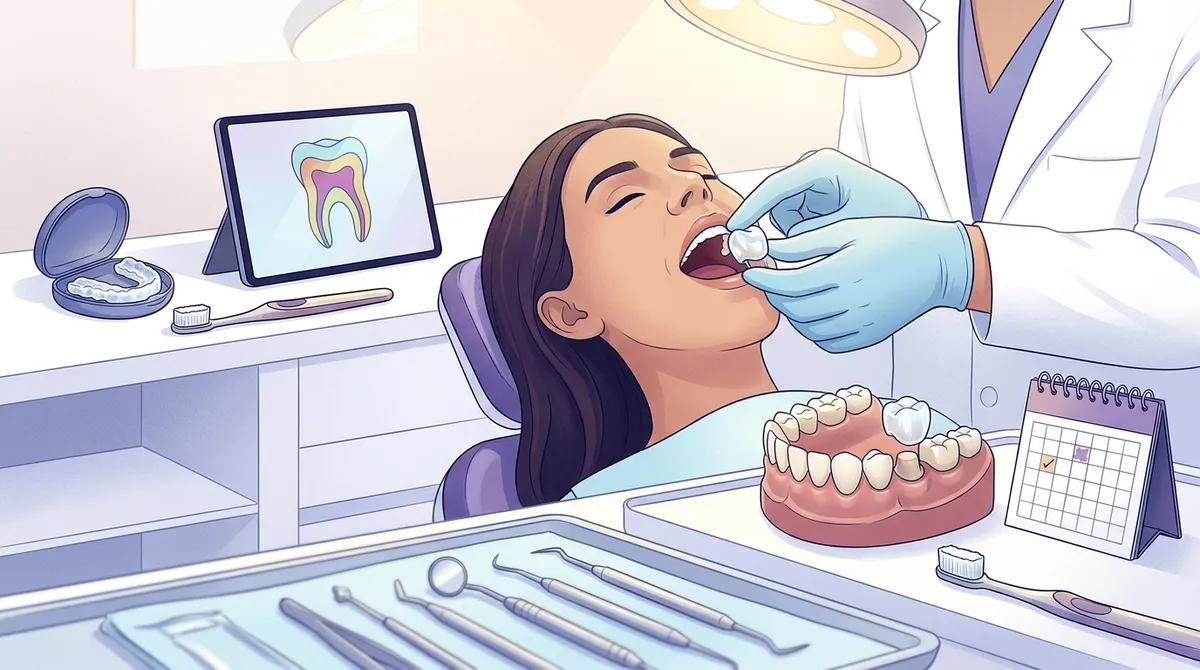
A dental crown is a custom-made tooth-shaped cap that covers damaged or weakened teeth to restore shape, size, strength, and appearance, protecting the entire visible tooth surface down to the gum line.
-
Same-day ceramic crowns use advanced digital technology to design and place permanent crowns in a single visit, eliminating temporary crowns and multiple office trips compared to traditional 2-3 week processes.
-
Crown material choice significantly impacts appearance and durability—ceramic crowns look most natural and work for any tooth location, while metal crowns are exceptional for back molars but very noticeable.
-
Poor aftercare habits like grinding teeth, skipping flossing, chewing hard foods, and missing dental checkups are the leading causes of crown failure; gentle brushing twice daily and wearing a nightguard are essential.
-
Most dental insurance plans cover 50-80% of medically necessary crowns, but patients must check benefits beforehand to avoid surprise bills and understand coverage variations for cosmetic or implant-based crowns.
-
If your crown falls off, keep it safe, avoid chewing on that side, use temporary dental cement as a short-term fix, and call your dentist immediately—prompt action can often allow reattachment.
If you’ve ever been told you need a dental crown, you probably had a million questions swirling around in your head. What exactly is a dental crown? Does it hurt? How long will it last? You’re not alone — dental crowns are one of the most common dental procedures, yet most people don’t fully understand them until they’re sitting in the chair. The good news? Understanding what a dental crown is — and what mistakes to avoid — can make your whole experience smoother, faster, and way less stressful. Whether you’re a first-timer or you’ve had a crown before, this friendly guide is here to help you get it right from the start. Let’s dive into the 9 most common dental crown mistakes and how to steer clear of every single one of them.
What Is a Dental Crown, Anyway?
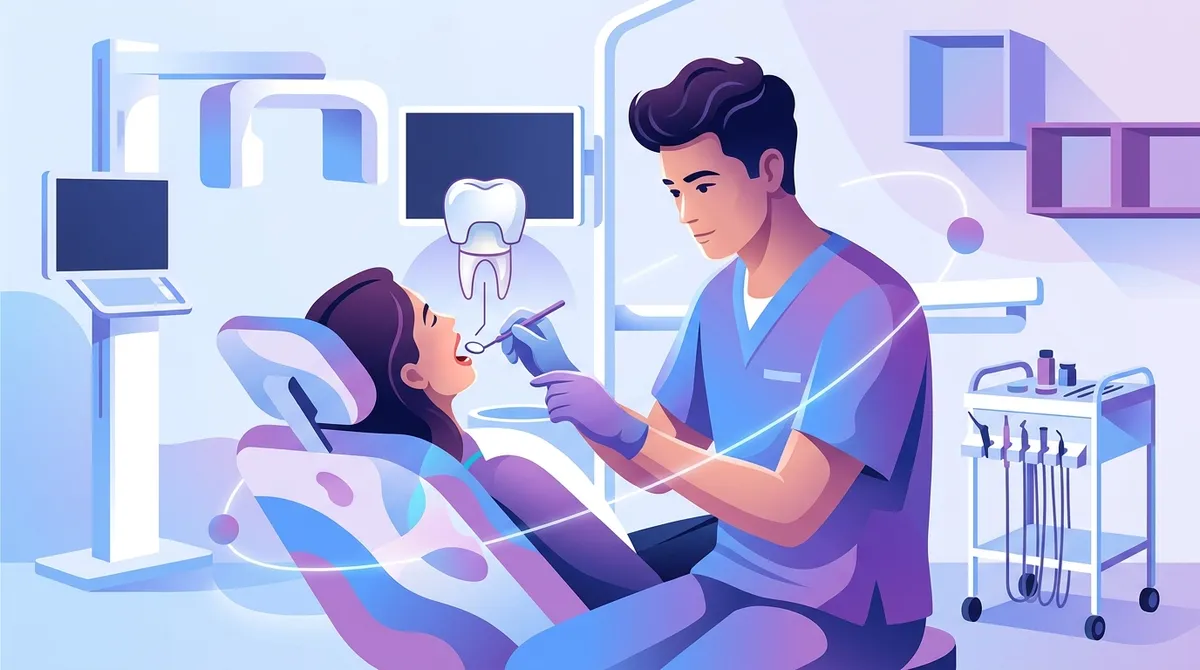
A dental crown is a tooth-shaped cap that fits over a damaged, weakened, or decayed tooth. Think of it like a protective helmet for your tooth. It covers the entire visible surface of the tooth — right down to the gum line. Crowns restore a tooth’s shape, size, strength, and appearance. They’re custom-made to blend in naturally with the rest of your smile.
Dental crowns are used in a wide range of situations. According to the American Dental Association, crowns are recommended when a tooth is too damaged for a simple filling but doesn’t yet need to be removed. They’re also used to protect teeth after root canals, cover dental implants, and even improve the appearance of teeth. If you want to learn more, check out this helpful resource on what is a dental crown and restoring your smile.

Mistake 1: Ignoring the Signs You Need a Crown
One of the biggest mistakes people make is waiting too long. If your tooth is cracked, severely decayed, or broken, putting off treatment only makes things worse. Pain when chewing, sensitivity to hot and cold, or a visible crack are all signs you should get checked out right away.
The longer you wait, the more damage can spread. What might have been a simple crown procedure could turn into a root canal or even a tooth extraction. Learn more about who needs a dental crown and key signs you might be a candidate so you can act quickly.
Mistake 2: Not Understanding What Type of Crown You’re Getting
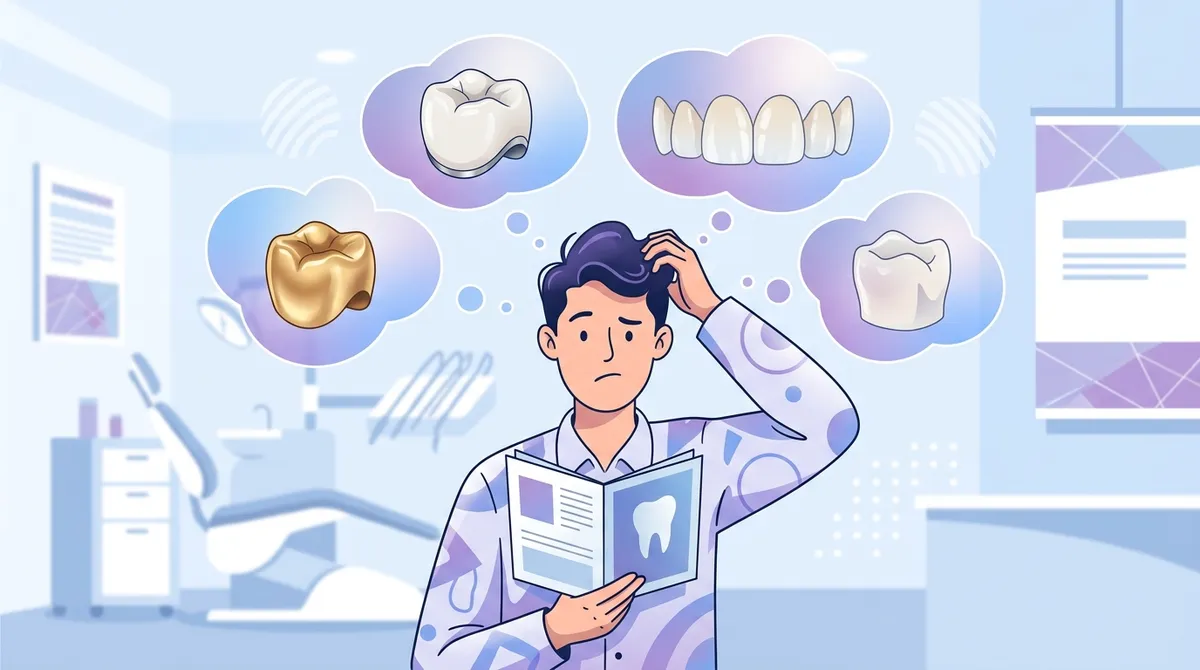
Not all crowns are created equal. There are several types — metal, porcelain-fused-to-metal, all-ceramic, and more. Each material has its pros and cons depending on where the tooth is located and what your needs are.
| Crown Material | Appearance | Durability | Best For |
|---|---|---|---|
| All-Ceramic (Porcelain) | Most natural-looking | Very good | Front and back teeth |
| Porcelain-Fused-to-Metal | Good, but metal line may show | Excellent | Back teeth |
| Metal (Gold/Silver) | Very noticeable | Exceptional | Back molars |
| Zirconia | Natural-looking | Outstanding | All teeth |
At Dental Theory, only ceramic crowns are placed — because they look the most natural and are gentle on surrounding teeth. You can explore more about which dental crown material is best for you to feel confident going into your appointment.
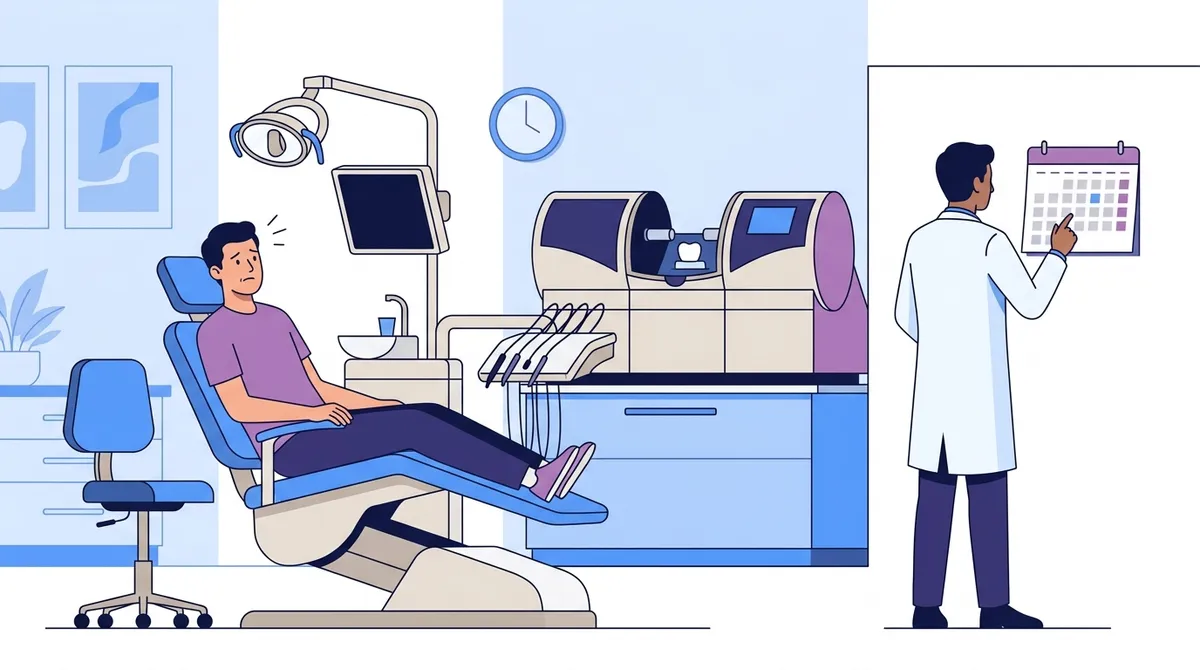
Mistake 3: Choosing a Dentist Without Same-Day Crown Capability
Traditional crown procedures require multiple visits — one to prepare the tooth and take impressions, then another to place the permanent crown. In the meantime, you’re stuck wearing a temporary crown that can fall off or feel uncomfortable. That’s a lot of extra trips and stress.
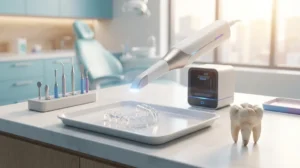
Dr. K at Dental Theory offers same-day crowns using advanced technology, so your crown is designed, milled, and placed in a single visit. No temporary crown. No waiting weeks. Just a beautiful, permanent crown in one appointment. Read more about same-day crowns in Brandon and why patients love this option.
Mistake 4: Skipping the Root Canal Conversation
Many people don’t realize that a crown and a root canal often go hand in hand. If the inner part of your tooth (the pulp) is infected or badly damaged, a root canal may be needed before a crown is placed. Skipping this step can leave bacteria trapped inside — leading to pain, infection, and crown failure.
Always ask your dentist whether a root canal is recommended before your crown is placed. Check out this helpful guide on dental crowns and root canals: what you need to know for the full picture.
Mistake 5: Ignoring Your Insurance Benefits
Dental crowns can be a significant investment, but most insurance plans offer at least partial coverage. One of the biggest mistakes patients make is not checking their benefits beforehand — and then being shocked at the bill.
| Insurance Scenario | Typical Coverage | What You Might Pay |
|---|---|---|
| Crown deemed medically necessary | 50% – 80% | 20% – 50% of crown cost |
| Cosmetic-only crown | 0% – 20% | Most or all of crown cost |
| Crown after root canal | 50% – 80% | 20% – 50% of crown cost |
| Crown on implant | 0% – 50% | 50% – 100% of crown cost |
Always review your insurance plan details before your appointment. Also, check out this article on 5 insurance mistakes that cost you on dental crowns so you don’t leave money on the table.
Mistake 6: Not Knowing How Crowns Are Attached
A lot of patients are surprised to learn how a crown actually stays in place. Before placement, the dentist reshapes the natural tooth by removing a small layer of enamel. This creates a solid foundation for the crown to bond onto. Then dental cement is used to permanently secure the crown in place.
Understanding this process helps you know what to expect and why it matters to have an experienced dentist. Read this full breakdown: how are crowns attached to teeth — a complete guide to dental crown procedures.
Mistake 7: Poor Aftercare Habits
Getting a crown doesn’t mean you can forget about that tooth. Crown failure is often caused by poor oral hygiene and bad habits — things like grinding your teeth, chewing ice, or skipping flossing. Your crown might be strong, but the tooth underneath still needs care.
Here are some aftercare habits to build right away:
- Brush gently twice a day with a soft-bristled toothbrush
- Floss carefully around the base of the crown every day
- Avoid hard or sticky foods that can crack or dislodge the crown
- Wear a nightguard if you grind your teeth while sleeping
- Visit your dentist every six months for checkups and cleanings
- Rinse with an antibacterial mouthwash to protect gum tissue around the crown
For a full breakdown of how to protect your investment, read how to care for a dental crown and make it last.
Mistake 8: Panicking When a Crown Falls Off
It happens more often than you’d think. A crown can come loose due to decay under the crown, weakened cement, or biting down on something hard. If your crown falls off, don’t panic — and definitely don’t ignore it.
Here’s what to do right away:
- Find the crown and keep it safe in a small container or plastic bag
- Clean the exposed tooth gently with a soft toothbrush
- Avoid chewing on that side of your mouth
- Use temporary dental cement (available at pharmacies) as a short-term fix
- Call your dentist immediately to schedule an emergency appointment
Get the full guide on what to do when your crown falls off and whether it can be reattached. You can also read about my crown fell off — what do I do for step-by-step guidance.
Mistake 9: Not Asking About Same-Day Crowns
Many patients don’t even know same-day crowns exist until after they’ve already gone through the long, multi-visit process. If you’re about to start a crown procedure, ask your dentist up front whether same-day crowns are available. The technology has come a long way, and it can save you time, discomfort, and multiple office trips.
| Feature | Same-Day Crown | Traditional Crown |
|---|---|---|
| Number of visits | 1 | 2–3 |
| Temporary crown needed | No | Yes |
| Wait time for permanent crown | Same day | 2–3 weeks |
| Fit accuracy | Digital precision | Impression-based |
| Comfort during process | High | Moderate |
At Dental Theory in Brandon, FL, Dr. K uses the latest same-day crown technology to give you a perfect fit in just one visit. Curious how the process works? Read this detailed guide: what are same-day crowns — benefits and process explained.
How Long Do Dental Crowns Last?
A well-placed crown can last anywhere from 10 to 30 years. The lifespan depends on the material, how it’s cared for, and your oral habits. Ceramic crowns are a great long-term investment when properly maintained.
Here are the top factors that affect crown longevity:
- The material the crown is made from
- How well you maintain your oral hygiene at home
- Whether you grind or clench your teeth
- The skill and experience of your dentist
- Whether you attend regular dental checkups
For a deeper dive into this topic, visit how long do dental crowns last — what you need to know.
Why Dental Theory Is Brandon’s Go-To for Crowns
Dental Theory isn’t just any dental office. It’s a warm, welcoming, family-focused practice where both kids and adults feel right at home. Dr. K specializes in adult and cosmetic dentistry, including same-day ceramic crowns that look completely natural. You’ll never need to come back for a second appointment just to get your crown — everything is done in one comfortable visit.
The team at Dental Theory uses only the highest quality ceramic materials, advanced digital scanning, and in-office milling technology. Visit us on Google — Dental Theory to read what real patients are saying about their crown experience. And if you’re ready to get started, you can easily schedule an appointment online in just a few clicks.
We also know that dental care is just one part of overall wellness. Patients who want to feel their absolute best before and after procedures often enjoy services like Mobile Area Massage of Tampa Bay for relaxation and recovery support. And if you want your home looking as great as your smile, the team at Buckhorn Power Wash provides excellent exterior cleaning services for Brandon-area homes.
Quick Reference: Dental Crown Do’s and Don’ts
Here’s a simple list to keep handy before, during, and after your crown procedure:
- Do ask about same-day crown options before starting treatment
- Do review your insurance benefits before your appointment
- Do follow all aftercare instructions from your dentist
- Do wear a nightguard if you grind your teeth
- Don’t ignore signs that your tooth needs a crown
- Don’t assume all crown materials are the same
- Don’t skip follow-up appointments after crown placement
- Don’t chew hard foods on a brand-new crown
- Don’t panic if your crown falls off — just call your dentist right away
Conclusion: Start Your Crown Journey the Right Way
Now you know exactly what a dental crown is — and more importantly, what mistakes to avoid. Crowns are a powerful, proven solution for damaged teeth. When done right, they can restore your smile, protect your tooth, and last for decades. The key is choosing the right dentist, asking the right questions, and taking care of your crown after it’s placed.
If you’re in the Brandon, FL area and wondering whether a dental crown is right for you, the friendly team at Dental Theory is ready to help. Reach out to Dental Theory today to schedule your consultation with Dr. K and find out if a same-day ceramic crown is the perfect fit for your smile. Your best smile is just one visit away!
FAQs
Q: What is a dental crown and how does it work?
A: A dental crown is a custom-made cap that fits over a damaged or weakened tooth to restore its shape, size, strength, and appearance. It works by covering the entire visible surface of the tooth down to the gum line, protecting it from further damage while giving you a natural-looking smile. Think of it as a cozy little helmet for your tooth!
Q: How long does it take to get a dental crown?
A: Traditional crowns typically require two or more visits spread over a few weeks, but with same-day crown technology, you can walk out with a permanent crown in just one visit! At Dental Theory in Brandon, FL, Dr. K uses advanced in-office milling technology to design and place your crown the very same day — no temporary crown needed.
Q: Does getting a dental crown hurt?
A: The procedure itself is performed with local anesthesia, so you shouldn’t feel pain during the appointment. Some mild sensitivity or soreness around the treated tooth is normal for a few days afterward, but it typically fades quickly. Most patients are pleasantly surprised by how comfortable the whole experience is!
Q: How do I know if I need a dental crown?
A: Common signs you may need a crown include a cracked or broken tooth, severe tooth decay that can’t be fixed with a filling, pain when biting or chewing, a tooth that has had a root canal, or a tooth with a large old filling that’s failing. The best way to know for sure is to visit your dentist for an evaluation — they’ll let you know exactly what your tooth needs.
Q: Can a dental crown fall off, and what should I do if it does?
A: Yes, a crown can occasionally come loose due to normal wear, decay under the crown, or biting something hard. If it happens, don’t panic! Keep the crown safe, avoid chewing on that side, and call your dentist right away to get it re-cemented or replaced. The sooner you act, the better the outcome for your tooth.