Key Takeaways
-
Use a soft-bristled toothbrush at a 45-degree angle and brush gently in circular motions for at least two minutes, focusing on the crown margin where it meets the gum—this is where plaque accumulates and causes the most damage.
-
Floss daily by curving the floss in a C-shape around the crown base and sliding it gently below the gum line, then remove it sideways instead of pulling upward to prevent accidental dislodging of a properly cemented crown.
-
Avoid abrasive whitening toothpastes and hard-bristled brushes that can scratch ceramic crowns; instead use non-abrasive fluoride toothpaste to protect both the crown surface and the tooth structure underneath.
-
The tooth root and gum tissue around a crown remain alive and vulnerable to plaque buildup, gum disease, and decay at the crown margin if oral hygiene is neglected—daily brushing and flossing are essential, not optional.
-
Seek immediate professional care if you notice a loose or wiggly crown, sharp pain while biting, swollen or bleeding gums, or a dark line at the gum line, as these are signs of potential crown failure or underlying decay.
-
Maintain regular professional dental cleanings every six months, wear a night guard if you grind your teeth, and avoid sticky candy and hard foods that can loosen cement or damage the crown over time.
Getting a dental crown is a big deal. It protects your tooth and restores your smile. But once it’s in place, a common question comes up: How do I take care of it? Specifically, people want to know the right way to handle brushing and flossing with a crown. The good news? It’s not complicated. With a few simple habits, your crown can last for many years. In this guide, we’ll walk you through everything you need to know — from the right tools to use, to the common mistakes to avoid. Whether you just got a same-day crown or had one placed years ago, these tips will help you keep it in great shape. Let’s get into it!
Why Oral Hygiene Still Matters With a Crown
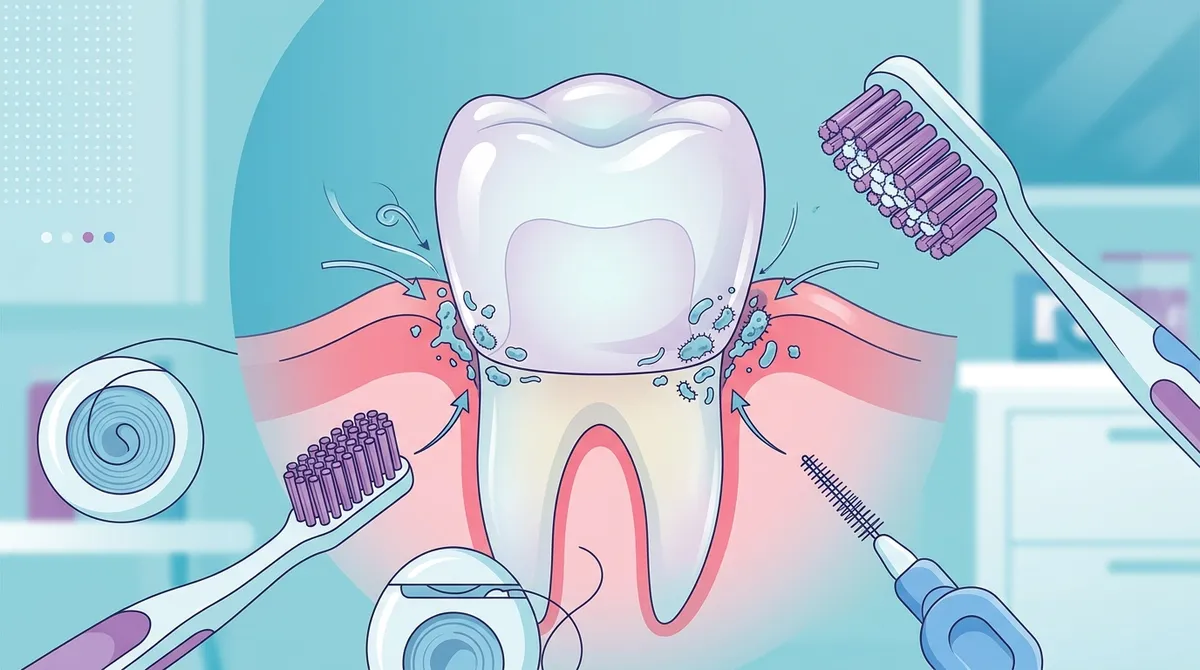
Many people assume that once a crown is placed, they don’t need to worry about that tooth anymore. That’s a common myth — and it can actually cause real problems. A crown protects the visible part of your tooth, but the root and the gum tissue around it are still very much alive. Neglecting to brush and floss around a crown can lead to gum disease, decay at the crown margin, and even crown failure.
According to dental health professionals, plaque builds up around crowns just like natural teeth. If that plaque isn’t removed daily, it can cause inflammation and infection. So brushing and flossing with a crown isn’t just helpful — it’s essential. Want to learn more about how long dental crowns last? Proper hygiene is one of the biggest factors.
The Right Way to Brush Around a Dental Crown
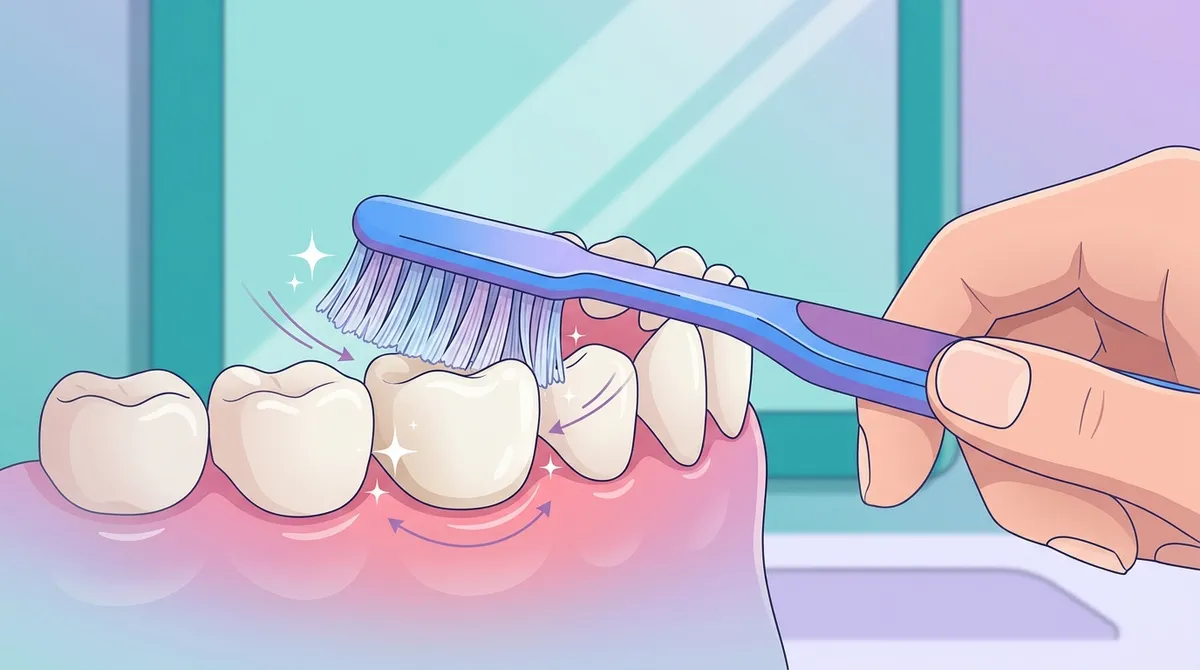
Brushing a crowned tooth is very similar to brushing a natural tooth. But there are a few things to keep in mind so you don’t damage the crown or the surrounding gum tissue.
Step-by-Step Brushing Technique for Crowns
- Use a soft-bristled toothbrush. Hard bristles can scratch ceramic crowns and irritate the gums around them.
- Apply a small amount of fluoride toothpaste. Fluoride helps protect the tooth structure under and around the crown.
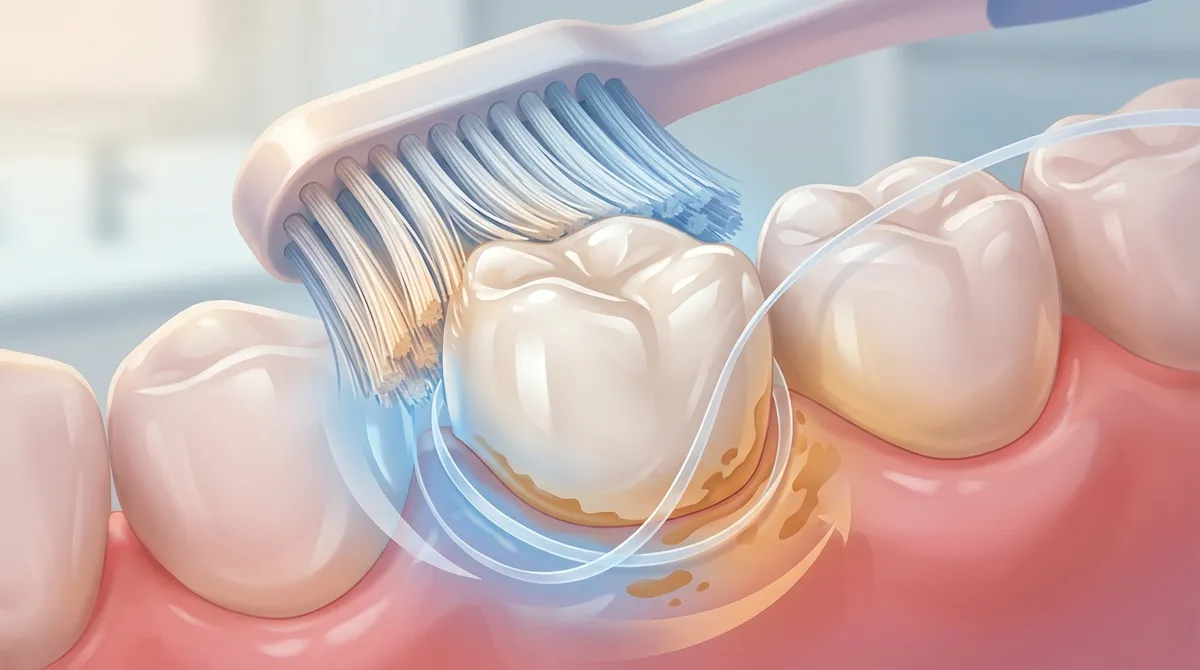
- Hold your brush at a 45-degree angle. Point the bristles toward the gum line where the crown meets the gum. This is where plaque loves to hide.
- Brush gently in small circular motions. Don’t scrub hard. Gentle pressure is enough to remove plaque effectively.
- Brush for at least two minutes. Make sure you spend time on every surface — front, back, and chewing surface.
- Rinse thoroughly. Spit out all the toothpaste and rinse with water.
You can also consider an electric toothbrush. Many dentists recommend them because they are more effective at removing plaque. Check out this helpful read on whether electric toothbrushes are better than manual ones to help you decide.
What to Avoid When Brushing a Crown
- Don’t use abrasive whitening toothpastes — they can scratch the ceramic surface
- Don’t brush too hard — this can wear down the gum tissue
- Don’t skip brushing just because the crown is artificial — the gum and root still need care
- Don’t use a hard or medium bristle brush — always choose soft
How to Floss Around a Dental Crown
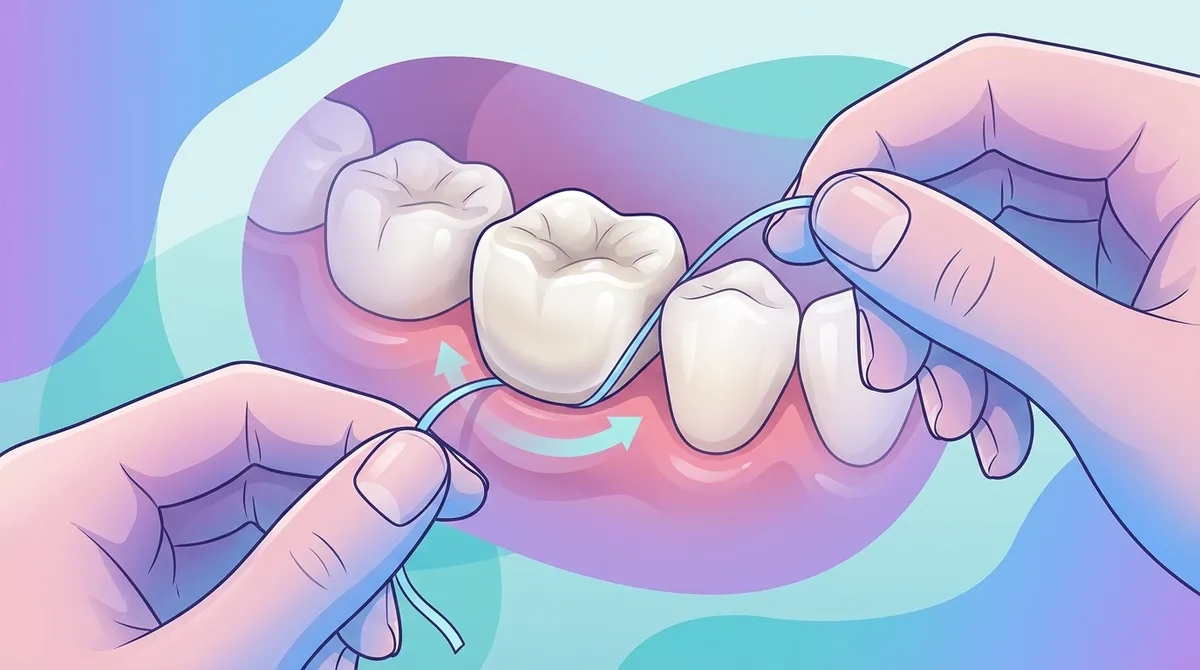
Flossing is where most people struggle. Some worry they’ll pull the crown off. Others aren’t sure how to navigate tight spaces. The truth is, flossing around a crown is safe — and very important. The area where the crown meets the gum is a prime spot for bacteria to collect.
Step-by-Step Flossing Technique for Crowns
- Use about 18 inches of floss. Wind the ends around your middle fingers, leaving a few inches to work with.
- Gently slide the floss between your teeth. Don’t snap or force it — ease it down slowly.
- Curve the floss around the crown base. Make a “C” shape around the side of the crown and slide it up and down gently.
- Go below the gum line slightly. You want to clean the margin where the crown meets the gum — but be gentle.
- Use a clean section of floss for each tooth. Moving used floss to the next tooth just spreads bacteria.
- Repeat on the other side of the crown. Each crown has two contact points — make sure you clean both.
Many patients find caring for a dental crown much easier when they have a good flossing routine in place from day one.
Helpful Flossing Tools for Crown Care
- Floss threaders: Great for getting under crowns attached to bridges
- Water flossers (oral irrigators): Use a stream of water to clean around the crown margin — especially useful for those with dexterity challenges
- Interdental brushes: Tiny brushes that fit between teeth and around crowns
- Soft picks: Flexible rubber-tipped tools that are gentle on crowns and gums
| Flossing Tool | Best For | Crown-Friendly? |
|---|---|---|
| Traditional Floss | Standard crown care | Yes ✓ |
| Floss Threader | Crowns on dental bridges | Yes ✓ |
| Water Flosser | Sensitivity or tight spaces | Yes ✓ |
| Interdental Brush | Wide gaps around crowns | Yes ✓ |
| Toothpick | Not recommended for crowns | No ✗ |
Special Considerations After Getting a New Crown
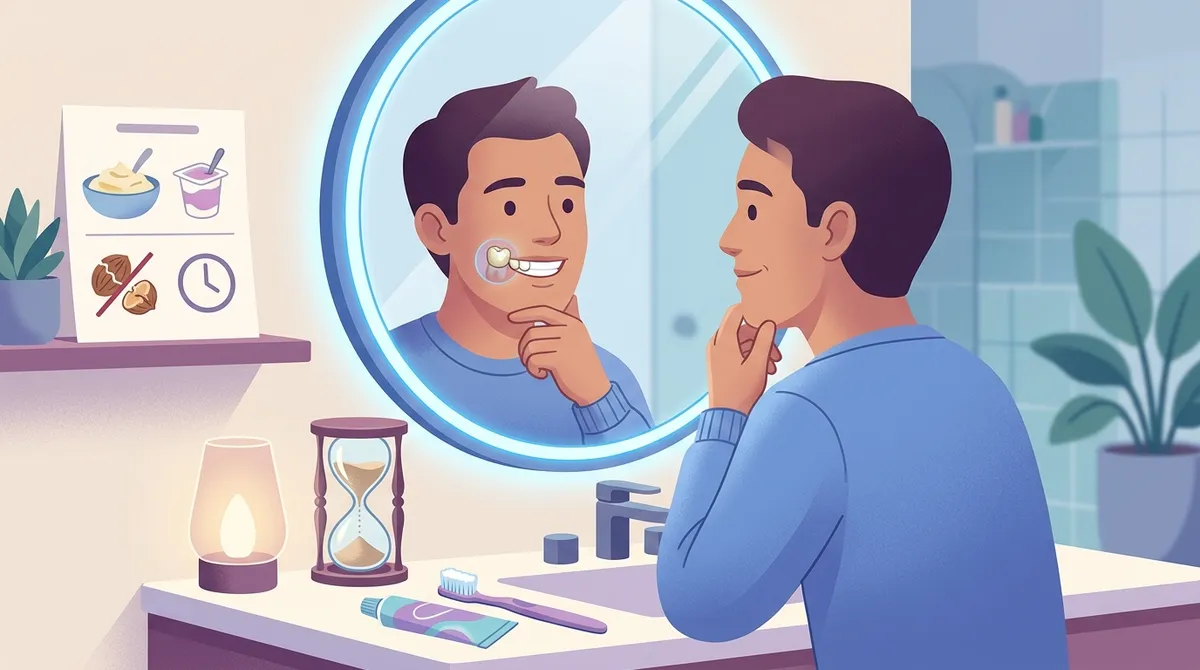
If you just had a crown placed — including a same-day crown in Brandon — there are a few extra things to keep in mind during the first few days.
Brushing and Flossing After a New Crown Placement
- You can start brushing normally the same day the crown is placed
- Be extra gentle near the crown margins for the first week
- When flossing a new crown, slide the floss out sideways instead of pulling it up — this prevents accidental dislodging
- Avoid very sticky or hard foods for at least a few days
- If your gums feel sore, a warm saltwater rinse can help reduce inflammation
If you’re ever unsure whether a new crown has settled properly, it’s always smart to reach out to your dental team for a quick check. It’s better to ask than to worry.
Crown Care: Daily Routine Comparison
| Hygiene Task | Natural Tooth | Crowned Tooth |
|---|---|---|
| Brushing frequency | Twice daily | Twice daily |
| Flossing frequency | Once daily | Once daily |
| Toothbrush type | Soft-bristled | Soft-bristled |
| Toothpaste type | Fluoride | Non-abrasive fluoride |
| Special concern | General decay prevention | Crown margin care |
| Professional cleaning | Every 6 months | Every 6 months |
Common Crown Hygiene Mistakes to Avoid
Even well-meaning patients sometimes make mistakes when caring for their crowns. Here are the most common ones — and how to fix them.
- Skipping flossing out of fear. Many people are afraid they’ll pull the crown loose. As long as you floss gently and slide it out sideways (not upward), you won’t dislodge a properly cemented crown.
- Using teeth-whitening toothpaste on crowns. Whitening pastes are abrasive and can dull the finish on ceramic crowns. Use a regular fluoride paste instead.
- Ignoring gum soreness near the crown. If your gums are consistently red or bleeding near the crown, that’s a sign of inflammation. Don’t ignore it — it often means plaque buildup at the crown margin.
- Grinding teeth at night without a guard. Bruxism puts serious stress on crowns. Ask your dentist about a night guard if you grind. See more about teeth grinding causes and cures for guidance.
- Not getting regular professional cleanings. Even the best home care isn’t a substitute for professional teeth cleanings every six months.
Foods That Can Affect Your Crown and Hygiene Routine
What you eat plays a role in how easy it is to keep your crown clean. Certain foods are harder to brush and floss away — and some can even damage your crown over time.
| Food Type | Effect on Crown | Recommendation |
|---|---|---|
| Sticky candy / caramel | Can loosen cement or pull crown | Avoid or limit |
| Hard foods (ice, nuts) | Can chip or crack ceramic | Chew carefully |
| Sugary drinks | Promotes plaque at crown margin | Rinse with water after |
| Crunchy vegetables | Generally safe | Enjoy freely |
| Coffee / tea | Can stain over time | Brush soon after or rinse |
For a more detailed list, check out 10 foods to avoid with crowns — it’s packed with practical advice for everyday eating.
When to Call Your Dentist About Your Crown
Great brushing and flossing habits go a long way. But there are some situations where you need to see a professional right away. Don’t wait if you notice any of the following.
- The crown feels loose or wiggly
- You feel sharp pain when biting or chewing
- The crown fell off completely
- Gums around the crown are swollen, bleeding, or have a bad smell
- A dark line appears at the gum line around the crown
If your crown falls off, don’t panic. Read about whether a fallen crown can be reattached for immediate next steps. And if you notice a black line at the gum around the crown, that’s a sign you should get it checked out soon.
How Dental Theory Supports Your Crown Care
At Dental Theory in Brandon, FL, Dr. K uses only high-quality ceramic crowns — including same-day options so you never have to make multiple visits. He takes the time to walk each patient through post-placement care, so you always leave the office knowing exactly how to protect your new crown. Whether you’re getting your first crown or replacing an old one, the team at Dental Theory makes the process smooth and stress-free. You can schedule an appointment online anytime.
The practice is proud to serve families across Brandon with comprehensive general dentistry and cosmetic dentistry services. Visit us on Google to read reviews from real patients who love the care they’ve received.
Quick Crown Hygiene Checklist
Here’s a simple daily and weekly checklist you can follow to keep your crown healthy for years to come.
Daily Habits
- ✅ Brush twice a day with a soft-bristled toothbrush
- ✅ Use non-abrasive fluoride toothpaste
- ✅ Floss once a day — gently around the crown margin
- ✅ Rinse with an antibacterial mouthwash
- ✅ Drink water after sugary or acidic foods or drinks
Weekly and Monthly Habits
- ✅ Check for any changes in gum color or texture around the crown
- ✅ Replace your toothbrush every 3 months
- ✅ Schedule a professional dental cleaning every 6 months
- ✅ Ask your dentist if a night guard is needed
Sticking to these habits will protect not just your crown, but your overall oral health too. You can also explore 7 oral hygiene mistakes you’re probably making right now for more tips on keeping your whole mouth healthy. And visit us on Facebook to stay connected with the Dental Theory community for ongoing tips and updates.
Conclusion
Taking care of a crown isn’t complicated — but it does require consistency. Brushing and flossing with a crown every day is the single best thing you can do to protect your investment and maintain a healthy smile. Use a soft brush, a gentle fluoride toothpaste, and floss carefully around the crown margin daily. Avoid abrasive products and sticky foods that can put your crown at risk. And don’t forget those regular professional cleanings — they make a huge difference.
Your crown deserves the same attention as the rest of your smile. With a little effort each day, it can last for 10 to 15 years or even longer. Ready to take the next step in your dental health journey? Reach out to the Dental Theory team in Brandon, FL — we’re here to help you smile with confidence every single day.
FAQs
Q: Can I floss with a dental crown without pulling it off?
A: Absolutely! Flossing is totally safe with a properly cemented crown. Just slide the floss gently out to the side instead of pulling it straight up — that simple trick keeps your crown right where it belongs while still cleaning the area thoroughly.
Q: What kind of toothpaste should I use on a dental crown?
A: Stick with a regular, non-abrasive fluoride toothpaste. Whitening toothpastes can scratch the surface of ceramic crowns over time, dulling their appearance. A gentle fluoride formula keeps both the crown and the tooth underneath protected.
Q: How often should I brush and floss around my crown?
A: The same rules apply as your natural teeth — brush twice a day and floss once a day! Consistent daily care is the best way to prevent gum disease and decay from forming at the crown margin, keeping your crown healthy for many years.
Q: Is it normal for my gums to be sore after a new crown is placed?
A: A little soreness in the first day or two is completely normal as your gums settle around the new crown. A warm saltwater rinse can help soothe things up. If soreness lasts more than a week or gets worse, give your dentist a call — it’s always better to check!
Q: Do I still need professional cleanings if I have a dental crown?
A: Yes, definitely! Professional cleanings every six months are just as important when you have a crown as they are for natural teeth. Your hygienist can clean areas that are hard to reach at home and spot any early issues around the crown before they become bigger problems.