Key Takeaways
-
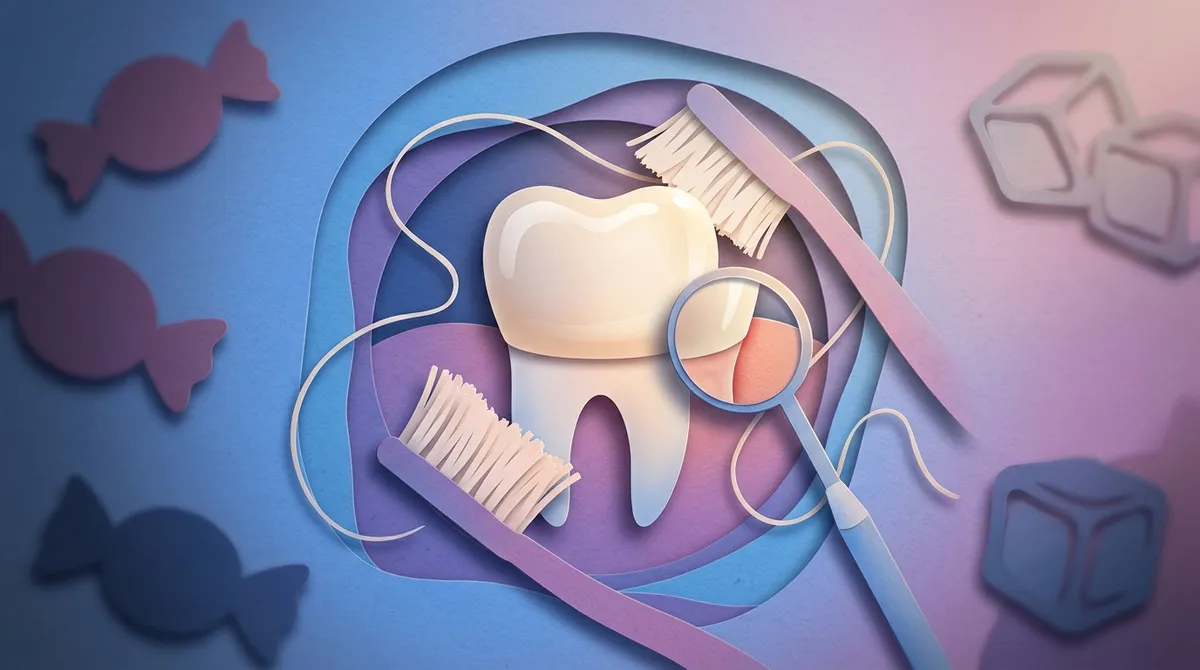
Brush twice daily with a soft-bristled toothbrush using gentle circular motions, especially around the gumline where the crown meets your tooth, to prevent plaque buildup in this critical area.
-
Floss daily using a gentle C-shape sliding motion around the crown—avoid snapping floss as it won't loosen a properly cemented crown but will remove decay-causing plaque at the crown margins.
-
Use only non-abrasive, fluoride toothpaste and avoid whitening toothpastes with harsh abrasives, as they can scratch ceramic crowns and won't whiten them anyway.
-
Avoid hard foods (ice, nuts, candies), sticky foods (caramel, taffy), and using your teeth as tools, as these can crack, chip, or loosen crowns prematurely.
-
Visit your dentist every six months for professional cleanings and crown inspections, as tartar buildup around the crown base can lead to gum disease and premature crown failure.
-
If you grind your teeth at night, ask your dentist for a custom-fitted night guard, as untreated grinding significantly shortens crown lifespan by applying extreme pressure.
You just got a dental crown — congrats on protecting your smile! Whether it was a same-day crown or a planned restoration, the work isn’t over yet. How you care for it from this point forward makes a huge difference. A well-maintained crown can last 10 to 15 years or more. A neglected one? Not so much. The good news is that learning how to care for a dental crown is easier than you think. With a few simple daily habits and a little know-how, your crown will stay strong and beautiful for years to come. In this guide, we’ll walk you through everything you need to know — from brushing tips to foods to avoid — so you feel confident and informed every step of the way.
What Is a Dental Crown and Why Does It Need Special Care?
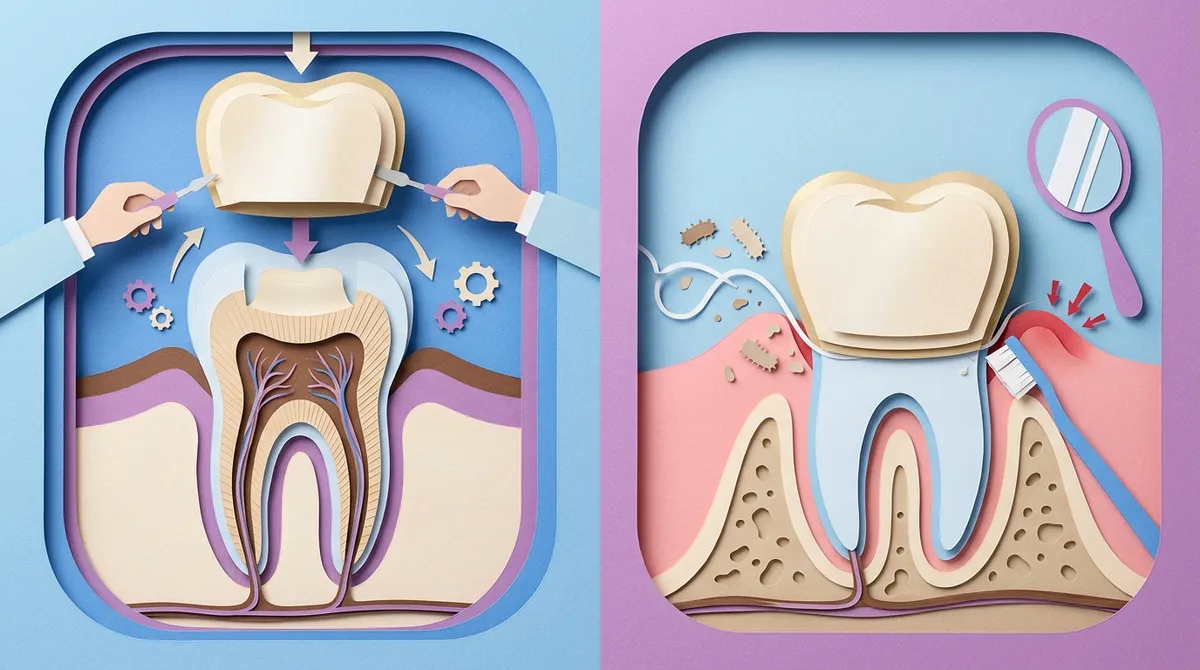
A dental crown is a cap placed over a damaged, decayed, or weakened tooth. It restores the tooth’s shape, strength, and appearance. At Dental Theory in Brandon, FL, Dr. K places ceramic crowns that look and feel completely natural. He also offers same-day crowns — so you walk in and walk out with a finished crown in a single visit. No temporary crowns, no waiting weeks.
Even though crowns are strong, they aren’t invincible. The tooth underneath the crown can still get cavities. The gum line around the crown needs to stay healthy too. That’s why good crown care is about more than just the crown itself — it’s about protecting the whole area.
How to Care for a Dental Crown: Step-by-Step Daily Routine
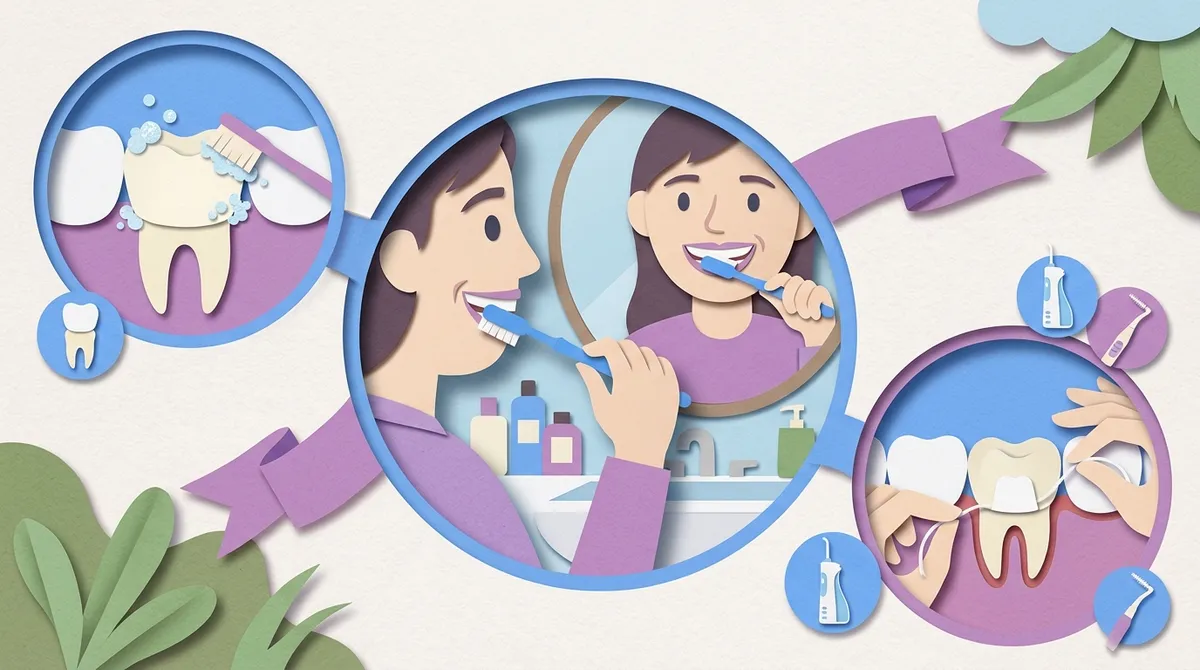
Here’s the simple daily routine that will keep your crown in great shape. Think of it as just a slight upgrade to your normal oral hygiene habits.
Step 1: Brush Gently Twice a Day
Use a soft-bristled toothbrush and brush at least twice a day. Be gentle around the crown, especially where it meets the gumline. This area can trap plaque if you’re not careful. A gentle circular motion works best. Avoid scrubbing too hard — it won’t clean better and can wear down your gums over time. If you want to learn more, check out this guide on how long you should brush your teeth.
Step 2: Floss Every Single Day
Flossing is non-negotiable when you have a crown. Plaque loves to collect between teeth, and the area around your crown is no exception. Use a gentle C-shape motion when flossing around the crown. Slide the floss in carefully and pull it out to the side — don’t snap it. Water flossers are also a great tool, especially if you find regular floss tricky near your crown.
Step 3: Use a Non-Abrasive Toothpaste
Some toothpastes are too gritty and can scratch or dull ceramic crowns over time. Look for a toothpaste labeled “gentle” or “non-abrasive.” Fluoride toothpaste is a smart choice because it helps protect the edges of the crown where your natural tooth is still exposed. Avoid whitening toothpastes with harsh abrasives — they won’t whiten your crown anyway, and they can cause unnecessary wear.
Step 4: Rinse with an Antiseptic Mouthwash
A daily antibacterial mouthwash rinse adds an extra layer of protection. It reaches areas your brush and floss may miss. Rinsing before bed is especially helpful because bacteria tend to multiply overnight. Look for an alcohol-free formula if you have sensitivity concerns.
- Brush twice daily with a soft toothbrush and fluoride toothpaste
- Floss daily using a gentle sliding motion around the crown
- Use non-abrasive toothpaste to protect the ceramic surface
- Rinse with antiseptic mouthwash to reduce bacteria buildup
- Visit your dentist regularly for cleanings and crown checks
Foods and Habits to Avoid With a Dental Crown
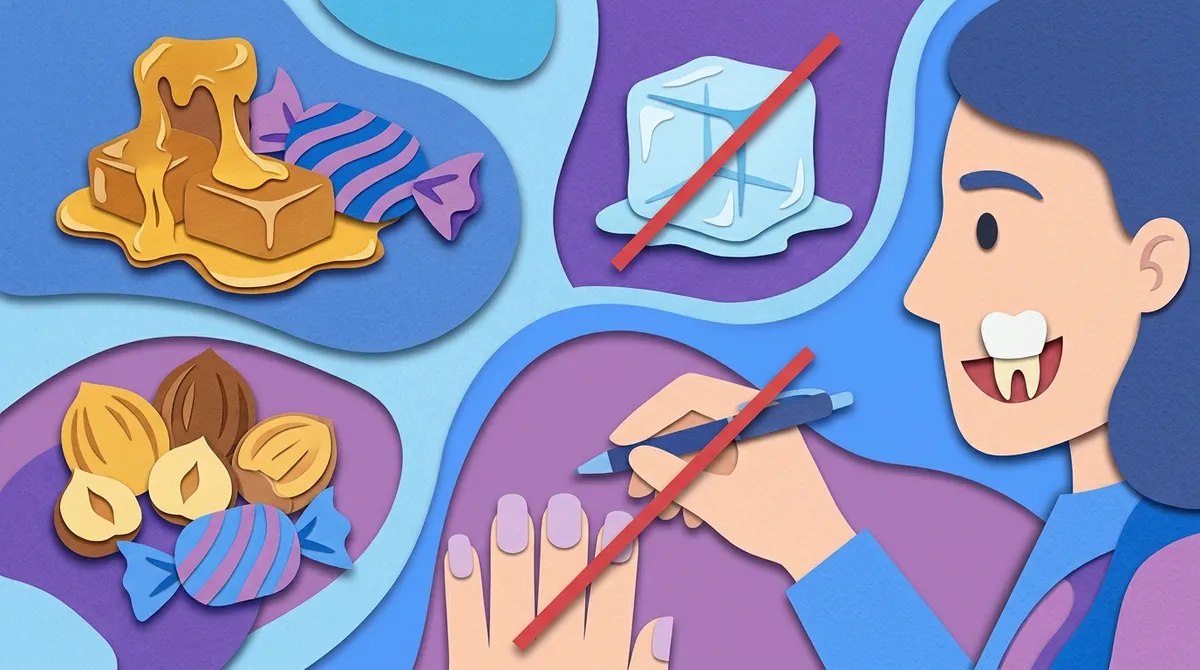
What you eat and how you use your teeth matters a lot when you have a crown. Some habits can loosen, crack, or damage a crown faster than you’d expect. Here’s what to watch out for:
- Hard foods: Ice, hard candies, and raw nuts can crack or chip even strong ceramic crowns
- Sticky foods: Caramel, taffy, and gummy candies can pull at a crown and loosen it
- Grinding your teeth: If you grind at night, ask your dentist about a night guard
- Chewing on non-food items: Pens, fingernails, and bottle caps are a crown’s worst enemy
- Using your teeth as tools: Never use your crowned tooth to tear open packaging
If you’re a nighttime grinder, this is especially important. Grinding puts extreme pressure on crowns and can shorten their lifespan significantly. A custom-fitted night guard is a simple and affordable solution. Ask about it at your next visit — you can also reach out to Dental Theory to discuss options.

What to Expect After Getting a New Crown
The first few days after getting a crown can feel a little different. That’s completely normal! Here’s what you might notice and what it means:
| Symptom | What It Means | What To Do |
|---|---|---|
| Sensitivity to hot/cold | Normal adjustment period | Use sensitivity toothpaste; usually fades in 1-2 weeks |
| Mild soreness around gums | Tissue settling after procedure | Rinse with warm saltwater; contact dentist if it persists |
| Crown feels high when biting | Bite may need minor adjustment | Call your dentist — a quick fix is usually all it takes |
| Crown feels loose or moves | Cement may need reinforcement | Call your dentist right away — don’t wait |
Most symptoms after getting a crown resolve quickly. But if you’re unsure about anything, it’s always best to check in with your dental team. If you’ve experienced a loose or fallen crown, this resource on what to do when a crown falls off can help.
How Long Does a Dental Crown Last With Proper Care?
With good daily habits, ceramic dental crowns can last 10 to 15 years — and sometimes much longer. The lifespan really depends on how well you take care of it and your overall oral health. Here’s a quick breakdown of what affects crown longevity:
| Factor | Impact on Crown Life |
|---|---|
| Daily brushing and flossing | Major positive impact |
| Regular dental checkups | Helps catch issues early |
| Avoiding hard/sticky foods | Reduces risk of damage |
| Night grinding (untreated) | Significantly shortens lifespan |
| Poor oral hygiene | Increases decay and gum disease risk |
| Crown material quality | Ceramic crowns are durable and long-lasting |
Want to learn more about what affects how long crowns last? Check out this detailed guide on how long dental crowns last.
The Importance of Regular Dental Visits for Crown Maintenance
Even if your crown feels perfectly fine, routine dental visits are essential. Your dentist will check the crown for wear, look for signs of decay at the margins, and make sure your bite is still properly aligned. These visits can catch small problems before they turn into big (and expensive) ones.
Routine professional teeth cleanings also remove tartar buildup that brushing alone can’t tackle. Plaque that builds up around the base of a crown can lead to gum disease over time — and gum disease is one of the top reasons crowns fail prematurely. Visiting your dentist every six months is one of the simplest things you can do to protect your investment. You can schedule an appointment online in just a few clicks.
Crown Care Tips for Specific Situations
If You Have Multiple Crowns
Managing care for multiple crowns is the same as caring for one — consistency is key. Make sure you’re flossing between every crowned tooth, and consider using a water flosser for easier access. Talk to your dentist about whether a prescription-strength fluoride rinse might be helpful for added protection.
If Your Crown Is on a Back Molar
Back molars do the heavy lifting when you chew. That makes crown care there even more important. Be extra mindful about avoiding hard foods on that side. If you ever need a crown on a molar, ceramic options from Dental Theory are strong enough to handle everyday chewing while still looking great.
If You Had a Crown After a Root Canal
A crown placed after a root canal protects a tooth that no longer has a live nerve. These teeth can be more brittle, so the crown is doing important protective work. Be especially gentle and consistent with your oral hygiene routine. Learn more about dental crowns and root canals to understand how they work together.
Common Crown Care Mistakes to Avoid
Even people with great intentions make small mistakes with crown care. Here are the most common ones to watch for:
- Skipping flossing because they’re afraid of loosening the crown (flossing won’t do this if done correctly)
- Using teeth-whitening products that don’t work on ceramic crowns and can damage surrounding teeth
- Ignoring sensitivity that lingers beyond two weeks — that needs professional attention
- Eating sticky or hard foods right after placement when the cement is still setting
- Missing dental checkups because the crown “feels fine”
It’s also worth noting that many people don’t realize that common oral hygiene mistakes can affect crowns just as much as natural teeth. Small habits add up over time — for better or for worse!
Quick-Reference Crown Care Guide
| Task | How Often | Why It Matters |
|---|---|---|
| Brush with soft toothbrush | Twice daily | Removes plaque around the crown |
| Floss carefully | Once daily | Prevents decay at crown margins |
| Rinse with mouthwash | Once daily | Kills bacteria in hard-to-reach areas |
| Dental cleaning and checkup | Every 6 months | Professional tartar removal and crown inspection |
| X-rays | As recommended | Detects hidden decay below the crown |
Signs Your Crown May Need Attention
Even with great care, sometimes crowns need a checkup sooner than your next scheduled visit. Here are the signs to watch for:
- Sensitivity or pain that doesn’t go away after two weeks
- A crown that feels loose or wiggly
- Visible chips or cracks in the crown
- Gum swelling or bleeding around the crowned tooth
- A change in how your bite feels
Don’t wait if you notice any of these signs. Early attention almost always means a simpler fix. You can also read more about how to handle a fallen crown without damaging your tooth if something unexpected happens.
Why Dental Theory Is a Great Choice for Crown Care in Brandon, FL
At Dental Theory, Dr. K specializes in ceramic crowns and cosmetic restorations. He uses the latest technology to create same-day ceramic crowns that fit beautifully and last. No temps, no second appointments, no stress. You get the whole thing done in one visit — and the results look completely natural. You can visit us on Google to see what real patients have to say about their experience.
The team at Dental Theory is also here to guide you on proper crown care at every appointment. Whether you have questions about brushing technique, what foods to avoid, or when to come back in, we make it easy and stress-free. Visit us on Facebook to stay connected and catch helpful tips from our team.
Conclusion: Small Steps, Big Results
Caring for a dental crown doesn’t require a complicated routine. It’s really just about doing the basics consistently — brushing, flossing, watching what you eat, and showing up for your checkups. When you take care of your crown, it takes care of you. It protects your tooth, preserves your smile, and saves you from more complex dental work down the road.
If you’re in Brandon, FL, and want expert guidance on your crown or are thinking about getting one, we’d love to help. Get in touch with the Dental Theory team today to schedule your visit and take the next step toward a healthier, longer-lasting smile.
FAQs
Q: How soon can I eat normally after getting a dental crown?
A: Great news — with same-day ceramic crowns, you can usually eat fairly soon after your visit! That said, it’s smart to avoid very hard or sticky foods for the first 24 hours while everything fully sets. Your dentist will give you specific guidance based on your situation.
Q: Can I floss around a dental crown without loosening it?
A: Absolutely — and you should! Flossing around a crown is safe when done correctly. Just use a gentle sliding motion and avoid snapping the floss down hard. Skipping flossing is actually one of the biggest mistakes crown patients make, so keep it up!
Q: Will a dental crown stain like natural teeth?
A: Ceramic crowns are actually quite resistant to staining compared to natural teeth. However, the edges where the crown meets your natural tooth can still pick up color from coffee, tea, and red wine. Regular cleanings and good daily hygiene go a long way in keeping things looking bright.
Q: How do I know if something is wrong with my crown?
A: If your crown feels loose, there’s persistent sensitivity, you notice gum swelling, or your bite feels off, it’s time to call your dentist. These signs usually mean a quick fix is needed, and catching them early makes everything simpler and less costly.
Q: Do I need a special toothbrush to care for a dental crown?
A: Not a special one, but a soft-bristled toothbrush is a must! Medium or hard bristles can wear down your gums over time and may dull the surface of your ceramic crown. Soft bristles clean just as effectively and are much gentler on your restoration.