Key Takeaways
-
A dental post is a metal or fiber rod anchored in the tooth's root canal that provides internal support when insufficient natural tooth structure remains above the gumline to secure a crown.
-
Dental crowns with posts are necessary only after root canals when tooth decay or fracture has left minimal healthy structure; crowns without posts work for moderately damaged teeth with adequate remaining tooth structure.
-
The complete procedure for a crown with post involves root canal completion, post space preparation, post placement with core buildup, and crown placement—more steps than a standard crown without a post.
-
Fiber posts are aesthetically superior for front teeth as they're tooth-colored and won't show dark shadows, while metal posts offer greater strength for back teeth despite potential gum visibility issues.
-
Well-placed dental crowns with posts typically last 10-15+ years when maintained with proper oral hygiene, regular checkups, and avoidance of damaging habits like teeth grinding or ice chewing.
-
Crowns with posts cost $1,350-$2,800+ total (compared to $1,000-$1,800 without posts), with insurance coverage varying by plan—verify coverage before treatment to avoid unexpected expenses.
If your dentist just told you that you need a dental crown, you might already be feeling a little overwhelmed. And if they mentioned something about a dental crown with a post, you might be wondering what on earth that means. Don’t worry — you’re in the right place! This guide breaks it all down in plain, simple language so you can walk into your next appointment feeling confident and informed.
The truth is, not every crown is the same. Some teeth need a little extra support before a crown can be placed. That’s where a dental post comes in. Understanding the difference between a crown with a post and a crown without one can help you make sense of your treatment plan — and even ask better questions at your next visit.
Let’s dive in and compare these two options side by side so you know exactly what to expect.
What Is a Dental Crown, Anyway?
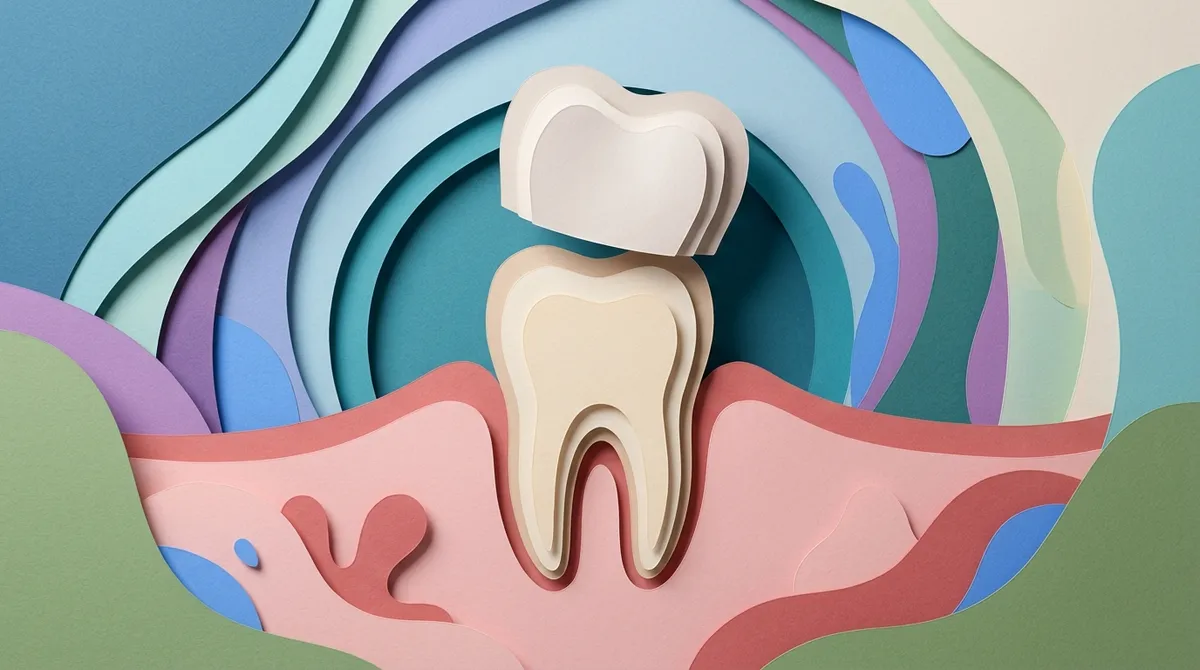
A dental crown is a tooth-shaped cap that fits over a damaged or weakened tooth. Think of it like a helmet for your tooth. It protects the tooth, restores its shape, and lets you chew normally again. Crowns are used for many reasons — cracked teeth, large cavities, teeth after root canals, and more.
To learn more about why dentists recommend them, check out this helpful read on why dentists recommend dental crowns. Crowns are one of the most common and trusted restorations in dentistry, and for good reason — they work!
What Is a Dental Post?
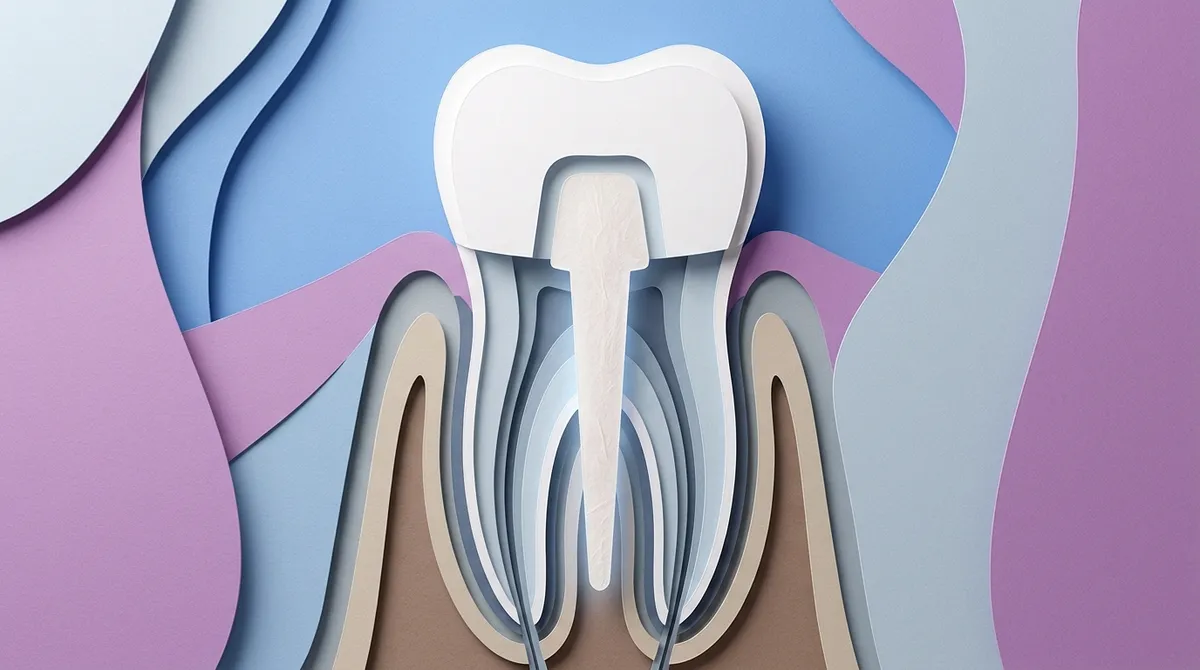
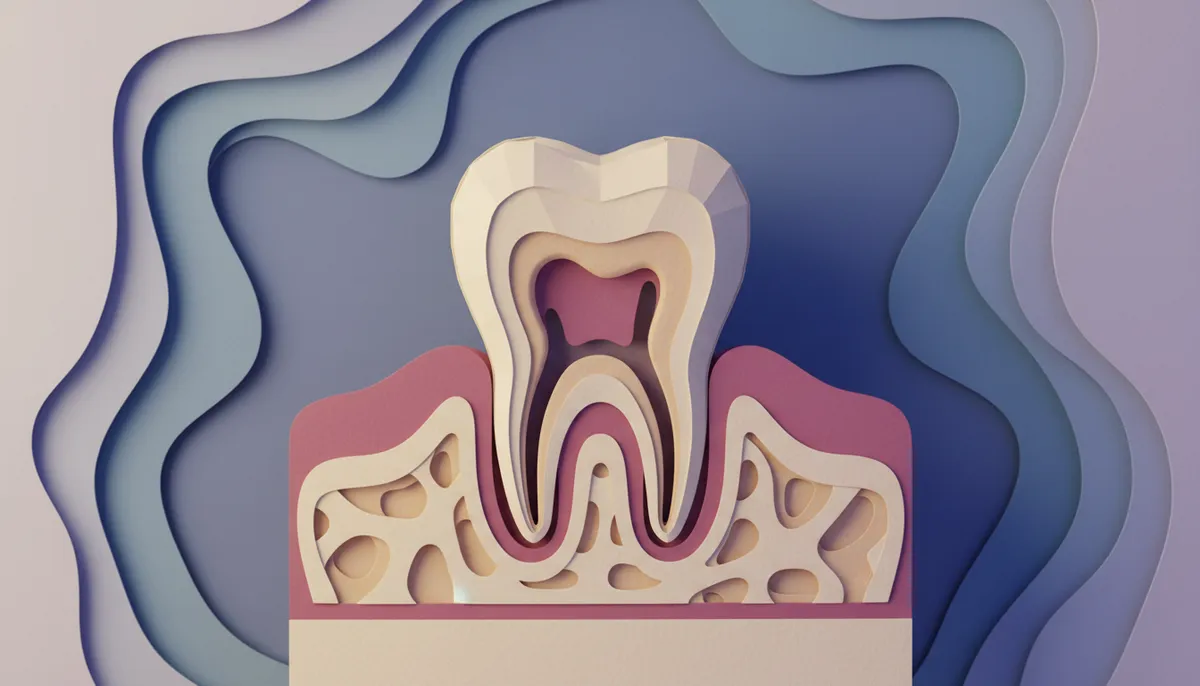
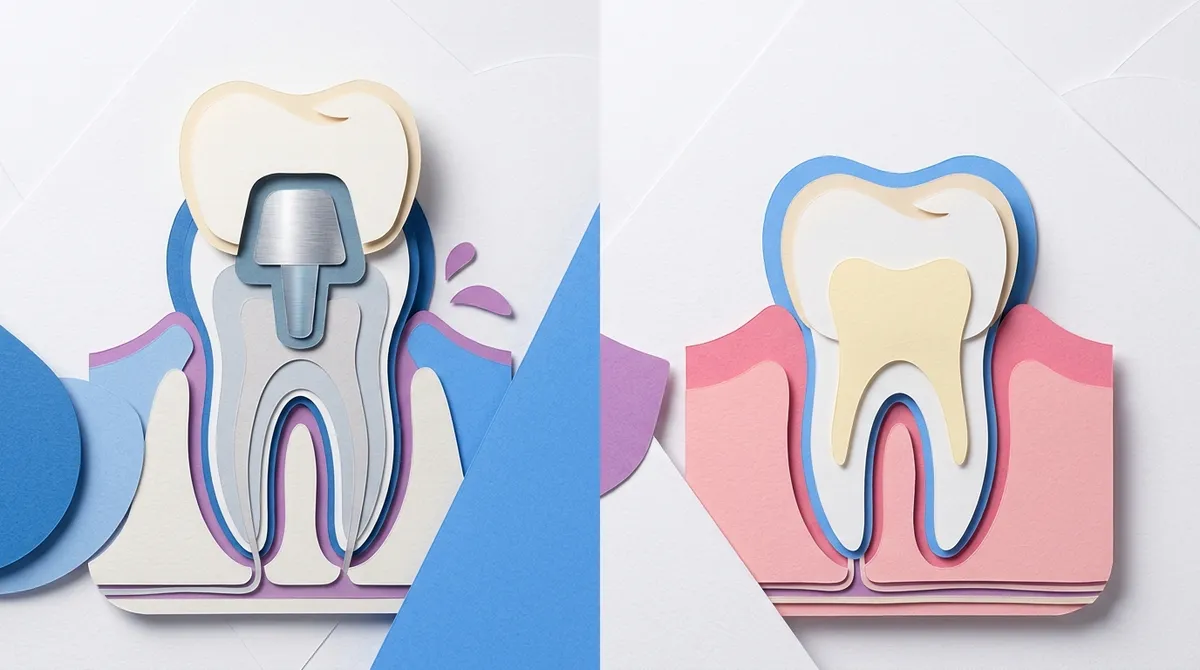
A dental post is a small rod — usually made of metal or fiber — that gets placed inside the root of a tooth. It goes into the root canal space after a root canal has been completed. The post acts like an anchor. It gives the crown something solid to hold onto when there isn’t enough natural tooth structure left above the gumline.
Think of it like a flag on a pole. The post is the pole. The crown is the flag. Without the pole, the flag has nothing to stand on. That’s exactly how a post works for a dental crown with a post setup.
Dental Crown With Post vs. Without: A Side-by-Side Comparison
Here’s a quick overview to help you see the key differences at a glance:
| Feature | Crown With Post | Crown Without Post |
|---|---|---|
| Purpose | Provides internal support for severely damaged teeth | Covers and protects teeth with adequate structure |
| When Used | After root canals with minimal tooth structure remaining | Cracked, worn, or moderately damaged teeth |
| Post Material | Metal (stainless steel/titanium) or fiber (fiberglass) | N/A |
| Crown Material | Ceramic (tooth-colored) | Ceramic (tooth-colored) |
| Number of Steps | More steps (post placement + crown) | Fewer steps (crown prep + placement) |
| Strength Added | Yes — post anchors the crown internally | No — relies on existing tooth structure |
When Do You Need a Dental Crown With a Post?
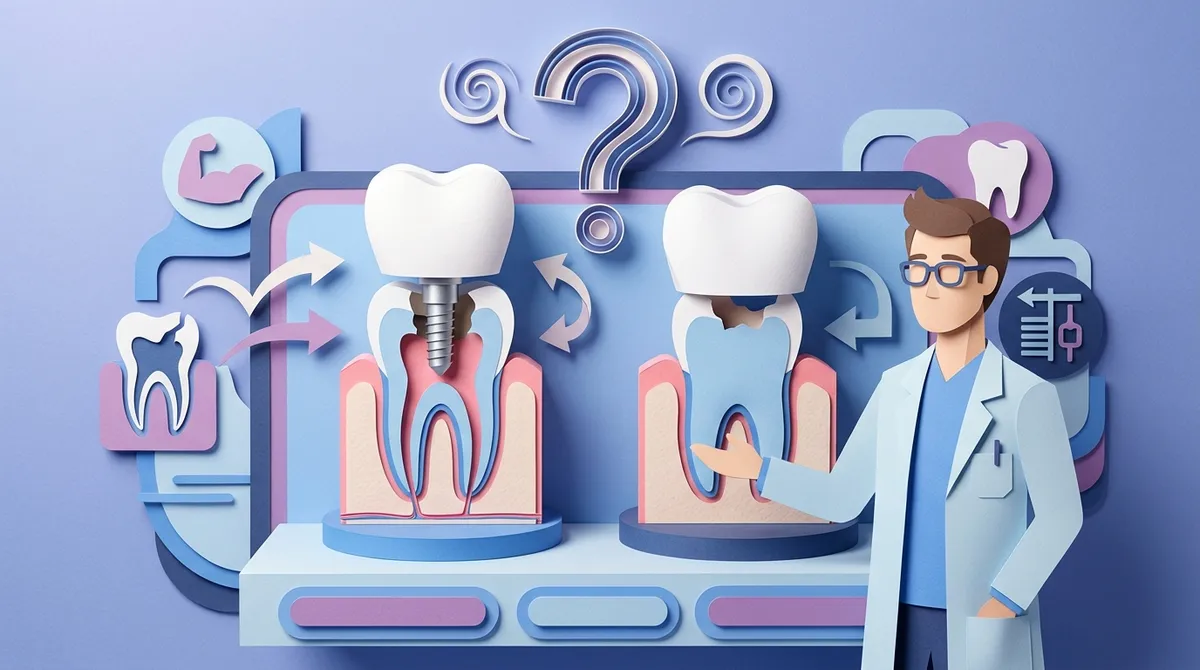
Not every crown needs a post. Your dentist will recommend a dental crown with a post only in specific situations. Here are the most common ones:
- Your tooth has had a root canal and very little natural tooth remains above the gumline
- The tooth has broken down significantly due to decay or fracture
- There isn’t enough healthy tooth structure to securely hold a crown on its own
- The remaining tooth walls are too thin or fragile to support a crown alone
On the flip side, if your tooth still has enough healthy structure left, a post isn’t needed. Your dentist will evaluate the tooth carefully before making this decision. Understanding how dental crowns work to protect your teeth can give you even more context about this process.
The Step-by-Step Process: Crown With a Post
Curious about what actually happens during a dental crown with post procedure? Here’s a simple breakdown:
- Root Canal Completion: The post can only go into a tooth that has already had a root canal. If the root canal hasn’t been done yet, that’s the first step.
- Post Space Preparation: Your dentist carefully removes a portion of the root canal filling material to make room for the post. Only a small amount is removed — enough to seat the post securely.
- Post Placement and Cementing: The post is inserted into the root space and cemented in place. This gives the tooth a new internal anchor point.
- Core Buildup: Once the post is in, your dentist builds up the missing tooth structure using a special dental material. This new “core” gives the crown something to grip.
- Crown Placement: Finally, the ceramic crown is placed over the built-up tooth, completing the restoration.
If you’re worried about the attachment process, this guide on how crowns are attached to teeth explains everything clearly.
The Step-by-Step Process: Crown Without a Post
For a standard crown without a post, the process is a bit more straightforward:
- Tooth Preparation: Your dentist gently shapes the existing tooth so the crown will fit snugly over it. A small amount of enamel is removed from all sides.
- Impression or Digital Scan: The tooth is measured precisely so the crown fits perfectly. Modern dental offices often use digital scanning instead of messy molds.
- Crown Fabrication: The crown is made to match your tooth’s size, shape, and color. At Dental Theory in Brandon, FL, Dr. K offers same-day crowns — meaning your crown is designed, milled, and placed in a single visit!
- Crown Placement and Cementing: The finished crown is cemented over your prepared tooth, and you’re done.
Want to learn more about the same-day option? Here’s a great overview of what same-day crowns are and how they work.
Types of Posts: Metal vs. Fiber
Not all posts are the same. Here’s a quick comparison of the two main types used in dental crown with post procedures:
| Post Type | Material | Pros | Cons |
|---|---|---|---|
| Metal Post | Stainless steel or titanium | Very strong, long track record | Can show through gums over time (dark shadow) |
| Fiber Post | Fiberglass composite | Tooth-colored, flexible, aesthetically pleasing | Slightly less rigid than metal |
Most modern dentists favor fiber posts for front teeth where appearance matters most. Metal posts are still a solid choice for back teeth where strength is the priority. Your dentist will recommend the best option based on which tooth needs the crown and how much biting force it experiences.
How Long Will a Crown With a Post Last?
This is one of the most common questions people ask — and for good reason! You want to know your investment is going to last. The good news is that dental crowns can last a very long time with proper care. Here’s what affects longevity:
- Good oral hygiene habits (brushing, flossing, regular cleanings)
- Avoiding habits like teeth grinding or chewing ice
- The skill of the dentist placing the crown and post
- The quality of materials used
- Regular dental checkups to catch any issues early
On average, a well-placed dental crown with a post can last 10 to 15 years or even longer. Crowns without posts tend to have similar lifespans when the underlying tooth structure is healthy.
Cost Comparison: Crown With Post vs. Without
Let’s talk about what most people really want to know — the cost. Here’s a general breakdown:
| Procedure | Estimated Cost Range | Insurance Coverage |
|---|---|---|
| Dental Crown (no post) | $1,000 – $1,800 | Often partially covered |
| Post Placement | $200 – $600 (additional) | Sometimes covered as part of restorative care |
| Core Buildup | $150 – $400 (additional) | Sometimes covered |
| Crown With Post (total) | $1,350 – $2,800+ | Varies by plan |
Costs vary based on your location, the tooth involved, and your insurance plan. Before your appointment, it’s worth reviewing your coverage carefully. Check out this article on 5 insurance mistakes that cost you on dental crowns to avoid leaving money on the table. You can also learn about insurance plans accepted at Dental Theory to see what your options look like.
What If the Post Fails?
Sometimes, a crown can come loose or a post can fail — though it’s not common. If your crown ever comes off, don’t panic! Here’s a helpful resource: what to do when your crown falls off and whether it can be reattached. The short answer? Yes, in many cases it can be reattached — especially if the post and tooth structure are still intact.
The key is to contact your dentist right away. Don’t wait. The longer you leave it, the higher the risk of damage to the underlying tooth or post.
Same-Day Crowns in Brandon, FL
Here’s some exciting news for anyone in the Brandon, Florida area. At Dental Theory, Dr. K offers same-day ceramic crowns — no waiting weeks, no temporary crown, no second appointment. Using advanced milling technology, your crown is designed and placed in a single visit. That’s a game-changer for busy families and anyone who dreads multiple dental appointments.
For cases that require a dental crown with a post, the post and core buildup would typically be completed before the same-day crown is placed. Dr. K will walk you through exactly what your treatment looks like so there are no surprises. Schedule an appointment today to find out if a same-day crown is right for you.
You can also explore the full range of veneers, crowns, and bridges available at Dental Theory to find the best solution for your smile.
Key Takeaways: Which Option Is Right for You?
Here’s a quick recap to help you sort out which path might apply to your situation:
- Choose a crown with a post if your tooth has had a root canal and doesn’t have enough structure left to support a crown on its own
- Choose a crown without a post if your tooth is damaged but still has adequate healthy structure to anchor the crown directly
- Ask your dentist about the best post material (metal vs. fiber) based on which tooth is involved
- Check your insurance before your appointment to understand what’s covered for both the post and the crown
- Consider same-day crowns if you’re in the Brandon, FL area and want the convenience of getting it all done in one visit
The bottom line? Both options are designed to save your tooth and restore your smile. The right choice depends entirely on the condition of your specific tooth. Your dentist is your best guide here — and asking questions is always encouraged!
Conclusion
Dental crowns with posts and crowns without posts each serve an important purpose. Whether you need that extra internal support or just a protective cap over a damaged tooth, the goal is always the same: keeping your smile healthy, functional, and beautiful for years to come.
If you’re in Brandon, FL, and have questions about your crown treatment options, the friendly team at Dental Theory is here to help. Reach out to Dental Theory to book your consultation with Dr. K and find out exactly what your tooth needs. You can also check out our reviews on Google to see what patients in Brandon are saying about their experience. We can’t wait to help you smile with confidence!
FAQs
Q: Does getting a dental crown with a post hurt?
A: Great news — the procedure is done under local anesthesia, so you shouldn’t feel any pain during the process. Most patients are surprised by how comfortable it is! There may be some mild soreness afterward, but it typically fades within a few days.
Q: Can I get a same-day crown if I need a post?
A: Yes, in many cases you can! The post and core buildup are completed first to give the tooth the structure it needs, and then the ceramic crown can be milled and placed the same day. Ask your dentist if this option is available for your specific situation.
Q: Is a dental post the same as a dental implant?
A: Not quite — they’re different things! A dental post goes inside an existing natural tooth’s root to support a crown. A dental implant is a titanium post surgically placed into the jawbone to replace a missing tooth entirely. Both involve a post-like structure, but they serve very different purposes.
Q: How do I know if my tooth needs a post before the crown?
A: Your dentist will evaluate how much natural tooth structure remains above the gumline. If there isn’t enough healthy tooth left to grip the crown securely, a post and core buildup will be recommended. X-rays and a clinical exam help make this determination.
Q: Will insurance cover a dental crown with a post?
A: Many dental insurance plans cover crowns and may partially cover the cost of a post and core buildup as part of restorative care. Coverage varies widely by plan, so it’s always a good idea to check with your insurance provider before treatment. Your dental office can also help you navigate the process!