Key Takeaways
-
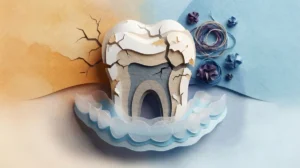
Parafunction refers to non-functional mouth movements like grinding, clenching, and nail biting that damage teeth not designed to handle this stress; identifying these habits early prevents costly damage like enamel loss and cracked teeth.
-
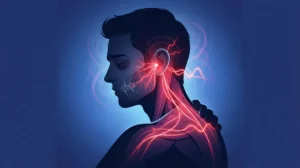
Common warning signs include morning jaw soreness, headaches, flattened teeth, increased sensitivity, and jaw clicking; recognizing these symptoms allows for early intervention before severe TMJ problems develop.
-
Stress is the primary trigger for parafunctional habits; management strategies include custom night guards, stress-relief techniques, bite adjustments, and breaking habits like ice chewing to protect your teeth.
-
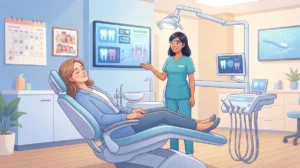
Regular dental checkups are essential for catching parafunction early through visual wear pattern analysis and x-rays; dentists can track subtle changes over time that patients typically miss on their own.
Ever catch yourself clenching your jaw during a stressful meeting? Or notice you’ve been chewing on a pen cap without even realizing it? These little habits have a name in dentistry, and they might be doing more damage to your smile than you think. Understanding what parafunction means could be the missing piece that explains your jaw pain, cracked teeth, or morning headaches.
At Dental Theory in Brandon, we see patients every week who had no idea their habits were quietly wearing down their teeth. This guide breaks down parafunction in simple terms, so you know exactly what to watch for and what to do about it.
1. What Does Parafunction Mean in Dentistry?
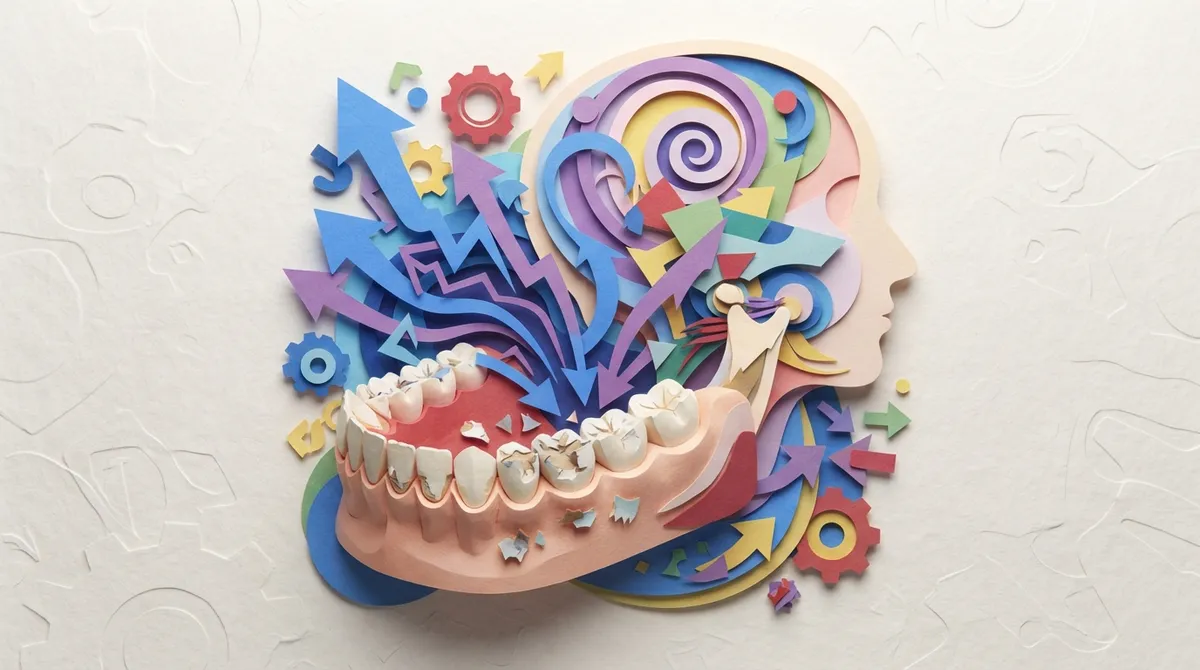
Parafunction simply means any mouth movement that isn’t used for normal function. Normal functions include chewing, talking, and swallowing. Parafunctional habits are extra movements your teeth and jaw were never designed to handle.
Think of it like using a kitchen knife to open a paint can. The knife can technically do it, but it wasn’t made for that job. Your teeth work the same way. They handle chewing food just fine, but grinding, clenching, and biting on hard objects put stress they weren’t built to take.
2. Common Types of Parafunctional Habits
There are several habits that fall under the parafunction umbrella. Recognizing them is the first step toward protecting your smile.
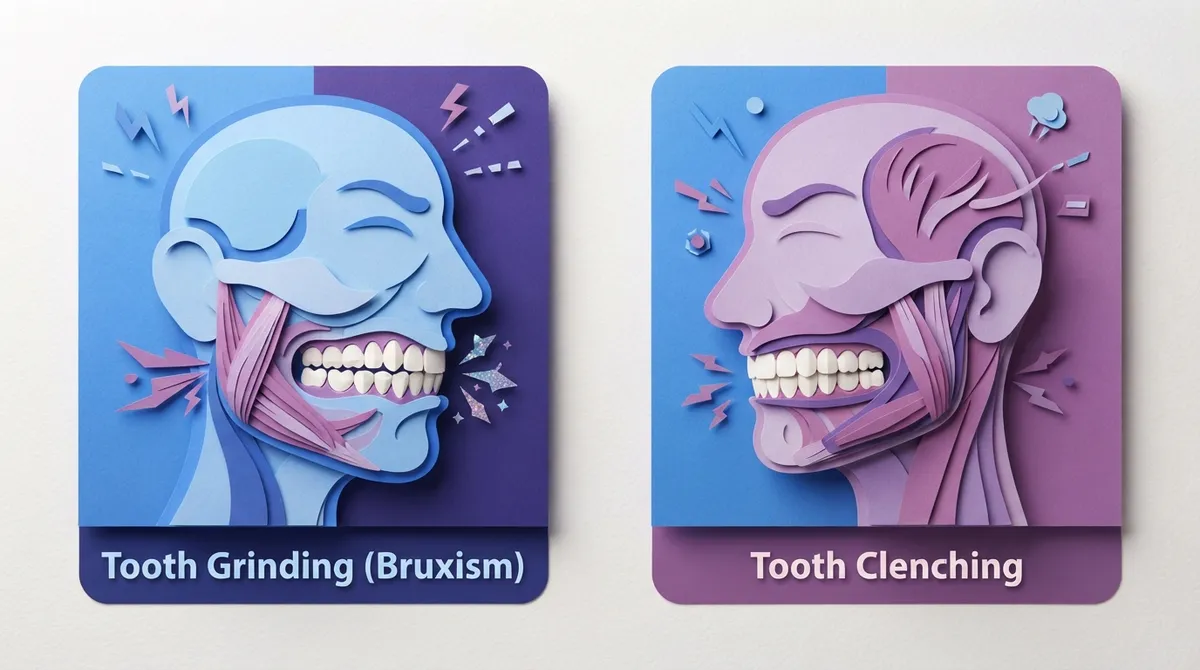
- Teeth grinding, also called bruxism, often happening during sleep
- Jaw clenching during stress, focus, or exercise
- Nail biting or chewing on pens and pencils
- Chewing ice regularly
- Cheek or lip biting
- Thrusting the tongue against teeth repeatedly
Most people don’t even realize they’re doing these things. That’s what makes parafunction so tricky. It sneaks up on you slowly, tooth by tooth, over months and years.
3. Why Parafunction Happens
Stress is the number one trigger for most parafunctional habits. When your body feels anxious, your jaw muscles tend to tighten without you noticing. Other causes include:
- Misaligned bite patterns that create uneven pressure
- Sleep disorders, including sleep apnea
- Certain medications that affect muscle activity
- Caffeine and alcohol use, which can increase grinding
- Habits formed in childhood that never stopped
Some people develop parafunctional habits after a stressful life event. Others have dealt with clenching since childhood without ever getting it checked out.
4. Signs You Might Have a Parafunctional Habit
Your body often gives warning signs long before serious damage happens. Pay attention to these symptoms:
- Waking up with a sore jaw or headache
- Teeth that look flatter or shorter than before
- Increased tooth sensitivity to hot or cold
- Clicking or popping sounds in your jaw
- Small cracks or chips appearing on teeth
- Your partner mentions hearing you grind at night
If any of these sound familiar, it’s worth bringing up at your next visit. Our team can take a closer look during a routine comprehensive exam and spot early warning signs.
5. How Parafunction Damages Your Teeth
Repeated grinding and clenching create a lot of force. Over time, this force wears away enamel, the protective outer layer of your teeth. Once enamel is gone, it doesn’t grow back.
| Parafunctional Habit | Common Dental Damage |
|---|---|
| Teeth grinding (bruxism) | Flattened teeth, cracks, enamel loss |
| Jaw clenching | Jaw pain, headaches, TMJ issues |
| Nail or pen biting | Chipped edges, misaligned bite |
| Ice chewing | Cracked teeth, sensitive fillings |
| Tongue thrusting | Shifted teeth, bite problems |
Damage from parafunction can also affect existing dental work. If you already have a filling or crown, constant grinding can loosen it or cause it to crack.
6. Parafunction and TMJ Problems
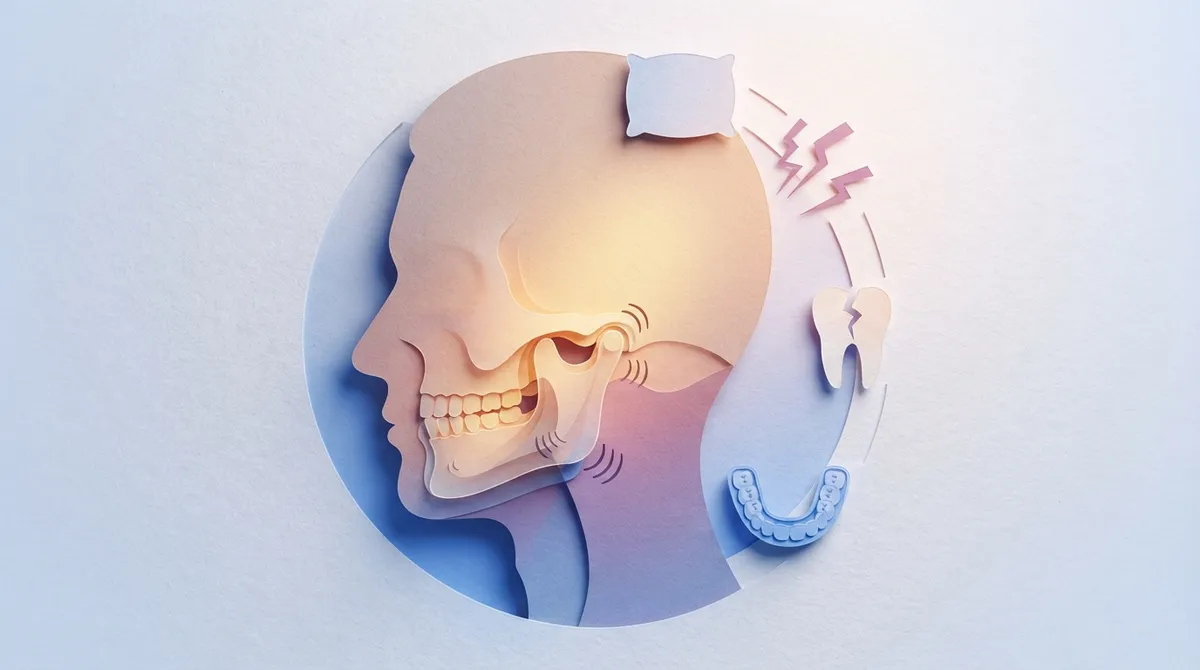
Your jaw joint, called the TMJ, can take a real beating from parafunctional habits. Clenching and grinding put constant pressure on this small joint. Over time, this can lead to pain, stiffness, and trouble opening your mouth wide.
Dental Theory offers TMJ rehabilitation to help patients find relief from jaw pain caused by these habits. Catching TMJ issues early usually means simpler treatment and faster relief.
7. How Dentists Diagnose Parafunctional Habits
Spotting parafunction usually happens during a regular checkup. Here’s what the process typically looks like:
- Visual exam of tooth wear patterns and enamel condition
- Checking for jaw tenderness or muscle tightness
- Asking about headaches, sleep quality, and stress levels
- Reviewing digital x-rays for bone and root changes
- Discussing habits like nail biting or ice chewing
Our team relies on digital x-rays to get a full picture of what’s happening beneath the surface. This helps us catch problems before they turn into bigger, costlier issues.
8. Treatment Options for Parafunctional Habits
The good news is that parafunction is very manageable once it’s identified. Treatment depends on the cause and severity, but common options include:
- Custom night guards to protect teeth during sleep
- Stress management techniques to reduce daytime clenching
- Bite adjustments to correct uneven pressure
- Behavioral changes to break habits like nail biting
- Restorative work for teeth already damaged by grinding
If grinding has already caused cracks or breaks, Dr. K can often restore the tooth the same day. Dental Theory offers Same-Day Crowns, so patients don’t need to wait around or come back for a second visit. Learn more about how same-day crowns work and why they’re such a convenient option for busy Brandon families.
9. Preventing Parafunctional Damage Before It Starts
Prevention is always easier than repair. Here are simple steps you can start today:
- Notice your jaw throughout the day and relax it if you’re clenching
- Avoid chewing on ice, pens, or fingernails
- Practice stress-relief habits like deep breathing or stretching
- Wear a night guard if your dentist recommends one
- Schedule regular checkups to catch wear early
Routine visits make a huge difference. Our team can track subtle changes in your teeth over time, which is much harder to notice on your own. If you’re overdue for a visit, it might be time to schedule an appointment and get a professional opinion.
Why Choose Dental Theory for Parafunction Care
Dental Theory has built a reputation in Brandon for combining friendly care with the latest dental technology. Dr. Chris Karapasha, known to patients as Dr. K, specializes in adult and cosmetic dentistry, including same-day ceramic crowns for teeth damaged by grinding or clenching. He was also recently recognized when Dr. Chris Karapasha was named one of America’s Top Young Dentists in Incisal Edge magazine’s 2025 40 Under 40, a reflection of the quality care our patients receive every day.
Whether you’re dealing with a cracked molar, a sore jaw, or you just want to protect your smile before problems start, our team is ready to help. You can also visit us on Facebook to see updates, patient stories, and tips for keeping your smile healthy.
Frequently Asked Questions About Parafunction
Curious minds want answers, and we love breaking things down simply. Check out our commonly asked questions below.
Ready to Protect Your Smile?
Parafunctional habits are common, but they don’t have to control your dental health. With the right care plan, you can protect your teeth and feel more comfortable every day. Our friendly team at Dental Theory is here to guide you through it, from diagnosis to treatment to prevention.
Don’t wait until a small crack becomes a bigger problem. Reach out today to contact Dental Theory and schedule your consultation. We’re proud to serve families throughout Brandon, and we’d love to help you keep your smile strong for years to come. You can also see what our neighbors are saying when you visit us on Google — Dental Theory.
FAQs
Q: What does parafunction mean in dentistry?
A: Parafunction refers to any mouth or jaw movement that isn’t part of normal chewing, talking, or swallowing. Think grinding, clenching, or nail biting. These habits put extra stress on teeth that they weren’t designed to handle.
Q: Is teeth grinding the same as parafunction?
A: Teeth grinding, or bruxism, is actually one of the most common types of parafunction. It’s a great example of a habit that puts unnecessary pressure on your teeth and jaw, often without you even realizing it.
Q: Can parafunctional habits be cured?
A: While some habits can be broken with awareness and stress management, others may need a night guard or bite adjustment. The good news is that with the right care plan, most patients see real improvement pretty quickly.
Q: How do I know if I have a parafunctional habit?
A: Common signs include jaw soreness in the morning, headaches, flattened teeth, or sensitivity to hot and cold. If any of these sound familiar, it’s a great idea to bring it up at your next dental visit.
Q: Does Dental Theory treat damage caused by parafunction?
A: Absolutely! Our team can repair cracked or worn teeth, and Dr. K even offers same-day ceramic crowns so you don’t have to wait around for repairs. We also offer TMJ rehabilitation for jaw pain related to grinding or clenching.
Our Service Area