Key Takeaways
-
If you experience two or more signs regularly—such as daily jaw soreness, frequent morning headaches, visible tooth flattening or chips, and clicking sounds when opening your mouth—seek dental care immediately, as these indicate serious bruxism requiring professional treatment.
-
Untreated bruxism causes progressive damage including enamel wear, cracked teeth, and damaged dental work; early detection through dental checkups allows for simpler and more affordable repairs before extensive damage occurs.
-
Custom nightguards provide effective protection by creating a barrier against tooth wear, while identifying personal triggers like stress, poor sleep, misaligned teeth, or caffeine consumption helps create a comprehensive treatment plan.
-
Same-day ceramic crowns offer immediate restoration of damaged teeth from grinding in a single visit, eliminating the hassle of temporary crowns that can deteriorate quickly with continued grinding pressure.
Do you wake up with a sore jaw or a dull headache almost every morning? You might be grinding your teeth at night without even knowing it. Bruxism is super common, but figuring out when it’s just a minor habit versus a real problem can feel confusing. The good news? There are clear signs that tell you when it’s time to get help, and knowing them can save your teeth, your jaw, and your peace of mind.
At Dental Theory in Brandon, we see patients every week who had no idea their headaches, cracked teeth, or jaw pain were all connected to bruxism. This guide will walk you through the warning signs, what happens if you ignore them, and how our team can help you protect your smile for years to come.
What Is Bruxism, Exactly?
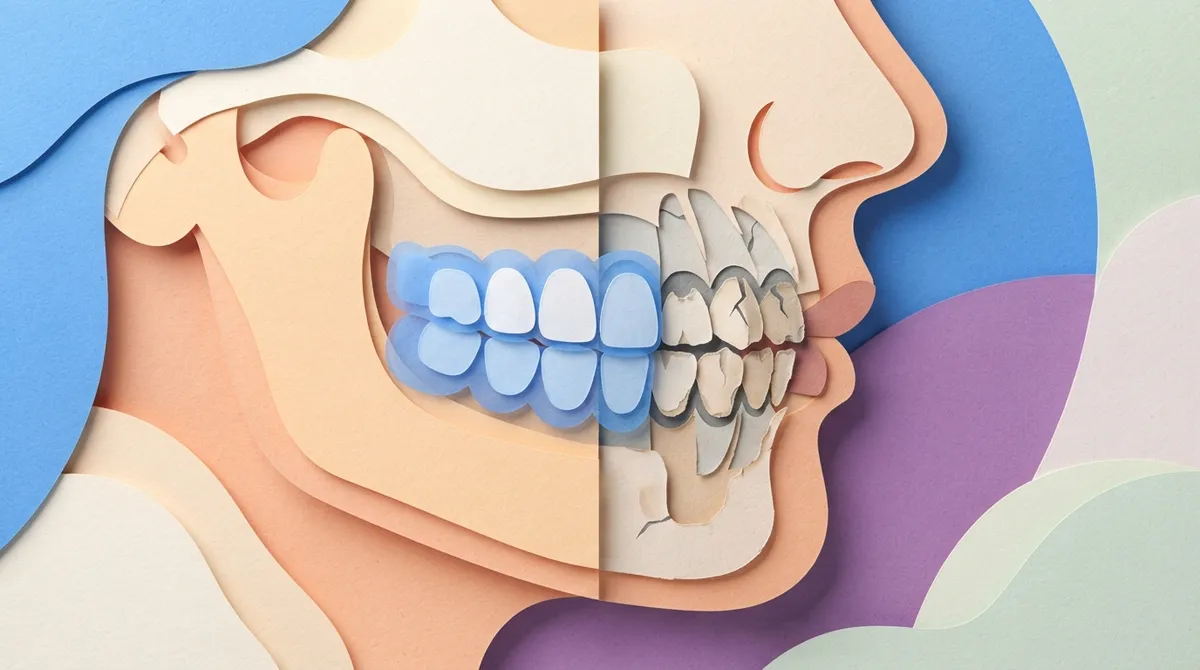
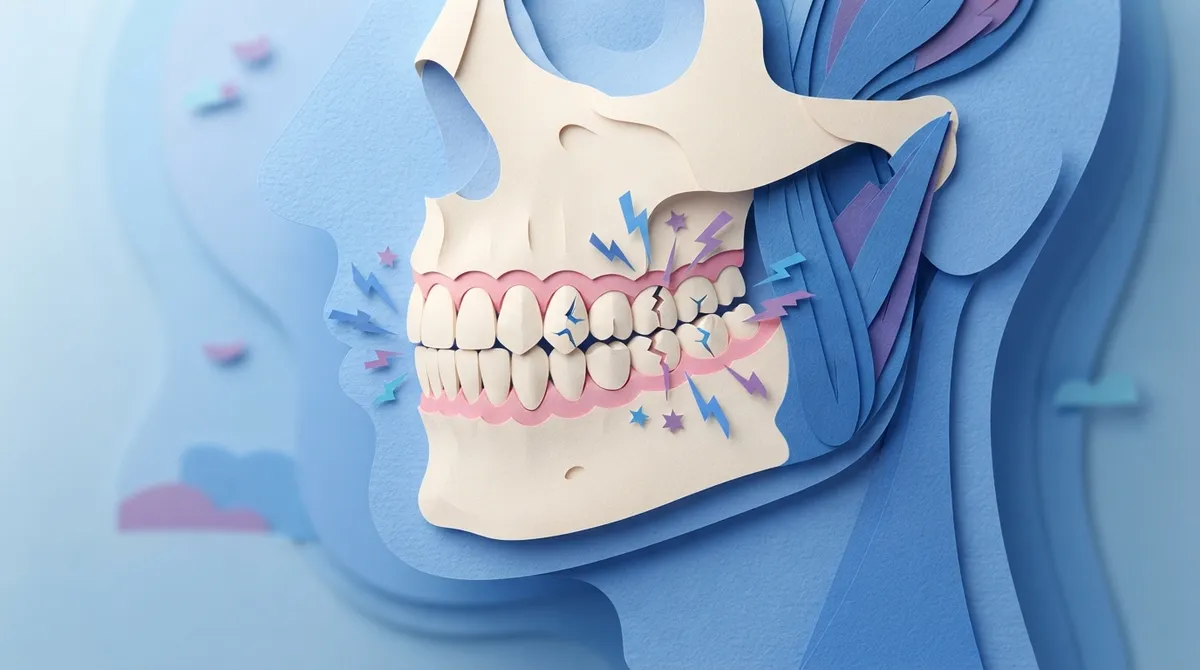
Bruxism is the medical term for grinding or clenching your teeth. It can happen while you sleep or even during the day when you’re stressed or focused on something. Many people don’t realize they do it until a partner mentions the grinding noise, or a dentist spots the wear on their teeth during a checkup.
Some grinding is mild and doesn’t cause much harm. But for other people, bruxism becomes a nightly habit that slowly damages teeth, strains the jaw, and disrupts sleep. Learning to tell the difference is the first step toward protecting your oral health.
Common Signs Your Bruxism Might Be Serious
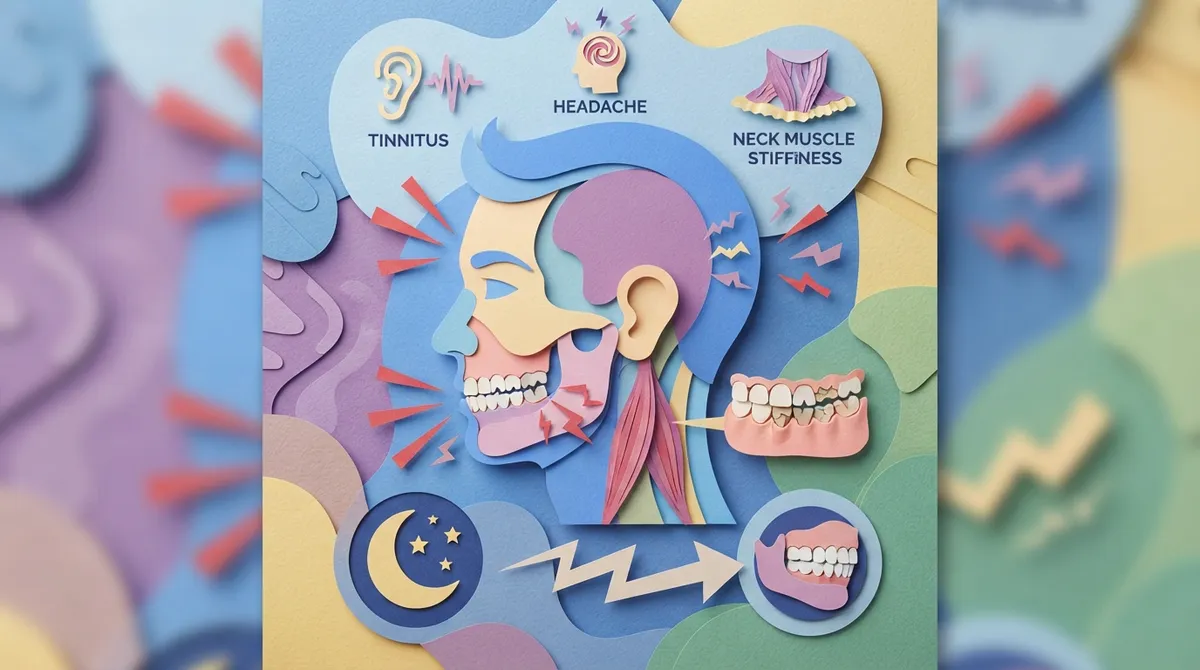
Not every case of teeth grinding needs urgent care. But certain symptoms are red flags that your bruxism has moved beyond a minor annoyance. Here are the signs you should never ignore:
- Waking up with a sore or tight jaw almost every day
- Frequent headaches, especially near your temples
- Visible flattening, chipping, or cracking of your teeth
- Increased tooth sensitivity to hot, cold, or sweet foods
- Clicking or popping sounds when you open your mouth
- Your partner tells you they hear grinding at night
- Sore or tired facial muscles when you wake up
If you notice two or more of these signs happening regularly, it’s a strong signal your bruxism needs professional attention. Left untreated, these symptoms tend to get worse, not better.
Why Ignoring These Signs Can Backfire
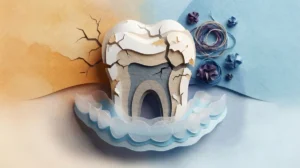
Grinding puts a huge amount of pressure on your teeth. Over time, this pressure can wear down enamel, crack fillings, and even damage healthy teeth. Some patients don’t realize how much damage has occurred until they’re already dealing with a broken crown or a painful crack in a tooth.
How Dentists Check for Serious Bruxism
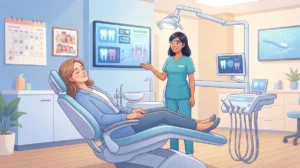
You don’t have to guess whether your grinding is a big deal. A dental checkup can give you real answers. Here’s how our team typically evaluates bruxism severity:
- We look closely at your teeth for flattened edges, chips, or cracks
- We check your jaw joint for clicking, popping, or limited movement
- We ask about your sleep quality, stress levels, and headache frequency
- We may take digital images to check for bone or joint changes
- We review any existing dental work, like crowns or fillings, for wear
This kind of thorough exam is part of what makes general dentistry visits so valuable. Catching bruxism early means simpler, more affordable fixes down the road.
Mild vs. Serious Bruxism: A Quick Comparison
Not sure where your symptoms land? This table breaks down the difference between mild grinding and more serious cases that need treatment right away.
| Symptom or Sign | Mild Bruxism | Serious Bruxism |
|---|---|---|
| Jaw soreness | Occasional, mild | Daily, painful |
| Tooth wear | Barely noticeable | Visible flattening or chips |
| Headaches | Rare | Frequent, especially in the morning |
| Sleep quality | Unaffected | Disrupted, restless sleep |
| Jaw movement | Normal | Clicking, popping, or stiffness |
If your symptoms line up with the “serious” column, it’s time to schedule a visit. Waiting too long can lead to bigger, more expensive problems.
What Causes Bruxism to Get Worse?
Bruxism doesn’t usually appear out of nowhere. Certain habits and life factors can make grinding more frequent and more damaging. Common triggers include:
- High stress or anxiety levels
- Poor sleep habits or sleep disorders
- Misaligned teeth or an uneven bite
- Too much caffeine or alcohol
- Certain medications
Identifying your personal triggers can help you and your dentist create a plan that actually works, instead of just masking the symptoms.
Treatment Options for Serious Bruxism
The right treatment depends on how severe your grinding has become and what’s causing it. Some of the most common solutions include:
- Custom nightguards designed to protect your teeth while you sleep
- Stress management techniques to reduce clenching during the day
- Correcting bite issues through orthodontic treatment
- Repairing damaged teeth with crowns or bonding
- Addressing sleep issues that may be contributing to grinding
If grinding has already damaged a tooth, you don’t need to worry about a long treatment process. Dr. K offers same-day ceramic crowns, so a cracked or worn tooth can be restored in a single visit instead of waiting weeks for a lab-made crown. This means you get long-lasting protection without the hassle of multiple appointments.
Why Same-Day Crowns Make Sense for Bruxism Damage
Traditional crowns often require two visits and a temporary crown in between. That temporary can wear down fast if you’re a grinder, sometimes even breaking before your permanent crown is ready. With same-day ceramic crowns, your tooth gets a strong, permanent solution right away. You can learn more about how this works on our page about same-day crowns and how they work.
Simple Steps to Protect Your Smile at Home
While professional treatment is important for serious bruxism, there are things you can do at home to ease symptoms between visits:
- Practice relaxation techniques before bed, like deep breathing
- Avoid chewing gum or biting on pens throughout the day
- Cut back on caffeine, especially in the afternoon and evening
- Apply a warm compress to your jaw if it feels sore
- Stay consistent with your nightguard if one has been prescribed
These small changes can make a big difference, but they work best alongside professional dental care, not instead of it.
When to Schedule a Dental Visit
If you’re dealing with ongoing jaw pain, headaches, or visible tooth damage, don’t wait for things to get worse. A quick visit can help you understand exactly what’s going on and stop further damage before it starts. You can easily schedule an appointment to get a full evaluation.
Our patients often tell us how relieved they feel once they finally understand what’s causing their symptoms. You can read more experiences from real patients when you visit us on Google — Dental Theory, or check out updates and patient stories when you visit us on Facebook.
Why Choose Dental Theory for Bruxism Care in Brandon
Dental Theory has built a reputation in Brandon for combining modern technology with a warm, welcoming environment. Whether you need a nightguard, a same-day crown, or a full evaluation of your bite, our team takes time to explain what’s happening and why. Dr. K’s dedication to quality care recently earned him recognition, as Dr. Chris Karapasha has been named one of America’s Top Young Dentists in Incisal Edge magazine’s 2025 40 Under 40. That kind of expertise means you’re in good hands when it comes to protecting your smile from the effects of grinding.
For patients dealing with damaged teeth from years of grinding, our veneers, crowns, and bridges options offer lasting solutions that look and feel natural. And if you’re also curious about straightening your bite to reduce grinding pressure, Dr. K’s experience is reflected in his Gold+ Invisalign provider profile, which shows his commitment to advanced, effective treatment.
Final Thoughts on Serious Bruxism
Bruxism isn’t something to brush off, especially if you’re noticing jaw pain, headaches, or tooth damage on a regular basis. The earlier you catch it, the easier it is to treat, and the less damage your teeth will have to deal with. Whether you need a nightguard, a crown repair, or just peace of mind, getting checked out is always worth it.
If any of these symptoms sound familiar, don’t wait for the problem to grow. Reach out today to contact Dental Theory and let our friendly Brandon team help you find relief and protect your smile for the long run.
FAQs
Q: How do you know if your bruxism is serious enough to see a dentist?
A: If you’re waking up with jaw pain, frequent headaches, or you notice chips or flattening on your teeth, it’s time to get checked out. These signs usually mean the grinding has gone beyond a minor habit and needs professional attention.
Q: Can bruxism damage teeth permanently?
A: Yes, over time grinding can wear down enamel, crack teeth, and even damage existing dental work. The good news is that most damage can be repaired, especially with options like same-day ceramic crowns.
Q: Is teeth grinding always related to stress?
A: Stress is a common cause, but it’s not the only one. Sleep issues, an uneven bite, and even certain medications can also trigger bruxism, so it’s worth getting a full evaluation to find your specific cause.
Q: What happens if I ignore serious bruxism symptoms?
A: Ignoring the signs can lead to bigger problems like cracked teeth, jaw joint pain, and ongoing headaches. Catching it early with a dental visit almost always makes treatment simpler and more affordable.
Q: Can a nightguard really stop teeth grinding damage?
A: A custom nightguard won’t stop the grinding itself, but it creates a protective barrier that keeps your teeth from wearing down further. It’s one of the easiest and most effective ways to protect your smile while you sleep.
Our Service Area