Key Takeaways
-
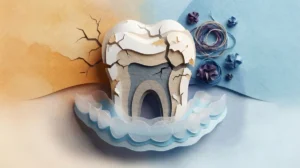
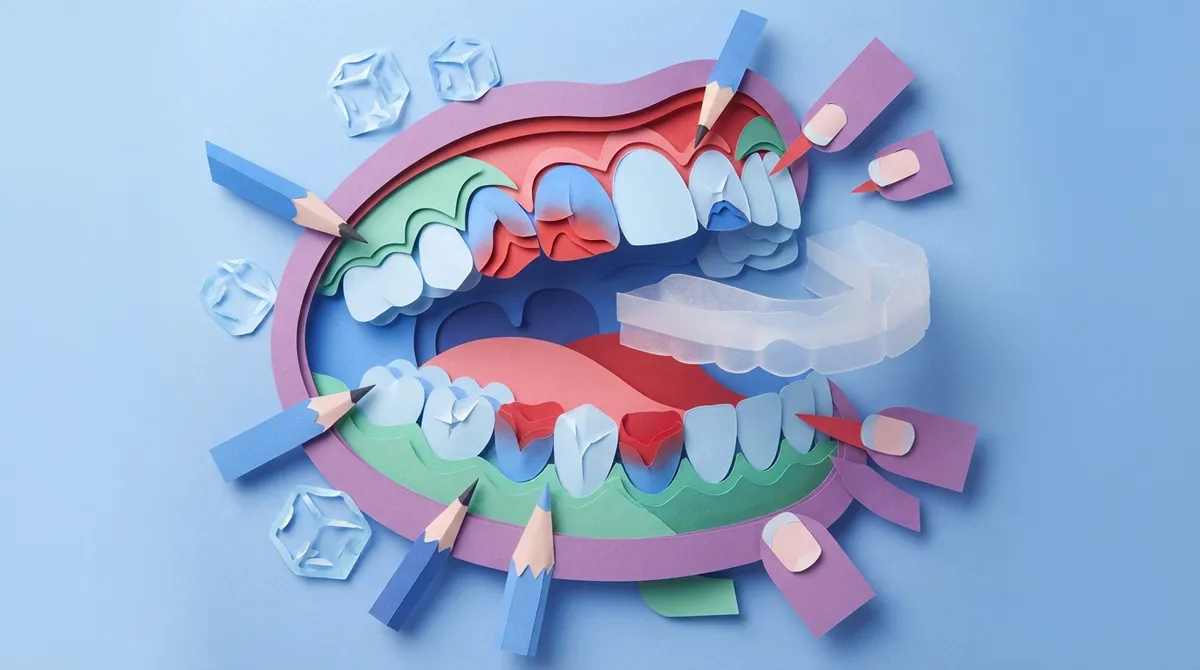
Parafunctional habits like grinding, clenching, and chewing on objects cause enamel erosion, cracked teeth, and jaw joint disorders; catching them early through regular dental visits prevents permanent damage.
-
Common parafunctional habits include teeth grinding, jaw clenching, nail biting, chewing ice or pens, and using teeth as tools; these often occur unconsciously during stress or concentration.
-
Break parafunctional habits by increasing awareness of when they occur, replacing them with harmless alternatives like stress balls, wearing a custom night guard for grinding, and practicing relaxation techniques.
-
Children develop parafunctional habits like thumb sucking and teeth grinding too; early detection by a pediatric dentist prevents negative effects on permanent tooth alignment and jaw growth.
Do you ever catch yourself chewing on a pen cap or clenching your jaw during a stressful meeting? You’re not alone. Many folks in Brandon do things with their teeth and jaw that they don’t even notice. These are called parafunctional habits, and they can cause serious harm to your smile over time.
At Dental Theory, we see the effects of these habits every day. Cracked teeth, sore jaws, and worn-down enamel are just a few signs. The good news? Once you know what to look for, you can protect your teeth before real damage happens. Let’s walk through 15 common parafunctional habits and what you can do about each one.

What Does Parafunctional Mean in Dentistry
Parafunctional habits are actions your mouth does outside of its normal jobs, like eating and talking. Your teeth and jaw were built for chewing food and speaking clearly. When you use them for other things, like grinding or biting objects, that’s called parafunction.
These habits often happen without you even realizing it. Stress, anxiety, and even boredom can trigger them. Over time, they wear down enamel, crack teeth, and strain your jaw joint.

15 Examples of Parafunctional Habits
Here’s a full list of the most common parafunctional habits we see at our Brandon dental office. Some might surprise you.
1. Teeth Grinding (Bruxism)
Bruxism is one of the most common and damaging parafunctional habits. Many people grind their teeth at night without knowing it. This can wear down enamel and cause jaw pain. Learn more about how bruxism affects your sleep and your smile.
2. Jaw Clenching
Clenching happens when you press your teeth together tightly, often during stress. It puts pressure on your jaw joint and can lead to headaches.
3. Nail Biting
Biting your nails puts unnatural pressure on your front teeth. It can also chip enamel and push teeth out of alignment over time.
4. Chewing on Pens or Pencils
This habit seems harmless, but it can crack teeth or damage fillings. Hard plastic isn’t meant for your bite.
5. Ice Chewing
Crunching on ice cubes feels refreshing, but ice is surprisingly hard on your enamel. It’s a leading cause of chipped and cracked teeth.
6. Chewing on Fingernails or Cuticles
Similar to nail biting, chewing on cuticles adds stress to your front teeth and can introduce bacteria into small cuts.
7. Using Teeth as Tools
Opening bottles, tearing tags, or ripping packaging with your teeth puts them at risk of cracking or breaking.
8. Thumb or Finger Sucking Beyond Childhood
This is common in young kids, but if it continues too long, it can affect jaw growth and tooth alignment. Dr. Pri often talks with parents about this during checkups. Learn more about choosing the right dentist for your child’s needs.
9. Lip or Cheek Biting
Chronic lip or cheek biting can cause sores and, in some cases, contributes to jaw tension and bite issues.
10. Tongue Thrusting
This happens when the tongue pushes against the teeth too often, sometimes during swallowing or speaking. It can shift teeth over time.
11. Chewing Gum Excessively
While gum itself isn’t harmful, chewing for hours each day overworks your jaw muscles and joint.
12. Grinding During Concentration
Some people grind their teeth without stress, just while focusing on a task like driving or working. It’s still damaging, even without anxiety involved.
13. Holding Objects with Teeth
Whether it’s holding a phone, a hairpin, or tools, this habit puts uneven pressure on specific teeth.
14. Biting Pens, Straws, or Toothpicks
Biting down repeatedly on small objects can loosen fillings or crack enamel over time, especially with molars.
15. Bruxism Combined with TMJ Disorder
When grinding pairs with jaw joint issues, you may notice popping sounds, pain when chewing, or difficulty opening your mouth wide.
Common Signs You Might Have a Parafunctional Habit
Not sure if you’re dealing with one of these habits? Watch for these warning signs.
- Morning headaches or sore jaw muscles
- Teeth that feel sensitive to hot or cold
- Visible wear, flattening, or chips on your teeth
- Jaw popping or clicking when you chew
- Cracked fillings or crowns without an obvious cause
- Waking up with a tight or tired feeling in your jaw
Why These Habits Matter for Your Dental Health
Parafunctional habits don’t just wear down your teeth. They can lead to bigger problems if left untreated. Here’s what can happen over time.
- Enamel erosion that leaves teeth weak and sensitive
- Cracked or broken teeth that need crowns or repair
- Jaw joint disorders like TMJ dysfunction
- Gum recession from excess pressure on teeth
- Chronic headaches and facial pain
If you’re already dealing with a cracked or damaged tooth, general dentistry care can help repair the damage before it gets worse.
How Dental Theory Helps Treat Parafunctional Habits
Once we spot signs of a parafunctional habit during your exam, we build a plan that fits your specific needs. Every patient is different, so treatment varies based on the habit and the damage it’s caused.
| Habit | Common Treatment Approach |
|---|---|
| Teeth Grinding | Custom night guard, bite adjustment |
| Jaw Clenching | Stress management tips, mouth guard |
| Nail Biting | Behavior tracking, dental monitoring |
| Cracked Teeth from Habits | Same-day ceramic crowns |
| TMJ-Related Grinding | Jaw therapy, custom oral appliance |
If a habit has already damaged a tooth, Dr. K can often fix it in one visit with same-day ceramic crowns. This means no waiting weeks for a temporary crown or a second appointment. You walk out with a strong, natural-looking tooth the same day you come in.
Steps to Break a Parafunctional Habit
Breaking these habits takes awareness and a bit of patience. Here’s a simple approach that works for many patients.
- Notice when the habit happens, like during stress or boredom
- Replace the habit with something harmless, like a stress ball
- Wear a custom night guard if grinding happens while you sleep
- Practice relaxation techniques to ease jaw tension
- Visit your dentist regularly to catch damage early
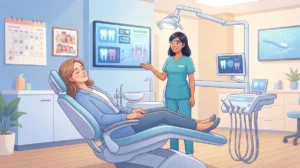
Regular checkups make a big difference. Our team can spot the early signs of wear before they turn into bigger, more costly problems. If it’s time for your next visit, you can schedule an appointment with our Brandon team today.
Protecting Your Family From Parafunctional Habits
Parafunctional habits aren’t just an adult problem. Kids develop them too, especially thumb sucking, nail biting, and even teeth grinding during growth spurts. Dr. Pri, our board-certified pediatric dentist, is specially trained to spot these habits early in children.
She works closely with families to catch these issues before they affect permanent teeth. If your child grinds their teeth at night or bites their nails constantly, it’s worth mentioning at their next visit. Explore our pediatric dental services to learn how we support growing smiles.
When to See a Dentist About These Habits
You don’t need to wait until there’s serious damage to bring up a habit with your dentist. Here are good times to speak up.
- You notice new sensitivity in one or more teeth
- Your jaw feels sore when you wake up
- A filling or crown has cracked more than once
- Someone has mentioned hearing you grind your teeth at night
- You catch yourself clenching during the day
Catching these habits early saves you time, money, and discomfort down the road. Our friendly team at Dental Theory is always ready to help you figure out what’s going on and build a plan that works for your life.
Why Choose Dental Theory in Brandon, FL
Dental Theory has built a reputation for warm, family-focused care in Brandon. Dr. Chris Karapasha, known to patients as Dr. K, was recently recognized when Dr. Chris Karapasha was named one of America’s Top Young Dentists in Incisal Edge magazine’s 2025 40 Under 40. His skill in cosmetic dentistry helps patients repair damage from parafunctional habits while keeping their smile looking natural.
Dr. K is also a Gold+ certified Invisalign provider. You can view Dr. K’s Gold+ Invisalign Profile to learn more about his credentials. Whether you need a crown repaired from grinding damage or a full smile evaluation, our team is ready to help.
Want to see what our neighbors in Brandon are saying? Check out Visit us on Google — Dental Theory or visit us on Facebook for updates, patient stories, and more.
Final Thoughts on Parafunctional Habits
Parafunctional habits sneak up on all of us. From grinding your teeth at night to chewing on pens during a busy workday, these small actions add up over time. The key is catching them early and getting the right support.
At Dental Theory, we combine friendly care with the latest dental technology to protect your smile for years to come. Whether you need a night guard, a same-day crown, or just some helpful advice, our Brandon team has you covered. Ready to protect your smile? Contact Dental Theory today and let’s talk about your dental health.
FAQs
Q: What are the most common parafunctional habits?
A: The most common ones we see at our Brandon office include teeth grinding, jaw clenching, nail biting, and chewing on hard objects like ice or pens. These habits often happen without you even noticing, especially during stress or deep focus.
Q: Can parafunctional habits damage my teeth permanently?
A: Yes, if left unchecked, these habits can wear down enamel, crack teeth, and even lead to jaw joint problems like TMJ disorder. The good news is that catching them early with regular dental visits can prevent lasting damage.
Q: How do I know if I grind my teeth at night?
A: Many people don’t realize they grind their teeth until a partner mentions the sound, or they wake up with a sore jaw and headache. Our team can also spot signs of grinding during your regular checkup, like flattened or worn teeth.
Q: Can kids develop parafunctional habits too?
A: Absolutely, kids often develop habits like thumb sucking, nail biting, or even nighttime grinding. Dr. Pri specializes in spotting these habits early and helping families address them before they affect permanent teeth.
Q: What can Dental Theory do if a habit already damaged my tooth?
A: If a parafunctional habit has cracked or damaged a tooth, Dr. K can often repair it the very same day with a custom ceramic crown. That means no waiting weeks or coming back for a second visit, just a strong, natural-looking fix in one appointment.
Our Service Area