Key Takeaways
-
Stress and anxiety are the primary trigger for nighttime bruxism; managing stress through relaxation exercises and better sleep routines can significantly reduce grinding episodes.
-
Custom-fitted night guards from a dentist provide superior protection compared to store-bought versions and can reduce jaw pain by cushioning teeth against grinding forces.
-
Misaligned teeth and bite problems cause jaw muscles to work overtime, triggering grinding; treatments like Invisalign can reduce bruxism by correcting bite alignment.
-
Sleep disorders like sleep apnea are closely linked to bruxism; if you snore loudly or feel exhausted after full sleep, consult a dentist to rule out this connection.
-
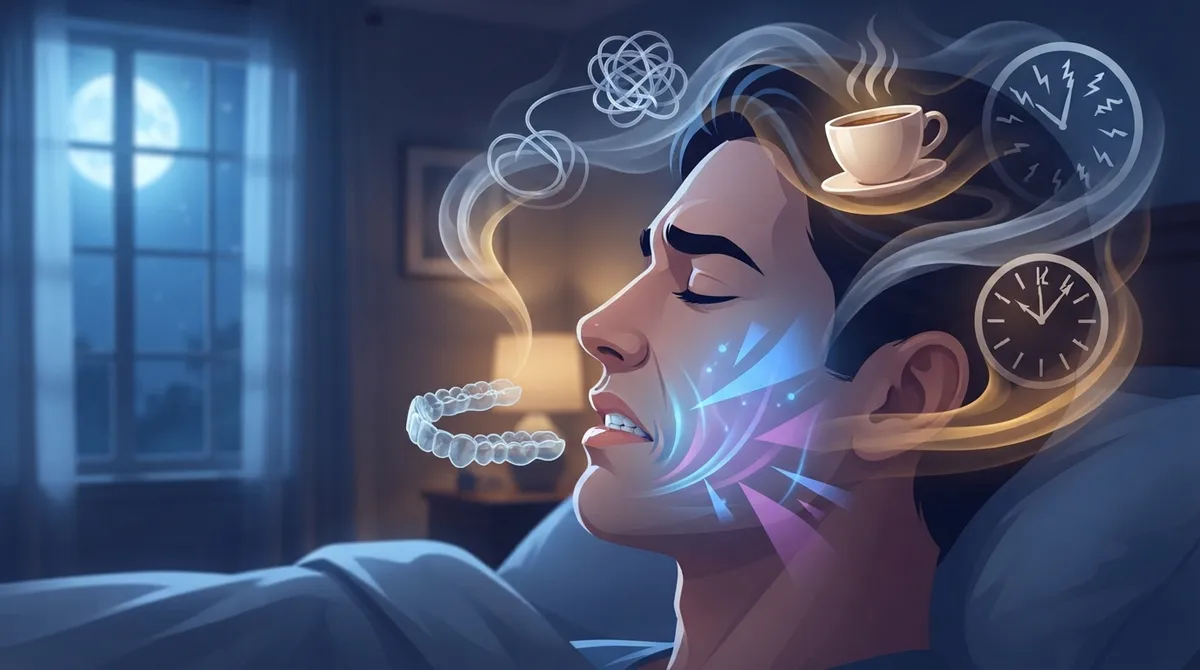
Common lifestyle habits including excessive caffeine, alcohol before bed, smoking, and irregular sleep schedules increase grinding risk; reducing these habits supports bruxism treatment.
-
Early detection through regular dental checkups is critical; dentists can spot wear patterns, cracks, and jaw muscle tenderness before bruxism causes expensive damage like broken teeth.
Ever wake up with a sore jaw or a dull headache for no clear reason? You might be grinding your teeth while you sleep, and you may not even know it. Night time bruxism is one of the most common dental issues we see at our Brandon, FL office, and it affects people of all ages. The tricky part is that most people don’t realize they’re doing it until their teeth start showing wear or their partner mentions the grinding sounds at night.
At Dental Theory, we help families across Brandon understand why this happens and what to do about it. Whether you’re an adult dealing with jaw pain or a parent worried about your child’s grinding habit, this guide breaks down the real causes behind night time bruxism. We’ll also cover simple ways to protect your smile and get relief. Let’s dig into what’s really going on while you sleep.
What Is Night Time Bruxism, Exactly?
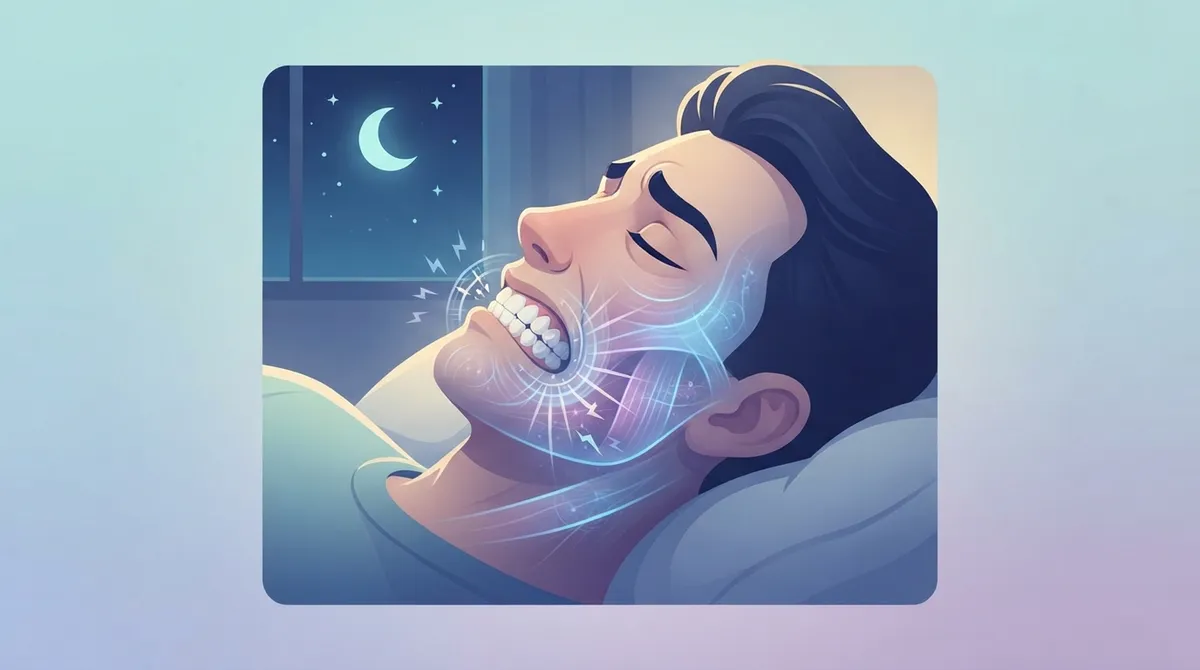
Night time bruxism is the medical term for grinding or clenching your teeth while you sleep. It’s different from daytime clenching, which often happens when you’re stressed or focused on a task. Sleep-related grinding is harder to control because it happens without you even knowing it.
This condition can cause real damage over time. Your teeth were not built to handle constant pressure and friction all night long. Left untreated, bruxism can lead to worn enamel, cracked teeth, and painful jaw problems.
Common Signs You Might Be Grinding Your Teeth
Many people don’t realize they grind their teeth until a dentist points out the signs during a checkup. Here are some common clues to watch for:
- Waking up with a sore or tight jaw
- Frequent headaches, especially in the morning
- Flattened, chipped, or cracked teeth
- Increased tooth sensitivity
- Jaw clicking or popping sounds
- A partner noticing grinding noises at night
If any of these sound familiar, it’s a good idea to contact Dental Theory for an evaluation. Catching bruxism early can save you from bigger dental problems down the road.
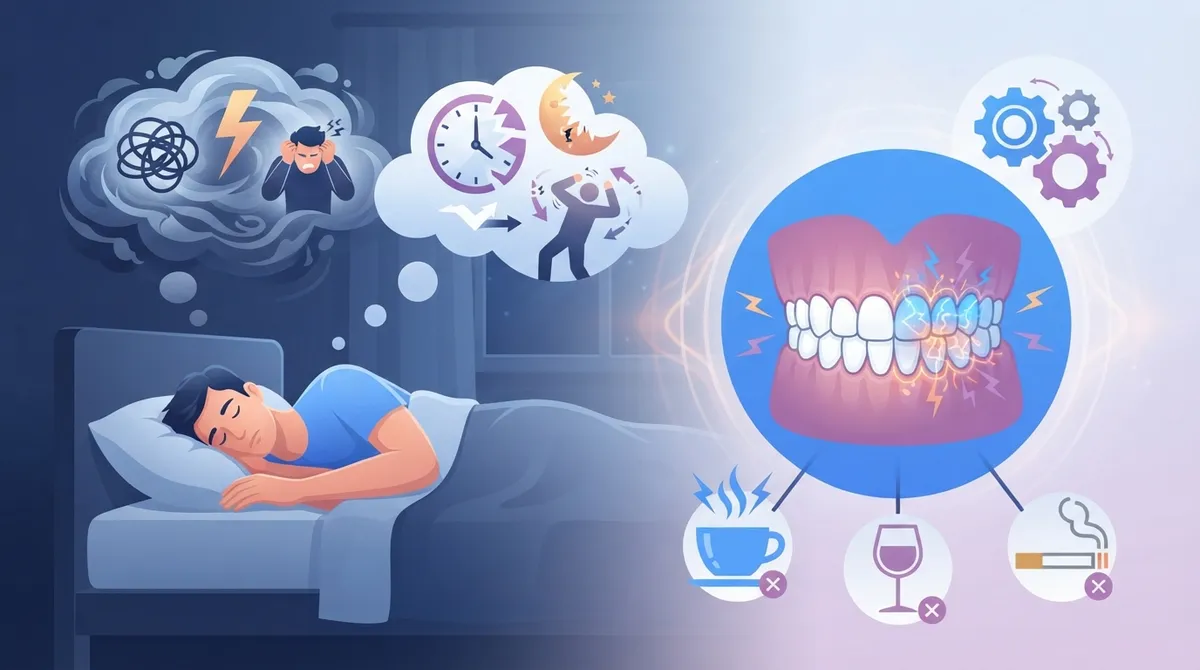
The Main Causes of Night Time Bruxism
There isn’t just one reason people grind their teeth at night. It’s usually a mix of physical, emotional, and lifestyle factors. Understanding the root cause helps your dentist create the right treatment plan for you.
1. Stress and Anxiety
This is by far the biggest trigger for night time grinding. When your mind is overloaded with worry, your body holds onto that tension even while you sleep. Many patients we see in Brandon report more grinding during stressful seasons like tax time, back-to-school, or the holidays.
2. Misaligned Teeth or Bite Problems
When your upper and lower teeth don’t line up correctly, your jaw muscles work overtime to find a comfortable resting position. This misalignment, called malocclusion, can trigger grinding as your mouth tries to self-correct at night.
3. Sleep Disorders
Conditions like sleep apnea are closely linked to bruxism. When breathing is disrupted during sleep, the body can respond with muscle tension, including jaw clenching. If you snore loudly or feel exhausted even after a full night’s sleep, this could be connected.
4. Lifestyle Habits
Certain habits make grinding more likely. These include:
- Drinking too much caffeine, especially in the evening
- Smoking or using tobacco products
- Drinking alcohol before bed
- High sugar intake affecting sleep quality
- Irregular sleep schedules
5. Age and Genetics
Bruxism can run in families. If your parents ground their teeth, you may be more likely to as well. It’s also more common in children, though most kids outgrow it as their adult teeth come in and their jaws develop.
Table: Common Causes and How They Affect Your Teeth
| Cause | How It Affects You | Who It Affects Most |
|---|---|---|
| Stress and Anxiety | Increased muscle tension, jaw clenching | Adults, teens |
| Misaligned Bite | Uneven pressure on teeth, jaw strain | All ages |
| Sleep Apnea | Disrupted breathing triggers grinding | Adults, especially over 40 |
| Caffeine or Alcohol | Poor sleep quality, more muscle activity | Adults |
| Genetics | Higher likelihood of inherited grinding habit | Children and adults |
Why Night Time Bruxism Matters for Your Dental Health
Grinding your teeth at night isn’t just an annoying habit. It can cause serious, lasting damage if it goes untreated. Your teeth face constant pressure that they were never designed to handle for hours every night.
Potential Long-Term Effects
- Worn down enamel that exposes sensitive dentin
- Cracked or fractured teeth requiring repair
- Increased risk of needing a dental crown or other restoration
- Chronic jaw pain or TMJ disorder
- Frequent headaches and disrupted sleep
- Damage to existing dental work like fillings or crowns
We’ve treated many Brandon patients whose grinding led to cracked teeth needing crowns. The good news is that Dr. K’s expert recommendations on same-day crowns mean you never have to wait around for repairs. At Dental Theory, we only use durable ceramic crowns, and Dr. K can often complete the entire process in a single visit.
How Dentists Diagnose Night Time Bruxism
Since this condition happens while you sleep, it can be tricky to diagnose on your own. Your dentist plays a key role in spotting the signs early during routine visits.
What Happens During a Dental Exam
During a comprehensive exam, your dentist will check for:
- Unusual wear patterns on tooth surfaces
- Small cracks or fractures in the enamel
- Jaw muscle tenderness or tightness
- Signs of TMJ issues, like clicking or limited jaw movement
- Cheek or tongue indentations from clenching
Regular teeth cleanings and checkups make it easier to catch bruxism before it causes major damage. This is one more reason routine visits matter so much for your long-term oral health.
Treatment Options That Actually Work
The right treatment depends on what’s causing your grinding. Most patients find relief with a combination approach that treats both the symptoms and the root cause.
1. Custom Night Guards
A custom-fitted night guard is one of the most effective ways to protect your teeth. Unlike store-bought versions, a dentist-made guard fits your mouth perfectly and provides real protection against grinding forces.
2. Stress Management Techniques
Since stress is such a common trigger, managing it can make a big difference. Simple habits like relaxation exercises, better sleep routines, or even talking to someone about daily stress can reduce grinding episodes.
3. Correcting Bite Alignment
If misaligned teeth are contributing to your bruxism, treatments like Invisalign can help realign your bite over time. A properly aligned bite reduces the strain that leads to nighttime grinding. Dr. K holds a Gold+ Invisalign provider status, so patients in Brandon have access to experienced, high-level care right here at home.
4. Restoring Damaged Teeth
If grinding has already caused damage, restorative options like veneers, crowns, or bridges can repair your smile and protect it moving forward. Ceramic same-day crowns from Dr. K mean you get lasting protection without multiple appointments.
Night Time Bruxism in Children
It’s common for young kids to grind their teeth, especially as their baby teeth come in and later fall out. In most cases, this resolves naturally without long-term harm.
When Parents Should Pay Attention
Watch for these signs in your child:
- Frequent complaints of jaw or ear pain
- Visible wear on baby teeth
- Trouble sleeping through the night
- Headaches in the morning
If your child shows these symptoms, it’s worth scheduling a visit with our pediatric team. Dr. Pri, our board-certified pediatric dentist, has extensive experience helping Brandon families manage childhood dental concerns with a gentle, patient approach.
Simple Steps You Can Take at Home
While professional treatment is important, there are things you can do at home to reduce grinding episodes.
- Cut back on caffeine, especially after lunchtime
- Practice relaxation exercises before bed, like deep breathing
- Avoid chewing on pens, ice, or other hard objects during the day
- Keep a consistent sleep schedule
- Apply a warm compress to your jaw before bed to relax muscles
- Stay hydrated throughout the day
These small changes won’t replace professional treatment, but they can support your progress alongside a night guard or other dental care.
Why Choose Dental Theory for Bruxism Treatment in Brandon
Our team understands how frustrating it can be to deal with jaw pain, headaches, and worn teeth from grinding. That’s why we take the time to find the real cause of your bruxism instead of just treating the symptoms. Dr. Chris Karapasha, known to patients as Dr. K, specializes in restorative and cosmetic care for adults dealing with the effects of teeth grinding.
Dr. K was recently recognized in a major industry publication. In fact, Dr. Chris Karapasha has been named one of America’s Top Young Dentists in Incisal Edge magazine’s 2025 40 Under 40. That recognition reflects the same quality of care every Brandon patient receives at our office.
We also encourage you to visit us on Google — Dental Theory to see what our neighbors here in Brandon have to say about their experience. You can also visit us on Facebook for updates, tips, and patient stories from our community.
When to See a Dentist About Grinding
Don’t wait until the pain becomes unbearable. Early treatment is always easier and more affordable than fixing extensive damage later. If you notice any warning signs, it’s time to schedule an appointment with our team.
Here are clear signs it’s time to book a visit:
- Persistent jaw soreness lasting more than a few days
- Visible cracks or chips in your teeth
- Frequent morning headaches
- Tooth sensitivity that wasn’t there before
- A partner mentioning loud grinding at night
Final Thoughts on Managing Night Time Bruxism
Night time bruxism is more common than most people realize, and it often goes unnoticed until damage has already started. The good news is that with the right care, you can protect your teeth and get relief from jaw pain and headaches. Whether the cause is stress, misalignment, or a sleep disorder, our team at Dental Theory in Brandon is ready to help you find real answers.
If you think you might be grinding your teeth at night, don’t wait for the problem to get worse. Reach out today to contact Dental Theory and take the first step toward a healthier, pain-free smile.
FAQs
Q: What causes night time bruxism the most?
A: Stress and anxiety are the biggest culprits behind night time bruxism for most people. Your body holds onto tension even while you sleep, and that shows up as jaw clenching or grinding. Misaligned teeth and sleep disorders can also play a big role, so it really helps to get a proper dental checkup to pinpoint your specific cause.
Q: Can children grind their teeth at night too?
A: Yes, it’s actually pretty common in kids, especially while their teeth are developing. Most children outgrow it naturally as their adult teeth come in. If you notice your child complaining of jaw pain or you see wear on their teeth, it’s worth having our pediatric team take a look.
Q: How do I know if I’m grinding my teeth at night?
A: Common signs include waking up with a sore jaw, morning headaches, and noticing worn or chipped teeth. Sometimes a partner will hear the grinding sounds before you even realize it’s happening. A dental exam is the best way to confirm it, since we can spot subtle wear patterns you might miss.
Q: Will a night guard really stop my grinding?
A: A custom night guard won’t necessarily stop the grinding itself, but it protects your teeth from the damage it causes. Think of it as a cushion between your upper and lower teeth. Many of our patients find their jaw pain improves too, since the guard helps reduce muscle strain.
Q: Can fixing my bite help with bruxism?
A: It definitely can, especially if misalignment is a major cause of your grinding. Treatments like Invisalign can gradually correct your bite, which often reduces the strain that leads to nighttime clenching. It’s worth discussing with your dentist to see if this approach fits your situation.
Our Service Area