
Finding the best dentist in your area is one of the most important healthcare decisions you’ll make for yourself and your family. Quality dental care not only maintains your oral health but also contributes significantly to your overall well-being and confidence. With numerous dental practices available in most communities, knowing how to identify and select the best dentist in your area requires careful consideration of multiple factors, from credentials and experience to communication style and treatment philosophy.
The process of finding the best dentist in your area goes beyond simply choosing the closest practice or the one with the most attractive website. It involves researching qualifications, understanding different types of dental professionals, evaluating practice standards, and ensuring that your chosen dentist aligns with your specific needs and preferences. This comprehensive guide will walk you through the essential steps and considerations for making an informed decision about your dental care.
Understanding Your Dental Care Needs
Before beginning your search for the best dentist in your area, it’s crucial to assess your specific dental care requirements. Different patients have varying needs based on their age, oral health status, medical history, and personal preferences. Some individuals require routine preventive care and cleanings, while others may need specialized treatments such as orthodontics, periodontal therapy, or cosmetic procedures.
Consider your family’s dental history and any ongoing oral health concerns. If you have children, you’ll want to ensure that your chosen dentist is comfortable treating pediatric patients or can provide appropriate referrals to pediatric specialists. Adults with complex medical conditions may need dentists experienced in treating patients with diabetes, heart disease, or other systemic health issues that can affect oral health.
Your lifestyle and schedule also play important roles in determining the best dentist in your area for your specific situation. If you travel frequently for work, you might prioritize a practice that offers flexible scheduling or emergency care options. Busy professionals may value dentists who offer extended hours or weekend appointments, while families might prefer practices that can accommodate multiple family members during the same visit.
Essential Credentials and Qualifications to Verify
When evaluating potential candidates for the best dentist in your area, verifying credentials and qualifications should be your first priority. All practicing dentists must be licensed by their state dental board, and this information is typically available through online databases maintained by state licensing authorities. Look for dentists who have graduated from accredited dental schools and maintain active, unrestricted licenses.
Board certifications and memberships in professional organizations provide additional indicators of a dentist’s commitment to excellence and continuing education. The American Dental Association (ADA) membership, while not mandatory, demonstrates a dentist’s dedication to maintaining professional standards and staying current with industry developments. Many states also have local dental societies that provide additional oversight and continuing education opportunities for their members.
Continuing education requirements vary by state, but the best dentist in your area will typically exceed minimum requirements and pursue additional training in areas relevant to their practice. Look for dentists who regularly attend conferences, complete advanced courses, and stay current with the latest techniques and technologies in dentistry. This commitment to lifelong learning often translates to better patient outcomes and more comfortable treatment experiences.
Specialty certifications are particularly important if you require specific types of dental care. While general dentists can perform many procedures, certain complex treatments may be better handled by specialists who have completed additional years of training in their specific areas of expertise.
Researching and Gathering Recommendations
The search for the best dentist in your area should begin with gathering recommendations from trusted sources. Start by asking your current dentist for referrals if you’re relocating or seeking a second opinion. Medical professionals, including physicians and pharmacists, often have insights into local dental practices and can provide valuable recommendations based on their professional networks.
Personal recommendations from friends, family members, and colleagues can provide valuable insights into the patient experience at different dental practices. However, remember that individual preferences and needs vary, so what works well for one person may not be the ideal choice for another. When gathering personal recommendations, ask specific questions about communication style, office efficiency, treatment quality, and overall satisfaction.
Online resources can supplement personal recommendations and provide broader perspectives on dental practices in your area. The ADA’s Find-A-Dentist tool allows you to search for dentists by location and specialty, providing basic information about credentials and practice details. Online review platforms can offer insights into patient experiences, but approach these reviews with appropriate skepticism and look for patterns rather than focusing on individual complaints or praise.
Professional directories and local dental society websites often provide comprehensive information about dentists’ backgrounds, specialties, and practice philosophies. These resources can help you create a preliminary list of candidates for the best dentist in your area before conducting more detailed evaluations.
Evaluating Practice Standards and Technology
Modern dental practices should maintain high standards of cleanliness, organization, and patient safety. When visiting potential dental offices, observe the overall cleanliness and organization of the facility. The reception area, treatment rooms, and restrooms should be clean and well-maintained. Staff should follow proper infection control protocols, including the use of personal protective equipment and proper sterilization procedures for instruments.
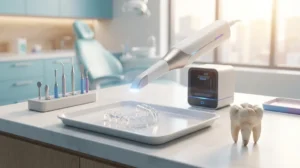
Technology plays an increasingly important role in modern dentistry, and the best dentist in your area will likely incorporate current technologies to improve diagnosis, treatment planning, and patient comfort. Digital X-rays reduce radiation exposure and provide immediate results, while intraoral cameras allow dentists to show patients exactly what they’re seeing during examinations. Advanced diagnostic tools such as digital impressions and 3D imaging can improve treatment accuracy and patient experience.
However, the presence of the latest technology doesn’t automatically make a practice superior. The best dentist in your area will use technology appropriately to enhance patient care rather than simply for marketing purposes. More important than having every new gadget is the dentist’s skill in using available tools effectively and their commitment to providing thorough, careful treatment.
Understanding Different Types of Dental Professionals
General Dentists: Your Primary Dental Care Providers
General dentists serve as the foundation of dental care and are often the best starting point when searching for the best dentist in your area. These professionals complete four years of dental school and are trained to diagnose, treat, and manage overall oral health care needs for patients of all ages. General dentists provide a wide range of services, including routine cleanings, fillings, crowns, bridges, and basic oral surgery procedures.
The advantage of establishing care with a skilled general dentist is the continuity and coordination of your dental care. A good general dentist will monitor your oral health over time, identify potential problems early, and coordinate with specialists when necessary. They serve as the quarterback of your dental care team, ensuring that all treatments work together to maintain optimal oral health.
When evaluating general dentists as candidates for the best dentist in your area, consider their range of services and comfort level with different procedures. Some general dentists pursue additional training in areas such as cosmetic dentistry, implant placement, or orthodontics, allowing them to provide more comprehensive care without referrals to specialists.
Dental Specialists: When Expertise Matters
While a skilled general dentist can handle most dental needs, certain situations may require the expertise of dental specialists. Understanding when to seek specialist care can help you make informed decisions about your dental treatment and ensure you receive the most appropriate level of care.
Orthodontists specialize in correcting misaligned teeth and bite problems through braces, clear aligners, and other appliances. If you or your family members have significant alignment issues, an orthodontist may be the best dentist in your area for addressing these specific concerns. Many orthodontists work closely with general dentists to coordinate comprehensive treatment plans.
Periodontists focus on the prevention, diagnosis, and treatment of gum disease and other conditions affecting the supporting structures of teeth. If you have advanced gum disease, require gum surgery, or need dental implant placement, a periodontist’s specialized training may be essential for optimal outcomes.
Endodontists specialize in root canal therapy and other procedures involving the interior of teeth. While many general dentists perform root canals, complex cases or retreatments may benefit from an endodontist’s specialized expertise and advanced equipment.
Oral and maxillofacial surgeons handle complex extractions, jaw surgery, and other surgical procedures involving the mouth, teeth, and facial structures. For wisdom tooth removal, dental implant placement, or corrective jaw surgery, these specialists provide the highest level of surgical expertise.
Pediatric Dentists: Specialized Care for Children
Pediatric dentists complete additional training specifically focused on treating infants, children, and adolescents. If you have young children, finding the best dentist in your area may involve choosing a pediatric specialist who understands child development, behavior management, and the unique dental needs of growing patients.
Pediatric dental offices are typically designed with children in mind, featuring child-friendly environments and staff trained to work with young patients. These specialists are skilled in techniques for managing dental anxiety in children and can provide specialized treatments such as space maintainers and early orthodontic intervention.
Evaluating Communication and Patient Care Philosophy
The best dentist in your area for your specific needs will demonstrate excellent communication skills and a patient care philosophy that aligns with your preferences. During initial consultations, pay attention to how well the dentist listens to your concerns, explains treatment options, and answers your questions. A good dentist should be able to explain complex procedures in terms you can understand and should respect your preferences and concerns.
Consider the dentist’s approach to treatment planning and decision-making. Some patients prefer dentists who present multiple treatment options and involve them in decision-making, while others prefer more directive approaches. The best dentist in your area for you will match your preferred communication style and decision-making process.
Observe how the dental team interacts with patients and each other. A well-functioning dental practice typically has friendly, professional staff who work efficiently together and demonstrate genuine concern for patient comfort and satisfaction. The office atmosphere should feel welcoming and professional, with staff who are knowledgeable about procedures, scheduling, and insurance matters.
Practical Considerations: Location, Hours, and Insurance
While clinical expertise should be the primary factor in choosing the best dentist in your area, practical considerations also play important roles in your decision. The location of the dental practice affects convenience for routine appointments and accessibility during emergencies. Consider factors such as parking availability, public transportation access, and travel time from your home or workplace.
Office hours and scheduling flexibility can significantly impact your ability to maintain regular dental care. The best dentist in your area for busy professionals might offer early morning, evening, or weekend appointments, while families might prioritize practices that can accommodate multiple family members during school breaks or summer vacations.
Insurance acceptance and payment options are practical considerations that can affect your long-term relationship with a dental practice. Verify that your chosen dentist accepts your dental insurance plan and understand any limitations or restrictions. Many practices offer payment plans or financing options for larger treatments, which can make comprehensive dental care more accessible.
Emergency care availability is another important consideration when selecting the best dentist in your area. Dental emergencies can occur at any time, and knowing how your dentist handles after-hours emergencies can provide peace of mind. Some practices provide 24-hour emergency contact information, while others may refer emergency cases to hospital emergency rooms or on-call services.
Making Your Final Decision
After researching credentials, visiting offices, and evaluating your options, making the final decision about the best dentist in your area requires weighing all factors according to your priorities and needs. Create a comparison chart listing the most important factors for your situation, such as credentials, services offered, communication style, location, and cost considerations.
Schedule initial consultations with your top candidates to get a firsthand impression of their practices and treatment approaches. Many dentists offer new patient consultations that include examinations, X-rays, and treatment planning discussions. These visits provide valuable opportunities to assess the dentist’s clinical skills, communication style, and overall practice quality.
Trust your instincts during these consultations. The best dentist in your area for you should make you feel comfortable, respected, and confident in their abilities. If something doesn’t feel right during your initial visit, don’t hesitate to continue your search until you find a dentist who meets all your criteria.
Conclusion
Finding the best dentist in your area requires careful research, thoughtful evaluation, and consideration of your specific needs and preferences. By verifying credentials, understanding different types of dental professionals, evaluating practice standards, and assessing communication styles, you can make an informed decision that will serve your oral health needs for years to come.
Remember that the best dentist in your area is the one who combines clinical expertise with a patient care approach that makes you feel comfortable and confident. Take the time to thoroughly research your options, ask questions, and trust your instincts. Quality dental care is an investment in your overall health and well-being, making the effort to find the right dentist well worth your time and consideration.
The relationship with your dentist should be a long-term partnership focused on maintaining and improving your oral health. By choosing the best dentist in your area based on thorough evaluation and careful consideration, you’re taking an important step toward a lifetime of healthy smiles and optimal oral health.