
Key Takeaways
-
Most patients see noticeable improvement within 4 to 12 weeks of starting treatment, with mild cases potentially resolving in a few weeks using a custom night guard and home care.
-
Consistency is critical—wearing your night guard every night, practicing jaw stretches, and attending all follow-up appointments significantly speeds up recovery and prevents symptom relapse.
-
Treatment duration varies based on severity, root cause (stress-related grinding vs. structural joint damage), bite alignment issues, and individual healing response, making personalized evaluation essential.
-
TMJ treatment follows four stages: initial diagnosis, conservative treatment (2-8 weeks), ongoing management (2-6 months), and long-term maintenance, with most cases avoiding the need for surgery.
-
Stress management, soft food consumption during flare-ups, and avoiding gum chewing support faster healing, while untreated symptoms lasting over a week warrant professional evaluation to prevent long-term complications.
Jaw pain. Clicking sounds when you chew. Headaches that just won’t quit. If this sounds familiar, you might be dealing with TMJ disorder, and you’re probably wondering one thing above all else: how long is this going to take to fix? We get this question a lot from patients in Brandon, and we understand why. Nobody wants to live with jaw pain longer than they have to, but nobody wants false promises either.
The honest answer is that TMJ treatment timelines vary quite a bit from person to person. Some people feel better in just a few weeks. Others need several months of care to find lasting relief. It all depends on what’s causing your jaw pain and how your body responds to treatment. In this guide, we’ll walk you through what affects your treatment timeline, what to expect at each stage, and how our team approaches TMJ rehabilitation here at Dental Theory. Let’s get you some real answers.
What Is TMJ Disorder, Exactly?
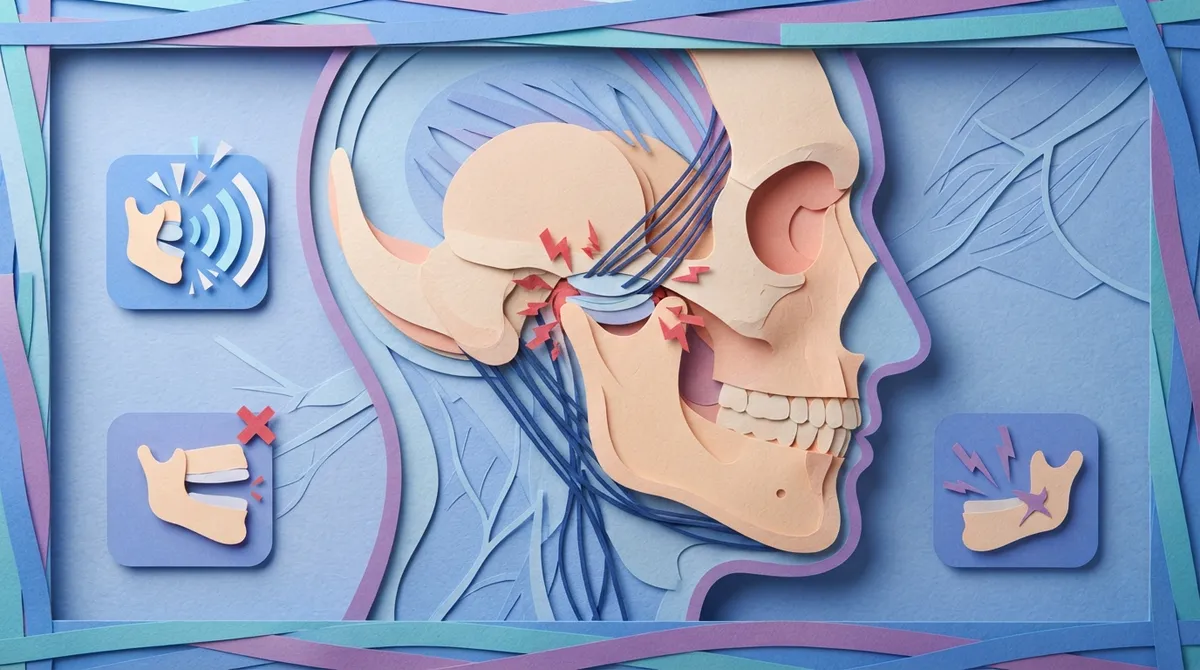
Your temporomandibular joint, or TMJ, connects your jawbone to your skull. You have one on each side of your face, right in front of your ears. These joints let you talk, chew, and yawn without thinking twice about it. But when something goes wrong with these joints or the muscles around them, you end up with TMJ disorder.
TMJ disorder can show up in a lot of different ways. Some people feel a dull ache in their jaw. Others hear popping or clicking every time they open their mouth. Many patients also deal with headaches, ear pain, or even neck and shoulder tension. It’s not just uncomfortable. It can genuinely affect your daily life, making it hard to eat, talk, or even sleep well.

How Long Does TMJ Treatment Take? The Short Answer
Most patients see noticeable improvement within 4 to 12 weeks of starting treatment. However, some mild cases resolve in as little as a few weeks with simple home care and a custom night guard. More complex cases involving joint damage or long-term muscle tension may take six months to a year of ongoing management.
Here’s the thing about TMJ treatment: it’s rarely a one-and-done fix. Think of it more like physical therapy for your jaw. You’re retraining muscles, easing inflammation, and sometimes correcting bite issues that have built up over years. That takes patience, but it’s absolutely worth it when you finally get relief.
Factors That Affect Your Treatment Timeline
Every patient’s jaw is a little different, and so is every treatment plan. Here are the biggest factors that determine how long your TMJ treatment will take:
- Severity of your symptoms: Mild discomfort usually clears up faster than chronic, long-term pain.
- The root cause: Stress-related teeth grinding often responds quickly, while structural joint problems take longer.
- How consistent you are: Wearing your night guard every night and following home care tips speeds things up.
- Whether other issues are involved: Misaligned teeth, missing teeth, or old dental work can complicate treatment.
- Your body’s healing response: Just like any other joint, everyone heals at a different pace.
The Typical Stages of TMJ Treatment
While every plan is customized, most TMJ treatment follows a similar path. Understanding these stages can help you know what to expect and when.
Stage 1: Diagnosis and Evaluation (1 Visit)
Your first step is a thorough exam. During your visit, your dentist will check your jaw movement, listen for clicking or popping, and ask about your symptoms. Digital X-rays often help pinpoint what’s happening inside the joint itself. This visit usually takes one appointment, though your dentist may want to monitor things over a couple of weeks before finalizing your plan.
Stage 2: Conservative Treatment (2 to 8 Weeks)
Most patients start with the least invasive options first. This might include a custom night guard to stop teeth grinding, warm compresses, jaw stretches, or anti-inflammatory medication. Many people notice improvement within the first two to four weeks of consistent use. This stage is often where treatment ends for milder cases.
Stage 3: Ongoing Management (2 to 6 Months)
If symptoms persist, your dentist may recommend additional therapies. This could include bite adjustments, orthodontic evaluation, or physical therapy exercises for your jaw muscles. This stage takes longer because it involves gradually retraining your jaw and monitoring your progress at regular check-ins.
Stage 4: Long-Term Maintenance (Ongoing)
Once your symptoms improve, you’ll likely continue wearing your night guard and practicing good habits to prevent flare-ups. Many patients need only occasional checkups after this point, similar to a regular dental visit.
Common TMJ Treatment Options and Their Timelines
Not sure what kind of treatment might be right for you? Here’s a quick breakdown of common options and how long each typically takes to show results.
| Treatment Option | Typical Timeline | Best For |
|---|---|---|
| Custom Night Guard | 2 to 6 weeks | Teeth grinding, mild jaw tension |
| Jaw Exercises & Stretches | 3 to 8 weeks | Muscle-related stiffness |
| Bite Adjustment | 1 to 3 months | Misaligned bite causing strain |
| Orthodontic Correction | 6 to 18 months | Significant alignment issues |
| Physical Therapy | 2 to 6 months | Chronic muscle tension |
Keep in mind these are general estimates. Your dentist will give you a more personalized timeline once they understand your specific situation.
Steps You Can Take to Speed Up Recovery
While you can’t rush healing entirely, there’s a lot you can do to help your treatment work faster and better. Here’s what we recommend to our patients:
- Wear your night guard every single night. Consistency makes a huge difference in reducing grinding and clenching.
- Eat softer foods during flare-ups. Give your jaw a break from tough, chewy meals while it heals.
- Practice gentle jaw stretches. Your dentist can show you simple exercises to do at home.
- Manage stress levels. Since stress often triggers jaw clenching, relaxation techniques can genuinely help.
- Avoid chewing gum. This puts extra strain on an already irritated joint.
- Attend every follow-up appointment. This lets your dentist track progress and adjust your plan as needed.
When to See a Dentist About Jaw Pain
Not sure if your symptoms are serious enough for treatment? Here are some signs it’s time to schedule a visit:
- Jaw pain that lasts more than a week
- Clicking or popping sounds every time you chew
- Trouble opening your mouth fully
- Frequent headaches or earaches with no clear cause
- Jaw locking, even temporarily
- Pain that spreads to your neck or shoulders
If any of these sound familiar, don’t wait it out. Early treatment often means a shorter, easier road to relief. Our team can walk you through the process during your first consultation, and if you’d like to see what other patients say about their experience, feel free to visit us on Google — Dental Theory before booking your visit.
Why TMJ Treatment Is Rarely a Quick Fix
We know waiting weeks or months for relief can feel frustrating. But TMJ treatment takes time because it’s addressing the actual source of your discomfort, not just masking symptoms. Rushing the process, or stopping treatment too soon, often means symptoms come right back.
Think about it like recovering from a sprained ankle. You wouldn’t run a marathon the day after a sprain, right? Your jaw joint deserves the same patience. Gradual, steady care leads to better long-term results than trying to force a quick solution.
How Dental Theory Approaches TMJ Care in Brandon
At Dental Theory, we take a personalized approach to every TMJ case that walks through our doors. We start with a full evaluation to understand exactly what’s causing your discomfort. From there, we build a treatment plan designed around your specific needs, whether that’s a simple night guard or a more involved combination of therapies.
We also believe treatment should feel comfortable, not stressful. Our office focuses on a relaxed, friendly environment using modern technology so you always know what’s happening and why. Many patients also ask us about related issues like teeth grinding and bruxism, since these conditions often go hand in hand with TMJ pain. If you’re dealing with a damaged tooth from grinding, our same-day ceramic crowns can restore your smile in a single visit, so you won’t need to come back for a second appointment.
While our team handles general and cosmetic dentistry for adults, including general dentistry services and cosmetic dentistry options, we also care for the whole family. Parents in Brandon trust us for everything from routine checkups to more specialized concerns, and we’re proud to be a practice where every family member gets the attention they deserve.
Taking Care of Your Home and Smile Together
Interestingly, a lot of our patients mention that stress from home projects or busy schedules contributes to their jaw tension. If you’re tackling a renovation and need reliable craftsmanship, our patients have had great experiences with Bucheli Trim Carpentry for trim and carpentry work. And if your yard needs some attention while you focus on your health, All Trusted Lawn Care is a name our community trusts for lawn maintenance. Taking care of these everyday stressors can actually support your overall treatment progress, since less stress often means less jaw clenching.
Frequently Asked Questions About TMJ Recovery
We’ll cover some common questions below, but if you have concerns specific to your situation, our team is always happy to chat. You can also visit us on Facebook to see updates from our office and connect with our community.
Living with jaw pain isn’t something you have to just accept. Whether you’re dealing with mild discomfort or symptoms that have been building for years, our team at Dental Theory is here to help you find real relief. We’ll walk you through every step, answer your questions honestly, and build a treatment plan that actually fits your life and your timeline. Ready to stop guessing and start feeling better? Contact Dental Theory today to schedule your TMJ evaluation, or schedule an appointment online at a time that works for you. Your jaw, and your peace of mind, will thank you.
FAQs
Q: How long does TMJ treatment take before I feel relief?
A: Most of our patients notice some relief within 2 to 4 weeks of starting conservative treatment like a night guard. Full recovery from more complex cases can take a few months, but small improvements often show up much sooner than you’d expect.
Q: Can TMJ disorder go away on its own without treatment?
A: Sometimes mild TMJ symptoms improve on their own, especially if they’re caused by temporary stress or a minor jaw strain. But if pain sticks around for more than a week or two, it’s best to get it checked out so it doesn’t turn into a longer-term problem.
Q: Does a night guard really help speed up TMJ treatment?
A: Absolutely, a custom night guard is often one of the fastest ways to reduce jaw strain from grinding and clenching. Many patients feel noticeably better within just a few weeks of wearing one consistently every night.
Q: Will I need surgery for my TMJ disorder?
A: The good news is that most TMJ cases never need surgery at all. Conservative treatments like night guards, jaw exercises, and bite adjustments resolve the vast majority of cases we see here at Dental Theory.
Q: How often will I need follow-up visits during TMJ treatment?
A: This really depends on your specific plan, but most patients come in every few weeks during the early stages to track progress. Once your symptoms improve, follow-ups become much less frequent, similar to a regular dental checkup schedule.
Our Service Area