Key Takeaways
-
Bruxism causes permanent enamel damage that cannot regenerate, but early treatment with custom night guards can stop further harm before it becomes extensive.
-
Common signs like morning jaw soreness, frequent headaches, and flat or chipped teeth warrant an immediate dental checkup to catch grinding damage before it worsens.
-
Stress management through exercise and meditation, combined with a custom night guard, are the most effective treatments to reduce teeth grinding and protect your smile.
-
Once enamel is worn away, restorative treatments like crowns, veneers, and bonding can restore both function and appearance, but prevention through early intervention is more affordable.
Do you wake up with a sore jaw or a dull headache almost every morning? You might be grinding your teeth at night without even knowing it. This habit is called bruxism, and it affects millions of adults and kids across the country. If you have ever wondered whether this grinding can cause lasting harm, you are not alone.
The short answer is yes, bruxism can damage your teeth permanently if it goes untreated. But here is the good news: with the right care, you can protect your smile and stop the damage before it gets worse. At Dental Theory in Brandon, FL, our team helps patients of all ages find relief from teeth grinding through simple, effective treatments.
In this guide, we will walk through exactly how bruxism harms your teeth, what permanent damage looks like, and the steps you can take today to protect your smile for years to come.
What Is Bruxism and Why Does It Happen
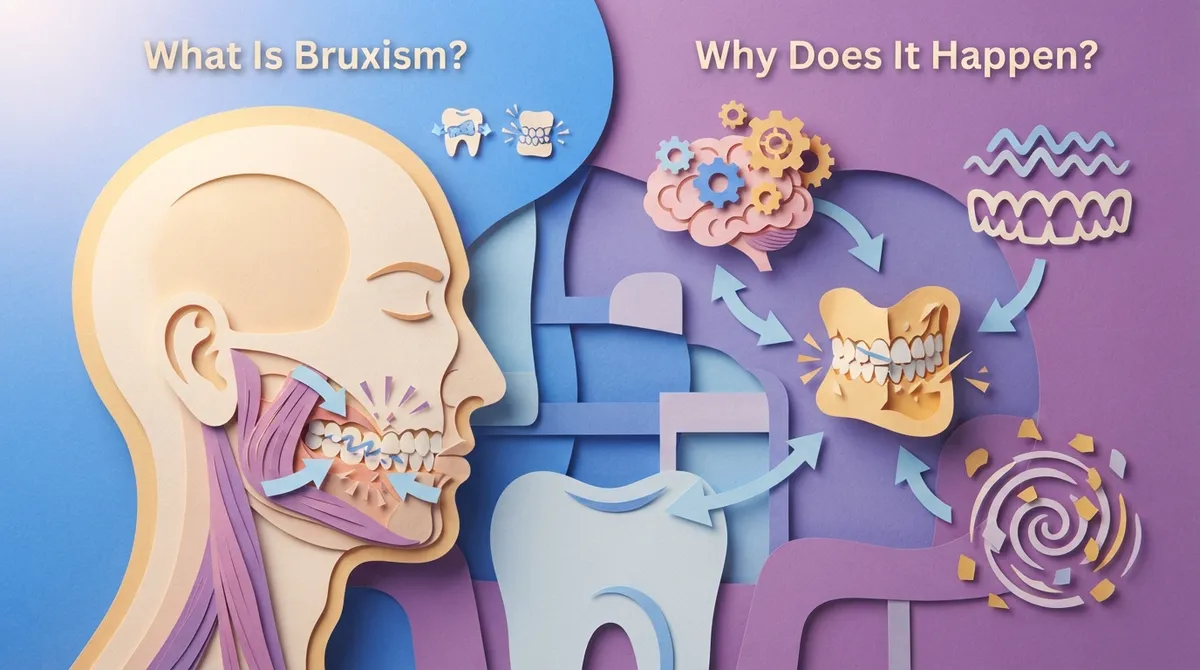
Bruxism is the medical term for grinding or clenching your teeth. Many people do this while they sleep, which makes it hard to catch on your own. Others grind their teeth during the day, often without noticing, especially during stressful moments.
Several things can trigger this habit. Stress and anxiety are the most common causes. A misaligned bite can also make grinding worse. Sleep disorders, like sleep apnea, often go hand in hand with nighttime grinding too.
Kids can grind their teeth as well, especially while their adult teeth are coming in. If you are concerned about your child’s habits, our board-certified pediatric dentist, Dr. Pri, can help identify the cause and guide you toward a solution.
How Bruxism Damages Your Teeth Over Time
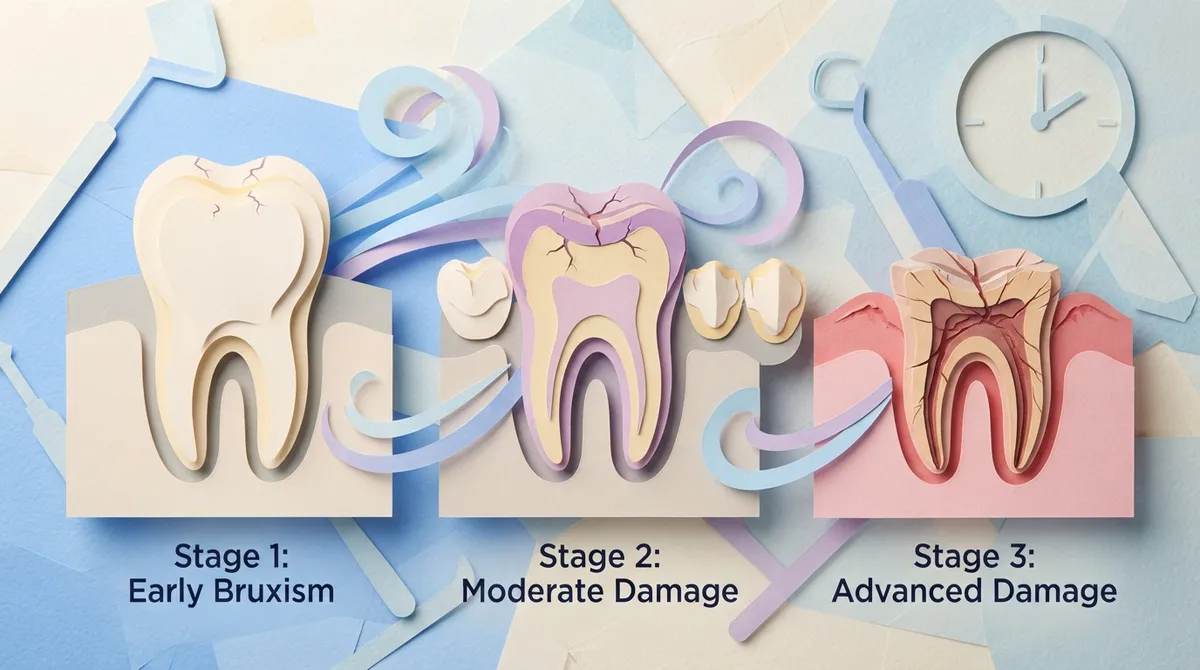
Your teeth are strong, but they are not designed to handle constant grinding pressure. Over months and years, this pressure adds up and creates real, lasting damage.
Here are the most common ways bruxism harms your teeth:
- Worn-down enamel: The protective outer layer of your teeth thins out, making teeth look shorter and flatter.
- Cracked or chipped teeth: Constant grinding puts stress on your teeth, causing small cracks that can turn into bigger breaks.
- Increased tooth sensitivity: As enamel wears away, the sensitive layer underneath gets exposed to hot and cold foods.
- Loose teeth: Heavy grinding can loosen teeth in their sockets over time.
- Jaw pain and TMJ issues: The muscles and joints in your jaw can become strained, leading to chronic pain.
Once enamel wears away, it does not grow back. This is why catching bruxism early matters so much. A quick visit for a comprehensive exam can help spot the warning signs before they turn into bigger problems.
Signs You Might Be Grinding Your Teeth
Many people do not realize they grind their teeth until a dentist points it out. Here are some signs to watch for:
- Waking up with a sore or tight jaw
- Frequent headaches, especially in the morning
- Teeth that look flat, chipped, or worn
- Increased sensitivity to hot or cold foods
- A partner or family member hearing grinding sounds at night
- Jaw clicking or popping when you chew or talk
If any of these sound familiar, it is worth scheduling a checkup. Our team at Dental Theory can take a close look and figure out if bruxism is the cause.
Can the Damage Be Reversed?
This is where things get tricky. Enamel loss and worn-down teeth cannot fix themselves. Once that protective layer is gone, it is gone for good. However, dentists have several ways to repair and protect your smile so you do not lose more ground.
Here is a quick breakdown of common damage and how it is typically treated:
| Type of Damage | What It Looks Like | Common Treatment |
|---|---|---|
| Worn enamel | Flat, shorter teeth | Bonding or crowns to restore shape |
| Cracked teeth | Small lines or chips on tooth surface | Same-Day Crowns for full protection |
| Sensitive teeth | Pain with hot or cold foods | Fluoride treatment or crowns |
| Jaw pain | Soreness, clicking, or tightness | Night guard or TMJ treatment |
For teeth that are badly worn or cracked, crowns and veneers can restore both function and appearance. Dr. K specializes in cosmetic dentistry and offers Same-Day Crowns made from durable ceramic material, so you never have to wait around or come back for a second visit. You can learn more about how same-day crowns work and their benefits right here on our site.
How Dentists Diagnose Bruxism
You might be surprised at how quickly a dentist can spot signs of grinding. During a routine checkup, we look for these clues:
- Flattened or worn tooth surfaces
- Small cracks in the enamel
- Tenderness in the jaw muscles
- Notches near the gum line called abfractions
- Wear patterns on old fillings or crowns
Sometimes we will ask about your sleep habits, stress levels, and any headaches you have been having. This helps us understand the full picture before recommending treatment.
Steps to Stop Bruxism Before It Causes More Damage
The good news is that bruxism is very treatable. Here are the most common steps we recommend:
- Wear a custom night guard. This is the most common and effective treatment. A night guard creates a soft barrier between your top and bottom teeth while you sleep.
- Manage stress. Since stress is a leading cause, activities like exercise, meditation, or therapy can help reduce grinding.
- Fix bite issues. If your teeth do not line up correctly, treatments like Invisalign can help correct alignment and reduce grinding triggers.
- Limit caffeine and alcohol. Both can make nighttime grinding worse for some people.
- Get regular dental checkups. Routine visits let us catch and treat damage early, before it becomes serious.
If you already have some damage from grinding, do not wait to get it checked out. Small cracks can turn into bigger breaks, and worn teeth can lead to more sensitivity and pain over time.
Protecting Your Child’s Teeth From Grinding
Bruxism is common in children too, especially between ages 3 and 6 while their teeth are still developing. Most kids grow out of it, but it is still worth mentioning at your child’s dental visits.
Dr. Pri is the only board-certified pediatric dentist in Brandon offering in-office sedation, making her uniquely equipped to handle even the most anxious young patients. If your child grinds their teeth and struggles with dental visits, sedation options can make the experience calm and stress-free. You can read more about how we approach sedation dentistry for children on our website.
Why Choose Dental Theory for Bruxism Treatment
Living in Brandon, Florida, you have a trusted, family-focused option right in your neighborhood. Dental Theory combines the latest technology with a warm, welcoming environment for patients of every age.
Whether you need a simple night guard, a Same-Day Crown to repair grinding damage, or a full evaluation of your bite, our team is here to help. Dr. K’s expertise in cosmetic and restorative dentistry means your smile gets both function and beauty back. In fact, Dr. Chris Karapasha has been named one of America’s Top Young Dentists in Incisal Edge magazine’s 2025 40 Under 40, a recognition that reflects his dedication to quality dental care. He is also a Gold+ rated provider, and you can view Dr. K’s Gold+ Invisalign Profile to see his credentials firsthand.
Do not just take our word for it. You can visit us on Google — Dental Theory to see reviews from real patients in Brandon, or visit us on Facebook to stay updated on office news and helpful dental tips.
Simple Habits That Support a Healthy Smile
Along with professional treatment, small daily habits can make a big difference in protecting your teeth from bruxism damage. Consider these tips:
- Keep a consistent sleep schedule to reduce stress-related grinding
- Avoid chewing on pens, ice, or hard objects during the day
- Stretch your jaw gently before bed to release tension
- Stay hydrated, since dehydration can contribute to muscle tightness
- Keep up with routine teeth cleanings so your dentist can track any changes early
Even outside the dental chair, taking care of your home and yard can reduce daily stress that contributes to grinding. If you are working on home projects, teams like Bucheli Trim Carpentry and All Trusted Lawn Care can help take one more thing off your plate, giving you more time to relax and unwind.
When to See a Dentist About Bruxism
You should not wait until your teeth are visibly damaged to get help. If you notice jaw soreness, headaches, or flattened teeth, it is time to schedule a visit. Early treatment is always easier and more affordable than fixing extensive damage later.
Our team welcomes new patients from all across Brandon and the surrounding area. Whether you need a first-time evaluation or ongoing care for an existing bruxism diagnosis, we are ready to help protect your smile for the long run.
Take the Next Step Toward a Healthier Smile
Bruxism does not have to control your dental health. With the right care plan, you can stop the grinding, protect your enamel, and avoid permanent damage. Whether you need a custom night guard, a Same-Day Crown, or simply want peace of mind, our team is ready to help.
Do not wait for small cracks to turn into bigger problems. Reach out today to contact Dental Theory and take the first step toward protecting your smile. You can also schedule an appointment online at a time that works best for you and your family.
FAQs
Q: Can bruxism damage my teeth permanently?
A: Yes, bruxism can cause permanent damage like worn enamel, cracked teeth, and increased sensitivity. The good news is treatments like night guards and crowns can protect your smile and stop further harm.
Q: How do I know if I grind my teeth at night?
A: Common signs include waking up with a sore jaw, frequent headaches, or flat, worn-looking teeth. A dentist can often spot these signs during a routine checkup, even if you have not noticed them yourself.
Q: What is the best treatment for teeth grinding?
A: A custom night guard is one of the most effective ways to protect your teeth from grinding damage. Managing stress and fixing bite issues can also help reduce how often you grind.
Q: Can children get bruxism too?
A: Yes, many kids grind their teeth, especially between ages 3 and 6. Most children grow out of it, but a pediatric dentist like Dr. Pri can monitor the habit and offer gentle, stress-free care if needed.
Q: Is enamel loss from grinding permanent?
A: Once enamel wears away, it does not grow back on its own. That said, treatments like bonding, veneers, or Same-Day Crowns can restore the look and function of your teeth beautifully.
Our Service Area