Key Takeaways
-
TMJ disorder can cause tinnitus, ear fullness, and muffled hearing because the jaw joint sits directly next to the ear canal and shares nerves, ligaments, and blood supply with middle ear structures.
-
The malleus bone in your middle ear develops from the same tissue as your jaw joint before birth, and a ligament called the discomalleolar ligament may directly link jaw problems to hearing issues.
-
Common TMJ causes include teeth grinding, misaligned bites, jaw injuries, arthritis, and chronic stress—addressing these root causes treats ear symptoms rather than just masking them.
-
Custom night guards, bite correction with restorative work, and TMJ rehabilitation therapy are proven treatments that often reduce or eliminate ear symptoms within weeks.
-
If ear exams show no infection or physical damage but symptoms persist alongside jaw clicking, popping, or morning jaw soreness, see a dentist to rule out TMJ as the hidden cause.
-
Lifestyle changes like avoiding gum chewing, reducing stress, eating soft foods, and staying mindful of jaw clenching support professional TMJ treatment and hearing symptom relief.
Have you ever noticed a ringing in your ears that just won’t quit? Or maybe your ears feel full, like they’re clogged, but you don’t have a cold. It’s easy to jump to conclusions about your hearing. But here’s something many folks in Brandon don’t know: the problem might not be your ears at all. It could be your jaw.
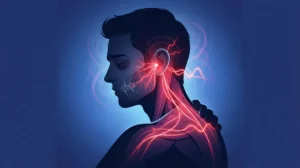
TMJ, or temporomandibular joint disorder, affects the joint that connects your jawbone to your skull. This joint sits right next to your ear canal. That’s why TMJ problems can cause symptoms that feel a lot like hearing issues. If you’ve been dealing with ear ringing, ear fullness, or unexplained dizziness, your jaw joint could be the hidden cause.
At Dental Theory, we see patients every week who are surprised to learn their ear troubles trace back to jaw tension or a misaligned bite. In this article, we’ll break down exactly how TMJ and your ears are connected. We’ll also cover the warning signs to watch for and what you can do about it. Let’s get into it.
What Is TMJ and Why Does It Affect Your Ears?
Your temporomandibular joint is a small hinge located just in front of your ears. You have one on each side of your face. This joint lets you chew, talk, and yawn. When something goes wrong with this joint, doctors call it TMJ disorder, or sometimes TMD.
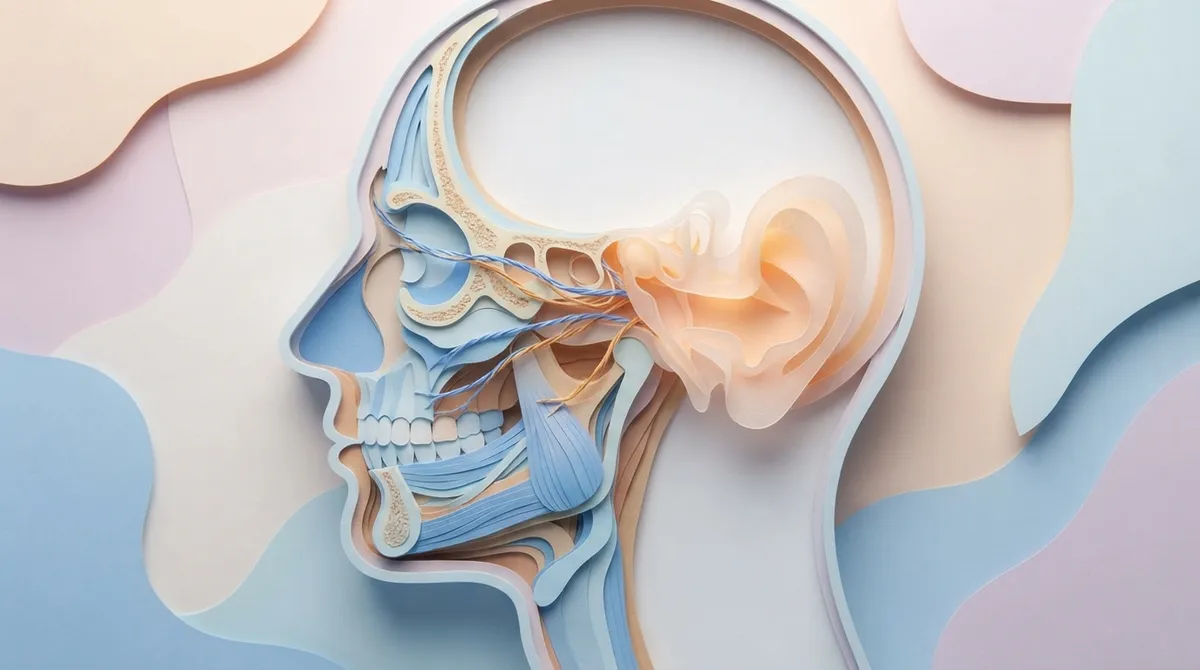
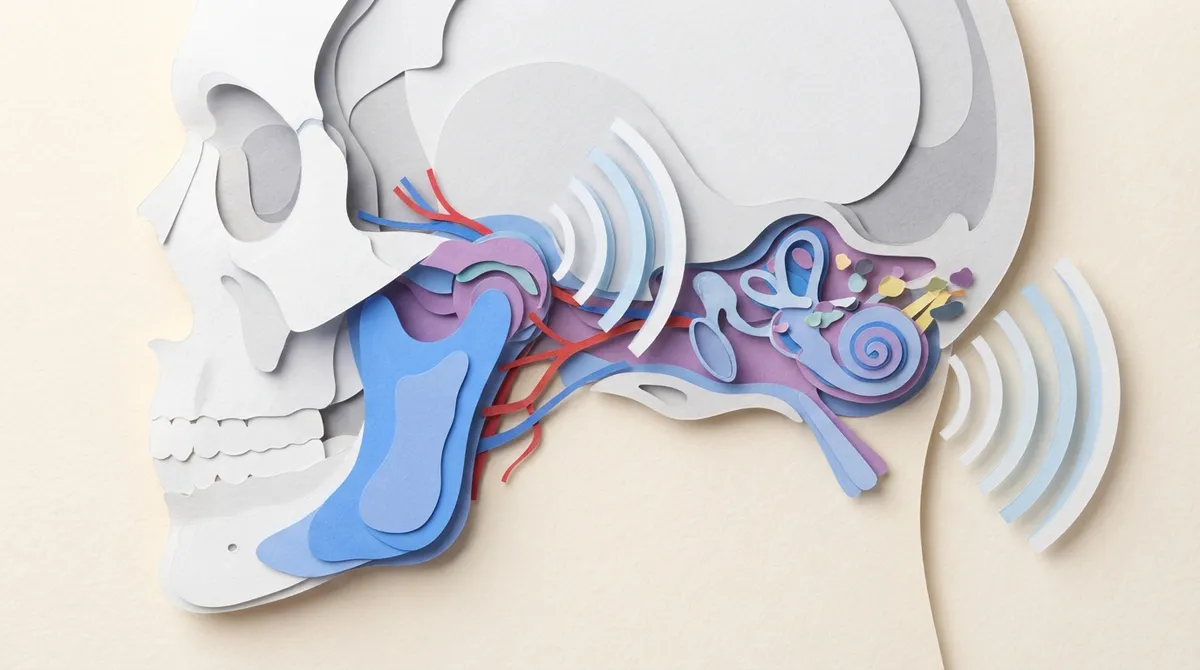
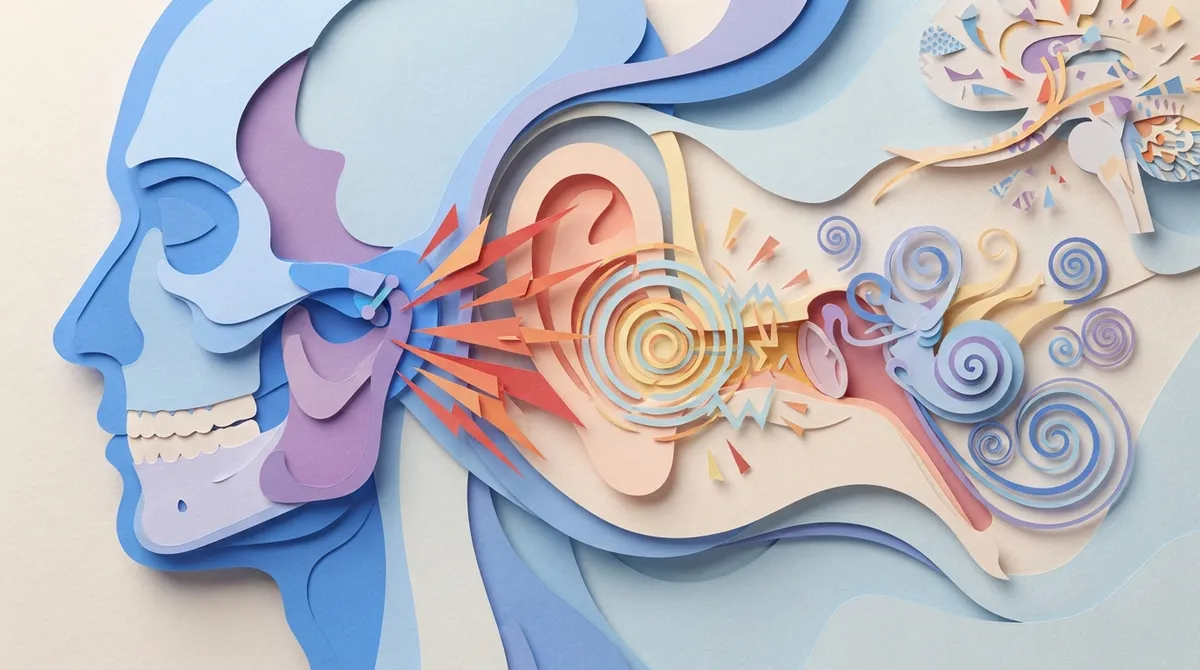
The reason TMJ can mess with your hearing comes down to simple anatomy. The jaw joint sits extremely close to your middle ear. In fact, they share some of the same nerves, ligaments, and blood supply. When your jaw joint becomes inflamed, tight, or out of alignment, that irritation can spread to nearby ear structures.
Think of it like living next door to a noisy neighbor. Even if the noise isn’t coming from your house, you still hear it. Your ear “hears” the trouble happening in your jaw joint because they’re so physically close together.
The Anatomical Connection Between Jaw and Ear
Here’s a fun fact that surprises most patients. One of the tiny bones in your middle ear, called the malleus, actually develops from the same tissue as your jaw joint before birth. This shared origin explains why jaw problems can create such realistic ear symptoms.
There’s also a ligament called the discomalleolar ligament that some researchers believe directly links the jaw joint to the middle ear bones. When your jaw joint gets inflamed or shifts out of place, this connection may transmit that irritation straight to your hearing system.
Common Ear Symptoms Linked to TMJ Disorder
If you’re dealing with any of these symptoms alongside jaw pain, TMJ could be the culprit. Many patients visit an ear doctor first, only to be told their ears are perfectly healthy. That’s often the moment they get referred back to a dentist.
- Ringing, buzzing, or humming sounds in one or both ears (tinnitus)
- A feeling of fullness or pressure in the ears, similar to being on an airplane
- Muffled hearing that comes and goes
- Ear pain with no signs of infection
- Dizziness or a mild off-balance feeling
- Clicking or popping sounds when you open your mouth
Notice how many of these overlap with common ear infection symptoms? That’s exactly why TMJ-related hearing issues get missed so often. Patients bounce between doctors before anyone thinks to check the jaw joint.
Why Tinnitus and TMJ Often Show Up Together
Tinnitus is the medical term for that ringing, buzzing, or whooshing sound you hear when there’s no outside noise causing it. Research has shown a strong link between TMJ disorder and tinnitus. Some studies suggest people with TMJ are far more likely to experience tinnitus than those without jaw problems.
The theory is that muscle tension around the jaw joint can affect the tiny muscles inside your ear that control sound transmission. When those muscles tighten up due to nearby jaw inflammation, your brain may interpret that tension as a phantom sound.
What Causes TMJ Disorder in the First Place
Understanding the root cause helps you and your dentist figure out the best treatment plan. TMJ disorder doesn’t just appear out of nowhere. It usually builds up over time from one or more of these factors.
- Teeth grinding or clenching (bruxism): This puts constant pressure on your jaw joint, especially while you sleep.
- Misaligned bite: When your upper and lower teeth don’t fit together properly, your jaw muscles work harder than they should.
- Jaw injury or trauma: A blow to the face or whiplash can damage the joint directly.
- Arthritis: Conditions like osteoarthritis can affect the jaw joint just like any other joint in your body.
- Chronic stress: Stress often leads to unconscious jaw clenching throughout the day.
Missing teeth, worn-down crowns, or old dental work that no longer fits right can also throw off your bite. This puts extra strain on the jaw joint over months or years.
How Dentists Diagnose TMJ-Related Ear Problems
Getting an accurate diagnosis matters a lot here. You don’t want to keep guessing while your symptoms get worse. A dental exam focused on your bite, jaw movement, and muscle tension can reveal a lot.
| Diagnostic Step | What It Checks |
|---|---|
| Jaw movement exam | Range of motion, clicking, popping, or locking |
| Bite analysis | How your upper and lower teeth align |
| Muscle palpation | Tenderness or tightness around the jaw and temples |
| Imaging (X-rays or scans) | Joint structure and any visible damage |
| Symptom history review | Timing and pattern of ear or hearing symptoms |
Your dentist will also ask about headaches, neck pain, and sleep habits since these often connect to TMJ as well. If you’re dealing with jaw pain and ear symptoms at the same time, it’s worth reading more about why jaw pain won’t go away and what relief options exist.
Treatment Options That Can Ease Ear Symptoms
The good news is that TMJ-related hearing problems often improve once the jaw issue gets treated. You don’t have to live with constant ringing or that clogged-ear feeling forever.
Custom Night Guards
If clenching or grinding is behind your TMJ, a custom-fitted night guard can make a huge difference. It creates a cushion between your teeth so your jaw muscles can relax overnight. Many patients notice their ear symptoms fade within a few weeks of consistent use.
Bite Correction and Restorative Work
Sometimes a misaligned bite needs more than a night guard. Restorative treatments like Veneers Crowns Bridges can help even out your bite so your jaw joint isn’t working overtime. If a damaged or missing tooth is contributing to the imbalance, addressing it directly can relieve pressure on the joint.
TMJ Rehabilitation Therapy
For more advanced cases, structured Tmj Rehabilitation combines gentle exercises, muscle therapy, and sometimes bite adjustments. This approach targets the root of the joint dysfunction instead of just masking symptoms.
Lifestyle Adjustments
- Avoid chewing gum or biting your nails
- Practice stress-reduction techniques like deep breathing
- Eat softer foods during flare-ups
- Apply warm compresses to the jaw muscles
- Be mindful of jaw clenching during the day
These small habit changes support whatever professional treatment your dentist recommends.
When Should You See a Dentist About Ear Symptoms?
Not every ear issue is TMJ-related, so it’s smart to rule out other causes first, like an actual ear infection or wax buildup. But if you’ve already checked with a doctor and your ears seem physically fine, it’s time to think about your jaw.
Here are signs it’s worth scheduling a dental visit:
- Ear symptoms happen alongside jaw clicking or popping
- Symptoms get worse when you chew or talk a lot
- You wake up with a sore or tight jaw
- You clench or grind your teeth at night
- You’ve had multiple ear exams that came back normal
At Dental Theory in Brandon, our team takes a whole-mouth approach to your comfort. Dr. K’s expertise in restorative and cosmetic dentistry means we look at how your bite, teeth, and jaw work together, not just one tooth at a time. If you’d like to see what our patients have to say, feel free to Visit us on Google — Dental Theory and read their experiences.
Why Choose Dental Theory for TMJ Concerns in Brandon
Living with unexplained ringing in your ears or that annoying pressure feeling can wear you down. You deserve answers, not more guessing games between doctors. Our team at Dental Theory takes the time to look at your whole picture, from your bite to your jaw muscles to your daily habits.
We know how frustrating it feels to bounce between specialists without getting real relief. That’s why we start with a thorough exam and build a treatment plan around your specific symptoms. Whether that means a custom night guard, bite correction, or a referral for further imaging, we walk you through every step.
You can also learn more about our practice and read patient stories by visiting us on visit us on Facebook, where we share updates and helpful tips for families throughout Brandon.
Take the First Step Toward Relief
You don’t have to keep living with mystery ear symptoms and jaw pain. TMJ disorder is treatable, and relief is often closer than you think. If jaw tension, clicking, or ringing in your ears has been bothering you, it’s time to get real answers.
Ready to find out if TMJ is behind your ear symptoms? Contact Dental Theory today and let our friendly team help you breathe easier, chew comfortably, and finally quiet that ringing for good. You can also schedule an appointment online at a time that works best for your busy Brandon schedule.
Our Service Area