Key Takeaways
-
Invisalign aligners are not permanent, but straight results can last a lifetime if you wear your retainer as directed, since teeth naturally tend to drift back after treatment.
-
Most dentists recommend nighttime retainer wear long term, and skipping it is the main reason teeth relapse toward their original position.
-
If your retainer feels tight or teeth look different, contact your dentist early; minor shifts can often be fixed with full-time retainer wear or a short round of new aligners.
-
Keep retainers in their case, clean them daily, schedule regular checkups, and ask about a night guard if you grind or clench your teeth at night.
If you have been thinking about straightening your teeth, you have probably asked yourself one big question: is Invisalign permanent? It is a smart thing to wonder. After all, you are putting time, effort, and money into your smile, and you want those results to last.
Here is the short answer. The aligners themselves are not permanent, but your new tooth position can be, as long as you take care of it afterward. Think of Invisalign like a trip. The aligners take you to your destination, and a retainer keeps you parked there for good.
In this friendly guide, we will walk you through how Invisalign works, why teeth can shift, what keeps your results in place, and what to do if things change. We will also cover cost, care, and tips for Brandon, FL families. Let’s jump in!

So, Is Invisalign Permanent?
No, Invisalign is not permanent in the way a dental implant is. Invisalign is a temporary treatment that moves your teeth into a better position. Once your final aligner is done, the active part of treatment ends.
The results, though, can be long-lasting. Your teeth stay straight when you wear your retainers as directed. Skip them, and your teeth may slowly drift back toward where they started.
So the honest answer is this: Invisalign is not permanent by itself, but a lifetime of straight teeth is very possible with a little ongoing care.
How Invisalign Moves Your Teeth
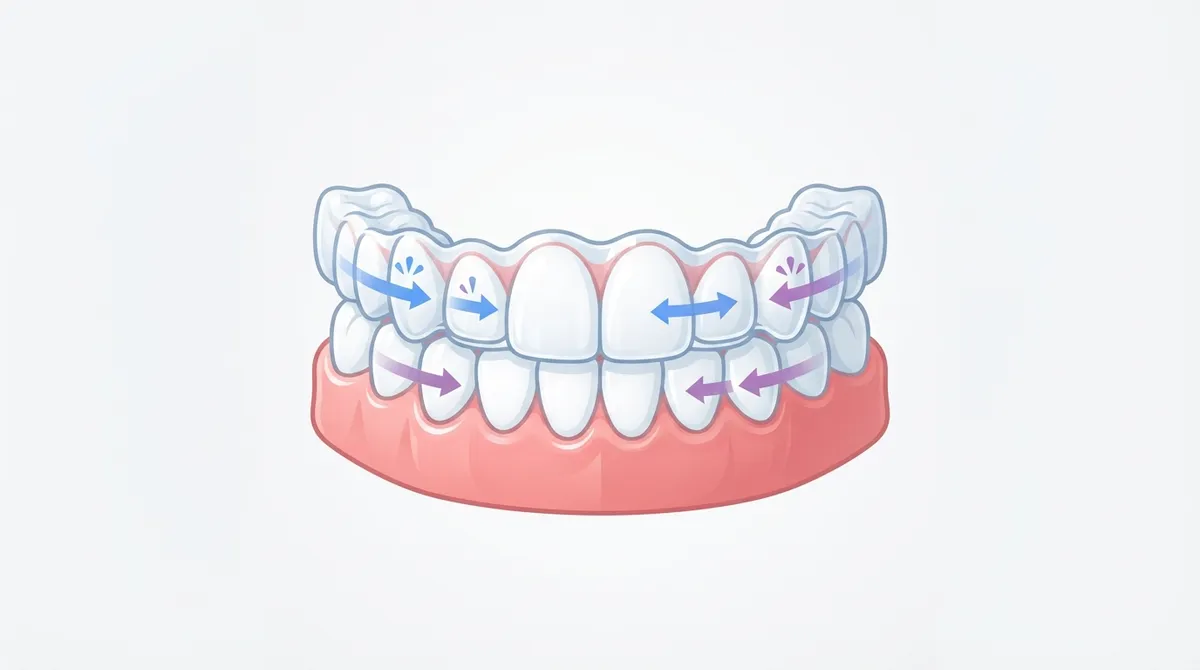
To understand why results are not automatically permanent, it helps to know how Invisalign works. Clear aligners apply gentle, steady pressure to your teeth. Over time, your jawbone and gums adjust, and your teeth shift into new spots.
Here is a simple look at the process:
- You get a digital scan and a custom treatment plan.
- You receive a series of clear aligners made just for you.
- You wear each set for about 20 to 22 hours a day.
- You switch to a new set every one to two weeks.
- You finish with a retainer to hold your new smile in place.
That last step is the secret to lasting results. If you want a closer look at the finish line, check out our guide to the 7 final stages of Invisalign treatment.
Why Teeth Want to Move Back
Here is something many people do not know. Teeth are never fully locked in place. They sit in your jaw, held by tiny fibers and bone, and they respond to pressure all day long.
When aligners move your teeth, those fibers stretch. After treatment, the fibers still “remember” the old position. This is called relapse, and it is why a retainer matters so much.
A few things can make teeth shift over time:
- Skipping or losing your retainer
- Teeth grinding or clenching at night
- Natural aging and changes in your jaw
- Gum disease that weakens support around teeth
- Habits like nail biting or tongue thrusting
The good news? All of these are manageable with the right plan and a little help from your dental team.
The Retainer Is the Real Key to Permanent Results
If Invisalign is the journey, your retainer is the anchor. Most patients start with full-time wear for a few months, then move to nighttime wear. Many dentists suggest wearing retainers at night for the long term to keep teeth steady.
You might be wondering if this means forever. For many people, some form of retainer wear is the best way to protect their investment. We explain this in detail in our post on whether you need to wear a retainer forever after Invisalign.
Types of Retainers
| Retainer Type | How It Works | Best For |
|---|---|---|
| Clear removable retainer | Snaps over your teeth, worn mostly at night | Most Invisalign patients |
| Fixed (bonded) retainer | Thin wire attached behind front teeth | Patients at higher risk of shifting |
| Hawley retainer | Wire and acrylic plate, removable | Patients who want a durable option |
Your dentist will help you pick the type that fits your smile and lifestyle best.
What Can Make Invisalign Results Last Longer?
Good news! You have more control than you think. A few simple habits go a long way toward keeping your smile right where you want it.
- Wear your retainer as directed. This is the number one rule.
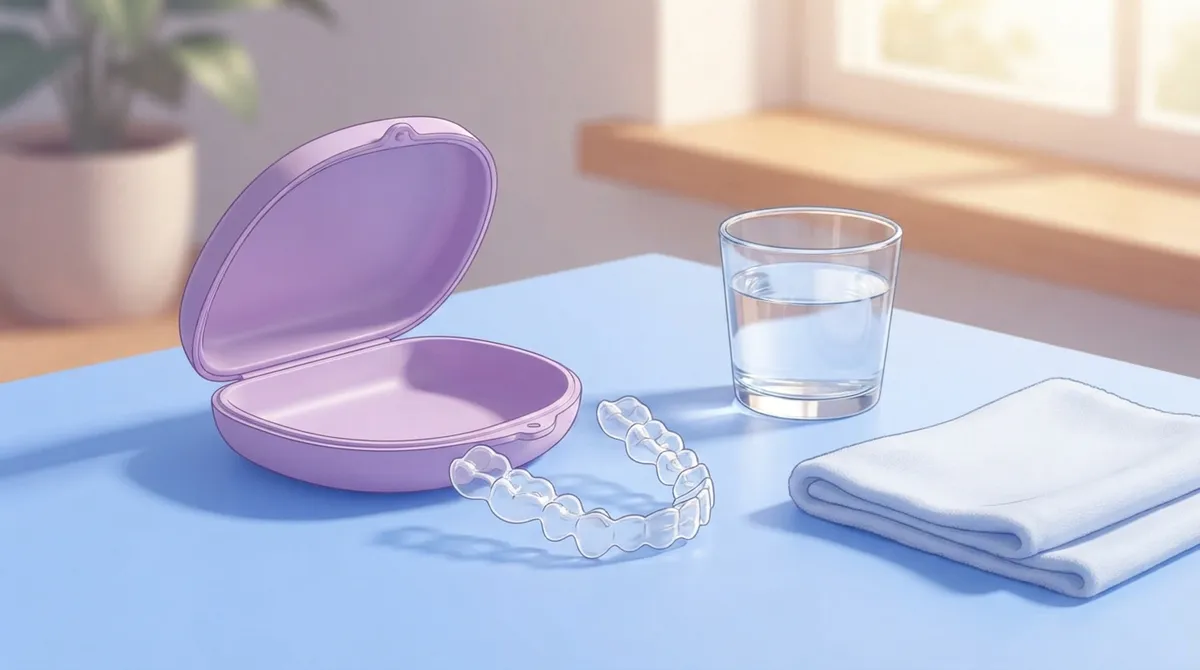
- Keep it clean. Rinse daily and brush it gently so it stays fresh and clear.
- Store it safely. Always use its case. Retainers wrapped in napkins end up in the trash far too often!
- Keep up with checkups. Regular visits let us spot small shifts early.
- Protect against grinding. If you clench at night, ask about a night guard.
These small steps are easy to build into your routine, and they protect the smile you worked so hard to earn.
What If My Teeth Shift After Invisalign?
Don’t panic. A small shift is common, and it is often easy to fix. If your retainer feels tight or your teeth look a little different, the sooner you let your dentist know, the better.
Here are your options if relapse happens:
- Go back to full-time retainer wear. For minor shifts, this may be all you need.
- Get a new set of retainers. If yours is worn or no longer fits, a fresh one can help.
- Do a short round of aligners. A few new trays can nudge teeth back into place.
- Talk about other options. Your dentist can suggest the best fix for your needs.
Adults who want to keep their smile polished may also explore cosmetic dentistry options. Dr. K, our adult and cosmetic dentist, is a Gold+ Invisalign provider. You can see Dr. K’s Gold+ Invisalign profile to learn more about his experience.
Invisalign vs. Truly Permanent Dental Solutions
It helps to compare Invisalign with treatments that are built to last for many years. They solve different problems, so the right choice depends on your goals.
| Treatment | What It Does | How Long It Lasts |
|---|---|---|
| Invisalign | Straightens teeth | Lasting with retainer wear |
| Dental implants | Replaces missing teeth | Often a lifetime with care |
| Ceramic crowns | Protects damaged teeth | Many years with good care |
| Veneers | Improves tooth shape and color | Many years with good care |
If you are curious about long-term options, you can read about dental implants and veneers, crowns, and bridges. Sometimes a patient straightens their teeth with Invisalign first, then adds cosmetic touches for a complete smile makeover.
How Long Does Invisalign Treatment Take?
Most adults wear aligners for about 6 to 18 months, depending on how much movement is needed. Simple cases can be faster, while complex ones may take longer.
Your timeline depends on a few things:
- How crowded or spaced your teeth are
- How closely you follow your wear schedule
- Whether you need extra tools, like small tooth-colored attachments
- Your overall oral health
The more consistent you are, the smoother your treatment goes. Wearing your aligners the full 20 to 22 hours each day makes a real difference.
Common Invisalign Mistakes That Hurt Your Results
Even the best plan needs your help. Here are a few easy slip-ups to avoid so your results stay strong:
- Taking aligners out too often during the day
- Forgetting to switch trays on schedule
- Drinking sugary or hot drinks while wearing aligners
- Losing your retainer and waiting too long to replace it
- Skipping dental checkups during and after treatment
Want to avoid more bumps in the road? Our post on what not to do while wearing Invisalign is a great place to start.
Is Invisalign Worth It If It Isn’t Permanent?
Absolutely, for many people! Think about brushing your teeth. You do not brush once and call it done forever. A little daily care keeps your mouth healthy, and a retainer works the same way.
Here is why so many patients love Invisalign:
- Clear aligners are nearly invisible
- You can remove them to eat and brush
- There are no metal brackets or wires
- Straighter teeth are often easier to clean
- A confident smile can lift your mood every single day
If you are weighing your options, our guide on the top benefits of choosing Invisalign over braces can help you decide.
Invisalign in Brandon, FL
Here at Dental Theory in Brandon, we love helping adults get the smile they have always wanted. Dr. K, who focuses on adult and cosmetic dentistry, guides patients from the first scan all the way through retainer care. Our friendly, stress-free office and modern technology make every visit easy.
He has also earned national recognition. Dr. Chris Karapasha has been named one of America’s Top Young Dentists in Incisal Edge magazine’s 2025 40 Under 40. Want to learn more about our approach? Read about our Invisalign services or meet Dr. K.
Curious what other families think of us? See what our Dental Theory patients say on Google. We also love connecting with our community, so feel free to visit us on Facebook.
Does Insurance Cover Invisalign?
Coverage varies, and many plans include some orthodontic benefits. It is always smart to check your policy before you start. You can learn more about insurance options on our site, and our team is happy to help you understand what your plan may cover.
Final Thoughts: Your Smile Is Worth Protecting
So, is Invisalign permanent? Not on its own. But with a good retainer routine and regular checkups, your straight smile can stay beautiful for many, many years.
The best part is that you do not have to figure it out alone. Our team is here to guide you from your very first consultation through lifelong retainer care. Ready to start your journey? Contact Dental Theory today, or schedule an appointment online. We cannot wait to meet you!
FAQs
Q: Is Invisalign permanent?
A: Invisalign itself is not permanent, because the aligners only move your teeth during treatment. The results can last a very long time, though, as long as you wear your retainer as directed. Think of the retainer as the key to a lifetime of straight teeth!
Q: Do I have to wear a retainer forever after Invisalign?
A: Many dentists recommend nighttime retainer wear for the long term, because teeth can slowly shift as we age. The good news is that it is usually just a few hours of sleep each night. Your dentist can tell you what is best for your smile.
Q: Can my teeth go back to how they were after Invisalign?
A: Yes, they can drift back if you stop wearing your retainer. This is called relapse, and it is more common than people think. Catching it early makes it much easier to fix, so call your dentist if your retainer feels tight.
Q: How long do Invisalign results last?
A: With proper retainer care and regular checkups, your results can last for many years, often a lifetime. Habits like teeth grinding or skipping retainer wear can shorten that. A little daily care goes a long way!
Q: Can I redo Invisalign if my teeth shift?
A: In many cases, yes! A short round of new aligners can often move teeth back into place. Your dentist will check your smile and recommend the best fix for you.
Our Service Area