Key Takeaways
-
Wear aligners 20-22 hours daily without exception—inconsistent wear time is the number one reason results get delayed, so maintaining this habit is critical for staying on schedule.
-
Visible results typically appear around months 2-4 when gaps close and crowded teeth spread noticeably, with major shifts occurring by months 5-9, making early consistency essential for momentum.
-
Retainer wear must continue indefinitely after treatment ends—teeth naturally shift back, so part-time retainer use is necessary to preserve your straightened smile long-term.
-
Average treatment takes 12-18 months for adults, but simpler cases finish in 6 months and complex cases take longer; a professional consultation provides your specific timeline based on your smile's unique needs.
You just got your Invisalign trays. You’re excited, but also a little impatient. When will you actually see your teeth move? That’s probably the question on your mind right now, and honestly, it’s one we hear all the time at our Brandon office. Everyone wants that straight, confident smile, and everyone wants it yesterday.
Here’s the good news. Invisalign results follow a pretty predictable path, and knowing what to expect can make the whole process feel a lot less stressful. Whether you’re a busy parent squeezing in appointments between school pickups, or an adult finally ready to fix that smile you’ve been self-conscious about for years, this guide breaks down exactly what happens and when. We’ll walk through the timeline, the factors that speed things up or slow things down, and how to keep your results looking great long after your last tray. Dr. Chris Karapasha, known to patients as Dr. K, has helped many Brandon patients through this exact journey using Invisalign treatment, and we’re sharing what we’ve learned along the way.
What Are Invisalign Results, Exactly?
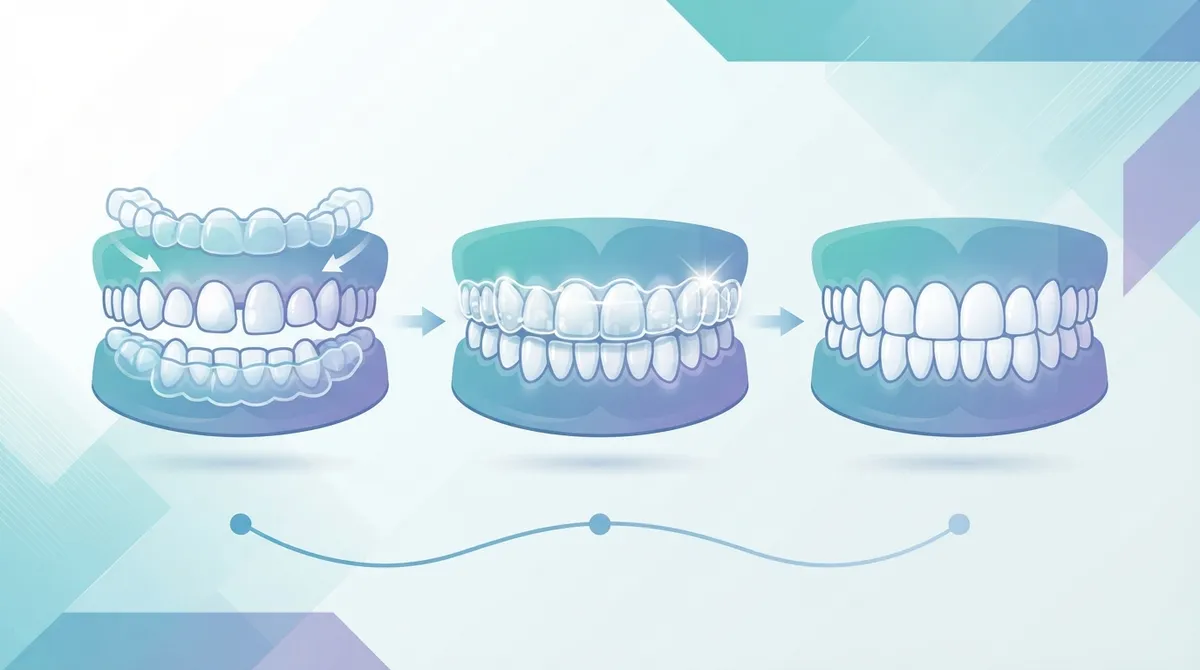
Invisalign results simply mean the changes you see in your smile as your clear aligners shift your teeth into a straighter position. Unlike metal braces, Invisalign uses a series of clear, custom-made trays. Each tray nudges your teeth just a little bit closer to their final spot.
Results show up in stages. You won’t wake up one day with a perfect smile. Instead, you’ll notice small, steady changes over weeks and months. Many patients say the biggest shifts happen faster than they expected, especially in the first few months.
Why Results Vary From Person to Person
No two smiles are the same, so no two treatment timelines look identical either. A few things affect how fast you’ll see changes:
- How crowded or spaced out your teeth are at the start
- Whether you’re fixing a bite issue, not just crowding
- How consistently you wear your aligners (20-22 hours a day is the goal)
- Your age and how your teeth naturally respond to movement
- Whether you’re using attachments or rubber bands as part of your plan
If you’re curious about your own case, the team at Dental Theory can map out a timeline during your consultation based on your specific smile goals.
The Invisalign Timeline: What Happens Week by Week
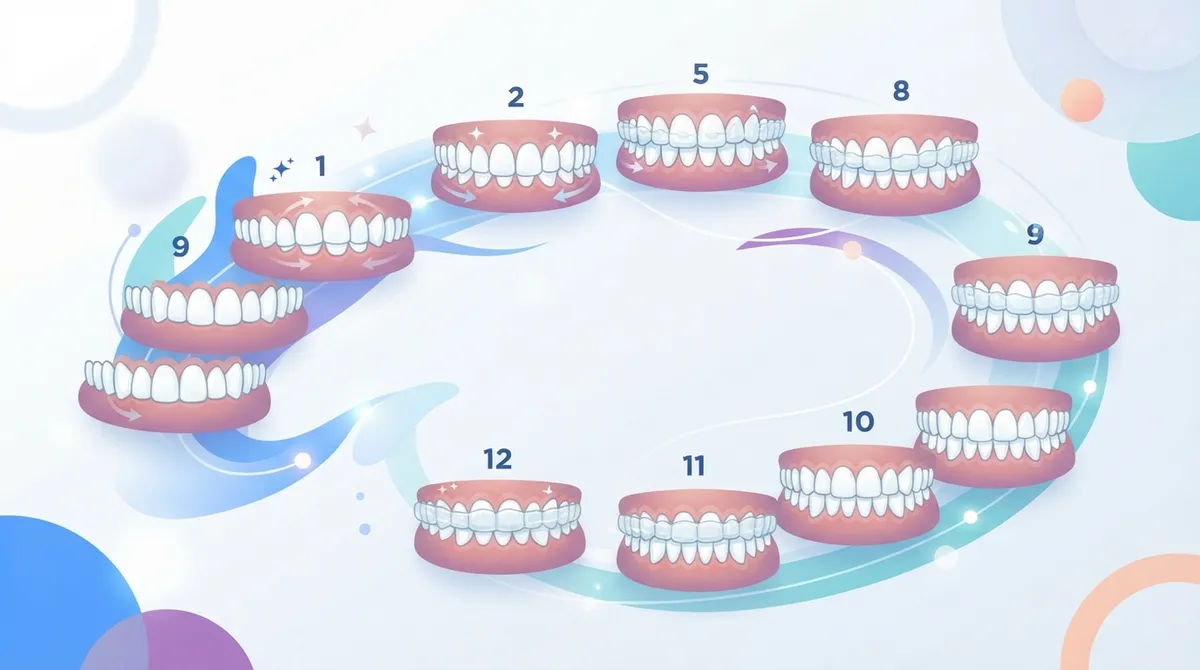
Let’s break this down into simple stages so you know exactly what’s coming.
1. Weeks 1 to 4: The Adjustment Phase
Your teeth start moving almost right away, but you might not notice big visual changes yet. This stage is more about getting used to wearing trays and building the habit of 20+ hours a day.
2. Months 2 to 4: The First Visible Changes
This is usually when friends and family start to notice something’s different. Gaps begin closing. Crowded teeth start to spread out. It’s an exciting stage because the hard work is finally showing.
3. Months 5 to 9: Major Shifts
By now, most patients see dramatic improvement. Your bite may feel different too, in a good way, as your teeth settle into better alignment.
4. Final Months: Fine-Tuning
The last stretch of trays focuses on small details, like perfecting tooth rotation or closing tiny remaining gaps. This is where your smile really gets polished. For more detail on what happens near the end of treatment, check out our guide to the final stages of Invisalign treatment.
| Treatment Stage | Typical Timeframe | What You’ll Notice |
|---|---|---|
| Adjustment Phase | Weeks 1-4 | Mild soreness, getting used to trays |
| First Visible Changes | Months 2-4 | Gaps closing, teeth shifting noticeably |
| Major Movement | Months 5-9 | Straighter smile, improved bite |
| Fine-Tuning | Final months | Small detail corrections, polished results |
How Long Does the Full Process Take?
On average, Invisalign treatment takes about 12 to 18 months for adults. Some simpler cases wrap up in as little as 6 months. More complex cases can take longer. Dr. K, who holds an Invisalign Gold+ provider status, personalizes every treatment plan so you get an accurate estimate from day one, not just a generic guess.
It’s worth noting that Dr. Chris Karapasha has been recognized for his cosmetic dentistry expertise. In fact, Dr. Chris Karapasha has been named one of America’s Top Young Dentists in Incisal Edge magazine’s 2025 40 Under 40, which speaks to the level of care patients receive throughout their Invisalign journey.
Steps to Get the Best Possible Invisalign Results
Want to make sure your results turn out as good as they can be? Follow these steps.
- Wear your aligners 20 to 22 hours every day, no exceptions
- Switch to your next tray exactly as instructed, not early or late
- Keep your aligners clean using a soft toothbrush and lukewarm water
- Show up to every check-in appointment so we can track your progress
- Wear your retainer faithfully once treatment ends
Skipping steps, especially wear time, is the number one reason results get delayed. If you’re consistent, you’ll likely finish on schedule or even early.
Common Mistakes That Slow Down Results
We see these mistakes often, and they’re easy to avoid once you know about them:
- Taking trays out for meals and forgetting to put them back in promptly
- Losing trays and waiting too long to get replacements
- Skipping attachments or rubber bands that are part of your plan
- Not cleaning trays properly, which can lead to staining or odor
- Ignoring soreness instead of mentioning it at your next visit
What Happens After Treatment Ends?
Finishing your last tray feels amazing, but the story doesn’t end there. Your teeth still want to shift back toward their old positions. That’s just how teeth work. This is why retainers matter so much.
Many patients wonder if they need to wear a retainer forever after Invisalign. The short answer is yes, at least part-time, for as long as you want to keep your straight smile. Skipping retainer wear is one of the most common reasons people see their results slip.
Invisalign Results and Your Overall Dental Health
Straighter teeth aren’t just about looks. They’re easier to clean, which lowers your risk of cavities and gum disease. If you’ve been putting off general dentistry visits because your smile made you self-conscious, Invisalign can be a great motivator to get back on track with regular cleanings too.
And if you’re dealing with other cosmetic concerns alongside crowding, like chips or discoloration, Dr. K also offers cosmetic dentistry services including veneers, crowns, and bridges, plus convenient same-day ceramic crowns for anyone who needs a quick, one-visit fix without multiple appointments.
Real Patients, Real Confidence
We hear it all the time from Brandon patients: “I wish I’d started sooner.” Watching your own smile transform over a few months builds real confidence, not just in photos, but in everyday conversations, job interviews, and family gatherings. That kind of change is worth celebrating, and our team loves being part of it.
Curious what other patients have experienced? You can visit us on Facebook to see updates and patient stories, or visit us on Google — Dental Theory to read reviews from real families right here in Brandon.
Frequently Asked Questions About Timelines and Progress
Let’s tackle a few more specific questions patients often bring up during consultations.
Can You Track Progress at Home?
Yes. Many patients like to take a photo of their smile every few weeks. It’s a fun way to see small changes you might miss day to day. Just remember, official progress checks should still happen with your dentist to make sure everything’s on track.
What If Results Aren’t Showing as Expected?
Sometimes trays don’t fit as snugly as they should, or wear time has been inconsistent. If you ever feel like your teeth aren’t moving the way they should, reach out right away. Catching an issue early is much easier to fix than waiting months to bring it up.
Ready to find out what your own Invisalign timeline could look like? Our friendly Brandon team is here to answer every question and build a plan around your life and your goals. Contact Dental Theory today to schedule your consultation, or schedule an appointment online at a time that works for you. Your straighter, more confident smile is closer than you think.
FAQs
Q: How soon will I see Invisalign results?
A: Most patients notice their first visible changes around month two or three of treatment. Small shifts start even earlier, but that’s usually when friends and family start commenting on your smile!
Q: Do Invisalign results last forever?
A: They can last a lifetime, but only if you wear your retainer as directed after treatment ends. Teeth naturally want to shift back, so consistent retainer wear is your best friend for keeping that smile you worked hard for.
Q: What slows down Invisalign results?
A: Not wearing your trays for the full 20-22 hours a day is the biggest culprit. Losing aligners, skipping check-ins, and forgetting attachments can also stretch out your timeline.
Q: Can adults get the same great results as teens?
A: Absolutely! Adult smiles respond wonderfully to Invisalign, and honestly, many of our most excited patients at our Brandon office are adults finally getting the smile they’ve always wanted.
Q: Will my bite improve along with my smile’s appearance?
A: Yes, in many cases. Invisalign doesn’t just straighten teeth cosmetically, it can also improve how your upper and lower teeth fit together, making chewing more comfortable too.
Our Service Area