Key Takeaways
-
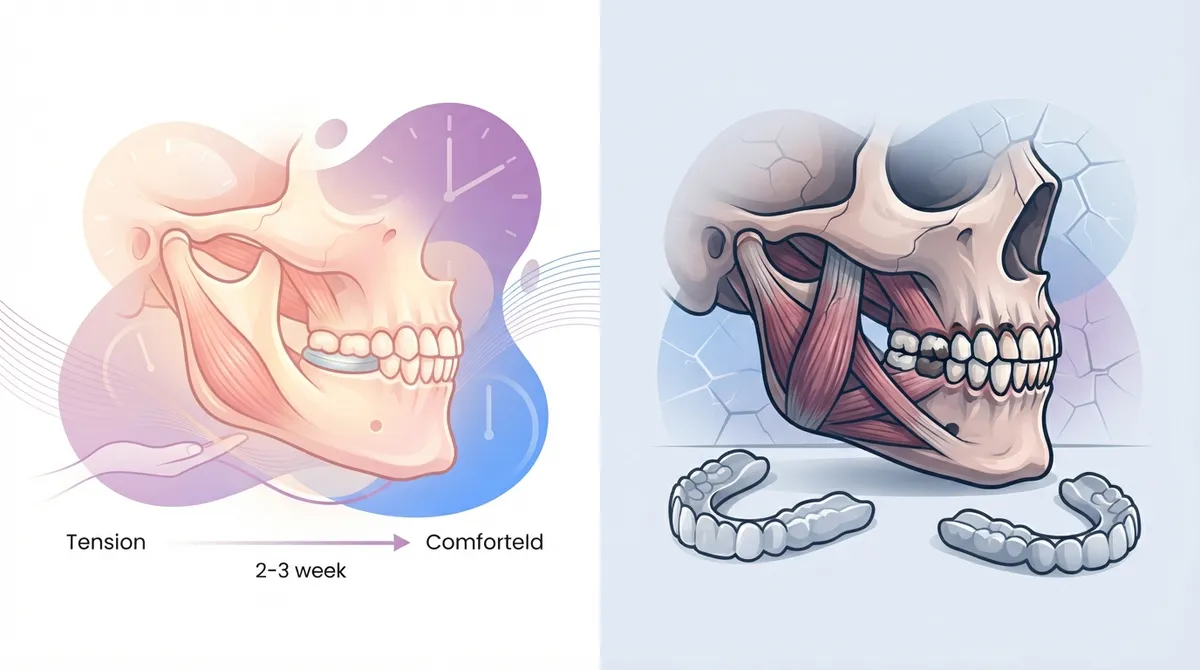
Mild TMJ cases often resolve within 2 weeks with rest and home care, but pain lasting longer than 2-3 weeks signals an underlying issue requiring professional evaluation and treatment.
-
Teeth grinding (bruxism) is a major hidden cause of TMJ pain that won't resolve without treatment; look for worn teeth edges or morning soreness as warning signs.
-
Untreated chronic TMJ can cause permanent joint damage, worn teeth, and chronic headaches; early intervention with night guards, bite adjustments, or physical therapy prevents escalation.
-
A dentist can identify the root cause through bite analysis and symptom evaluation, enabling personalized treatment ranging from simple night guards to dental restorations.
That clicking sound in your jaw. The dull ache near your ear. The headaches that show up out of nowhere. If you’re dealing with TMJ pain, you’ve probably asked yourself one big question: will this just go away on its own? It’s a fair question, and honestly, one of the most common ones we hear at Dental Theory in Brandon.
The truth is a little more complicated than a simple yes or no. Some jaw pain does fade with time and a few small changes. Other cases stick around and get worse without help. Knowing the difference can save you months of discomfort and even protect your teeth from long-term damage. Let’s break down what TMJ really is, when it might resolve on its own, and when it’s time to see a dentist.
What Is TMJ, Exactly?
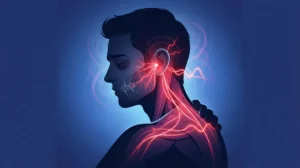
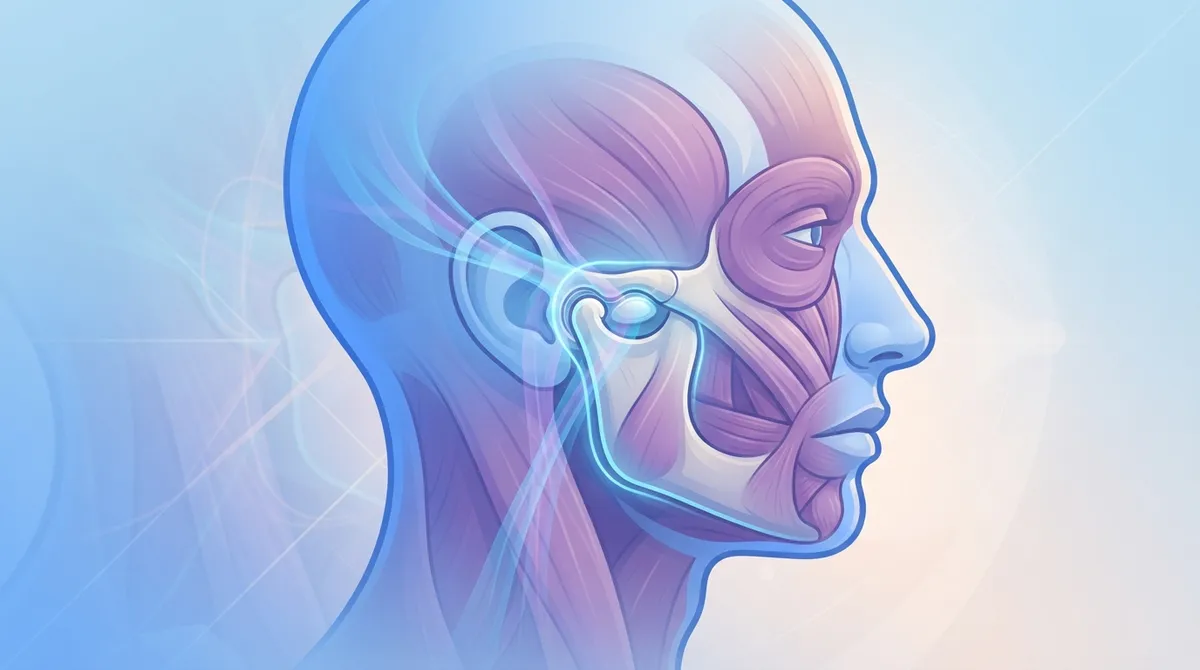
TMJ stands for temporomandibular joint. It’s the hinge that connects your jawbone to your skull, right in front of your ears. When people say they have “TMJ,” they usually mean TMJ disorder, or TMD. This is when that joint gets irritated, inflamed, or stuck out of alignment.
Common symptoms include:
- Jaw pain or soreness, especially in the morning
- Clicking, popping, or grinding sounds when you chew
- Headaches or earaches with no clear cause
- Trouble opening your mouth all the way
- Jaw locking, either open or closed
- Facial pain or tension near your temples
If any of these sound familiar, you’re not alone. TMJ disorder affects millions of people, and it can range from mild and occasional to painful and constant.
1. Mild TMJ Cases Can Improve on Their Own
Good news first. Mild TMJ flare-ups often calm down without any major treatment. This usually happens when the cause is temporary, like stress, a bad night’s sleep, or chewing too much gum. Your jaw muscles simply need rest.
In these cases, simple home care can help:
- Eat softer foods for a few days to rest your jaw
- Apply a warm compress to relax tight muscles
- Avoid wide yawns or chewing gum
- Practice gentle jaw stretches
- Manage stress, since clenching often follows anxiety
Many people notice improvement within a couple of weeks. But if your symptoms last longer than that, it’s a sign something deeper might be going on.
2. Chronic TMJ Rarely Resolves Without Support
Here’s the part many people don’t want to hear. If your jaw pain has lasted more than a few weeks, it’s unlikely to disappear on its own. Long-term TMJ issues are often linked to teeth grinding, misaligned bites, or joint damage that needs professional attention.
Ignoring ongoing TMJ pain can lead to bigger problems, including worn-down teeth, chronic headaches, and even jaw joint damage that’s harder to treat later. This is why our team looks closely at TMJ rehabilitation options for patients whose pain sticks around longer than expected.
3. Teeth Grinding Is Often the Hidden Cause
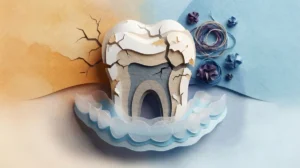
A huge number of TMJ cases trace back to bruxism, which is just a fancy word for grinding or clenching your teeth. Many people do this in their sleep and don’t even realize it until a dentist points out the worn edges on their teeth.
Bruxism puts constant pressure on the jaw joint. Over time, this pressure leads to inflammation and pain that won’t quit without treatment. If you wake up with a sore jaw or a headache almost every day, grinding could be the reason. Learning more about the connection between TMJ and bruxism can help you understand why your pain keeps coming back.
4. A Dentist Can Spot What’s Really Going On
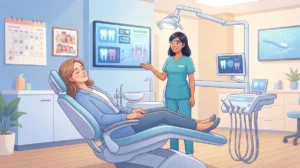
Since your jaw joint works so closely with your teeth and bite, a dentist is often the best person to figure out what’s causing your TMJ pain. During a checkup, we look at how your teeth line up, check for signs of grinding, and ask about your symptoms.
| Sign You Should See a Dentist | Why It Matters |
|---|---|
| Pain lasting more than 2-3 weeks | Suggests an underlying cause, not just muscle fatigue |
| Jaw locking or getting stuck | May indicate joint or disc issues needing treatment |
| Worn or flattened teeth | Often a sign of nighttime grinding |
| Frequent headaches or ear pain | Can be linked to muscle tension from TMJ |
| Pain that worsens over time | Untreated TMJ can lead to lasting joint damage |
Our team at Dental Theory takes a full look at your bite, jaw movement, and overall oral health before recommending a treatment plan. It’s not guesswork. It’s a real evaluation designed around your specific symptoms.
5. Treatment Options Range From Simple to Advanced
Not every TMJ case needs the same fix. Depending on what’s causing your pain, treatment can be as simple as a custom night guard or as involved as a full bite correction. Here’s a quick look at common approaches:
- Custom night guards: Worn while sleeping to protect teeth from grinding damage
- Bite adjustments: Correcting how your teeth meet to reduce joint strain
- Physical therapy exercises: Gentle stretches to loosen tight jaw muscles
- Stress management: Addressing clenching habits tied to anxiety
- Dental restorations: Fixing worn or damaged teeth caused by grinding
If grinding has already damaged your teeth, restorative options like dental crowns may be part of the plan. Dr. Chris Karapasha, known around the office as Dr. K, specializes in cosmetic dentistry and can restore damaged teeth quickly using same-day crown technology, so you’re not stuck waiting weeks for a fix. Every crown at our office is ceramic, giving you a strong, natural-looking result in one visit.
6. Waiting Too Long Can Make Things Worse
It’s tempting to just tough it out and hope your jaw pain fades away. But putting off treatment can lead to bigger issues down the road, including permanent joint damage, chronic pain, and extra wear on your teeth that requires more extensive dental work later.
Think of it like ignoring a small cavity. What starts as something minor can turn into a much bigger problem if it’s left untreated. The earlier you address TMJ symptoms, the easier they usually are to manage.
How Brandon Families Can Get Relief
If you live in Brandon and you’re tired of dealing with jaw pain, you don’t have to figure this out alone. Our team has helped countless local patients find relief from TMJ symptoms through personalized care plans. We combine general dentistry expertise with a genuine focus on comfort, so you never feel rushed or dismissed.
Curious what other patients say about their experience? You can visit us on Google — Dental Theory to read real reviews from families across Brandon. You can also visit us on Facebook to see updates, tips, and community events. Dr. K’s dedication to quality care recently earned him recognition, as Dr. Chris Karapasha has been named one of America’s Top Young Dentists in Incisal Edge magazine’s 2025 40 Under 40.
When to Stop Waiting and Start Asking Questions
So, can TMJ go away on its own? Sometimes, yes, especially if your case is mild and tied to a short bout of stress or overuse. But if your pain lingers, worsens, or comes with jaw locking and worn teeth, it’s a sign your body needs a little extra help.
The good news is that relief is possible, and it usually doesn’t require a complicated process. A simple evaluation can tell you exactly what’s going on and what steps make sense for your situation. For more information on related dental concerns, check out our article on common oral hygiene mistakes that could be adding to jaw strain.
Ready to Find Relief From Jaw Pain?
You don’t have to keep guessing about your jaw pain or hope it fixes itself. Our friendly Brandon team is ready to take a look, answer your questions, and build a plan that fits your life. Whether you need a simple night guard or a full evaluation, we’re here to help you feel better. If you’d like to explore your options, please contact Dental Theory today, or you can schedule an appointment at a time that works best for you. Relief from that nagging jaw pain might be closer than you think.
FAQs
Q: Can TMJ go away on its own without treatment?
A: Mild TMJ pain caused by stress or overuse can sometimes fade in a couple of weeks with rest and simple home care. But if your pain lasts longer or keeps coming back, it usually needs professional attention to fully resolve.
Q: How long does TMJ pain usually last?
A: It really depends on the cause. A minor flare-up might clear up in a week or two, while pain linked to teeth grinding or joint damage can last months without help. If it’s dragging on, it’s worth getting checked out.
Q: What happens if TMJ is left untreated?
A: Untreated TMJ can lead to worn-down teeth, chronic headaches, and even permanent damage to the jaw joint. Catching it early makes treatment much simpler and more comfortable.
Q: Can teeth grinding cause TMJ pain?
A: Yes, teeth grinding, also called bruxism, is one of the most common causes of TMJ pain. The constant pressure from clenching puts extra strain on the jaw joint, leading to soreness and inflammation.
Q: When should I see a dentist for TMJ symptoms?
A: If your jaw pain lasts more than two to three weeks, or if you notice locking, clicking, or worn teeth, it’s time to schedule a visit. A dentist can pinpoint the cause and recommend the right treatment for lasting relief.
Our Service Area