Key Takeaways
-
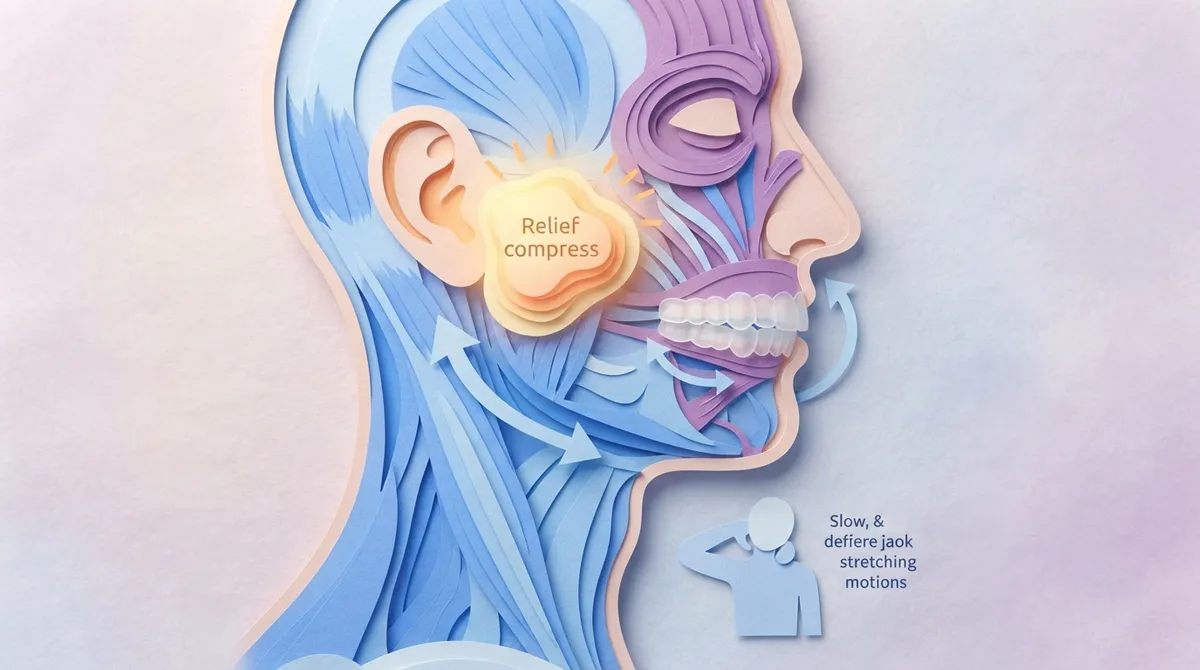
Start with non-invasive home care like soft foods, warm compresses, and jaw stretches before pursuing dental procedures; most mild TMJ cases improve without invasive treatment.
-
Custom-fit night guards are highly effective for teeth grinding-related TMJ disorder and work far better than store-bought alternatives by preventing clenching and reducing jaw joint pressure.
-
A misaligned bite or worn-down teeth can cause TMJ symptoms; dental restorations like same-day crowns can restore bite balance and provide fast relief without multiple visits.
-
Physical therapy combined with dental care helps retrain jaw muscles to relax and move correctly, offering additional relief alongside professional dental treatment.
-
Seek professional evaluation if jaw pain lasts beyond two weeks, your jaw locks, or pain occurs with loud popping sounds; early diagnosis prevents symptom progression.
-
Surgery is rarely needed for TMJ disorder and is only considered as a last resort for severe joint damage after other treatments fail; most patients achieve relief within weeks.
Does your jaw click when you chew? Do you wake up with a sore face or a dull headache? You might be dealing with TMJ disorder. This condition affects the joint that connects your jaw to your skull. The good news is that you don’t have to live with the pain. Many simple and effective treatments can bring you real relief.
At Dental Theory in Brandon, FL, we see patients every week who feel frustrated by jaw pain. They just want answers and a plan that works. This guide will walk you through the best treatment options available today. We will also share how our team helps patients find lasting comfort.
What Is TMJ Disorder and Why Does It Happen
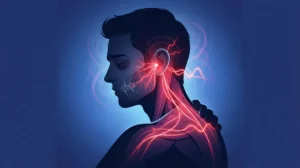
Your temporomandibular joint (TMJ) sits right in front of your ears. It connects your jawbone to your skull. This joint lets you talk, chew, and yawn. When something goes wrong with it, you get TMJ disorder.
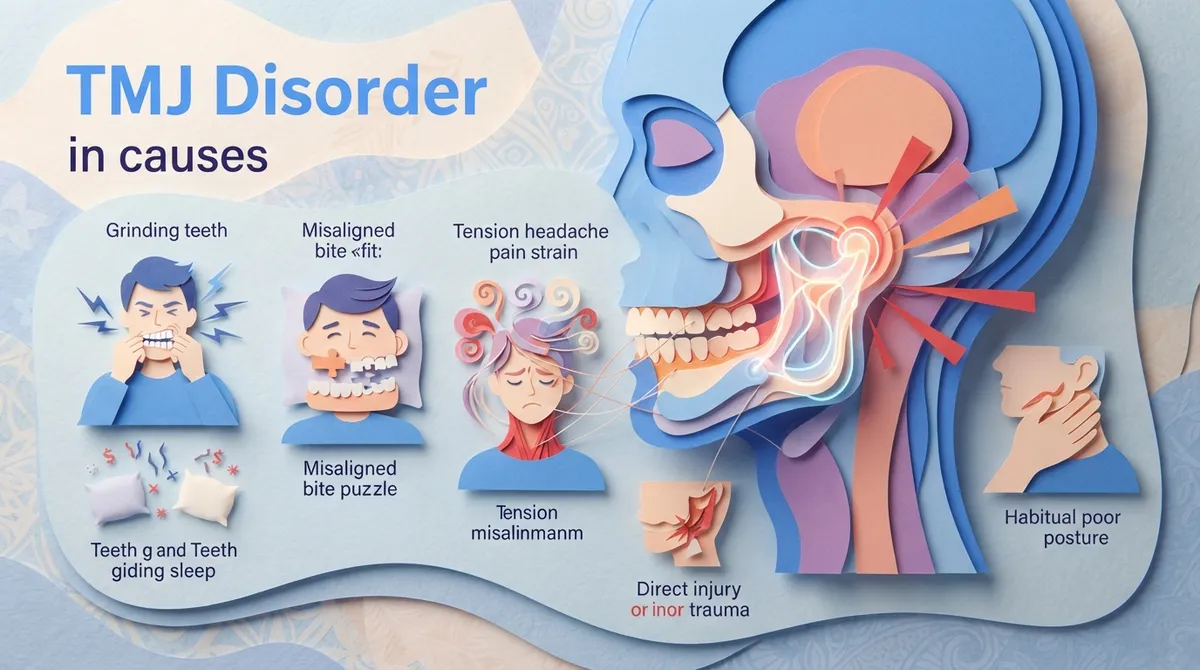
Several things can cause this condition. Some people grind their teeth at night without knowing it. Others have arthritis in the joint. Stress, jaw injuries, and even a bad bite can also play a role. Sometimes doctors never find one clear cause.
- Frequent jaw clicking or popping sounds
- Pain around the ear or cheek area
- Trouble opening your mouth wide
- Headaches that feel like tension or migraines
- Jaw locking in an open or closed position
- Neck and shoulder soreness
If any of these sound familiar, it’s worth getting checked. Learning what are the signs of TMJ disorder can help you catch problems early.
How Dentists Diagnose TMJ Disorder
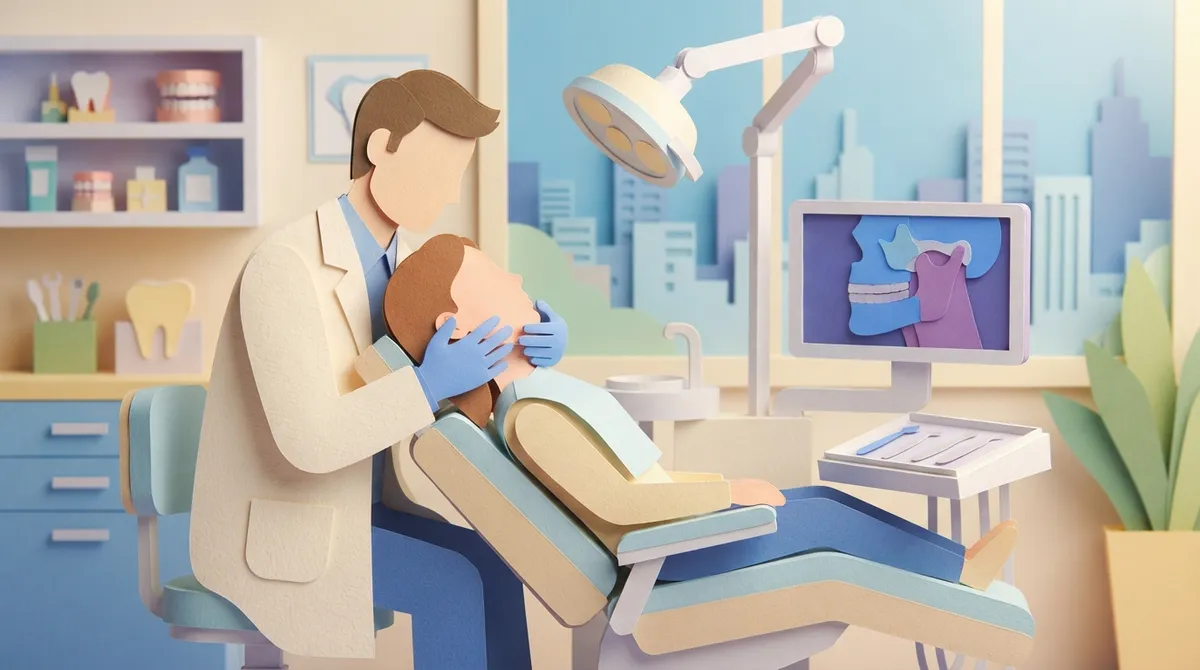
Getting the right diagnosis is the first step toward feeling better. A dentist will look at your bite, listen to your jaw, and ask about your symptoms. Sometimes they use imaging to get a closer look at the joint.
Steps Involved in a TMJ Evaluation
- Discuss your symptoms and health history in detail
- Feel and listen to the jaw joint as you open and close your mouth
- Check your bite and how your teeth line up
- Take X-rays or other images if needed
- Rule out other causes like tooth infections or sinus issues
- Create a treatment plan based on your specific needs
This process helps your dentist understand your unique case. It also helps avoid guessing games. Our team at Dental Theory uses TMJ rehabilitation methods built around each patient’s needs.
Best Treatments for TMJ Disorder
Treatment for TMJ disorder ranges from simple home care to more involved dental work. Most dentists start with the least invasive options first. Here’s a look at what actually works.
1. Lifestyle and Home Care Changes
Small changes at home can make a big difference. Many people find relief without ever needing a procedure.
- Eating softer foods to reduce jaw strain
- Applying warm or cold compresses to the jaw
- Practicing gentle jaw stretches and exercises
- Avoiding gum chewing and nail biting
- Managing stress through relaxation techniques
- Sleeping in a position that doesn’t strain the jaw
These steps are often the first thing dentists recommend. They cost nothing and carry no risk. If your symptoms are mild, this may be all you need.
2. Night Guards and Oral Appliances
If you grind your teeth at night, a custom night guard can help a lot. This device sits over your teeth and keeps them from clenching together. It also takes pressure off the jaw joint.
Custom-fit guards work far better than store-bought ones. They fit your mouth exactly and are more comfortable to wear. Dentists design them based on your bite and jaw shape.
3. Physical Therapy
Physical therapy can train your jaw muscles to relax and move correctly. A therapist may use gentle massage, stretching, or targeted exercises. This approach works well alongside dental treatment.
Many patients pair dental care with outside physical therapy support. Working with a trusted provider like West Florida Therapy can add another layer of relief for jaw and muscle tension.
4. Correcting Bite Problems
Sometimes a misaligned bite puts extra stress on the jaw joint. Fixing this can ease TMJ symptoms over time. Dentists may recommend orthodontic treatment or bite adjustments.
Straightening your teeth can sometimes reduce jaw strain. Learn more about how a bad bite or misaligned teeth can lead to TMJ issues and what your options look like.
5. Dental Restorations
Worn-down or missing teeth can also throw off your bite. This adds pressure to the jaw joint. Restoring damaged teeth with crowns or other dental work can help balance your bite again.
Dr. Chris Karapasha, known to patients as Dr. K, offers same-day ceramic crowns for patients who need restorations. This means you never have to wait weeks or come back for a second visit. If a damaged tooth is contributing to your jaw pain, this can be a fast and effective fix.
6. Medications
Over-the-counter pain relievers can help with mild discomfort. In some cases, dentists may suggest muscle relaxants for short-term use. These are usually paired with other treatments, not used alone.
7. Injections
For more stubborn cases, some dentists use injections to relax tight jaw muscles. This is usually considered after other options have been tried. It can offer relief for several months at a time.
8. Surgery (Rare Cases)
Surgery is the last resort for TMJ disorder. Most patients never need it. It’s only considered when the joint has serious structural damage and other treatments haven’t worked.
Comparing TMJ Treatment Options
Here’s a simple table to help you understand which treatments fit different situations.
| Treatment | Best For | Invasiveness | Typical Timeline |
|---|---|---|---|
| Home Care Changes | Mild, occasional symptoms | None | Days to weeks |
| Night Guards | Teeth grinding, clenching | Low | Ongoing use |
| Physical Therapy | Muscle tension, limited jaw movement | Low | Several weeks |
| Bite Correction | Misaligned teeth causing strain | Moderate | Months |
| Dental Crowns | Worn or damaged teeth affecting bite | Moderate | Same-day with Dr. K |
| Injections | Chronic muscle tightness | Moderate | Repeated as needed |
| Surgery | Severe joint damage | High | Rare, long recovery |
Common Myths About TMJ Disorder
There’s a lot of confusing information out there about TMJ pain. Let’s clear up a few things.
- Myth: TMJ disorder always requires surgery. Truth: Most cases improve with simple, non-surgical care.
- Myth: Jaw popping always means something is seriously wrong. Truth: Some clicking is harmless if there’s no pain.
- Myth: Only stress causes TMJ disorder. Truth: Many factors play a role, including bite issues and injury.
- Myth: TMJ pain will go away on its own. Truth: Ignoring it can make symptoms worse over time.
How Teeth Grinding Connects to TMJ Pain
Teeth grinding, also called bruxism, is one of the top causes of TMJ disorder. Many people grind their teeth without realizing it, especially at night. This constant pressure wears down teeth and strains the jaw joint.
If you often wake up with a sore jaw or headache, grinding might be the cause. You can read more about what bruxism is and simple fixes that can protect your teeth and jaw.
When to See a Dentist for Jaw Pain
Not every jaw ache needs a dental visit. But certain signs mean it’s time to get checked out.
- Pain that lasts more than a few days
- Your jaw locks and won’t open or close fully
- You hear loud popping paired with pain
- Headaches are becoming more frequent
- You notice new tooth damage or sensitivity
- Over-the-counter pain relief isn’t helping anymore
If you notice any of these, don’t wait. Early treatment usually means an easier fix. You can always schedule an appointment to get a professional opinion.
Why Choose Dental Theory for TMJ Care
Dental Theory has built a reputation as a trusted, family-focused dental office in Brandon. Our team takes time to understand your symptoms before jumping to any treatment. We combine modern technology with a calm, friendly environment.
Dr. K brings years of experience in adult and cosmetic dentistry, including general dentistry and restorative care. His work has even been recognized nationally. In fact, Dr. Chris Karapasha has been named one of America’s Top Young Dentists in Incisal Edge magazine’s 2025 40 Under 40. You can also check his credentials on his Gold+ Invisalign provider profile.
Many patients come to us after struggling with jaw pain for months. We take the time to explain every option clearly. Whether you need a simple night guard or a same-day crown to fix your bite, we walk you through the whole process.
Steps to Take If You Think You Have TMJ Disorder
- Pay attention to your symptoms and write them down
- Try gentle home care first, like warm compresses and soft foods
- Avoid excessive gum chewing or wide yawning
- Book a dental exam if symptoms continue past two weeks
- Follow through with the treatment plan your dentist recommends
- Keep up with follow-up visits to track your progress
Following these steps can help you avoid letting the problem get worse. Many patients feel real relief within just a few weeks of starting treatment.
What Our Patients Are Saying
Word of mouth matters when it comes to choosing dental care. Local families in Brandon trust our team because we listen and follow through. You can see what our Dental Theory patients say by checking out Visit us on Google — Dental Theory. You’re also welcome to visit us on Facebook to see updates and patient stories from our office.
Taking the Next Step Toward Relief
TMJ disorder doesn’t have to control your daily life. With the right treatment plan, most people find lasting relief. From simple home changes to same-day dental crowns, there are options for every level of discomfort.
If jaw pain has been bothering you, don’t wait any longer to get help. Our friendly team is ready to listen and create a plan built just for you. Reach out today to contact Dental Theory and take the first step toward a pain-free smile.
FAQs
Q: What are the best treatments for TMJ disorder?
A: The best treatments range from simple home care to custom night guards, physical therapy, bite correction, and dental restorations. Most people start with gentle, non-invasive options before trying anything more involved. Your dentist can help you find the right fit based on your specific symptoms.
Q: Can a dental crown really help with TMJ pain?
A: Yes, if a worn or damaged tooth is throwing off your bite, a crown can help restore balance to your jaw. Dr. K offers same-day ceramic crowns, so you won’t need multiple visits to get relief. Fixing your bite can take real pressure off the jaw joint.
Q: How do I know if my jaw pain is TMJ disorder or something else?
A: Common signs include jaw clicking, trouble opening your mouth wide, and pain near your ear or cheek. If these symptoms stick around for more than a couple weeks, it’s worth getting checked. A dentist can examine your jaw and rule out other causes.
Q: Is surgery always needed to fix TMJ disorder?
A: No, surgery is actually pretty rare and only used for severe cases that don’t improve with other care. Most patients find relief through night guards, therapy, or bite adjustments. It’s always best to try simpler options first.
Q: How long does it take to see relief from TMJ treatment?
A: Many patients notice improvement within a few weeks of starting treatment, especially with home care or a night guard. More involved treatments, like bite correction, may take a few months to show full results. Your dentist will track your progress and adjust the plan as needed.
Our Service Area