Key Takeaways
-
Dental caps (crowns) are custom-made tooth-shaped covers that protect damaged, cracked, or heavily decayed teeth while restoring normal chewing and appearance without requiring extraction.
-
Same-day ceramic crowns eliminate the need for temporary caps and multiple visits, allowing you to walk in with a damaged tooth and leave with a permanent, natural-looking restoration in one appointment.
-
The cap placement process involves six straightforward steps: exam with X-rays, tooth shaping, impression/scan, cap fabrication, fitting adjustments, and permanent cementing—typically completed painlessly under numbing.
-
Well-maintained ceramic caps last 10-15 years or longer when you brush twice daily, floss gently around the cap, avoid hard foods, wear a nightguard if needed, and attend regular dental checkups.
-
Watch for warning signs like sharp chewing pain, visible cracks, persistent temperature sensitivity, cracked large fillings, or recent root canals—these indicate you may need a cap soon and should schedule a dental exam.
-
Caps work better than fillings for large cavities, veneers for full-tooth protection, and are alternatives to implants, offering a tooth-saving solution that covers the entire visible tooth structure.
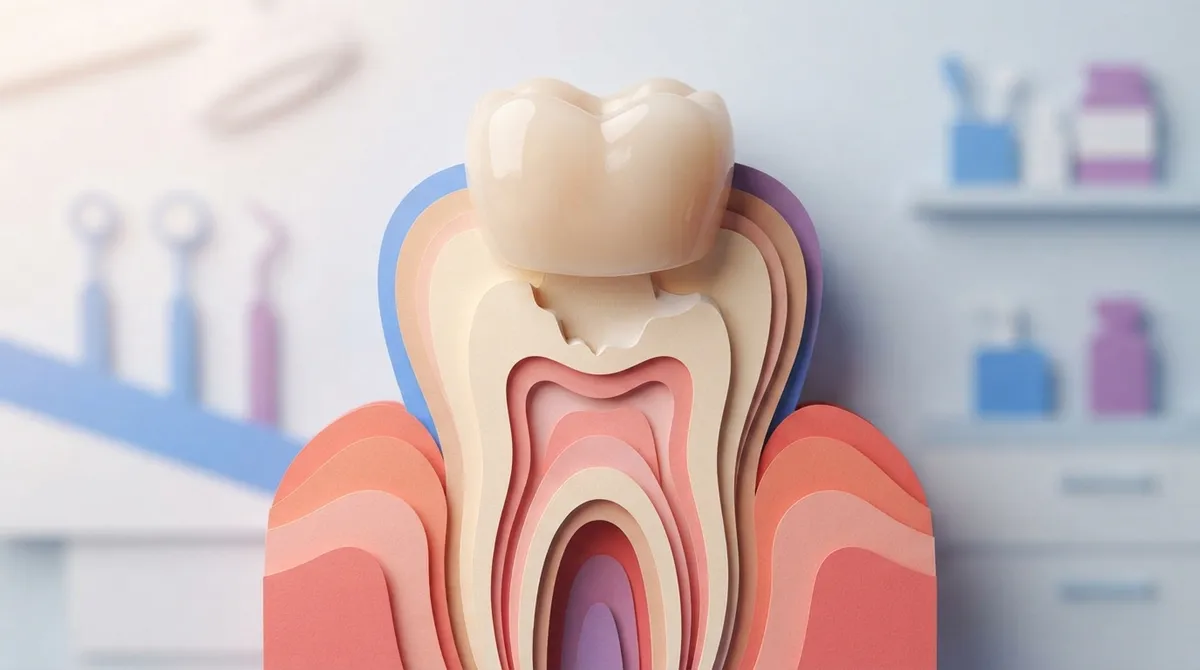
Got a cracked tooth or one that’s seen better days? You’ve probably heard your dentist mention a “cap.” But how do caps work on teeth, really? If you’re picturing something like a tiny hat for your tooth, you’re not far off! A cap, also called a dental crown, is a custom-made cover that fits right over your damaged tooth. It protects what’s left of your natural tooth while giving you back your smile and your bite.
Here at Dental Theory in Brandon, FL, we get asked about caps almost every single day. Parents want to know if their kids need them. Adults want to know if they’ll look natural. Everyone wants to know if it will hurt. We get it. Dental work can feel confusing, especially when you’re dealing with pain or a broken tooth. That’s why we put together this simple, no-nonsense guide. By the end, you’ll understand exactly how caps work, why dentists recommend them, and what your options look like in 2026.
What Is a Dental Cap, Exactly?
A dental cap is a small, tooth-shaped cover. It fits snugly over a tooth that’s cracked, weak, or badly decayed. Think of it like a helmet for your tooth. It shields the inside from more damage while letting you chew, talk, and smile like normal.
Dentists use the words “cap” and “crown” to mean the exact same thing. If your dentist says you need a crown, don’t panic. It’s the same treatment as a cap. You can learn more about the difference in wording in our guide on tooth cap vs crown.
Why Would You Need One?
There are a lot of reasons a dentist might suggest a cap. Here are the most common ones we see at our Brandon office:
- A tooth is cracked or broken from an injury
- Deep decay has left too little healthy tooth behind
- A large filling is failing and needs more support
- You just finished a root canal and need protection
- You want to fix a tooth’s shape, size, or color for cosmetic reasons
- A dental bridge needs an anchor point
If you’re not sure whether your tooth qualifies, our article on what dental crowns are and when you need them breaks it down even further.
How Do Caps Work on Teeth? The Step-by-Step Process
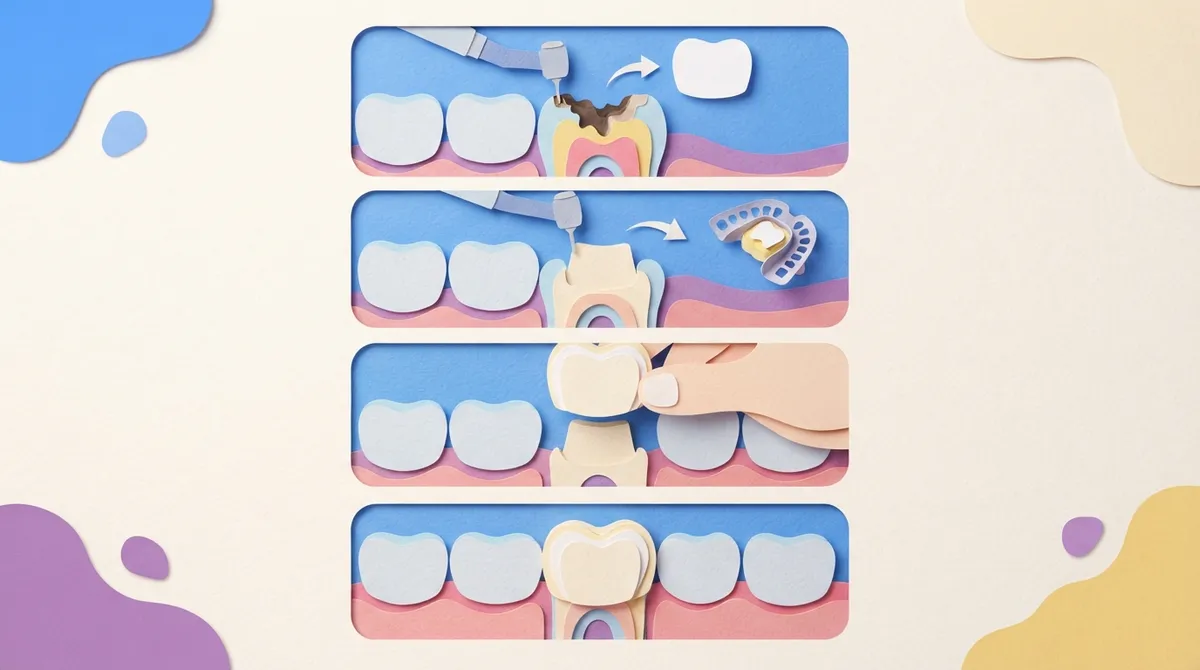
Understanding the process can ease a lot of worry. Here’s how it typically works, step by step:
- Exam and X-rays: Your dentist checks the tooth and takes images to see how much damage there is.
- Shaping the tooth: The dentist gently files down the outer part of the tooth to make room for the cap.
- Taking an impression or scan: This creates the exact shape needed for your custom cap.
- Making the cap: The cap is either made same-day in-office or sent to a lab, depending on the technology used.
- Fitting and adjusting: The dentist checks your bite and makes tiny tweaks so it feels natural.
- Cementing it in place: Once everything fits right, the cap is bonded permanently onto your tooth.
That’s really it. The whole idea behind how caps work on teeth is simple: cover, protect, and restore. For a deeper look at each stage, check out our article on how crowns are attached to teeth.
Same-Day Caps vs Traditional Caps
Traditionally, getting a cap meant two visits. You’d get a temporary cap first, then wait one to two weeks for the permanent one to be made in a lab. That’s a lot of waiting, and temporary caps can feel wobbly or sensitive.
At Dental Theory, Dr. K offers same-day crowns using advanced in-office technology. This means you walk in with a damaged tooth and walk out with a permanent, custom-fitted cap. No second visit. No temporary cap. No waiting around wondering if it’ll hold up. We only use ceramic crowns, which look natural and blend right in with your smile.
| Feature | Same-Day Crowns | Traditional Crowns |
|---|---|---|
| Number of visits | 1 visit | 2 or more visits |
| Temporary crown needed | No | Yes |
| Time to finish treatment | Same day | 1-3 weeks |
| Material used at Dental Theory | Ceramic | Ceramic |
| Risk of temp crown falling off | None | Possible |
Curious which option fits your life better? We compare both in detail in same-day crowns vs traditional crowns.
What Materials Are Caps Made From?
Not all caps are the same. Materials matter because they affect strength, look, and how long the cap lasts. At Dental Theory, we only use ceramic crowns because they look and feel like real teeth while holding up well over time.
- Ceramic (what we use) — natural-looking, strong, no metal
- Porcelain-fused-to-metal — durable but can show a dark line at the gum
- Gold alloy — long-lasting but very noticeable
- Zirconia — extremely strong, often used for back teeth
Want to nerd out on materials a bit more? Our guide on why porcelain dental crowns are the best choice explains the pros in plain language.
How Long Do Caps Actually Last?
This is one of the most common questions we hear. A well-made ceramic cap can last 10 to 15 years, sometimes longer, with good care. Lifespan depends on a few things:
- How well you brush and floss around it
- Whether you grind your teeth at night
- Your diet, especially hard or sticky foods
- Regular dental checkups to catch small issues early
For more details, take a look at how long dental crowns last.
Does Getting a Cap Hurt?
Most patients are surprised by how comfortable the process is. Your dentist numbs the area before shaping the tooth, so you shouldn’t feel pain during the procedure. Some mild sensitivity afterward is normal, especially with hot or cold foods, but it usually fades within a few days.
If you’re an anxious adult patient, know that modern dental tools make this process faster and gentler than it used to be. If your visit involves a child instead, our practice is a little different. Dr. Pri, our board-certified pediatric dentist, is the only one in Brandon offering in-office sedation for kids. This helps anxious or younger patients stay calm and comfortable through the whole appointment.
Caring for Your Cap at Home
Once your cap is in place, treat it kind of like a regular tooth, with a little extra attention. Here’s what we recommend:
- Brush twice daily with a soft-bristled toothbrush
- Floss gently around the cap every day
- Avoid chewing ice or hard candy
- Wear a nightguard if you grind your teeth
- Keep up with regular cleanings and checkups
Simple habits go a long way toward protecting your investment. Good teeth cleanings also help catch small problems before they turn into bigger ones.
Signs You Might Need a Cap Soon
Not sure if your tooth needs one? Watch for these warning signs:
- Sharp pain when chewing or biting down
- A visible crack or chip in the tooth
- Sensitivity to hot or cold that doesn’t go away
- A large old filling that’s cracked or loose
- Recent root canal treatment on that tooth
If any of these sound familiar, it’s a good time to get checked out. Our team can walk you through your options during a comprehensive exam.
Caps vs Other Restoration Options
Sometimes a cap isn’t the only option. Depending on the damage, your dentist might suggest a filling, a veneer, or even an implant. Here’s a quick comparison to help you understand the differences:
| Treatment | Best For | Covers Whole Tooth? |
|---|---|---|
| Cap (Crown) | Cracked, weak, or heavily decayed teeth | Yes |
| Filling | Small cavities | No |
| Veneer | Cosmetic front-tooth fixes | Partial (front surface only) |
| Implant | Missing teeth | Replaces entire tooth |
To dig deeper into these choices, check out veneers, crowns, and bridges or our guide on cap vs crown vs veneer.
What If Your Cap Comes Loose or Falls Off?
It happens sometimes, and it’s not usually an emergency. But you shouldn’t ignore it either. A loose cap can let bacteria sneak underneath and cause decay on the tooth beneath it. If your cap falls off, save it if you can and call your dentist right away.
We’ve written a full guide on what to do if this happens to you: Help, my crown fell off. Can a crown be reattached? It walks through your options step by step.
How Much Do Caps Cost?
Cost varies based on the material, the tooth’s location, and whether insurance covers part of it. Many insurance plans cover a portion of crown costs, especially when the cap is medically necessary rather than purely cosmetic. It’s always worth checking your specific plan before your appointment.
If you’re worried about paying out of pocket, our team can walk you through payment options during your visit. We believe good dental care shouldn’t be out of reach for anyone in Brandon.
Why Choose Dental Theory for Your Cap or Crown?
We know Brandon has plenty of dental offices to choose from. Here’s what makes us different. Dr. K has years of experience with cosmetic and restorative dentistry, and he was even named one of America’s Top Young Dentists in Incisal Edge magazine’s 2025 40 Under 40. He’s also listed on the Invisalign Gold+ provider directory, showing his commitment to advanced dental techniques.
Our office uses same-day ceramic crown technology, so you’re not stuck waiting weeks for a permanent fix. We also keep things warm and welcoming, whether you’re bringing in your child or coming in for your own dental work. You can visit us on Facebook to see recent updates and patient smiles, or visit us on Google — Dental Theory to read what our neighbors in Brandon have to say.
And if you’re heading out of town after your appointment and need an international driving permit for a trip, the International Driving Permit Association (IDPA) is a helpful resource many of our patients have used before travel.
Quick Recap: How Caps Work on Teeth
Let’s bring it all together. Here’s the short version of everything we covered:
- A cap covers and protects a damaged or weak tooth
- The process involves shaping the tooth, taking an impression, and fitting the cap
- Same-day ceramic crowns skip the temporary crown and second visit
- Good care habits help your cap last 10-15 years or more
- Watch for pain, cracks, or sensitivity as signs you might need one
Caps aren’t scary once you understand how they work. They’re a simple, proven way to save a damaged tooth and get your smile back to normal. If you think you might need one, don’t wait until the pain gets worse. Reach out today to contact Dental Theory and let our friendly Brandon team take a look. You can also easily schedule an appointment online in just a few minutes. We’re here to make your visit stress-free, comfortable, and quick, because your smile deserves nothing less.
FAQs
Q: How do caps work on teeth to protect them?
A: A cap covers the entire visible part of a damaged tooth, kind of like a helmet. It shields the weak or cracked area from further damage while letting you bite and chew normally. Once it’s cemented on, it becomes a strong, protective layer that works just like a natural tooth.
Q: Is getting a dental cap painful?
A: Not really! Your dentist numbs the area first, so you shouldn’t feel pain during the procedure. You might notice some mild sensitivity for a few days afterward, but that usually fades quickly on its own.
Q: How long does it take to get a cap on a tooth?
A: With same-day crown technology, like what Dr. K offers at Dental Theory, you can get a permanent ceramic cap in just one visit. Traditional methods can take one to three weeks because the crown is made in an outside lab.
Q: Can a cap fall off after it’s placed?
A: It can happen occasionally, though it’s not super common. If your cap comes loose, save it and call your dentist right away so they can check the tooth underneath and re-cement or replace the cap.
Q: How long do dental caps usually last?
A: Most ceramic caps last between 10 and 15 years, sometimes even longer with good care. Brushing, flossing, and avoiding hard foods like ice all help your cap stay strong for years to come.
Our Service Area