Key Takeaways
-
A tooth needs at least 50% of its original structure remaining above the gum line to support a crown, though this guideline varies by individual case and requires professional examination.
-
When insufficient tooth structure remains, dentists can use core buildups, posts, or crown lengthening surgery to rebuild or expose enough tooth to support the crown successfully.
-
The ferrule effect—a band of healthy tooth structure circling the crown's base—is critical for strength and prevents the tooth from splitting under pressure during chewing.
-
Modern same-day ceramic crowns offer convenience without requiring less tooth structure; the same amount of healthy tooth is needed regardless of whether crowns are same-day or traditional.
-
Digital x-rays and clinical exams precisely measure remaining tooth structure above and below the gum line to determine the best treatment path before any crown placement begins.
-
Proper post-crown care including twice-daily brushing, careful flossing, avoiding hard foods, and regular checkups can help ceramic crowns last for many years.
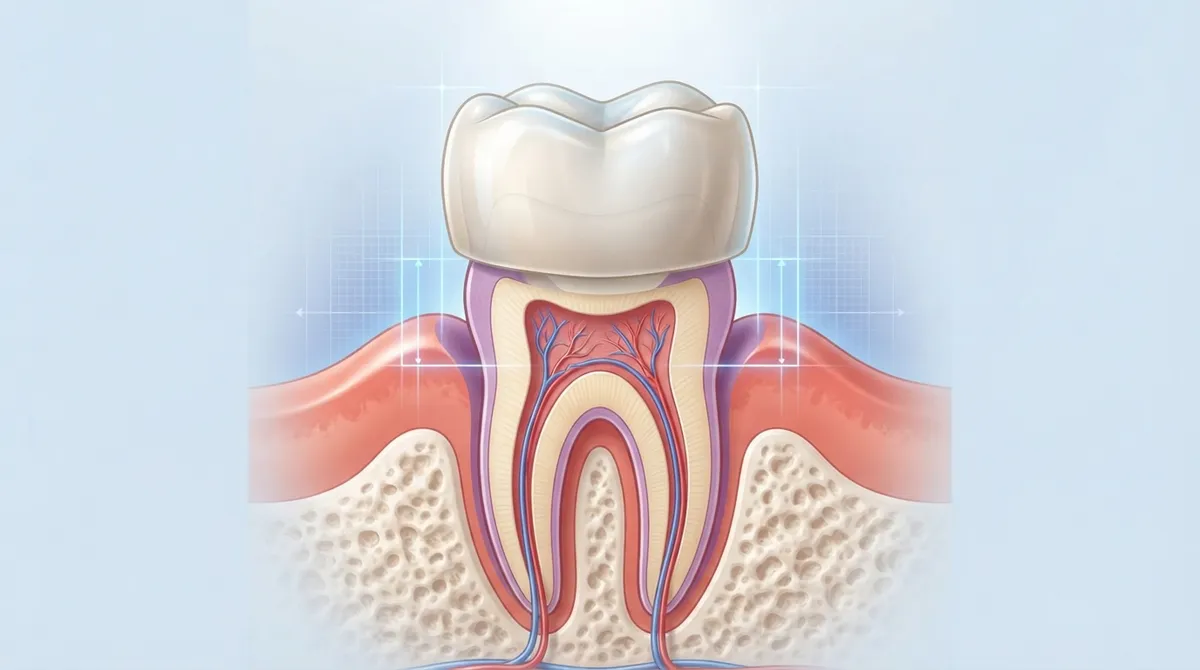
Ever wondered how much of your natural tooth has to stick around before your dentist can cap it with a crown? You’re not alone. This is one of the most common questions we hear at Dental Theory in Brandon, FL. The good news? Your tooth doesn’t need to be perfect. It just needs enough healthy structure left to support the crown. Let’s break down exactly what that means, so you can walk into your next appointment feeling confident instead of confused.
Whether you’re dealing with a cracked molar, an old filling that’s failing, or a tooth that just took a hit, understanding how much of the tooth is needed for a crown can ease a lot of worry. Dr. Chris Karapasha, known around the office as Dr. K, specializes in restoring damaged teeth with same-day ceramic crowns. Let’s dig into the 14 things you need to know about tooth structure, crown placement, and what happens when there’s not quite enough tooth left to work with.
1. The General Rule: At Least 50% Of The Tooth Structure
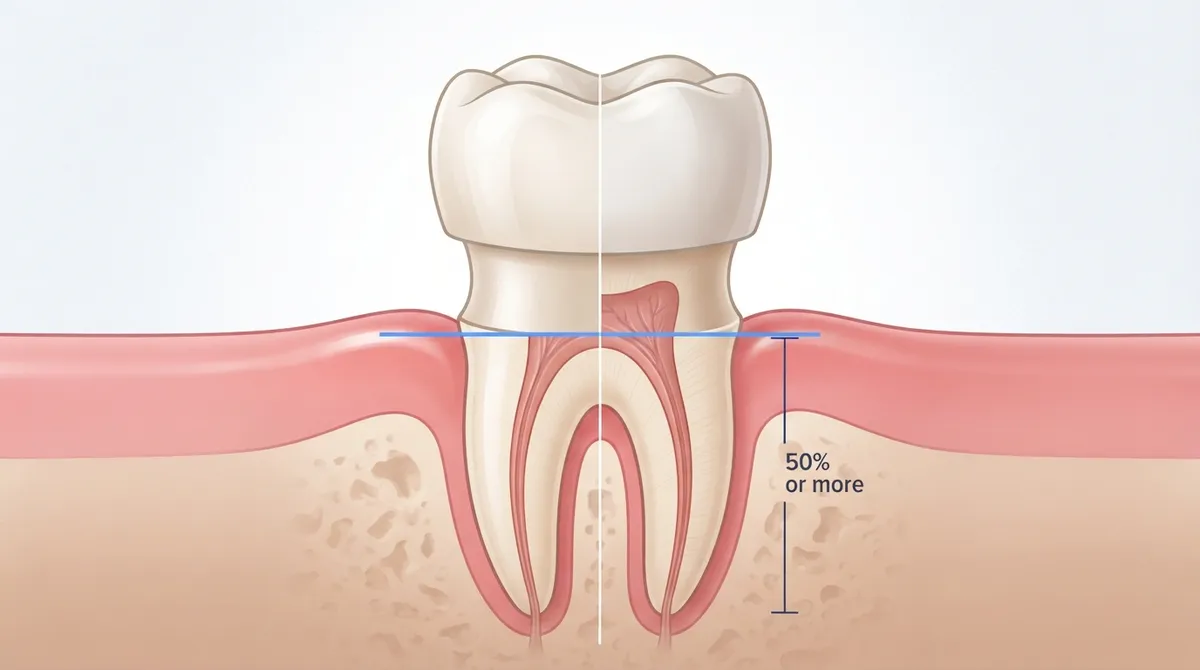
Most dentists agree that a tooth needs at least half of its original structure remaining above the gum line. This gives the crown something solid to grip onto. If less than that remains, your dentist may need to build up the tooth first with a filling material or a post before placing the crown.
This 50% rule isn’t a hard law, but it’s a helpful guideline. Every tooth and every mouth is different. That’s why an in-person exam matters so much before deciding on treatment.
2. Why Tooth Structure Matters So Much
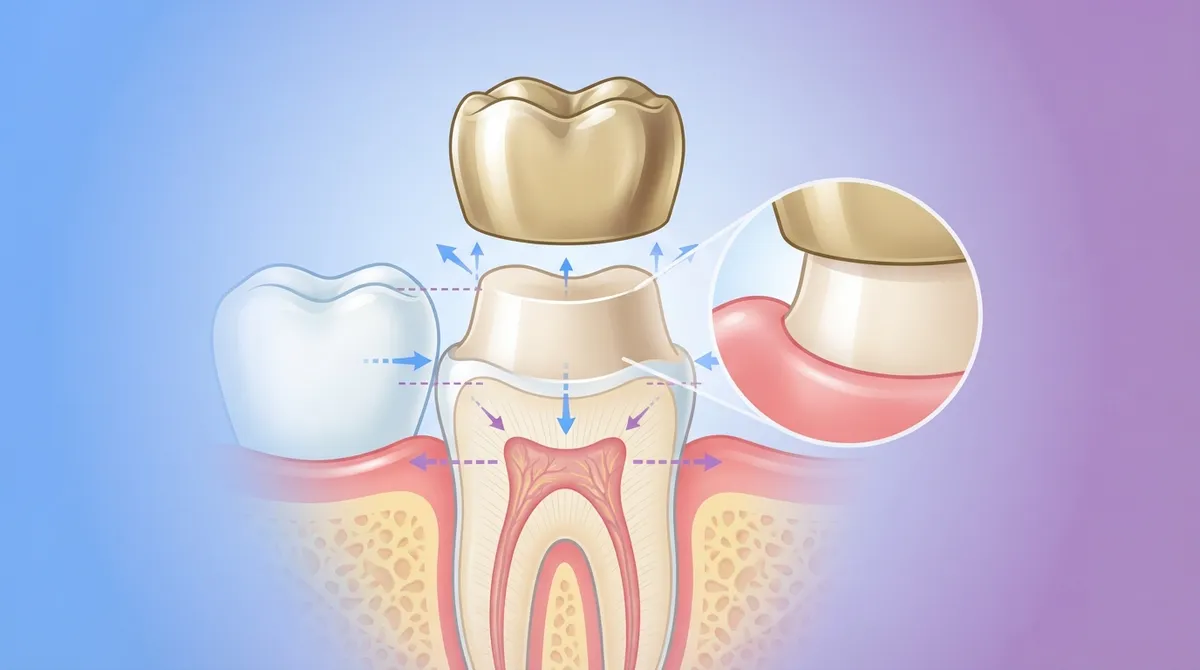
Think of your tooth like a fence post. The more of it that’s buried in solid ground, the sturdier it stands. A crown works the same way. It needs enough of your natural tooth to hold on tight and stay put while you chew, bite, and talk every day.
Without enough structure, the crown can wobble, crack, or even pop off completely. That’s why our team looks closely at what’s left before recommending any treatment.
3. The Ferrule Effect Explained Simply
Dentists use a term called the “ferrule effect.” It sounds technical, but it’s simple. It just means there needs to be a band of healthy tooth structure circling around the base of the crown, like a ring around your finger.
This ring adds strength and stops the tooth from splitting under pressure. Without it, even the best-made crown might fail sooner than expected.
4. What Happens When There’s Not Enough Tooth Left
Sometimes decay or a fracture takes away more tooth than we’d like to see. When this happens, we have a few options to still save your natural tooth. Here are the most common solutions:
- Core buildup using composite filling material to add back missing structure
- A post placed inside the tooth’s root for extra support
- Crown lengthening surgery to expose more of the tooth
- In rare cases, extraction if the tooth simply can’t be saved
Your dentist will always try the least invasive option first. Saving your natural tooth is always the goal whenever possible.
5. Core Buildups: Adding Back What’s Missing
A core buildup is like a foundation repair for your tooth. Your dentist fills in the missing pieces with a strong, durable material. This creates a stable base for the crown to sit on top of.
This procedure is common and usually painless. It’s often done right before the crown prep, so you won’t need an extra visit. Learn more about the full process by reading how crowns are attached to teeth.
6. When A Post Is Needed For Extra Support
If a tooth has had a root canal, it often loses moisture and becomes more brittle. In these cases, a small post might be placed into the root canal space. This adds extra stability before the crown goes on.
Not every root canal tooth needs a post. It depends on how much natural structure remains. Check out this helpful guide on dental crowns with post versus without to learn more.
7. Crown Lengthening: Exposing More Tooth
Sometimes the healthy tooth structure is hiding beneath the gum line. Crown lengthening is a minor procedure that reshapes the gum and sometimes the bone to expose more of the tooth. This gives the crown more surface to attach to.
It’s a bit more involved than a filling, but it can be the difference between saving your tooth and needing an extraction.
8. Signs You Might Need A Crown
How do you know if a crown is even the right choice for your tooth? Here are common signs to watch for:
- A large cavity that’s too big for a simple filling
- A cracked or fractured tooth
- A tooth that’s had a root canal
- Severe wear from grinding or clenching
- A tooth that’s cosmetically damaged or discolored
If you notice any of these signs, it’s worth scheduling a visit. Learn more about the reasons dentists recommend crowns in our article on why dentists recommend dental crowns.
9. How Dentists Measure Remaining Tooth Structure
Your dentist doesn’t just eyeball it. Digital x-rays and a careful clinical exam show exactly how much healthy tooth remains both above and below the gum line. This helps decide the best path forward for your specific situation.
At Dental Theory, we use modern imaging technology to get a clear, accurate picture before any treatment begins. This means fewer surprises and a more predictable outcome for your smile.
10. Comparing Tooth Structure Scenarios
Here’s a simple breakdown of what to expect based on how much tooth structure remains:
| Remaining Tooth Structure | Typical Treatment | Outlook |
|---|---|---|
| 75% or more intact | Standard crown prep | Excellent, straightforward |
| 50-75% intact | Minor buildup, then crown | Very good |
| 25-50% intact | Core buildup or post, then crown | Good with proper support |
| Less than 25% intact | Crown lengthening or evaluation for extraction | Depends on case specifics |
11. Same-Day Ceramic Crowns Make It Easier
One of the best parts about getting a crown at Dental Theory is that you don’t have to wait weeks for a lab to make it. Dr. K offers same-day ceramic crowns, meaning your new crown is designed, milled, and placed in a single visit.
This is a huge relief for busy families and adults juggling work schedules. No temporary crown, no second appointment, no waiting around. You can read more about how this compares to older methods in same-day crowns versus traditional crowns.
12. What To Expect During Your Crown Appointment
Curious what actually happens during your visit? Here’s the typical step-by-step process:
- Numbing the area so you’re comfortable
- Removing decay or old filling material
- Shaping the remaining tooth structure
- Taking a digital scan of your tooth
- Designing and milling your ceramic crown on-site
- Fitting and cementing the finished crown
The whole process usually takes just a couple of hours. You leave with a fully finished, natural-looking crown the same day. For more details, see our guide on what same-day crowns are and how the process works.
13. Caring For Your Tooth After The Crown Is Placed
Once your crown is in place, taking care of it is simple. Here are a few tips to help it last as long as possible:
- Brush twice daily and floss around the crown carefully
- Avoid chewing extremely hard foods like ice or hard candy
- Wear a nightguard if you grind your teeth
- Keep up with regular cleanings and checkups
- Call your dentist right away if you notice looseness or pain
With proper care, a ceramic crown can last many years. Check out our full breakdown on how long dental crowns last for more details.
14. Why Choosing The Right Dentist Matters
Not every dentist has the training or technology to handle complex crown cases involving minimal tooth structure. Dr. K has been recognized for his skill, and Dr. Chris Karapasha has been named one of America’s Top Young Dentists in Incisal Edge magazine’s 2025 40 Under 40. That kind of recognition reflects the level of care you can expect at our Brandon office.
If you’re unsure whether your tooth has enough structure for a crown, don’t guess. An experienced dentist can examine your tooth and walk you through your options clearly. You can also check Dr. K’s Gold+ Invisalign Profile to see his broader credentials in cosmetic and restorative dentistry.
Frequently Asked Questions About Crown Tooth Structure
Still have questions? That’s completely normal. Crowns can feel a little confusing until you sit down and talk it through with a professional. Below we’ve answered the most common questions patients ask us here in Brandon.
Insurance And Cost Considerations
Many patients wonder how insurance factors into crown treatment when extra procedures like core buildups are needed. It’s smart to understand your coverage before treatment begins so there are no surprises later. Our team can help walk you through your insurance benefits and answer any billing questions you have.
We also recommend reading about common pitfalls in our article on insurance mistakes that cost you on dental crowns. A little knowledge upfront can save you money and stress down the road.
Ready To Save Your Smile?
Understanding how much of the tooth is needed for a crown helps you feel more in control of your dental care journey. Whether your tooth has plenty of structure left or needs a little extra support first, our Brandon team is here to guide you every step of the way. We proudly serve families and adults throughout Brandon, Florida, offering same-day ceramic crowns that fit into your busy life without multiple appointments.
Curious what our patients think? Feel free to visit us on Google — Dental Theory to read real reviews from folks just like you. You can also visit us on Facebook to see updates and patient stories from our office. If you’re ready to get your tooth evaluated, don’t wait until the pain gets worse. Reach out today and contact Dental Theory to schedule your visit, or you can schedule an appointment online right now. Your smile deserves expert care, and we’re honored to be Brandon’s trusted choice for same-day ceramic crowns.
FAQs
Q: How much of my tooth needs to be left for a crown to work?
A: Generally, dentists like to see at least 50% of the natural tooth structure remaining above the gum line. This gives the crown a strong foundation to grip onto. If less remains, don’t worry, options like core buildups or posts can often save the tooth anyway.
Q: Can I still get a crown if my tooth is badly broken?
A: In many cases, yes! Your dentist may use a core buildup or a post to rebuild missing structure before placing the crown. It’s always worth getting an exam before assuming extraction is your only option.
Q: What happens if there isn’t enough tooth structure for a crown?
A: If there’s very little tooth left, your dentist might recommend crown lengthening to expose more structure, or in some cases, extraction may be necessary. Every situation is different, so a personal exam is the best way to know for sure.
Q: Does getting a same-day crown require less tooth structure than a traditional crown?
A: Not exactly, the same amount of healthy tooth structure is needed either way. The difference is convenience. Dr. K’s same-day ceramic crowns are designed and placed in one visit, so you skip the temporary crown and second appointment entirely.
Q: How do I know if I need a core buildup before my crown?
A: Your dentist will check this during your exam using digital x-rays and a visual inspection. If your tooth has lost more structure than ideal, a quick core buildup is usually done right before your crown prep, so it won’t add an extra visit.
Our Service Area