Key Takeaways
-
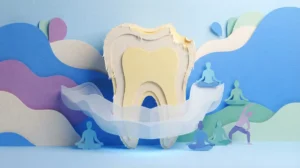
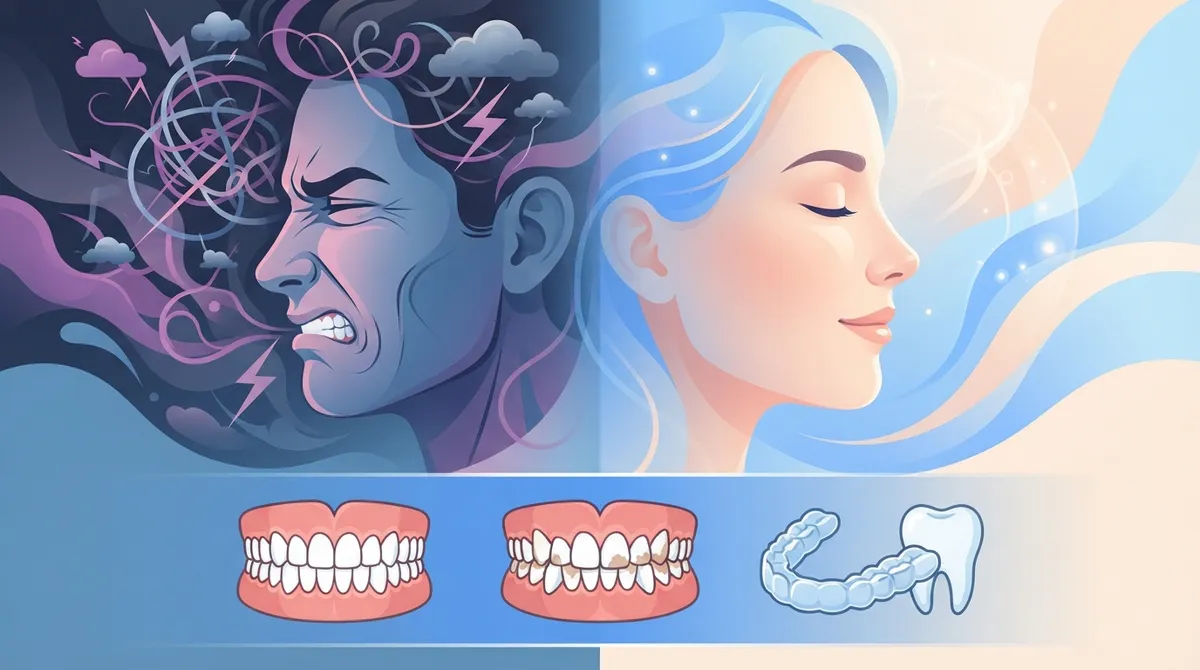
Stress and anxiety are the leading cause of bruxism in adults; managing stress through relaxation habits and using a custom nightguard offers the best protection while addressing the emotional trigger.
-
Misaligned teeth or an uneven bite cause jaw muscles to work overtime searching for comfort, leading to grinding; orthodontic treatments like Invisalign or bite corrections can reduce grinding caused by mechanical misalignment.
-
Bruxism often stems from multiple causes including sleep disorders like sleep apnea, lifestyle habits (caffeine, alcohol), missing teeth, and genetics; professional evaluation is essential to identify your specific triggers and build an effective treatment plan.
-
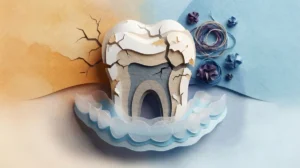
Left untreated, bruxism damages teeth permanently through enamel wear, cracking, and jaw pain; signs include flattened tooth edges, sensitivity, and morning jaw tightness—early intervention prevents costly damage.
Do you wake up with a sore jaw or a dull headache? Does your partner say you grind your teeth at night? You are not alone. Bruxism, the fancy word for teeth grinding and clenching, affects millions of people. But here is the real question: what actually causes it? Understanding the root cause is the first step to protecting your smile and getting real relief.
At Dental Theory in Brandon, FL, we see bruxism in patients of all ages. Some grind from stress. Others grind because their bite is off. Kids can even grind their baby teeth. The good news? Once you know the cause, treatment gets a lot easier. Let’s break down the seven biggest root causes of bruxism, and what you can do about each one.
1. Stress and Anxiety Are the Number One Trigger
Stress is the leading cause of bruxism in adults. When life feels overwhelming, your body holds tension in unexpected places. Your jaw is one of them. Many people clench their teeth without even realizing it during a stressful workday or a tense meeting.
This tension often shows up at night, too. Your brain replays the day’s stress while you sleep, and your jaw muscles respond by clenching or grinding. Over time, this can wear down your enamel and lead to cracked teeth.
- Work deadlines and financial pressure
- Relationship or family stress
- Sleep deprivation
- Major life changes like moving or a new job
If stress is your trigger, simple relaxation habits before bed can help. But a custom nightguard from your dentist offers the best protection for your teeth while you work on managing stress.
2. Misaligned Teeth or an Uneven Bite
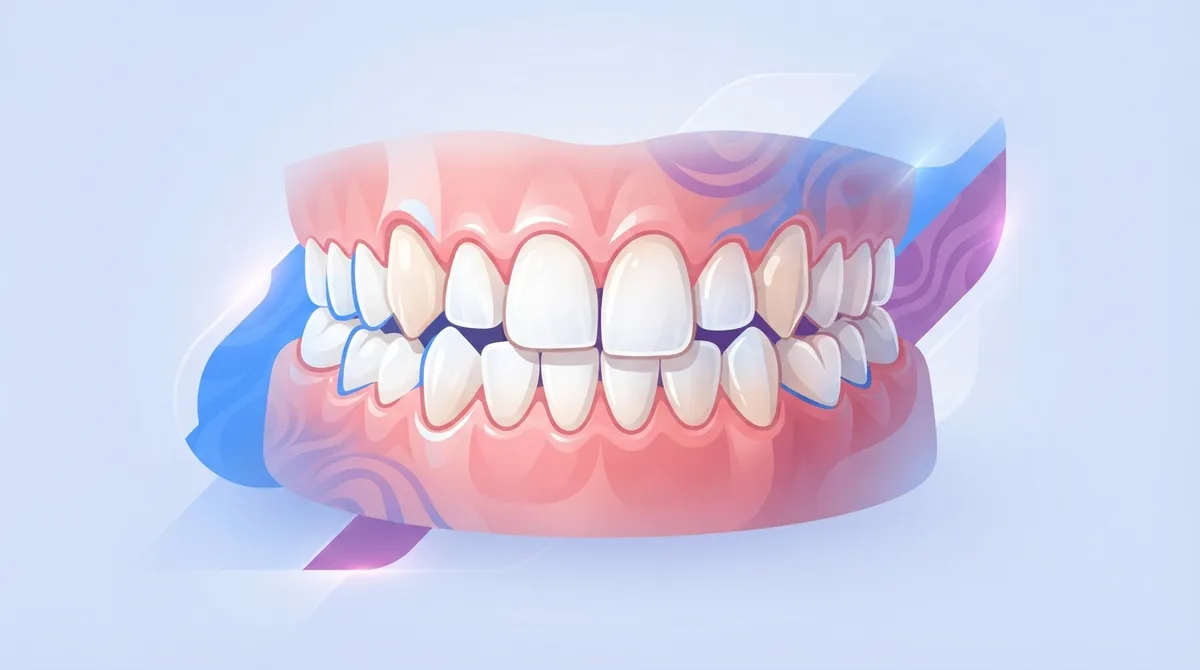
Sometimes the root cause isn’t emotional at all. It’s mechanical. When your upper and lower teeth don’t fit together properly, your jaw muscles work overtime trying to find a comfortable position. This constant searching often leads to grinding.
An uneven bite can happen for a few reasons:
- Missing teeth that shift your bite pattern
- Crooked or crowded teeth
- Old dental work that sits too high or too low
- Jaw structure issues from birth or injury
If your bite is the problem, options like veneers, crowns, or bridges can help restore proper alignment. Straightening your teeth with treatments discussed in our Invisalign treatment guide may also reduce grinding caused by misalignment.
3. Missing or Damaged Teeth
When a tooth is missing, cracked, or worn down, your jaw compensates by shifting how it bites and chews. This imbalance can trigger grinding as your mouth tries to find a stable resting position.
This is one reason dentists take tooth loss seriously, even if it doesn’t hurt. A gap left untreated can cause a chain reaction of problems, including bruxism. Restorative options like dental implants or implant-supported crowns can fill the gap and restore natural bite function.
| Dental Issue | How It Contributes to Bruxism | Possible Solution |
|---|---|---|
| Missing tooth | Shifts bite alignment | Dental implant or bridge |
| Cracked tooth | Uneven chewing surface | Same-day crown |
| Worn enamel | Jaw overcompensates | Crown or bonding |
| Old filling | Bite feels \”off\” | Filling adjustment |
4. Sleep Disorders Like Sleep Apnea
Bruxism and sleep problems often go hand in hand. People with obstructive sleep apnea grind their teeth more often than people without it. Researchers believe grinding may be the body’s way of restarting breathing and repositioning the jaw during interrupted sleep.
Signs that sleep apnea might be linked to your grinding include:
- Loud snoring
- Waking up gasping for air
- Daytime fatigue despite a full night’s sleep
- Morning headaches
If this sounds familiar, talk to your doctor and your dentist. Treating the sleep disorder often reduces the grinding too. The National Sleep Foundation offers helpful resources on how sleep disorders connect to oral health.
5. Lifestyle Habits and Substances
What you eat, drink, and consume daily can play a bigger role in bruxism than you might think. Certain substances stimulate your nervous system and make grinding more likely.
- Caffeine from coffee, soda, and energy drinks
- Alcohol, which affects sleep quality
- Tobacco products
- Recreational drug use
- Certain medications, including some antidepressants
Cutting back on caffeine and alcohol, especially in the evening, can sometimes reduce nighttime grinding. If you take medication and suspect it’s connected to your bruxism, don’t stop it on your own. Talk to your prescribing doctor first.
6. Genetics and Family History
Sometimes bruxism simply runs in the family. Studies suggest that if your parents ground their teeth, you have a higher chance of doing it too. This doesn’t mean it’s unavoidable, but it does mean genetics can load the dice.
This is especially true for children. If you notice your child grinding their teeth at night, it may be worth mentioning at their next visit. Our pediatric dentistry team can monitor growth patterns and catch issues early.
7. Age and Developmental Factors in Children
Bruxism in kids is actually pretty common, especially between ages 3 and 6. It’s often linked to teeth erupting or the jaw growing and adjusting. Most children outgrow it on their own, but persistent grinding should be checked by a dentist.
Dr. Priyanka Karapasha, known as Dr. Pri, is a board-certified pediatric dentist and the only one in Brandon offering in-office sedation for anxious or special-needs kids. If your child’s grinding seems severe or is paired with anxiety about dental visits, Dr. Pri can provide gentle, sedation-supported care to protect their growing smile.
How Dentists Diagnose the Root Cause
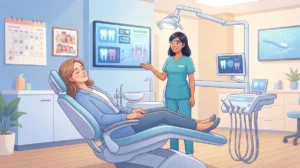
Figuring out what’s causing your bruxism takes a little detective work. Here’s what a typical evaluation looks like:
- A review of your dental history and symptoms
- A visual exam checking for worn or cracked teeth
- Questions about stress levels, sleep habits, and medications
- A bite analysis to check for alignment issues
- Possible referral for a sleep study if apnea is suspected
Once we know the cause, we can build a treatment plan that actually works instead of just managing symptoms. This might include a nightguard, orthodontic treatment, or restorative work like dental crowns for damaged teeth.
Same-Day Crowns for Bruxism Damage
If grinding has already cracked or worn down a tooth, waiting weeks for a repair isn’t ideal. That’s why Dr. K offers same-day ceramic crowns at Dental Theory. You get a durable, natural-looking crown in a single visit, no temporary crown and no second appointment needed.
This matters a lot for bruxism patients. A same-day crown means less time your tooth spends vulnerable to further damage. Learn more about how this works in our guide on same-day crowns and the process behind them.
Signs Bruxism Is Damaging Your Teeth
- Flattened or chipped tooth edges
- Increased tooth sensitivity
- Jaw pain or tightness in the morning
- Clicking or popping in the jaw joint
- Headaches that start near the temples
If any of these sound familiar, it’s worth booking an exam soon. Left untreated, bruxism can lead to bigger problems like fractured teeth or jaw disorders. You can read more in our article on sleep, TMJ, and bruxism.
Simple Ways to Manage Bruxism at Home
While professional treatment is key, small daily habits can support your progress too.
- Practice jaw relaxation exercises before bed
- Apply a warm compress to sore jaw muscles
- Reduce caffeine intake in the afternoon and evening
- Try stress-reduction techniques like deep breathing
- Avoid chewing gum, which can overwork jaw muscles
These habits won’t replace a nightguard or dental treatment, but they can ease symptoms while you address the root cause.
Why Choose Dental Theory for Bruxism Treatment
Bruxism affects everyone differently, which is why a one-size-fits-all approach doesn’t work. At Dental Theory, our team looks at your whole picture, your bite, your stress levels, and your dental history, to find what’s really going on.
We proudly serve families throughout Brandon with general dentistry and cosmetic dentistry services designed to protect your smile for life. Dr. Chris Karapasha’s expertise has even been recognized nationally; Dr. Chris Karapasha has been named one of America’s Top Young Dentists in Incisal Edge magazine’s 2025 40 Under 40. You can also check his credentials on his Gold+ Invisalign provider profile.
Curious what other patients think? You can visit us on Google — Dental Theory to read real reviews from Brandon families, or visit us on Facebook to see updates and patient stories. If you’re also looking for supportive wellness care alongside your dental treatment, our friends at West Florida Therapy offer excellent physical therapy services that can complement jaw pain relief.
Final Thoughts on Bruxism’s Root Causes
Bruxism rarely has just one cause. It’s usually a mix of stress, bite alignment, sleep quality, and sometimes genetics. The key is not to ignore it. Left untreated, grinding can wear down your teeth, damage restorations, and cause ongoing jaw pain.
The best move you can make is getting a professional evaluation. Our team at Dental Theory can pinpoint your specific triggers and build a plan that protects your smile long term. Ready to stop the grinding and start protecting your teeth? Contact Dental Theory today to schedule your consultation, or schedule an appointment online at a time that works for you.
FAQs
Q: What is the most common root cause of bruxism?
A: Stress and anxiety are the most common triggers we see in our patients. Your jaw holds tension just like your shoulders do, and grinding is often your body’s way of releasing it, especially at night.
Q: Can a bad bite really cause teeth grinding?
A: Absolutely! When your teeth don’t fit together comfortably, your jaw muscles keep searching for a better position, and that constant adjusting often turns into grinding. Fixing the alignment can bring a lot of relief.
Q: Is bruxism in children something to worry about?
A: Most of the time, kids outgrow teeth grinding as their jaw develops, so try not to panic! That said, it’s always smart to mention it at your child’s next visit so we can keep an eye on things.
Q: Can stress-related bruxism damage my teeth permanently?
A: Yes, over time grinding can wear down enamel, crack teeth, and even damage existing dental work. The good news is a custom nightguard and same-day crown repairs can protect your smile while you work on managing stress.
Q: How do I know if I should see a dentist about my grinding?
A: If you notice jaw soreness, headaches, or flattened teeth, it’s time to book an exam. We’d love to help you figure out what’s causing it and get you feeling comfortable again.
Our Service Area