Key Takeaways
-
Molars and canines are most vulnerable to bruxism damage due to their role in chewing and jaw guidance; identifying which teeth are affected helps catch damage early before requiring costly repairs like crowns.
-
Custom night guards are highly effective at protecting teeth from grinding damage, though they don't stop the habit itself—combining them with stress management and regular dental checkups provides comprehensive protection.
-
Early signs of bruxism include morning jaw soreness, headaches, flattened or chipped teeth, and increased sensitivity; untreated grinding can progress to cracked teeth, TMJ disorders, and loose teeth requiring major restoration.
-
Children commonly grind their teeth during teething and development, though most outgrow it; parents should monitor for grinding sounds during sleep and mention concerns to their pediatric dentist at checkups.
Ever wake up with a sore jaw or a dull headache for no clear reason? You might be grinding your teeth at night without even knowing it. Bruxism is super common, and it can quietly damage your smile over time. The good news is once you know which teeth are most affected by bruxism, you can catch the warning signs early and protect your smile for good.
At Dental Theory in Brandon, FL, we see patients every week who had no idea grinding was the reason behind their cracked teeth or jaw pain. This guide will walk you through exactly which teeth take the hardest hit, why it happens, and what you can do about it. Whether you’re a parent worried about your child’s grinding habit or an adult dealing with worn-down molars, we’ve got you covered.
What Is Bruxism, Exactly?
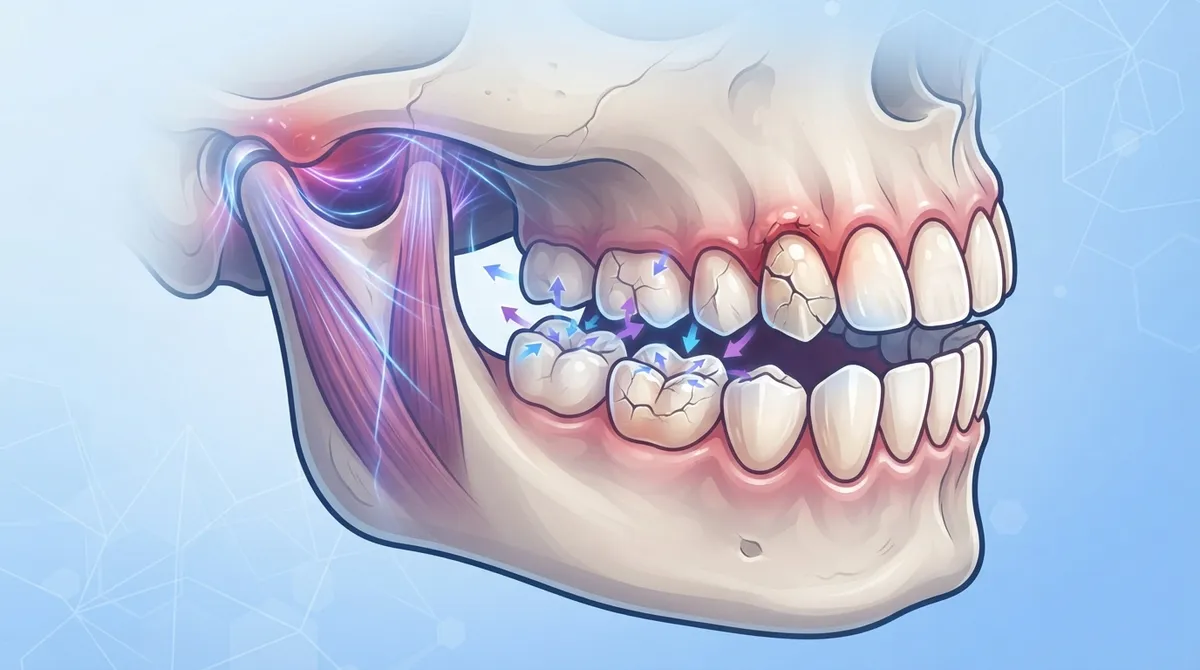
Bruxism is the medical term for grinding or clenching your teeth. It usually happens at night, but some people do it during the day too, especially when stressed. Many people don’t even realize they’re doing it until a dentist points out the wear and tear.
Over time, this grinding puts serious pressure on your teeth, jaw, and gums. It’s one of the sneakier dental issues because the damage builds up slowly. That’s why regular checkups with a trusted general dentistry team matter so much.
Common Signs You Might Be Grinding Your Teeth
- Waking up with a sore or tight jaw
- Frequent headaches, especially in the morning
- Flattened, chipped, or cracked teeth
- Increased tooth sensitivity to hot or cold
- A partner telling you that you grind at night
- Jaw clicking or popping sounds
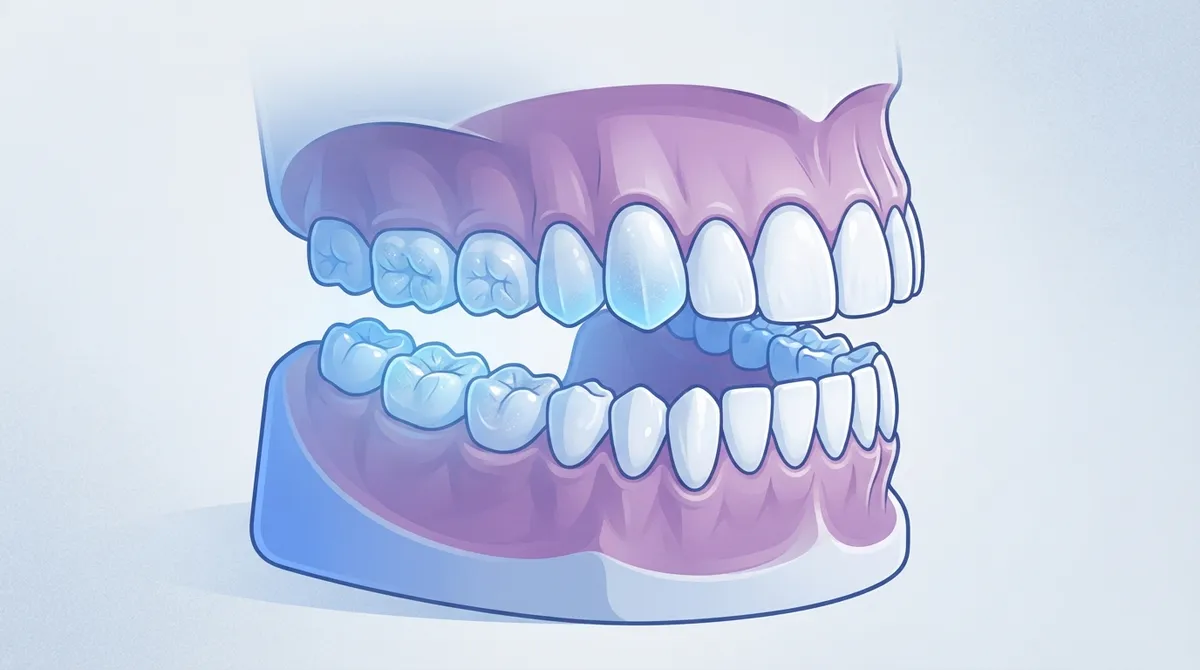
Which Teeth Are Most Affected by Bruxism?
Not all teeth take the same beating from grinding. Some are built to handle more pressure, while others wear down fast. Here’s a breakdown of the teeth most commonly affected by bruxism, ranked from most to least impacted.
1. Molars (Back Teeth)
Your molars do the heavy lifting when you chew, and they take the brunt of grinding too. These flat, wide teeth are built for crushing food, which makes them a prime target during nighttime grinding sessions. Over time, molars can develop flattened surfaces, deep cracks, or even fractures.
2. Canines (Eye Teeth)
Canines are those pointy teeth near the front of your mouth. They help guide your jaw movement, so they absorb a lot of side-to-side grinding motion. Grinders often notice their canines becoming shorter or flatter over time.
3. Front Incisors
Your front teeth aren’t as strong as molars, but clenching can still chip or wear them down. This is especially true for people who grind side to side rather than up and down. Thin edges on your front teeth are a telltale sign of bruxism damage.
4. Premolars
Located between your canines and molars, premolars can also show wear from grinding, though usually less severe than molars. They’re often affected in combination with nearby teeth rather than on their own.
| Tooth Type | Location | Common Damage | Risk Level |
|---|---|---|---|
| Molars | Back of mouth | Flattening, cracks, fractures | High |
| Canines | Near the front | Shortening, flattening | High |
| Incisors | Front center | Chipping, thinning edges | Moderate |
| Premolars | Between canines and molars | Mild wear, sensitivity | Moderate |
Why Does Grinding Target Certain Teeth?
It all comes down to bite patterns and jaw movement. When you grind side to side, your canines and molars take most of the pressure. When you clench straight down, your molars and premolars bear the load. Everyone grinds a little differently, which is why the pattern of damage can vary from person to person.
Factors That Influence Which Teeth Get Damaged
- Your natural bite alignment
- Whether you clench, grind, or both
- How long you’ve been grinding without treatment
- Existing dental work like crowns or fillings
- Stress levels and sleep quality
What Happens If Bruxism Goes Untreated?
Ignoring teeth grinding doesn’t make it go away. In fact, it usually gets worse. Left untreated, bruxism can lead to some serious dental problems down the road.
- Cracked or fractured teeth that need dental crowns to repair
- Worn enamel that increases sensitivity
- Jaw pain and TMJ disorders
- Loose teeth from constant pressure
- Damage to existing dental work
If you’re already dealing with a cracked tooth from grinding, our team offers same-day crowns, so you don’t have to wait weeks for a fix. Dr. Chris Karapasha, known to patients as Dr. K, specializes in restoring damaged teeth with same-day ceramic crowns, meaning you walk out with a fully repaired tooth in just one visit.
How Dentists Diagnose Bruxism
You might be surprised how much your dentist can tell just from looking at your teeth. Flattened surfaces, small cracks, and worn edges are all clues that point to grinding. A thorough dental exam is usually enough to spot the signs early.
Steps Dentists Take to Confirm Bruxism
- Visual exam of tooth wear patterns
- Checking for jaw tenderness or muscle tightness
- Asking about headaches, sleep quality, and stress
- Taking digital x-rays to check for hidden damage
- Reviewing your bite alignment
Routine comprehensive exams are one of the easiest ways to catch bruxism before it causes major damage. Many patients don’t even realize they grind their teeth until a dentist points it out during a checkup.
Treatment Options for Teeth Grinding
The good news is bruxism is very treatable. Once we know which teeth are most affected, we can create a plan that protects your smile and stops further damage.
Common Ways to Manage Bruxism
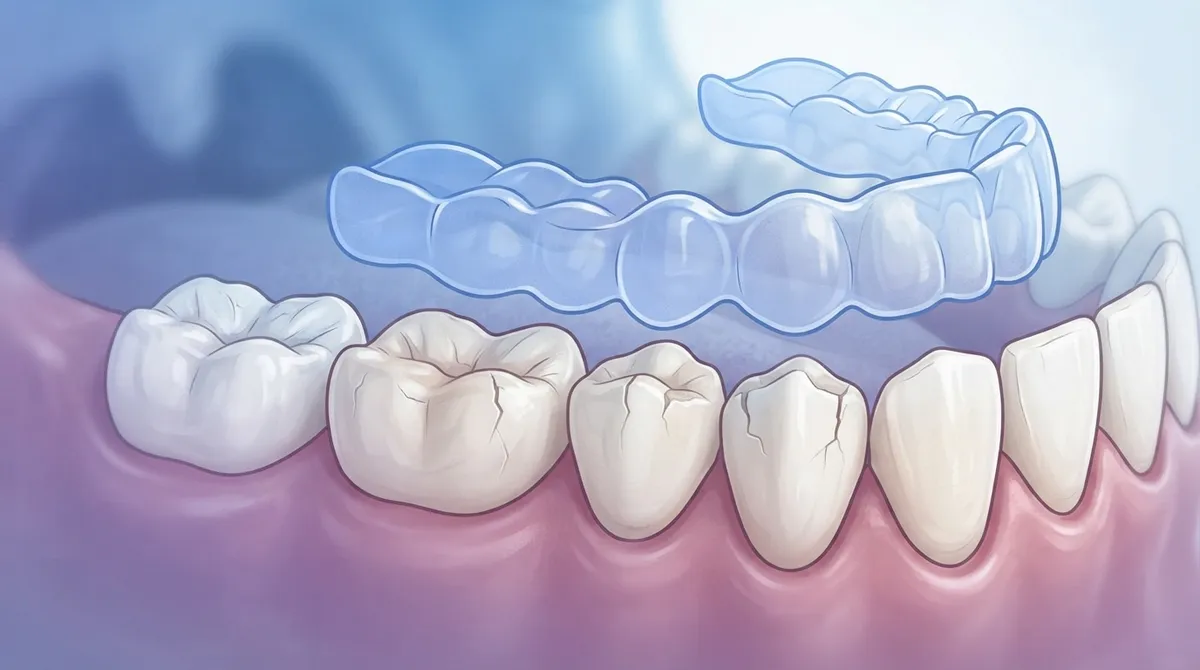
- Custom night guards to cushion your bite
- Stress management techniques
- Correcting bite alignment issues
- Restoring damaged teeth with crowns or fillings
- Regular dental checkups to monitor wear
For adults dealing with cosmetic damage from years of grinding, treatments through cosmetic dentistry can restore both function and appearance. This might include veneers, crowns, or bridges, depending on how much damage has occurred.
Bruxism in Kids: What Parents Should Know
Kids grind their teeth too, more often than you might think. It’s usually tied to teething, stress, or how their bite is developing. Most children outgrow it, but it’s still worth mentioning to your child’s dentist.
Dr. Priyanka Karapasha, known as Dr. Pri, is a board-certified pediatric dentist who understands how to spot early signs of grinding in growing smiles. If your child seems anxious about dental visits in general, Dental Theory is proud to be the only practice in Brandon offering in-office sedation from a board-certified pediatric dentist, making checkups calm and comfortable for even the most nervous kids.
Signs of Bruxism in Children
- Grinding sounds heard during sleep
- Complaints of jaw or ear pain
- Flattened baby teeth
- Increased irritability tied to poor sleep
Protecting Your Smile Long-Term
Knowing which teeth are most affected by bruxism is the first step. The next step is taking action before the damage piles up. Simple habits, combined with regular dental visits, can make a huge difference.
- Wear a night guard if your dentist recommends one
- Practice relaxation techniques before bed
- Avoid chewing on ice, pens, or hard objects
- Schedule regular teeth cleanings and exams
- Address jaw pain early instead of waiting it out
According to the National Institute of Dental and Craniofacial Research, untreated jaw and bite issues can lead to long-term discomfort and tooth damage, which is why early treatment matters so much. The American Dental Association also recommends custom-fitted night guards over store-bought options for better protection and comfort.
Why Choose Dental Theory for Bruxism Care?
Our Brandon, FL team takes a friendly, judgment-free approach to every visit. We know dental anxiety is real, and we’ve built our practice around making patients feel comfortable from the moment they walk in. Dr. K has even been recognized for his skill, being named one of America’s Top Young Dentists in Incisal Edge magazine’s 2025 40 Under 40.
Whether you need a custom night guard, a same-day crown, or just a checkup to see how much wear has happened, we’re here to help. You can visit us on Google — Dental Theory to see what our patients are saying, or visit us on Facebook for updates and smile transformations.
Ready to Protect Your Smile from Grinding Damage?
Bruxism doesn’t have to wreck your smile. With the right care, you can stop the damage in its tracks and keep your teeth strong for years to come. Our friendly Brandon team is ready to check your teeth, talk through your options, and get you set up with a plan that actually works for your life.
Don’t wait until a cracked tooth turns into an emergency. Reach out today to contact Dental Theory and let’s protect your smile together.
FAQs
Q: Which teeth are most affected by bruxism?
A: Molars usually take the biggest hit since they handle the most chewing pressure, followed closely by canines. Front teeth and premolars can also show wear, but the damage is usually less severe there.
Q: Can grinding damage a single tooth more than others?
A: Yes, if your bite is uneven or you favor one side while grinding, that side often shows more wear. This is why regular checkups are so helpful for catching uneven damage early.
Q: How do I know if I’m grinding my teeth at night?
A: Common signs include waking up with a sore jaw, morning headaches, or noticing flattened teeth in the mirror. Sometimes a partner or family member will actually hear the grinding sounds before you notice any symptoms yourself.
Q: Does a night guard really help with bruxism?
A: Absolutely, a custom night guard cushions your teeth and reduces the pressure from grinding. It won’t stop the habit completely, but it protects your teeth from serious damage while you address the root cause.
Q: Can kids grind their teeth too?
A: Yes, it’s actually pretty common in children, especially during teething or while their bite is still developing. Most kids grow out of it, but it’s worth mentioning to your pediatric dentist just to be safe.
Our Service Area