Key Takeaways
-
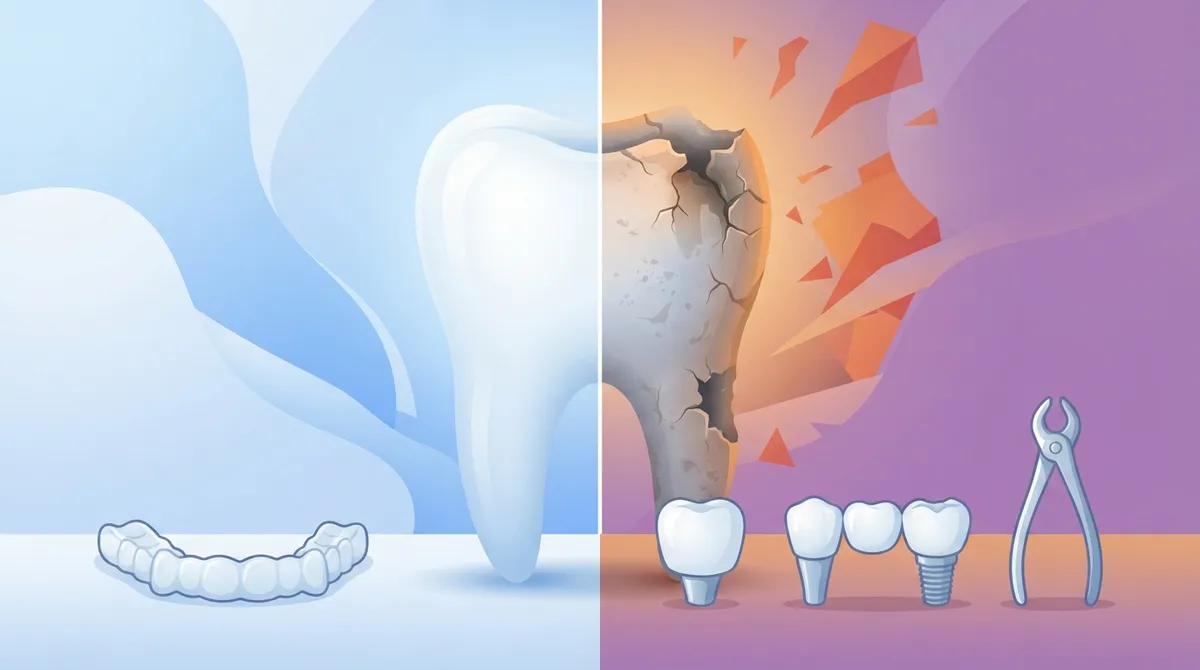
Untreated bruxism progressively damages teeth through enamel wear, cracking, and sensitivity, with costs escalating from simple night guards to expensive crowns, root canals, or extractions if ignored.
-
Chronic jaw clenching leads to TMJ disorders causing jaw pain, headaches, and muscle changes that can affect facial structure and quality of life over months or years.
-
Early intervention with a custom night guard is significantly cheaper and more effective than treating advanced damage, making early detection critical for long-term dental health.
-
Bruxism damages existing dental work like fillings and crowns faster, leading to repeated repairs and compounding treatment costs that could have been prevented.
-
Morning headaches, tooth sensitivity, and jaw soreness are early warning signs of bruxism that warrant immediate dental evaluation before irreversible damage occurs.
-
Untreated grinding causes gum recession and bone loss around teeth, leaving roots exposed and vulnerable to decay, which can lead to tooth loss if not addressed.
Do you wake up with a sore jaw or a dull headache almost every morning? You might be grinding your teeth at night without even knowing it. This condition is called bruxism, and it’s more common than you think. Here at Dental Theory in Brandon, FL, we see patients every week who had no idea their jaw pain or cracked tooth was linked to nighttime grinding.
The tricky part about bruxism is that it often happens while you sleep. That means you could be damaging your teeth for months or even years before you notice a problem. So what happens if bruxism is left untreated? The short answer: things get worse, and they get expensive. Let’s walk through exactly what can happen, and what you can do about it before small issues turn into big ones.
What Is Bruxism, Exactly?
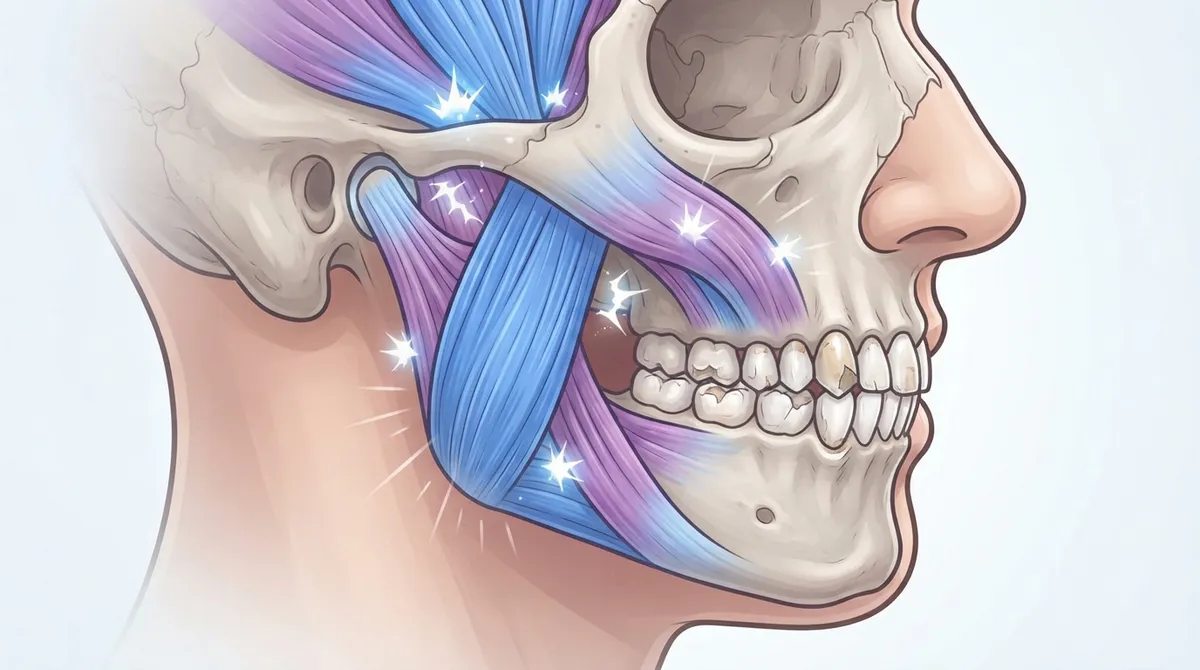
Bruxism is the medical term for grinding or clenching your teeth. It can happen during the day when you’re stressed, or at night while you sleep. Many people don’t even realize they do it until a dentist points out the warning signs during a checkup.
Some people clench so hard they wear down their enamel. Others grind side to side, which can chip or crack teeth over time. Either way, ignoring it rarely makes it go away on its own.
Common Causes of Teeth Grinding
- Stress and anxiety
- Misaligned bite or crooked teeth
- Sleep disorders like sleep apnea
- Too much caffeine or alcohol
- Certain medications
If you want to learn more about how this condition builds over time, check out our article on understanding TMJ and bruxism.
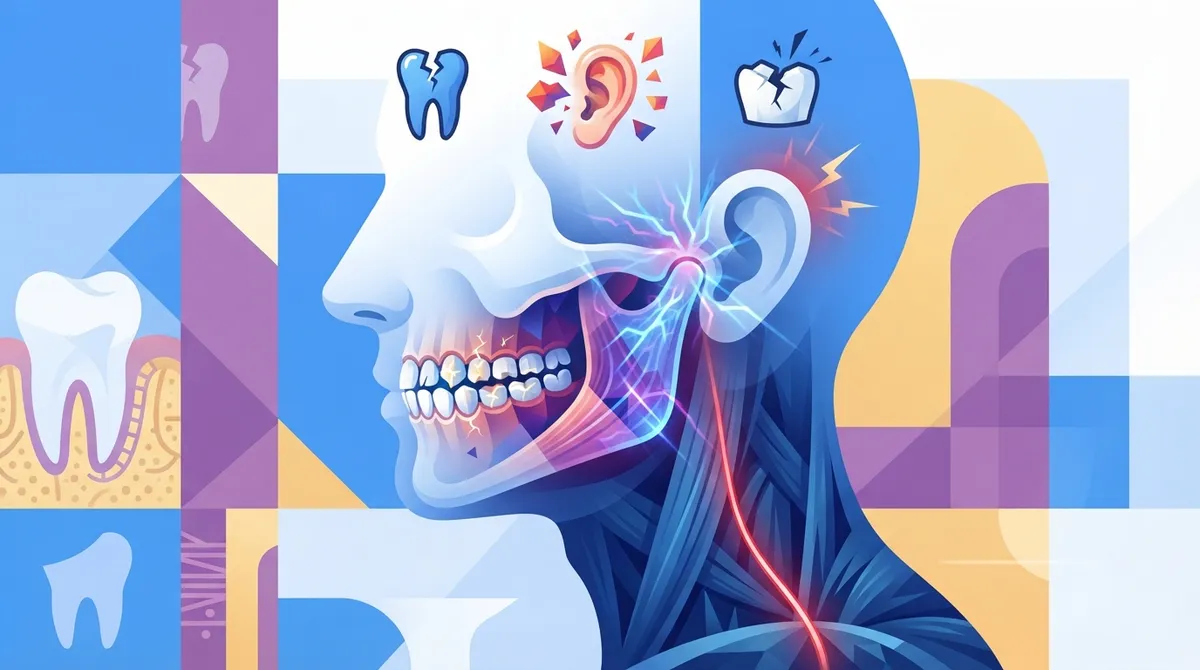
10 Things That Happen If Bruxism Goes Untreated
Here’s a countdown of the real consequences you could face if you keep ignoring the grinding.
1. Worn Down, Flattened Teeth
Over time, grinding wears down the chewing surfaces of your teeth. Your teeth may start looking shorter or flatter than they used to. This isn’t just a cosmetic issue. Worn enamel exposes the sensitive layers underneath, leading to pain and sensitivity.
2. Cracked or Fractured Teeth
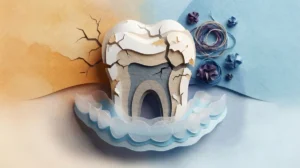
The pressure from grinding can be strong enough to crack a tooth. Some cracks are small hairline fractures. Others are severe enough to require emergency care. Once a tooth cracks, it usually needs professional treatment.
3. Increased Tooth Sensitivity
As enamel wears away, your teeth become more sensitive to hot, cold, and sweet foods. This sensitivity can make everyday eating and drinking uncomfortable. It’s often one of the first signs people notice before realizing bruxism is the cause.
4. Jaw Pain and TMJ Disorders
Constant clenching puts stress on your jaw joint, known as the TMJ. Over time, this can lead to painful jaw disorders that affect chewing, talking, and even opening your mouth wide. TMJ pain can radiate into your neck and shoulders too.
5. Chronic Headaches
Many people who grind their teeth wake up with headaches. This happens because the muscles used for grinding are connected to the same muscles that cause tension headaches. If you get frequent morning headaches, bruxism could be the hidden reason.
6. Damage to Dental Work
If you already have fillings, crowns, or bridges, grinding can wear them down faster or even break them. This means more visits to the dentist and more money spent repairing damage that could have been prevented.
7. Gum Recession and Bone Loss
The excessive force from grinding can push on the gum tissue and bone around your teeth. Over the years, this may contribute to gum recession, which leaves the roots of your teeth exposed and more vulnerable to decay.
8. Sleep Disruption for You and Your Partner
Nighttime grinding can be loud enough to wake up a partner sleeping next to you. Poor sleep quality affects your mood, focus, and overall health. Some people also grind so hard that they wake themselves up.
9. Facial Muscle Changes
Long-term clenching can actually change the shape of your jaw muscles, making your face look wider or more square over time. This happens because the muscles are working overtime, almost like exercising a muscle every single night.
10. Higher Costs for Dental Treatment
The longer bruxism goes untreated, the more expensive the fix becomes. What starts as a simple night guard recommendation can turn into root canals, crowns, or even tooth replacement if teeth crack beyond repair.
How Untreated Bruxism Affects Kids Differently
Grinding isn’t just an adult problem. Many children grind their teeth too, especially during stressful periods or while their adult teeth are coming in. While some kids outgrow it, others need guidance to protect their smile.
Dr. Priyanka Karapasha, known to our patients as Dr. Pri, is a board-certified pediatric dentist who understands how to spot early signs of bruxism in children. If your little one is anxious about dental visits, Dr. Pri also offers in-office sedation, making her uniquely qualified to provide gentle care for kids who need extra support. Parents in Brandon can learn more about handling dental worries in our guide on finding a dentist who makes anxious patients feel safe.
Signs You Might Have Bruxism
Not sure if you’re a grinder? Here are common warning signs to watch for.
- Waking up with a sore or tight jaw
- Frequent headaches, especially in the morning
- Teeth that look flat, chipped, or worn
- Increased tooth sensitivity
- A partner mentioning grinding noises at night
- Clicking or popping sounds in your jaw
- Indentations on your tongue
If any of these sound familiar, it’s time to talk to a dentist. Early treatment can prevent many of the problems listed above.
How Dental Theory Diagnoses and Treats Bruxism
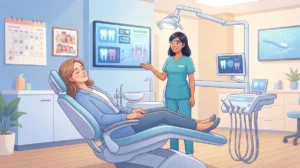
At Dental Theory, we take a simple, step-by-step approach to figuring out if bruxism is affecting your smile.
Our Process for Adults
- A full dental exam to check for wear patterns and cracks
- A discussion about your stress levels, sleep habits, and lifestyle
- A custom-fitted night guard to protect your teeth while you sleep
- Follow-up visits to monitor progress and adjust treatment
Dr. Chris Karapasha, known as Dr. K, specializes in adult and cosmetic dentistry. He often helps patients repair damage caused by long-term grinding, including cracked or worn teeth. In some cases, he can restore a damaged tooth with a same-day crown, so you don’t need to wait around or come back for a second visit. You can read more about his approach to cosmetic dentistry and how it ties into repairing grinding damage.
| Treatment Option | Best For | What It Does |
|---|---|---|
| Custom Night Guard | Mild to moderate grinding | Protects teeth from wear during sleep |
| Same-Day Crown | Cracked or worn teeth | Restores strength and shape in one visit |
| Stress Management Guidance | Stress-related grinding | Reduces triggers that cause clenching |
| TMJ Evaluation | Jaw pain or clicking | Identifies joint damage from grinding |
Why Ignoring Bruxism Costs More in the Long Run
Think of bruxism like a small leak in a roof. Ignore it, and it slowly causes bigger damage until you’re paying for a full repair. The same is true for your teeth. A simple night guard is much cheaper than a crown, root canal, or tooth replacement.
Here’s a quick comparison of costs over time when bruxism is ignored versus treated early.
| Stage | Untreated Bruxism | Early Treatment |
|---|---|---|
| Initial Signs | Ignored, continues to worsen | Night guard recommended |
| 6 Months Later | Increased sensitivity, minor cracks | Teeth protected, no new damage |
| 1-2 Years Later | Cracked teeth, jaw pain, possible TMJ | Comfortable smile, no major repairs |
| 3+ Years Later | Crowns, root canals, or extractions needed | Routine checkups only |
Steps You Can Take at Home
While professional treatment is important, there are things you can do at home too.
- Practice stress-reducing habits like deep breathing or light exercise
- Avoid chewing on pens, ice, or hard objects
- Cut back on caffeine, especially in the evening
- Be mindful of clenching during the day and relax your jaw
- Wear your night guard consistently, even when you’re tired
These small changes can make a big difference alongside professional care. For more general tips on keeping your smile healthy, take a look at our post on common oral hygiene mistakes people make.
When to See a Dentist About Bruxism
You don’t need to wait until you’re in pain to get checked out. If you notice any of the warning signs mentioned earlier, it’s worth scheduling an exam. According to the National Institute of Dental and Craniofacial Research, untreated jaw issues can become chronic and harder to treat the longer they’re left alone.
Our team at Dental Theory serves families throughout Brandon, Florida, and we make it easy to get answers quickly. You can schedule an appointment to have your teeth and jaw checked before small issues turn into big ones.
Meet the Dentists Who Can Help
Dr. K brings years of experience in restoring smiles damaged by grinding, cracks, and wear. He’s also been recognized in the dental community, as Dr. Chris Karapasha has been named one of America’s Top Young Dentists in Incisal Edge magazine’s 2025 40 Under 40. If you’re interested in his Invisalign work as well, you can view Dr. K’s Gold+ Invisalign Profile to see his credentials.
For families with children showing signs of grinding, Dr. Pri offers gentle, patient-focused care designed specifically for kids. Her board certification in pediatric dentistry means she understands how children’s mouths grow and change, making her a trusted choice for young patients in Brandon.
Why Choose Dental Theory in Brandon, FL
We know dental visits can feel stressful, especially when you’re dealing with jaw pain or unexplained headaches. That’s why our office focuses on a calm, friendly environment for every member of your family. Whether you need a custom night guard, a same-day crown, or a full evaluation of your bite, our team is ready to help.
Want to see what our patients are saying? You can visit us on Facebook to read real stories from our Brandon community, or visit us on Google — Dental Theory to see reviews and directions to our office.
Final Thoughts on Untreated Bruxism
Bruxism might seem like a minor annoyance at first. But as we’ve covered, it can lead to cracked teeth, jaw disorders, headaches, and expensive dental work down the road. The good news is that early treatment is simple and affordable compared to fixing the damage later.
If you think you might be grinding your teeth, don’t wait for the pain to get worse. Reach out today to contact Dental Theory and let our friendly team help protect your smile for years to come.
FAQs
Q: What happens if bruxism is left untreated for years?
A: Over time, untreated bruxism can wear down your enamel, crack your teeth, and even lead to jaw disorders like TMJ. The damage adds up slowly, so many people don’t realize how serious it is until they need major dental work. That’s why we always encourage our Brandon patients to get checked early!
Q: Can bruxism go away on its own without treatment?
A: Sometimes mild grinding caused by short-term stress can improve on its own, but most cases need some form of treatment. A custom night guard is often all it takes to protect your teeth while you work on managing stress. It’s always worth having a dentist take a look, just to be safe.
Q: How do I know if my child has bruxism?
A: Look for signs like grinding noises at night, complaints of jaw soreness, or worn-down baby teeth. Many kids grind during teething or growth spurts, and it often improves with time. Dr. Pri specializes in gentle pediatric care and can help ease any worries you have about your child’s grinding habits.
Q: Does a night guard really stop teeth grinding damage?
A: Yes! A custom-fitted night guard creates a protective barrier between your upper and lower teeth. While it won’t stop the grinding motion itself, it prevents your teeth from wearing each other down. It’s a simple, affordable way to protect your smile for years to come.
Q: Can untreated bruxism cause permanent damage to my teeth?
A: Absolutely, and that’s why we don’t want you to wait too long. Cracked teeth, worn enamel, and gum recession can all become permanent if grinding isn’t addressed. The sooner you get treatment, the better your chances of avoiding costly repairs like crowns or root canals.
Our Service Area