Key Takeaways
-
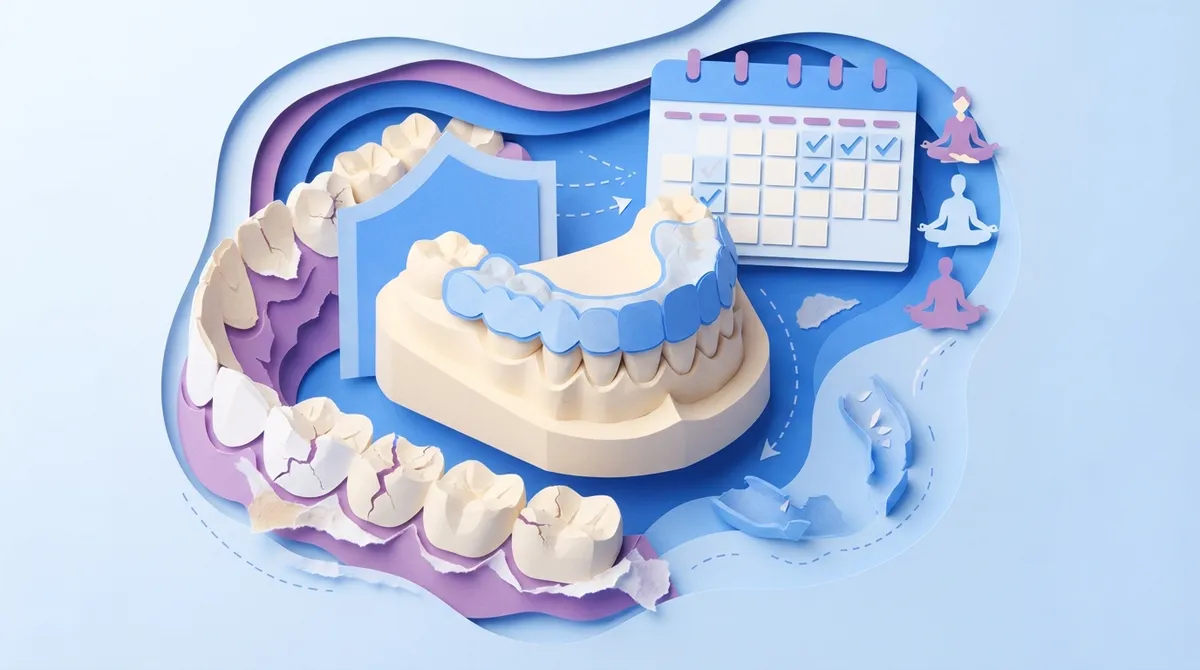
Custom-fitted nightguards from your dentist are significantly more effective than store-bought guards, which often cause poor fit and can actually worsen grinding by misaligning your bite.
-
Wearing your nightguard every single night is essential—skipping nights removes protection during grinding episodes, making consistency as important as having the guard itself.
-
Address the underlying cause of your bruxism through stress management, sleep disorder treatment, or bite correction, as a nightguard only protects teeth but doesn't stop the grinding habit.
-
Check your nightguard regularly for cracks, wear, and damage, and replace it when needed; a worn guard won't cushion your bite properly and loses its protective effectiveness.
-
Different guard types (soft, hard, dual-laminate) suit different grinding intensities—choosing the wrong type wastes money and causes frustration, so consult your dentist about your grinding severity.
-
Untreated bruxism causes cumulative damage including cracked teeth, flattened enamel, and jaw strain; early detection through regular dental checkups can prevent costly restorative work later.
Waking up with a sore jaw or a pounding headache? You might be grinding your teeth at night without even knowing it. This condition is called bruxism, and it affects millions of people across the country. Here in Brandon, our team sees patients every week who had no idea their morning headaches were tied to nighttime teeth grinding. The good news? A simple nightguard can often fix the problem. But many people make small mistakes that keep their bruxism symptoms going strong. Let’s fix that today.
Whether you’re an adult juggling work stress or a parent noticing your child clenching their jaw, understanding bruxism is the first step. This guide will walk you through the most common nightguard mistakes and how to avoid them. We’ll also cover when it’s time to see a professional. If you’re in the Brandon area, general dentistry care from a trusted local team can make all the difference.
What Is Bruxism, Really?
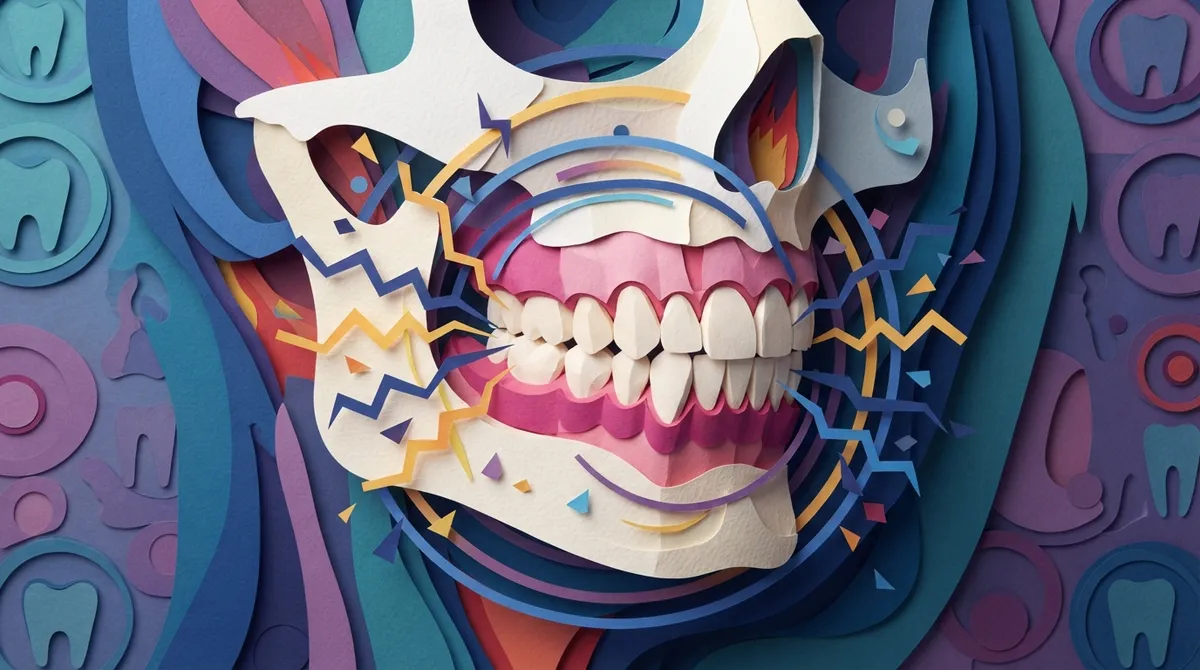
Bruxism is the medical term for grinding or clenching your teeth. Most people do it while sleeping, so they don’t even notice. Others clench during the day, often without realizing it either. Over time, this habit can wear down your enamel, crack your teeth, and strain your jaw muscles.
Stress and anxiety are common triggers. So is an uneven bite or missing teeth. Some people grind because of sleep disorders like sleep apnea. No matter the cause, the damage can add up fast if it’s left untreated.
Common Signs You Might Be Grinding Your Teeth
- Waking up with a sore or tight jaw
- Frequent headaches, especially in the morning
- Flattened, chipped, or cracked teeth
- Increased tooth sensitivity
- Your partner hears grinding noises at night
- Jaw clicking or popping sounds
If any of these sound familiar, it’s worth bringing up at your next dental visit. Our team can check for signs of wear during a routine comprehensive exam and talk through your options.
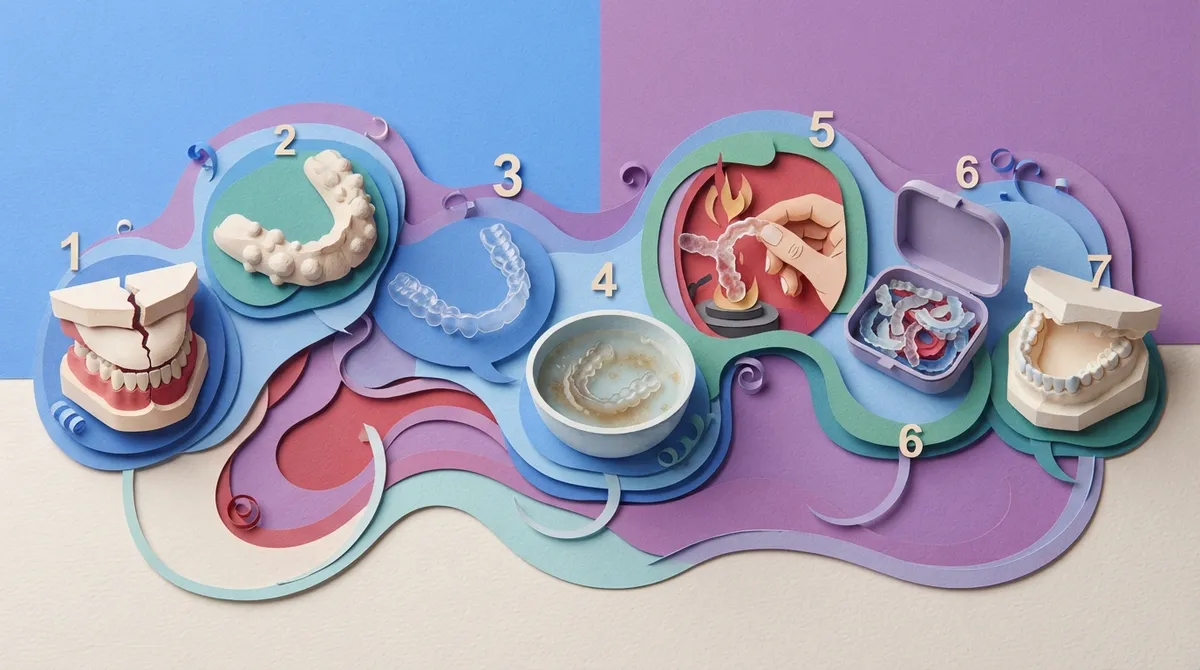
7 Nightguard Mistakes That Keep Bruxism Going
A nightguard is one of the easiest ways to protect your teeth from grinding damage. But using one the wrong way can cancel out the benefits. Here are seven mistakes we see often, and how to avoid each one.
1. Buying a One-Size-Fits-All Guard From the Store
Store-bought guards seem like an easy fix. They’re cheap and available right away. But they rarely fit well. A poor fit can actually make grinding worse by shifting your bite out of alignment. A custom-fitted guard made by your dentist molds perfectly to your teeth, giving you real protection.
2. Not Wearing It Every Night
Consistency matters. Skipping nights, even just a few times a week, gives your teeth no protection during those grinding episodes. Think of your nightguard like a seatbelt. It only works if you actually use it every single time.
3. Ignoring a Cracked or Worn-Out Guard
Nightguards don’t last forever. Over months of grinding, they can wear thin, crack, or develop holes. A damaged guard won’t cushion your bite properly. Check yours regularly and replace it when you notice wear.
4. Skipping Regular Dental Checkups
Even with a nightguard, you still need routine visits. Your dentist can spot early signs of new damage and adjust your guard if your bite changes. Regular teeth cleanings also help catch problems before they get serious.
5. Not Cleaning the Nightguard Properly
A dirty nightguard can harbor bacteria and cause bad breath or gum irritation. Rinse it every morning and brush it gently with a toothbrush. Store it in a clean, ventilated case, never wrapped in a napkin or left in a hot car.
6. Assuming All Nightguards Are the Same
There are soft guards, hard guards, and dual-laminate guards. Each type works best for different grinding intensities. Someone with mild clenching may do fine with a soft guard. A heavy grinder often needs a firmer, more durable option. Guessing which type you need can lead to frustration and wasted money.
7. Ignoring the Root Cause of Your Bruxism
A nightguard protects your teeth, but it doesn’t fix why you’re grinding in the first place. Stress management, addressing sleep issues, or correcting an uneven bite can all reduce grinding over time. Talk to your dentist about what might be triggering your bruxism.
Types of Nightguards Compared
| Nightguard Type | Best For | Durability | Comfort Level |
|---|---|---|---|
| Soft Guard | Mild grinding or clenching | Low to moderate | Very comfortable |
| Hard Guard | Severe grinding | High | Moderate, takes adjustment |
| Dual-Laminate Guard | Moderate to severe grinding | High | Comfortable with strong protection |
| Store-Bought Guard | Temporary, short-term use | Low | Often poor fit |
How Custom Nightguards Are Made
Getting a custom nightguard is a simple, comfortable process. Here’s what you can expect at a typical visit.
- Your dentist examines your teeth and jaw for signs of grinding damage.
- Impressions or digital scans of your teeth are taken.
- A dental lab creates your guard using the exact shape of your bite.
- You return for a fitting to make sure it feels comfortable.
- Small adjustments are made until the fit is just right.
- You start wearing your guard nightly to protect your smile.
This process ensures your guard actually does its job, unlike generic options that can feel bulky or slip out of place.
Bruxism in Children: What Parents Should Know
Kids grind their teeth too, especially during the toddler and early school-age years. Often, it’s related to teething or normal jaw development, and many children grow out of it. But if grinding continues or causes visible tooth wear, it’s worth a conversation with your pediatric dentist.
Dr. Priyanka Karapasha, known to families as Dr. Pri, is a board-certified pediatric dentist who understands how to make children feel comfortable during every visit. She can evaluate whether your child’s grinding is a passing phase or something that needs attention. For nervous kids who need extra support during dental visits, Dr. Pri also offers in-office sedation, making her uniquely positioned to help anxious pediatric patients in Brandon, Florida.
Signs of Bruxism in Kids
- Grinding sounds during sleep
- Complaints of jaw or ear pain
- Worn-down baby teeth
- Increased teeth sensitivity to cold foods
When Adult Bruxism Needs More Than a Nightguard
Sometimes grinding causes enough damage that teeth need repair, not just protection going forward. Cracked teeth, worn edges, or old fillings that have failed may require restorative work. Dr. Chris Karapasha, known as Dr. K, specializes in adult and cosmetic dentistry and can help repair grinding damage with options like veneers, crowns, and bridges.
If a tooth has cracked from years of grinding, Dr. K also offers Same-Day Crowns, so you don’t have to wait around or come back for a second appointment. Dental Theory only uses ceramic crowns, which are strong, natural-looking, and built to handle the pressure of a strong bite.
Signs You May Need Restorative Care
- Visible cracks or chips in your teeth
- Old fillings that have come loose
- Sharp or jagged edges you can feel with your tongue
- Persistent tooth pain when chewing
- Noticeable flattening of your back teeth
Simple Habits That Help Reduce Grinding
Along with wearing your nightguard, a few lifestyle changes can lower how often you grind your teeth.
- Practice stress-relief techniques like deep breathing or stretching before bed
- Cut back on caffeine and alcohol in the evening
- Avoid chewing gum, which can overwork your jaw muscles
- Set a consistent sleep schedule
- Stay hydrated throughout the day
Insurance and Nightguard Costs
Many patients wonder if their dental plan covers nightguards. Coverage varies widely, so it helps to check your specific plan details. Our team can help you understand your insurance benefits and figure out the most affordable path forward. We believe cost should never stand between you and a healthy, pain-free smile.
Why Choose Dental Theory for Bruxism Care
At Dental Theory in Brandon, we take a friendly, judgment-free approach to every visit. Our office is family-focused, so whether you’re bringing in your child for their first checkup or coming in yourself for a custom nightguard, you’ll feel right at home. We use the latest technology to create nightguards that actually fit and actually work.
Dr. Chris Karapasha has been recognized for his excellence in the field. In fact, Dr. Chris Karapasha has been named one of America’s Top Young Dentists in Incisal Edge magazine’s 2025 40 Under 40. He’s also listed on Dr. K’s Gold+ Invisalign Profile, reflecting his ongoing commitment to advanced dental care.
Curious what our patients think? You can visit us on Google — Dental Theory to read real reviews from folks right here in Brandon. You’re also welcome to visit us on Facebook to see updates, patient stories, and more.
Ready to Protect Your Smile?
Bruxism doesn’t have to control your mornings or wear down your teeth year after year. A properly fitted nightguard, paired with a few healthy habits, can make a real difference. And if you’ve already got some damage from grinding, our team can help repair it with lasting, natural-looking solutions.
Ready to stop the grinding cycle for good? Contact Dental Theory today to schedule your consultation, or you can easily schedule an appointment online at a time that works for you. Your jaw, your teeth, and your mornings will thank you.
FAQs
Q: What causes bruxism in the first place?
A: Stress, anxiety, an uneven bite, or even sleep disorders can all trigger teeth grinding. Everyone is a little different, so it helps to talk with your dentist about what might be causing yours.
Q: How long does a custom nightguard last?
A: Most custom nightguards last one to five years, depending on how much you grind and how well you care for it. Regular checkups help us catch wear and tear before it becomes a problem.
Q: Can children use nightguards too?
A: Yes, though it depends on the child’s age and how their teeth are developing. Dr. Pri can evaluate your child’s grinding habits and let you know if a nightguard or another approach makes sense.
Q: Will my dental insurance cover a nightguard?
A: It depends on your specific plan, but many insurance plans do offer some coverage for nightguards. Our team is happy to help you figure out your benefits so there are no surprises.
Q: What happens if I ignore my bruxism symptoms?
A: Ignoring bruxism can lead to cracked teeth, jaw pain, and even headaches that keep coming back. The sooner you address it, the easier and less costly it usually is to treat.
Our Service Area