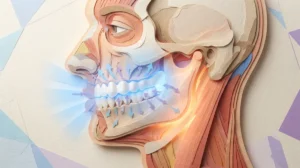

Key Takeaways
-
Custom-fitted night guards are one of the most effective solutions for TMJ bruxism relief, fitting your mouth exactly and reducing jaw strain while you sleep, often providing noticeable improvement within one to two visits.
-
Stress is the primary cause of teeth grinding and jaw clenching, but bruxism results from multiple factors including misaligned bites, missing teeth, and sleep issues, requiring a thorough evaluation to identify your specific triggers.
-
Untreated TMJ and bruxism lead to serious complications like cracked or worn teeth, failed dental work, chronic headaches, and worsening sleep quality, making early intervention essential to prevent long-term damage.
-
A personalized treatment approach combining professional care (custom night guards, bite adjustments, restorative work) with at-home practices (warm compresses, jaw stretches, stress management, caffeine reduction) produces faster relief.
-
Home remedies include applying warm compresses before bed, practicing gentle jaw stretches, avoiding gum and hard foods, reducing caffeine intake, consistent night guard use, and stress-relief techniques like deep breathing.
-
Preventive maintenance through regular dental checkups, consistent night guard wear, stress management via exercise or journaling, and immediately reporting symptom return helps prevent bruxism from recurring after initial treatment.
Do you wake up with a sore jaw or a dull headache almost every morning? You might be clenching or grinding your teeth at night without even knowing it. This condition is called bruxism, and it often teams up with TMJ disorder to make your daily life uncomfortable. The good news? TMJ bruxism relief is possible, and you do not have to live with the pain forever.
At Dental Theory in Brandon, FL, we see patients every week who are dealing with jaw pain, cracked teeth, and tension headaches caused by grinding and clenching. Whether you are a busy parent, a stressed-out professional, or someone who just wants a good night’s sleep, this guide will walk you through what causes TMJ and bruxism, how to spot the warning signs, and what real relief looks like. Let’s get your smile (and your jaw) feeling better.
What Is TMJ Disorder and Bruxism?
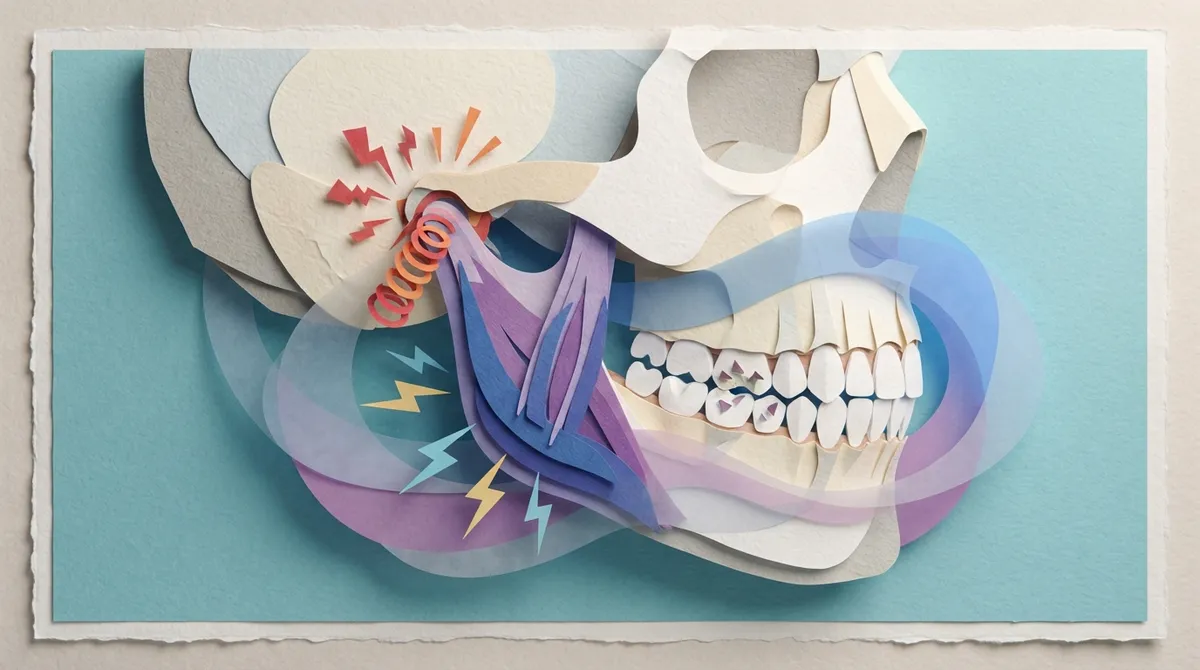
TMJ stands for temporomandibular joint. This is the hinge that connects your jawbone to your skull. When this joint gets irritated, inflamed, or misaligned, it leads to what dentists call TMJ disorder, or TMD for short.
Bruxism is the medical term for grinding or clenching your teeth. Many people do this while they sleep, so they don’t even realize it’s happening until damage shows up. Bruxism and TMJ disorder often go hand in hand because grinding puts extra stress on the jaw joint, which can trigger pain, popping, and stiffness.
How the Two Conditions Are Connected
Think of your jaw joint like a door hinge. If you keep slamming that door shut over and over (like grinding your teeth all night), the hinge is going to wear out faster. That’s basically what happens with chronic bruxism and TMJ pain.
- Grinding puts constant pressure on the jaw joint
- This pressure can cause inflammation and soreness
- Over time, the joint may shift out of proper alignment
- Misalignment can lead to more grinding, creating a painful cycle
Breaking this cycle is the key to lasting TMJ bruxism relief. Our team at Dental Theory can help you learn more about TMJ rehabilitation options designed to stop the pain at the source.
Common Signs You Might Have TMJ or Bruxism
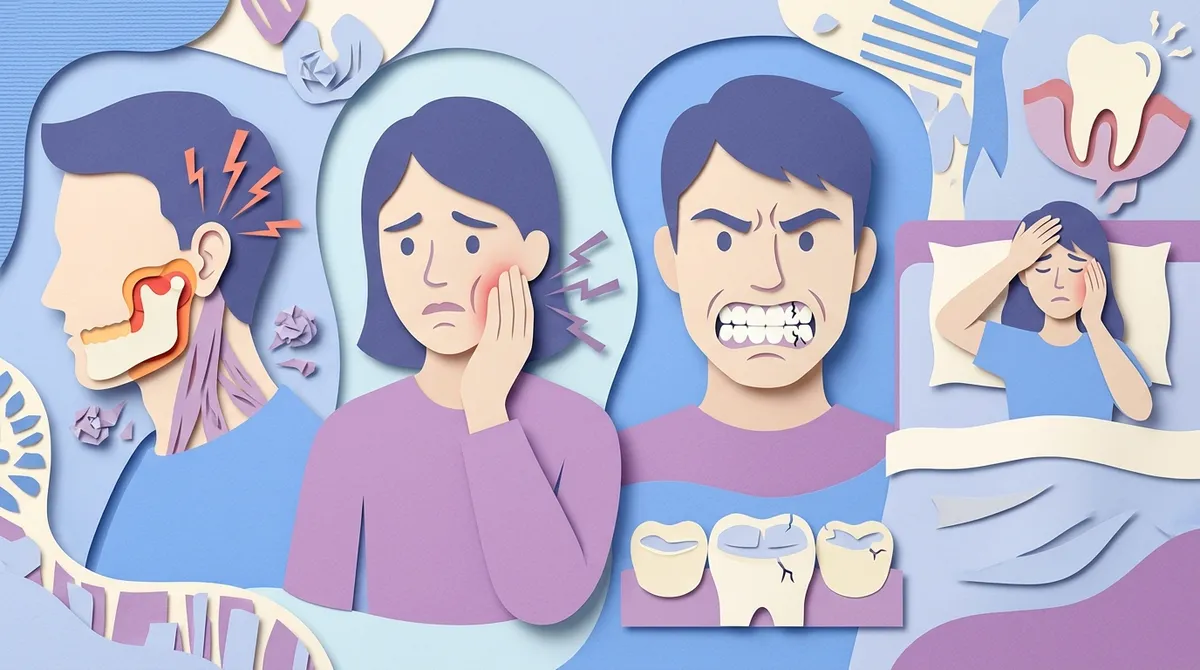
Many people don’t realize they are grinding their teeth until a dentist points it out. Here are some signs to watch for.
- Waking up with a sore or tight jaw
- Frequent headaches, especially in the morning
- Clicking or popping sounds when you open your mouth
- Flattened, chipped, or cracked teeth
- Increased tooth sensitivity
- Ear pain or a feeling of fullness in the ears
- Neck and shoulder tension
If any of these sound familiar, it may be time to contact Dental Theory for an evaluation. Catching these signs early can prevent bigger problems like worn-down teeth or damaged crowns down the road.
What Causes TMJ and Bruxism?
There isn’t just one single cause. Usually, it’s a mix of factors working together.
Stress and Anxiety
This is probably the biggest culprit. When life gets hectic, many people clench their jaw without even noticing. Stress at work, family responsibilities, or just the pace of everyday life in Brandon can all contribute to nighttime grinding.
Misaligned Bite
If your teeth don’t fit together properly when you bite down, your jaw muscles have to work harder. This extra strain can lead to TMJ pain and increase your chances of grinding.
Missing or Worn Teeth
When teeth are missing, cracked, or worn down, your bite can shift. This throws off the natural balance of your jaw, which can trigger TMJ symptoms.
Sleep Issues
Poor sleep quality and conditions like sleep apnea are closely linked to teeth grinding. If you’re not sleeping well, your body may respond with more muscle tension, including in your jaw.
| Cause | How It Affects TMJ/Bruxism | Common Solution |
|---|---|---|
| Stress | Increases jaw clenching, especially at night | Custom night guard, stress management |
| Misaligned bite | Puts uneven pressure on jaw joint | Orthodontic evaluation, bite correction |
| Missing teeth | Shifts bite alignment over time | Dental Implants or crowns |
| Sleep issues | Linked to increased muscle tension | Sleep Apnea Treatment |
How Dental Theory Approaches TMJ Bruxism Relief
Every patient is different, so treatment should never be one-size-fits-all. At Dental Theory, we start with a thorough exam to understand exactly what’s causing your discomfort. This might include a look at your bite, your jaw movement, and even the wear patterns on your teeth.
Custom Night Guards
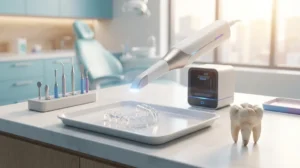
One of the most common and effective solutions is a custom-fitted night guard. Unlike store-bought versions, a custom guard is made to fit your mouth exactly. This helps cushion your teeth and reduce strain on the jaw joint while you sleep.
Bite Adjustment
Sometimes small adjustments to your bite can make a huge difference. This can relieve pressure points that are contributing to your TMJ pain.
Restorative Options
If worn or damaged teeth are part of the problem, restoring them can help balance your bite. Dr. Chris Karapasha, known to patients as Dr. K, specializes in cosmetic and restorative dentistry, including veneers, crowns, and bridges. He also offers Same-Day Ceramic Crowns, so you never have to wait weeks or make multiple trips to fix a damaged tooth.
Learn more about how dental crowns protect your teeth from further grinding damage, or check out our guide on choosing the right dental crown in Brandon, FL.
Simple Steps You Can Take at Home
While professional treatment is important, there are things you can do at home to ease symptoms too.
- Apply a warm compress to your jaw before bed
- Practice gentle jaw stretches recommended by your dentist
- Avoid chewing gum, which overworks jaw muscles
- Cut back on caffeine, especially in the evening
- Try relaxation techniques like deep breathing before sleep
- Stay consistent with wearing your night guard
These small changes can add up. Combined with professional care, they often speed up your path to lasting relief.
Why Ignoring TMJ Bruxism Symptoms Is a Bad Idea
It’s tempting to brush off jaw pain as “just stress.” But untreated TMJ and bruxism can lead to bigger problems over time.
- Teeth can crack, chip, or wear down significantly
- Existing dental work like crowns or fillings may fail sooner
- Chronic headaches and neck pain can worsen
- Jaw joint damage may become harder to treat
- Sleep quality continues to decline
If your crown or dental work has already been affected by grinding, our article on what to do if a crown falls off can help you understand your next steps.
What to Expect at Your TMJ Evaluation
Visiting Dental Theory for jaw pain doesn’t have to feel intimidating. Here’s a simple breakdown of what usually happens.
- We review your symptoms and medical history
- We examine your jaw movement and listen for clicking or popping
- We check your bite alignment and look for signs of wear
- We may take digital X-rays for a closer look
- We discuss a personalized treatment plan based on your needs
Our digital X-rays allow us to get a clear picture quickly, without unnecessary delays. You can also learn more about our comprehensive exams before your visit.
TMJ Treatment Options Compared
| Treatment | Best For | Timeframe |
|---|---|---|
| Custom night guard | Nighttime grinding and mild clenching | Fitted within one to two visits |
| Bite adjustment | Misaligned bite causing joint strain | One to several short visits |
| Same-Day Ceramic Crowns | Worn or damaged teeth affecting bite | Completed in a single visit |
| TMJ rehabilitation therapy | Ongoing joint pain and dysfunction | Varies based on severity |
A Note for Brandon Families
TMJ and bruxism don’t just affect adults. Teens dealing with school stress can also grind their teeth at night. If you’re managing dental care for the whole family, it helps to have one trusted place for everyone. Dental Theory offers both general dentistry for adults and specialized pediatric care.
We’re proud to be a husband-and-wife team serving Brandon families. You can visit us on Facebook to see updates from our office, or check out Visit us on Google — Dental Theory to read what our patients have to say about their experiences.
Why Choose Dental Theory for TMJ Bruxism Relief
Choosing the right dental team matters, especially for something as personal as jaw pain. Here’s what sets our approach apart.
- Personalized treatment plans based on your specific symptoms
- Same-Day Ceramic Crowns for damaged or worn teeth
- Comfortable, stress-free environment for anxious patients
- Advanced technology like digital X-rays for accurate diagnosis
- A husband-and-wife dentist team you can trust
Dr. Chris Karapasha’s dedication to quality care has even earned recognition beyond Brandon. In fact, Dr. Chris Karapasha has been named one of America’s Top Young Dentists in Incisal Edge magazine’s 2025 40 Under 40. You can also check his credentials through his Gold+ Invisalign Profile.
For general information on jaw health and TMJ disorders, resources like the National Institute of Dental and Craniofacial Research offer helpful background on how these conditions develop and progress.
Tips to Prevent Bruxism From Coming Back
Once you’ve found relief, keeping it that way is the goal. Here are a few tips to stay ahead of the problem.
- Wear your night guard consistently, even after symptoms improve
- Schedule regular dental checkups to catch new wear early
- Manage stress through exercise, journaling, or relaxation apps
- Avoid hard or chewy foods that strain your jaw
- Tell your dentist right away if symptoms return
Staying proactive is much easier than dealing with a painful flare-up later. Regular visits also give us the chance to check your bite and catch small issues before they become big ones.
Ready to Feel Better?
Living with jaw pain, headaches, and grinding is exhausting, but it doesn’t have to be your normal. Our team is here to help you find real, lasting TMJ bruxism relief with a plan built around your life and your smile. If you’re ready to stop guessing and start feeling better, contact Dental Theory today to schedule your evaluation. You deserve mornings that don’t start with a sore jaw.
Need help finding the right time to book? You can also schedule an appointment online at a time that works best for your schedule. And if you’re looking for helpful digital tools to grow your own business while you’re at it, teams often turn to resources like SEO Rocket for smart, simple SEO support.
FAQs
Q: What is the fastest way to get TMJ bruxism relief?
A: A custom night guard is often the quickest way to feel relief because it cushions your teeth and reduces jaw strain right away. Pairing that with stress management techniques can speed things up even more. Our team can fit you with a custom guard in just a couple of visits.
Q: Can TMJ and bruxism go away on their own?
A: Mild cases sometimes improve with better sleep and stress habits, but most people need some form of treatment for lasting relief. Ignoring symptoms often leads to more tooth damage over time. It’s always worth having a dentist take a look, just to be safe.
Q: Will I need a crown if grinding has damaged my teeth?
A: It depends on how much wear or cracking has happened, but crowns are a common solution for restoring damaged teeth. The good news is Dr. K offers Same-Day Ceramic Crowns, so you can get fixed up in a single visit. No need to wait weeks for a permanent solution.
Q: Is teeth grinding always caused by stress?
A: Stress is a huge factor, but it’s not the only one. Misaligned bites, missing teeth, and even sleep issues can all contribute to grinding. That’s why a full evaluation helps us figure out exactly what’s going on with you.
Q: How do I know if my headaches are related to TMJ?
A: If your headaches tend to show up in the morning along with jaw soreness or clicking sounds, TMJ could definitely be a factor. It’s a pretty common connection we see in our Brandon patients. The best way to know for sure is to schedule an evaluation with our team.
Our Service Area