Key Takeaways
-
Teeth grinding can start as early as infancy before baby's first birthday and peaks in toddlers aged 2-3 during primary teeth emergence, with up to 33% of children experiencing it at some point.
-
Many children naturally outgrow bruxism by age 12 once permanent teeth are fully in and the bite stabilizes, but untreated cases can develop into chronic adult grinding.
-
Adults aged 30-40 with chronic bruxism often require combination treatments including custom nightguards, stress management, bite correction, and restorative dentistry due to significant tooth wear.
-
Early detection through regular dental checkups is critical because grinding causes irreversible enamel wear that cannot regenerate, leading to sensitivity, cavities, and costly restorations.
-
Teenagers and young adults experience stress-driven grinding from academic pressure and life transitions, which can cause real damage to permanent teeth requiring intervention.
-
Women are more prone to daytime bruxism due to hormonal changes and anxiety, while seniors can develop grinding for the first time from medications, sleep disorders, or denture fit issues.
Does your child wake up with a sore jaw? Does your partner complain about strange noises in the night? You might be dealing with teeth grinding — and you’re not alone. This habit, known in dental terms as bruxism, is more common than most people think. It affects kids, teens, and adults alike. Understanding at what age does teeth grinding start can help you catch it early and protect those precious teeth before damage sets in.
The good news? You don’t have to figure this out on your own. Whether you’re a parent worried about your toddler’s nighttime grinding or an adult who wakes up with headaches, there’s plenty of help available. Let’s walk through the age-by-age facts so you can feel confident and informed.
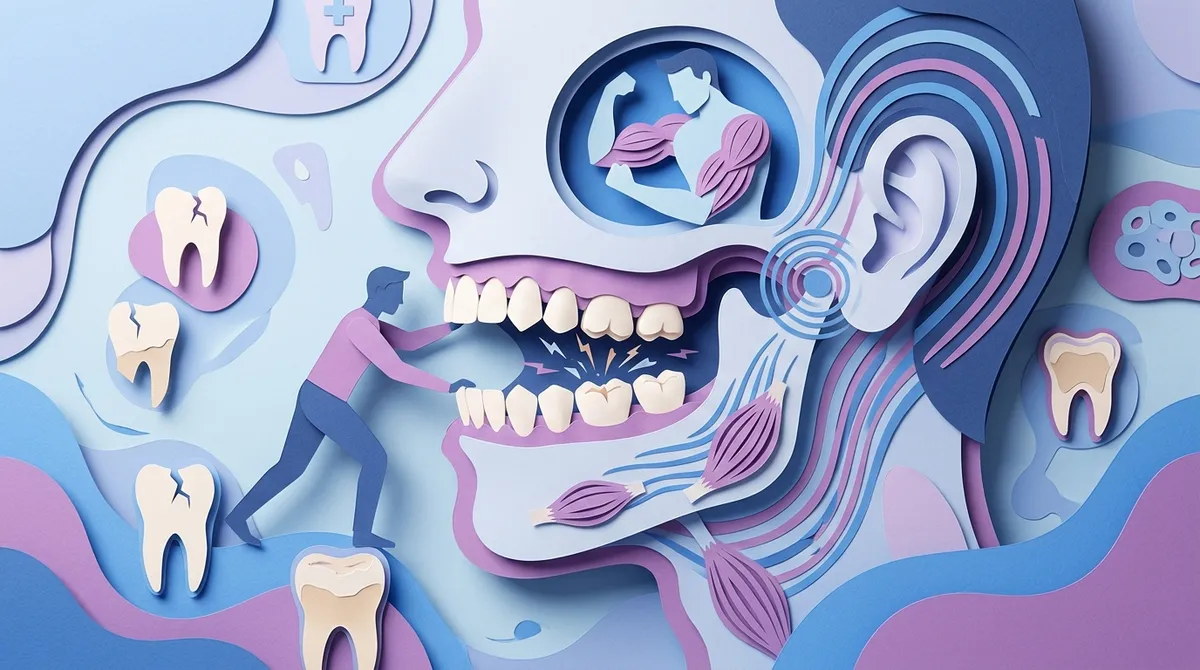
What Is Teeth Grinding (Bruxism)?
Bruxism is the medical term for grinding, clenching, or gnashing your teeth. It can happen during the day or while you sleep. Sleep bruxism is especially tricky because most people don’t even know they’re doing it. If you want to learn more about this condition and its impact, check out this helpful resource on teeth grinding causes and cures from Dental Theory.
Bruxism can cause a range of problems, including:
- Worn-down tooth enamel
- Cracked or chipped teeth
- Jaw pain and soreness
- Headaches, especially in the morning
- Tooth sensitivity
- Disrupted sleep for you or your partner
The earlier you catch it, the better. That’s why knowing when teeth grinding typically starts at different ages is so valuable.

At What Age Does Teeth Grinding Start?
Here’s the surprising truth: teeth grinding can start as young as infancy. That’s right — even babies can grind their gums together. As teeth come in, the habit evolves. Let’s look at a quick overview before diving deeper.
| Age Group | Common Trigger | Type of Grinding | Usually Resolves? |
|---|---|---|---|
| Infants (0–2 years) | Teething, sensory exploration | Gum rubbing / mild grinding | Yes, often naturally |
| Toddlers (2–5 years) | Primary teeth emerging | Nighttime grinding | Yes, in most cases |
| School-age (6–12 years) | Mixed dentition, stress | Day and night grinding | Often, as adult teeth come in |
| Teens (13–17 years) | Stress, academic pressure | Stress-related grinding | Sometimes, with help |
| Adults (18+) | Stress, sleep disorders, misalignment | Sleep and daytime bruxism | Needs treatment |
12 Age-by-Age Facts About Teeth Grinding
1. Babies Can Start Before Their First Birthday
It may sound wild, but even babies with no teeth can grind their gums. Once those first tiny teeth begin to poke through, the grinding can become more noticeable. This is often just a baby exploring their new body. It’s rarely a cause for alarm at this stage, but it’s worth mentioning at your child’s first dental visit.
2. Toddler Grinding Peaks Around Age 2–3
Many parents first notice teeth grinding when their child is between 2 and 3 years old. This is prime time for primary (baby) teeth to come in. The American Academy of Pediatric Dentistry estimates that up to 33% of children grind their teeth during childhood. Toddler grinding is usually harmless, but a dentist should take a look to be sure.
3. Preschoolers Often Grind Without Knowing It
Kids aged 3 to 5 often grind in their sleep without any awareness. Parents might notice a scraping sound at night. At this age, grinding is often tied to jaw growth and the emergence of new teeth. Dr. Pri, our board-certified pediatric dentist at Dental Theory, specializes in spotting these early signs during routine checkups.
4. School-Age Children Face a New Set of Triggers
Between ages 6 and 12, children are losing baby teeth and gaining permanent ones. This transitional phase — called mixed dentition — can trigger bruxism. The bite feels “off” because the teeth are constantly changing. Stress from school and social situations can also play a role at this age. For more on what to expect at this stage, visit our page on general dentistry services.
5. Many Kids Outgrow Grinding by Age 12
Here’s some encouraging news for parents! Many children naturally stop grinding once their permanent teeth are fully in. The bite stabilizes, and the brain stops sending those clenching signals during sleep. However, not all kids outgrow it — especially those dealing with ongoing stress or jaw alignment issues.
6. Teens Experience Stress-Driven Grinding
Teenagers are no strangers to stress. Exams, social pressures, and sleep disruptions all contribute to grinding in the teen years. This is when bruxism can start to cause real damage. Worn enamel and cracked teeth become a bigger concern as the permanent teeth are now fully in place. Teens may also clench during the day without realizing it.
If your teen is showing signs of jaw pain or worn teeth, it’s a great idea to schedule a visit with our team at Dental Theory for an early evaluation.
7. Young Adults Often Discover Bruxism in Their 20s
College-age adults frequently discover they’re grinders — often because a roommate or partner hears them at night. Life transitions, late-night study sessions, and caffeine use all contribute to grinding in this age group. This is also when untreated childhood bruxism can show up as adult problems. Learn more about the connection between sleep and jaw health in our article about TMJ and bruxism.
8. Adults in Their 30s and 40s Often Have Chronic Bruxism
By the time people reach their 30s and 40s, untreated grinding can cause significant wear on the teeth. Chronic bruxism in adults is closely linked to stress, anxiety, and sleep disorders like sleep apnea. Misaligned bites can also keep the jaw muscles working overtime. Treatment at this stage often involves a combination of approaches.
9. Women Are Slightly More Prone to Bruxism in Adulthood
Research suggests women are more likely than men to be diagnosed with awake bruxism (daytime clenching). Hormonal changes and higher rates of anxiety may play a role. Men, on the other hand, tend to have more intense nighttime grinding. Either way, both types can cause lasting damage if left untreated.
10. Seniors Can Develop Bruxism Too
Teeth grinding doesn’t stop when you get older. In fact, some seniors develop bruxism for the first time in their later years. Medications (including certain antidepressants and antipsychotics), sleep disorders, and denture fit issues can all trigger grinding in older adults. If you’re a senior dealing with jaw discomfort, our dental care for seniors in Brandon, FL resource has helpful information.
11. Grinding at Any Age Can Damage Teeth
No matter when bruxism starts, the damage it causes is real. Grinding wears down enamel — the hard outer layer of your teeth. Once enamel is gone, it doesn’t grow back. This can lead to sensitivity, increased cavity risk, and the need for restorative treatment. The good news is that with early intervention, you can protect your teeth and prevent costly repairs down the road.
12. Early Detection Makes All the Difference
Whether you’re a parent of a toddler or an adult dealing with jaw soreness, early detection is key. Regular dental checkups are the best way to catch bruxism before it causes serious harm. Your dentist can spot the telltale signs — like worn enamel and flattened tooth surfaces — before you even notice symptoms. Don’t skip those routine visits! You can also schedule an appointment online if you’re ready to take that next step.
What Causes Teeth Grinding at Different Ages?
The reasons behind bruxism shift as we grow. Here’s a clear breakdown of the most common causes by life stage:
| Life Stage | Primary Causes | Secondary Causes |
|---|---|---|
| Infants & Toddlers | Teething, sensory exploration | Ear infections, upper respiratory issues |
| Children (6–12) | Mixed dentition changes | Stress, hyperactivity, ADHD |
| Teens | Academic/social stress | Caffeine, screen time, poor sleep |
| Adults | Chronic stress, anxiety | Sleep apnea, medications, bite problems |
| Seniors | Medications, sleep disorders | Poorly fitting dentures, neurological changes |
Warning Signs of Teeth Grinding at Every Age
Wondering if you or your child might be grinding? Here are the top warning signs to look for:
- A grinding or squeaking noise during sleep
- Flattened, chipped, or cracked teeth
- Increased tooth sensitivity
- Jaw pain, tightness, or soreness in the morning
- Dull headaches, especially near the temples
- Worn-down tooth enamel (visible as shiny, flat spots)
- Indentations on the tongue or cheek from clenching
If any of these sound familiar, it’s time to talk to a dentist. Comprehensive dental exams can reveal grinding damage you might not notice on your own.
How Is Teeth Grinding Treated?
The treatment depends on the age of the patient and the severity of the grinding. Here’s a general overview:
For Children and Teens
- Monitoring: For young children, dentists often take a wait-and-see approach since many outgrow the habit.
- Stress management: Relaxation techniques, consistent sleep routines, and reducing screen time before bed can help.
- Dental evaluation: If grinding is causing damage, a custom-fitted nightguard or other intervention may be recommended.
Parents in Brandon looking for compassionate pediatric care can turn to Dr. Pri, our board-certified pediatric dentist who is experienced in identifying and managing bruxism in young patients. You can also explore our pediatric dentistry services for more details.
For Adults
- Custom nightguard: A dentist-fitted mouthguard protects your teeth from grinding while you sleep.
- Stress reduction: Therapy, meditation, and exercise can all reduce bruxism related to anxiety.
- Bite correction: If misalignment is contributing to grinding, orthodontic treatment like Invisalign may be recommended.
- Restorative dentistry: Severely worn or damaged teeth may need crowns, veneers, or other restorations to restore function and appearance.
- Sleep apnea treatment: If sleep apnea is a factor, addressing it can dramatically reduce nighttime grinding. Learn more about sleep apnea treatment at our office.
Damage From Grinding: What to Expect and How Dentists Fix It
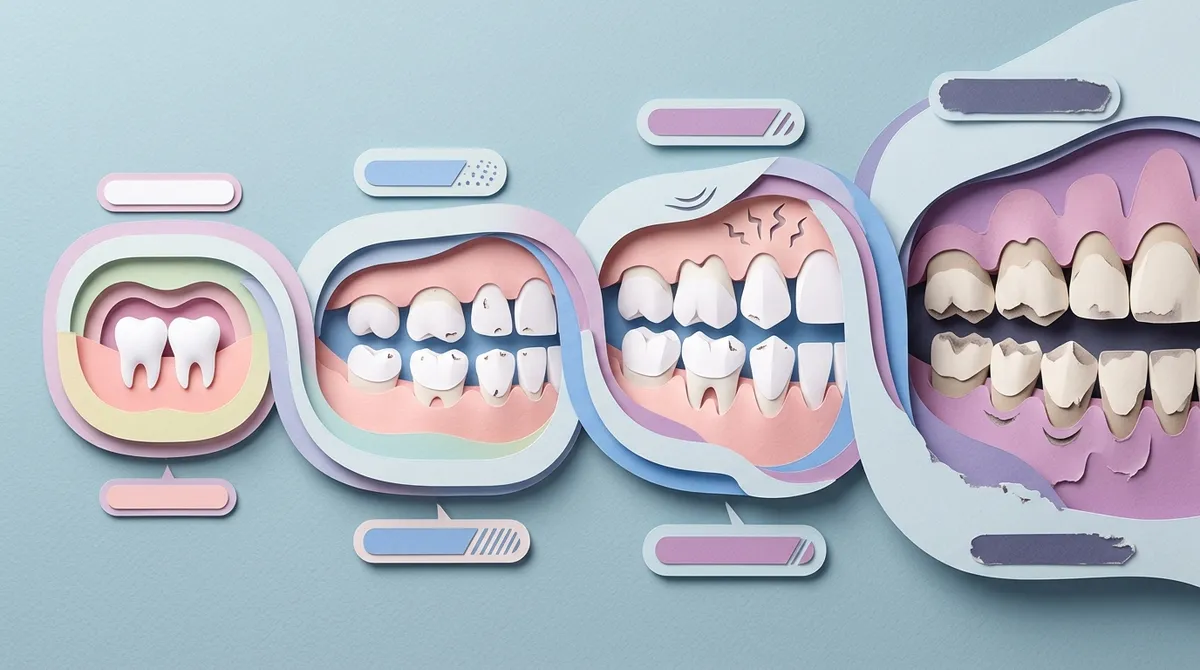
| Level of Damage | What You’ll Notice | Common Treatment |
|---|---|---|
| Mild | Slight enamel wear, sensitivity | Nightguard, fluoride treatment |
| Moderate | Visible flattening, chipping | Bonding, nightguard |
| Severe | Significant loss of tooth structure | Crowns, full mouth restoration |
| Extreme | Tooth fracture or loss | Implants, complete reconstruction |
If grinding has caused damage to your teeth, there’s no need to panic. Modern dentistry offers many effective solutions. At Dental Theory, adults dealing with significant wear may benefit from same-day ceramic crowns that restore strength and beauty in a single visit. You can learn more about same-day crowns in Brandon if restorative care is on your radar.
Tips to Reduce Teeth Grinding at Any Age
Whether you’re managing grinding for yourself or your child, these practical tips can help reduce the habit and protect your teeth:
- Establish a calming bedtime routine. Reducing stimulation before bed helps the jaw relax during sleep.
- Limit caffeine and sugar. These can heighten stress responses and disrupt sleep — both risk factors for bruxism.
- Talk to a dentist regularly. Routine checkups are the best early-warning system for grinding damage.
- Address stress proactively. Whether it’s journaling, exercise, or counseling, managing stress protects your teeth too.
- Wear your nightguard. If your dentist has prescribed one, use it every night without fail.
You can also visit us on Facebook for helpful dental tips and updates from our team at Dental Theory.
Why Regular Dental Visits Are the Best Defense
Here’s the bottom line: the best way to stay ahead of teeth grinding is to keep up with regular dental appointments. A dentist can spot the subtle signs of bruxism — even when you can’t. They can guide treatment at every stage of life, from a toddler’s first visit to a senior’s routine checkup.
At Dental Theory in Brandon, FL, our team is passionate about making dental care feel easy and welcoming for the whole family. Visit us on Google — Dental Theory to read what our patients are saying and see why so many Brandon families trust us with their smiles.
Conclusion
So, at what age does teeth grinding start? The honest answer is: it can start at nearly any age — even before a baby’s first birthday. Bruxism is incredibly common across all life stages, but it doesn’t have to cause lasting harm. With awareness, routine dental care, and the right treatment, you can protect your teeth no matter when the grinding begins.
Ready to find out if you or your child is grinding? Don’t wait for the damage to pile up. Reach out to Dental Theory today and let our caring team help you find the right solution for every smile in your family.
FAQs
Q: At what age does teeth grinding typically start in children?
A: Teeth grinding can actually start as early as infancy, even before a baby has a full set of teeth! It’s most commonly noticed in toddlers between ages 2 and 3 as their baby teeth come in. The good news is many children naturally grow out of it by age 12.
Q: Is it normal for a toddler to grind their teeth at night?
A: Yes, it’s actually quite common — up to a third of children grind their teeth at some point during childhood. Nighttime grinding in toddlers is usually linked to teething and jaw development. That said, it’s always a good idea to mention it at your child’s next dental visit so a professional can keep an eye on things.
Q: Can adults suddenly start grinding their teeth even if they never did as kids?
A: Absolutely! Adults can develop bruxism at any point in life, even if they never experienced it as children. Stress, anxiety, sleep disorders, certain medications, and bite changes can all trigger grinding in adulthood. If you’re waking up with jaw soreness or headaches, it’s worth chatting with your dentist.
Q: How can I tell if my child is grinding their teeth?
A: The most obvious sign is a grinding or squeaking sound coming from your child’s room at night. During the day, you might notice complaints of jaw soreness or headaches. Your dentist can also spot signs like worn enamel or flattened tooth surfaces during a routine checkup — another great reason to keep those appointments!
Q: What’s the best way to stop teeth grinding?
A: Treatment really depends on the cause and severity of the grinding. For many children, it resolves on its own as permanent teeth come in. For teens and adults, stress reduction, a custom nightguard, and regular dental monitoring are often the most effective approaches. Your dentist is your best resource for creating a plan that fits your specific needs.
Our Service Area