Key Takeaways
-
Dentists are the primary healthcare providers to identify bruxism through visual inspection of flattened/chipped teeth, worn enamel, and jaw tenderness during routine exams, making it a confirmed dental diagnosis.
-
Custom night guards made by dentists are the most effective front-line treatment, offering superior fit, comfort, and protection compared to over-the-counter alternatives, preventing costly dental repairs long-term.
-
Stress and anxiety are the leading triggers for bruxism; addressing root causes alongside wearing a night guard requires collaboration between your dentist and other healthcare providers for comprehensive management.
-
Untreated bruxism progresses from early enamel thinning to advanced tooth fractures and potential tooth loss, but early detection through regular checkups can prevent serious damage and costly restorations.
-
Bruxism directly causes TMJ disorders through constant grinding pressure; symptoms like jaw clicking, morning pain, and headaches warrant immediate dental evaluation to prevent long-term joint damage.
-
Modern restorative options including same-day ceramic crowns, bonding, veneers, and full mouth restoration can effectively repair bruxism-damaged teeth, restoring your smile even after significant wear.
Do you wake up with a sore jaw or a dull headache? Does your partner say you grind your teeth at night? If so, you may have already asked yourself: is bruxism a dental diagnosis? The short answer is yes — and understanding what that means can protect your smile for years to come.
Bruxism is more common than most people realize. In 2026, dental professionals continue to see a rise in patients dealing with teeth grinding and jaw clenching. The good news? Your dentist can spot it, diagnose it, and help you manage it before serious damage sets in. Let’s walk through everything you need to know.
What Is Bruxism?
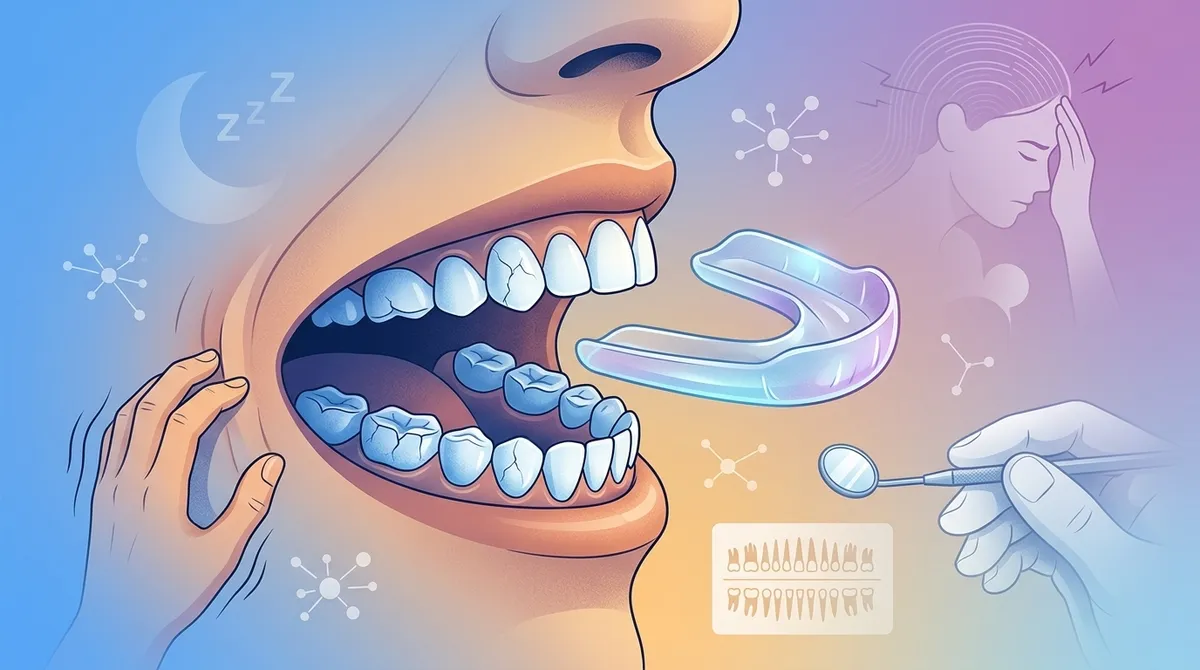
Bruxism is the medical term for teeth grinding or jaw clenching. It can happen while you’re awake or while you sleep. Most people don’t even know they do it. That’s what makes it tricky — the damage can build up quietly over time.
There are two main types:
- Sleep bruxism: Grinding that happens during sleep, often without you knowing
- Awake bruxism: Clenching that happens while you’re stressed, focused, or anxious during the day
Both types can cause real damage to your teeth, jaw, and surrounding muscles. Learning about TMJ and bruxism together can help you understand how these two conditions often go hand in hand.
Fact 1: Yes, Bruxism Is a Dental Diagnosis
So is bruxism a dental diagnosis? Absolutely. Dentists are typically the first healthcare providers to identify it. During a routine exam, your dentist looks for telltale signs that your teeth are being worn down in abnormal ways.
Here’s what dentists look for when diagnosing bruxism:
- Flattened or chipped tooth surfaces
- Worn-down enamel, often exposing the inner layer of the tooth
- Increased tooth sensitivity
- Jaw muscle tenderness or tightness
- Indentations on the tongue or cheeks
Dentists use a combination of visual inspection, patient history, and sometimes digital X-rays to confirm a bruxism diagnosis. You can learn more about how technology helps with diagnosis at our digital X-rays page.
Fact 2: Bruxism Can Seriously Damage Your Teeth
Grinding your teeth might not sound like a big deal. But the pressure involved can be enormous — sometimes exceeding the normal force of chewing by several times. Over months and years, that adds up fast.
Here’s a quick look at how bruxism affects your dental health over time:
| Stage | What Happens | Potential Consequences |
|---|---|---|
| Early Stage | Enamel starts to thin | Sensitivity, minor wear |
| Moderate Stage | Teeth begin to flatten or chip | Pain, visible damage, cracked teeth |
| Advanced Stage | Significant enamel loss | Tooth fractures, need for crowns or restoration |
| Severe Stage | Tooth structure compromised | Possible tooth loss, full mouth restoration |
The earlier bruxism is caught, the better. That’s one big reason why comprehensive dental exams are so important for everyone in the family. Regular checkups make all the difference.
Fact 3: Stress Is the Most Common Trigger
Dentists and researchers agree: stress and anxiety are the leading causes of bruxism. Life in 2026 is busy, and many people carry tension in their jaw without realizing it.
Other common bruxism triggers include:
- Poor sleep habits or sleep disorders like sleep apnea
- Certain medications, including some antidepressants
- High caffeine or alcohol intake
- Misaligned teeth or bite issues
- Genetic predisposition — it can run in families
Addressing the root cause is a key part of managing bruxism. Your dentist will often work alongside other healthcare providers to help you tackle triggers from multiple angles. You can also explore how sleep apnea treatment may be connected to your nighttime grinding habits.
Fact 4: Night Guards Are a Front-Line Treatment
One of the most effective dental treatments for bruxism is a custom night guard. This is a removable appliance you wear over your teeth while sleeping. It creates a barrier between your upper and lower teeth, absorbing the grinding force and protecting your enamel.
Here’s how custom night guards compare to over-the-counter options:
| Feature | Custom Night Guard (Dentist-Made) | Over-the-Counter Guard |
|---|---|---|
| Fit | Precise, tailored to your teeth | Generic, one-size-fits-most |
| Comfort | High — easy to wear all night | Low — often bulky and uncomfortable |
| Protection Level | Superior, made from dental-grade materials | Limited, may not fully protect |
| Durability | Long-lasting (years with proper care) | Short lifespan (weeks to months) |
| Cost | Higher upfront, lower long-term | Lower upfront, frequent replacement needed |
A dentist-made night guard is always the smarter investment. It protects your smile and can save you from costly repairs down the road. Speaking of repairs, if bruxism has already caused damage to your teeth, restorations like veneers, crowns, and bridges may be recommended to restore your smile.
Fact 5: Bruxism Can Lead to TMJ Problems
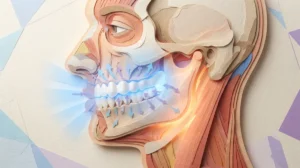
Bruxism and TMJ (temporomandibular joint) disorder are closely linked. The constant pressure of grinding and clenching puts a huge strain on the jaw joint and surrounding muscles. Over time, this can lead to a painful TMJ disorder.
Symptoms that bruxism may be affecting your jaw joint include:
- Clicking or popping sounds when you open your mouth
- Jaw pain or soreness, especially in the morning
- Headaches, particularly around the temples
- Earaches or ringing in the ears
- Difficulty chewing or fully opening your mouth
The dental team at Dental Theory in Brandon, FL is experienced in identifying and addressing both bruxism and jaw-related concerns. If you’re experiencing any of these symptoms, it’s worth learning more about TMJ rehabilitation options available to you.
Fact 6: Bruxism Treatment Can Restore Your Smile
Here’s the most encouraging news: even if bruxism has already caused damage, your dentist can help restore your smile. Modern dental treatments make it possible to repair worn, cracked, or damaged teeth effectively.
Depending on the level of damage, your dentist may recommend one or more of these restorative options:
- Dental crowns: Cap a damaged tooth to restore its shape and strength
- Dental bonding: Repair chipped or worn edges with tooth-colored resin
- Veneers: Cover the front surface of teeth with a thin porcelain shell
- Full mouth restoration: A comprehensive plan for extensive damage across multiple teeth
Dental Theory offers same-day ceramic crowns, so you never have to wait or come back for multiple visits. If bruxism has worn down your teeth, same-day crowns in Brandon can restore your smile in a single appointment. That’s a game-changer for busy families and adults on the go.
For more extensive wear, a full mouth restoration plan can rebuild your smile from the ground up. Our team will walk you through every option in a judgment-free, comfortable environment.
How to Know If You Have Bruxism: A Quick Self-Check
Not sure if bruxism applies to you? Here’s a simple table to help you recognize common warning signs:
| Symptom | Possible Bruxism Connection | What to Do |
|---|---|---|
| Morning headaches | Jaw muscle fatigue from overnight grinding | Mention to your dentist at your next visit |
| Sore or tired jaw | Overworked jaw muscles from clenching | Ask about a night guard evaluation |
| Sensitive teeth | Enamel erosion from grinding pressure | Schedule a comprehensive dental exam |
| Worn or flat teeth | Physical evidence of grinding over time | Discuss restorative options with your dentist |
| Partner reports grinding sounds | Nighttime bruxism | See your dentist as soon as possible |
If you recognize yourself in that table, don’t wait. The sooner you get a proper diagnosis, the sooner you can protect your teeth. Learn about the causes and cures of teeth grinding to understand your next steps.
What to Expect at Your Bruxism Appointment
Visiting your dentist about bruxism doesn’t have to feel stressful. Here’s a simple breakdown of what to expect:
- Discussion: Your dentist asks about your symptoms, sleep habits, and stress levels
- Exam: A thorough visual and physical check of your teeth, jaw, and bite
- Imaging: X-rays may be taken to check for hidden damage below the gumline
- Diagnosis: Your dentist confirms whether bruxism is present and how severe it is
- Treatment plan: Together, you decide on the best approach — whether that’s a night guard, restorations, or lifestyle changes
The whole process is friendly and relaxed. At Dental Theory, we believe every patient deserves clear answers and a comfortable experience. You can also schedule an appointment online to get started right away — no complicated phone calls needed.
It’s also worth knowing that bruxism isn’t just an adult issue. Children can grind their teeth too, especially during stressful periods like starting school. If you have kids, it’s worth discussing this with a pediatric dental specialist. Learn more about what sets our pediatric dental office apart when it comes to caring for little smiles.
For general dental concerns across the whole family, explore our general dentistry services to see how we can help everyone stay healthy and comfortable. You can also visit Dental Theory on Google to read real patient reviews from our Brandon community.
Wrapping It Up: Don’t Ignore the Grind
So, is bruxism a dental diagnosis? Yes — and it’s one your dentist takes seriously. Bruxism can quietly erode your smile over time if left unchecked. But with the right diagnosis and a smart treatment plan, you can stop the damage and restore your confidence.
Whether you need a custom night guard, a ceramic crown, or just a thorough evaluation, the team at Dental Theory in Brandon, FL is here for you. We offer comprehensive care for the whole family in a welcoming, stress-free environment. Don’t wait until small wear becomes a big problem.
Ready to protect your smile? Reach out to the Dental Theory team today and take the first step toward healthier, stronger teeth — starting right now.
FAQs
Q: Is bruxism considered a dental diagnosis or a medical one?
A: Great question! Bruxism is primarily considered a dental diagnosis because dentists are usually the first to spot the physical signs — like worn enamel, flat teeth, and jaw tenderness — during routine exams. That said, it can also involve medical factors like stress and sleep disorders, so your dentist may collaborate with other healthcare providers for a complete care plan.
Q: Can children be diagnosed with bruxism?
A: Yes, absolutely! Kids can grind their teeth too, especially during stressful life changes like starting school or losing baby teeth. A pediatric dentist can identify signs of bruxism early and help prevent long-term damage to your child’s developing smile.
Q: How does a dentist treat bruxism?
A: The most common treatment is a custom night guard — a comfortable appliance worn over your teeth while you sleep to absorb grinding pressure. If bruxism has already caused damage, your dentist may also recommend restorative options like dental crowns, bonding, or veneers to restore your smile.
Q: Will my dental insurance cover bruxism treatment?
A: Coverage varies depending on your insurance plan, but many plans cover at least part of the cost for a night guard or related restorative treatments when bruxism is properly diagnosed. It’s always a good idea to check with your dental office about your specific benefits before treatment.
Q: What happens if bruxism is left untreated?
A: If left untreated, bruxism can lead to serious dental problems including cracked or broken teeth, significant enamel loss, jaw pain, and even tooth loss over time. The sooner you get a diagnosis and start treatment, the better your chances of avoiding costly and painful complications down the road.
Our Service Area