Key Takeaways
-
The titanium implant post is designed to last a lifetime once it fuses with your jawbone through osseointegration, while the crown may need replacement every 10-15 years due to normal wear and tear.
-
Dental implants preserve jawbone and facial structure over time, unlike dentures or bridges, making them superior for long-term oral health and preventing future costly treatments.
-
Success of your implant depends on controllable factors: oral hygiene, gum health, avoiding smoking, maintaining bone density, regular dental visits, and avoiding extremely hard foods.
-
Care for dental implants is simple—brush twice daily, floss daily, visit your dentist regularly, and treat them like natural teeth; no special products or complicated routines are needed.
-
When calculated long-term, dental implants are often the most cost-effective option since dentures need replacement every 5-10 years and bridges can fail, while implants can last decades with proper care.
-
Most healthy adults with adequate bone density and good gum health are candidates; conditions like active gum disease, significant bone loss, smoking, or uncontrolled diabetes may require additional evaluation or treatment.
If you’re missing one or more teeth, you’ve probably asked yourself: are dental implants permanent? It’s one of the most common questions people have before choosing a tooth replacement option. And honestly, it’s a great question! Understanding how long dental implants last — and what makes them so special — can help you make the best decision for your smile.
The short answer is: dental implants are designed to be a long-term, permanent solution for missing teeth. But there’s a bit more to the story. Let’s break it all down in a simple, friendly way so you feel totally confident about your options.
What Are Dental Implants?
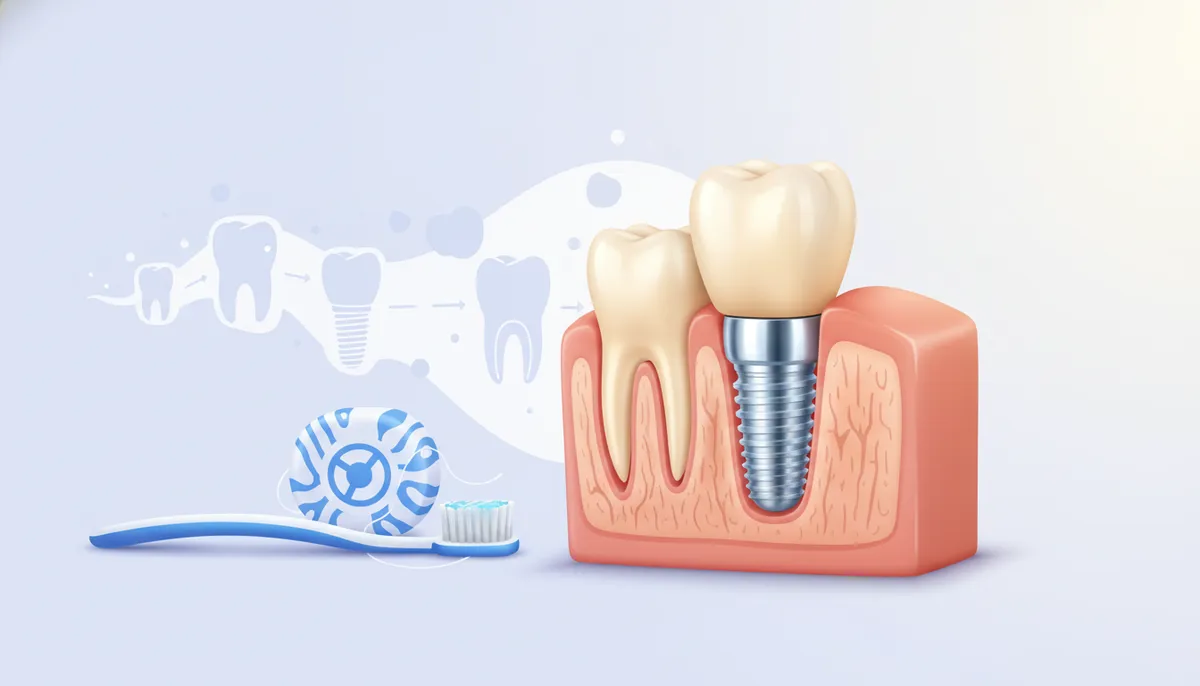
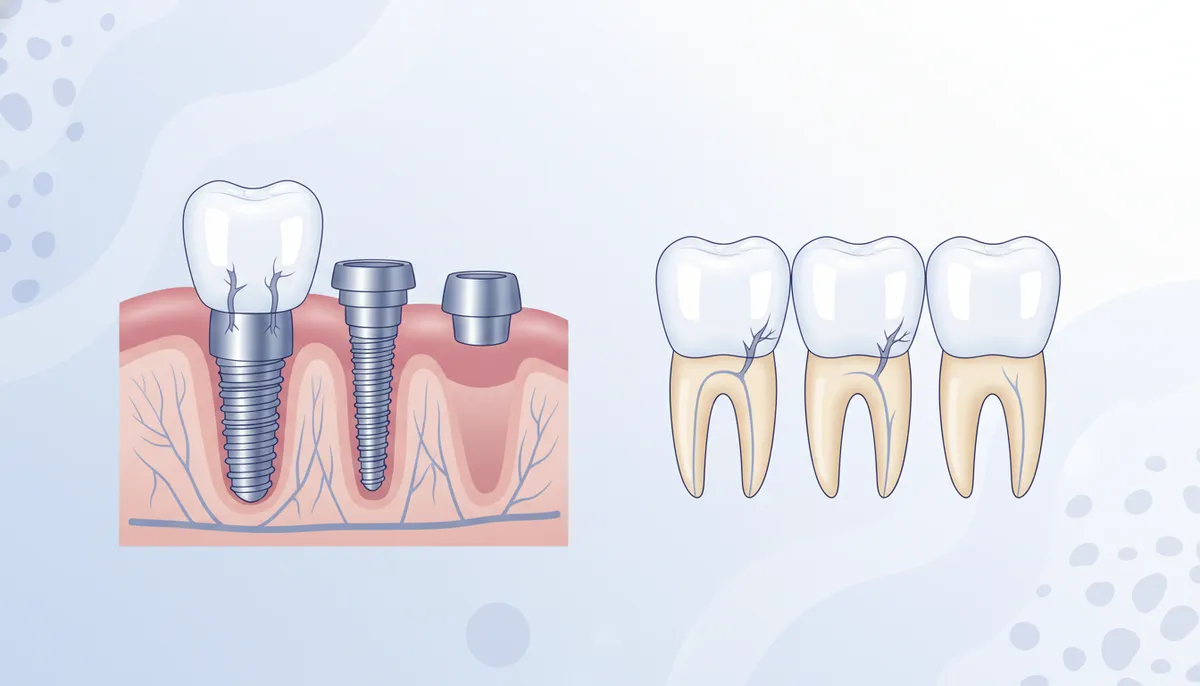
A dental implant is a small titanium post that your dentist places directly into your jawbone. It acts like an artificial tooth root. Over time, the implant fuses with the bone in a process called osseointegration. Once that happens, a crown is attached on top to look and feel like a real tooth.
At Dental Theory’s dental implants page, you can learn more about how this process works and what to expect. It’s a multi-step procedure, but most patients agree the results are absolutely worth it.
Here’s a quick overview of the three main parts of a dental implant:
- The implant post: A titanium screw that goes into the jawbone
- The abutment: A connector piece that holds the crown in place
- The crown: The visible part that looks like a natural tooth
Are Dental Implants Really Permanent?
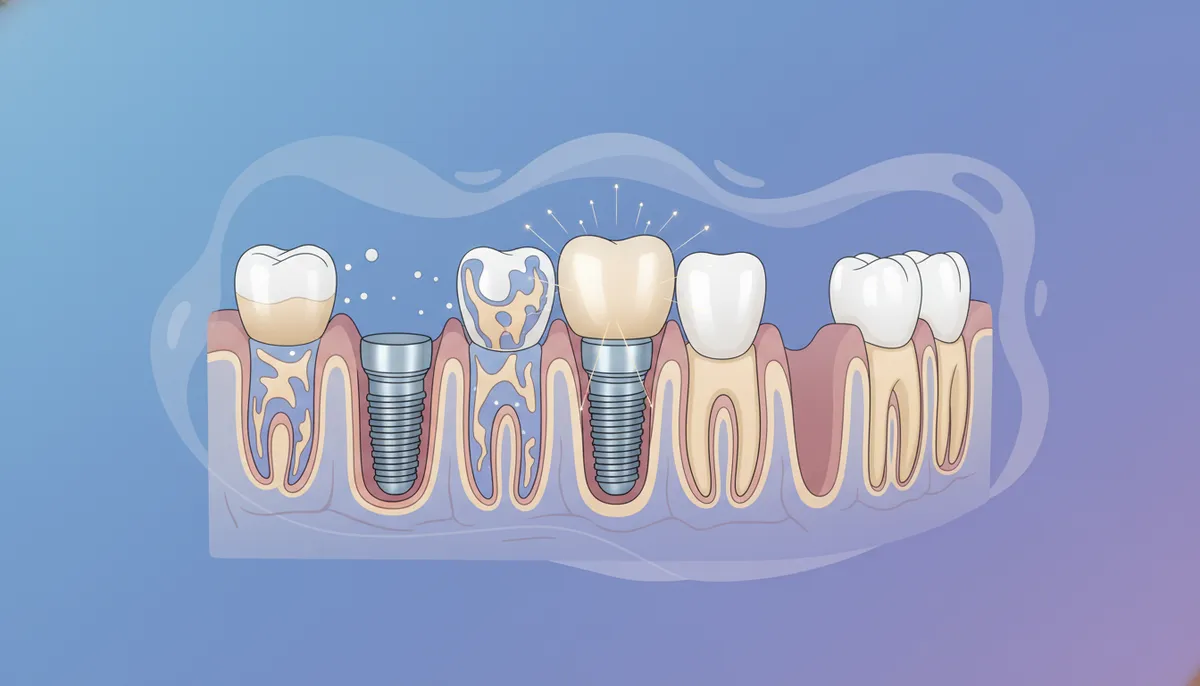
Here’s the honest truth: the implant post itself is designed to last a lifetime. Once it integrates with your jawbone, it becomes a stable, permanent fixture. In fact, the benefits of dental implants go far beyond just aesthetics — they also preserve your jawbone and facial structure over time.
The crown placed on top of the implant, however, may need to be replaced after 10 to 15 years due to normal wear and tear. But the base of the implant stays put. That’s what makes implants so different from other options like dentures or bridges.
| Tooth Replacement Option | Average Lifespan | Feels Like Natural Teeth? | Preserves Jawbone? |
|---|---|---|---|
| Dental Implants | Lifetime (post) / 10-15 yrs (crown) | Yes | Yes |
| Dentures | 5-10 years | No | No |
| Dental Bridges | 10-15 years | Somewhat | No |
What Factors Affect How Long Implants Last?
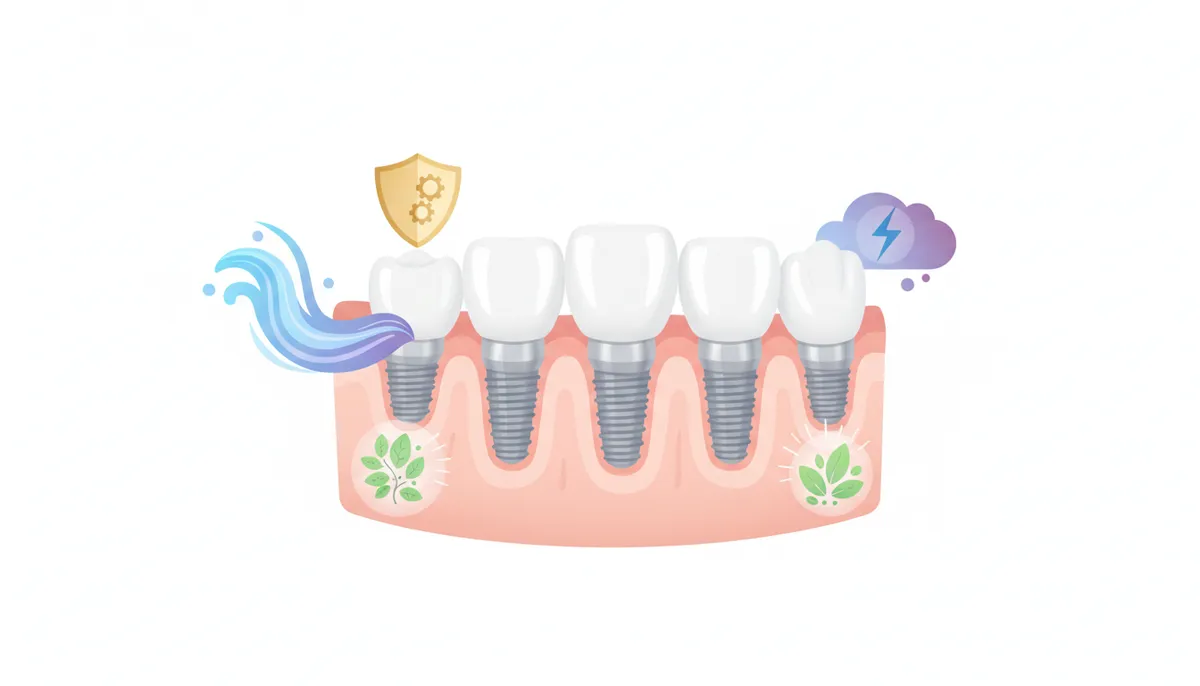
Not everyone’s implant experience is exactly the same. Several factors can impact the long-term success of your dental implant. Understanding these can help you take the best care of your investment.
- Oral hygiene habits: Brushing and flossing regularly keeps the area around the implant clean and healthy
- Gum health: Gum disease can weaken the bone that supports your implant
- Bone density: Enough bone must be present for the implant to fuse properly
- Lifestyle choices: Smoking can interfere with healing and reduce implant success rates
- Diet: Extremely hard foods can put stress on the crown over time
- Regular dental visits: Routine checkups help catch any issues early
Good news — most of these factors are within your control! With proper care, your implant can truly last a lifetime. You can schedule an appointment today to find out if you’re a good candidate for dental implants.
How Dental Implants Compare to Other Options
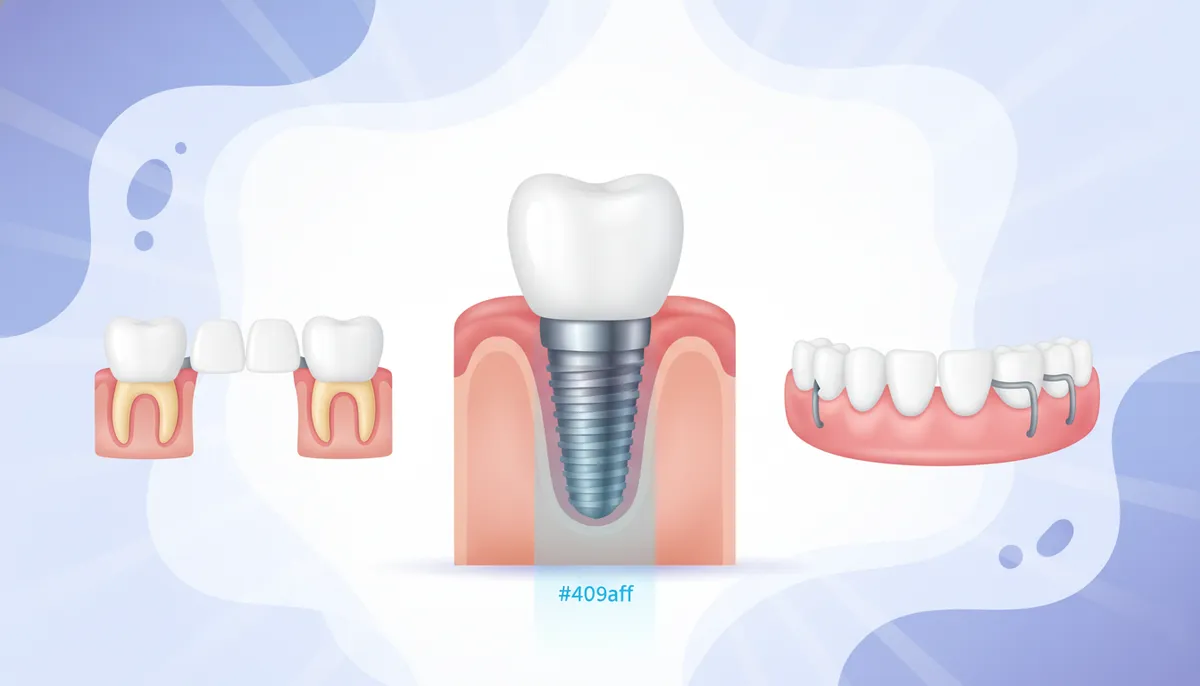
When it comes to replacing missing teeth, you have a few different roads to choose from. Each option has its own pros and cons. Here’s a helpful comparison to make things simple:
| Feature | Dental Implants | Dentures | Dental Bridges |
|---|---|---|---|
| Permanence | High (post is lifelong) | Low (removable) | Medium (fixed but has limits) |
| Bone Preservation | Yes | No | No |
| Natural Look & Feel | Excellent | Fair | Good |
| Maintenance | Easy (brush and floss) | Special care needed | Moderate |
| Adjacent Teeth Affected? | No | Sometimes | Yes (teeth are filed down) |
For patients looking into full-arch solutions, the team at Dental Theory also offers All-on-4 implants in Brandon, FL — a powerful option for those who need multiple teeth replaced at once.
The Dental Implant Process: Step by Step
Understanding the process can take away a lot of anxiety. Here’s what you can typically expect when getting dental implants:
- Consultation and planning: Your dentist evaluates your bone density, gum health, and overall oral health to determine if you’re a good candidate
- Implant placement: The titanium post is surgically placed into the jawbone under local anesthesia
- Healing period (osseointegration): The implant fuses with the bone over several months — this is what makes it so stable and long-lasting
- Abutment attachment: Once healed, a small connector piece is placed on top of the post
- Crown placement: A custom-made ceramic crown is attached, completing your new tooth
Each step is carefully planned to make sure your implant looks natural and feels comfortable. If you’re in Brandon, FL, Dr. K is experienced in cosmetic dentistry and dental implant procedures to help restore your smile with confidence.
Who Is a Good Candidate for Dental Implants?
Most healthy adults who are missing one or more teeth can be great candidates for dental implants. However, a few conditions may affect your eligibility. Here’s a quick look:
| You May Be a Good Candidate If… | Additional Steps May Be Needed If… |
|---|---|
| You have healthy gums | You have active gum disease |
| You have enough bone density | You have significant bone loss (bone grafting may help) |
| You are a non-smoker | You are a current smoker |
| Your overall health is good | You have uncontrolled diabetes or other systemic conditions |
| You are committed to oral hygiene | You haven’t addressed underlying dental issues yet |
If you’re not sure whether you qualify, the best step is to talk to a dentist. A consultation can answer all your specific questions and help map out your ideal treatment plan.
How to Care for Your Dental Implants
One of the best things about dental implants is how easy they are to take care of! You don’t need any special products or routines. Just treat them like your natural teeth.
- Brush twice a day: Use a soft-bristled toothbrush to clean around the implant and crown gently
- Floss daily: Get in between the implant and surrounding teeth to remove any buildup
- Use a water flosser: This can help clean hard-to-reach areas around the implant base
- Visit your dentist regularly: Professional cleanings and checkups help keep your implant in great shape
- Avoid very hard foods: Things like ice or hard candy can put excess stress on the crown over time
Staying consistent with your professional teeth cleanings is one of the smartest things you can do to protect your implant investment. It’s also a great opportunity for your dentist to check the health of the surrounding gum tissue and bone.
Implant-Supported Options for More Extensive Needs
Dental implants aren’t just for replacing single teeth. There are several implant-based solutions available for patients with more extensive tooth loss.
- Single tooth implants: Replace one missing tooth without affecting neighboring teeth
- Implant-supported bridges: Use implants instead of natural teeth as anchors for a bridge
- All-on-4 implants: Use just four implants to support an entire arch of teeth — a game-changer for full-mouth restoration
- Implant-supported dentures: Dentures that snap onto implants for a more secure, comfortable fit
You can explore implant-supported crowns and prosthesis options to find the solution that works best for your smile goals. Whether you need one implant or a full-mouth solution, there’s an option designed just for you.
The Cost of Dental Implants: Is It Worth It?
Let’s talk about money for a second — because it’s a real consideration! Dental implants do have a higher upfront cost compared to other options. But here’s the thing: when you think long-term, implants often end up being the most cost-effective choice.
- Dentures may need to be replaced or relined every 5 to 10 years
- Bridges can fail and require costly repairs over time
- Implants, with proper care, can last decades — even a lifetime
- They also help preserve bone, which prevents future costly treatments
Many dental insurance plans may cover part of the cost. It’s always worth checking your insurance plans to understand what benefits are available to you. Dental Theory also offers flexible payment options to help make implants more accessible for families and individuals.
If you’d like to visit us on Google — Dental Theory and read what our patients are saying about their implant experiences, we think you’ll love what you find!
Why Brandon Patients Choose Dental Theory for Implants
At Dental Theory in Brandon, FL, we understand that choosing to get dental implants is a big decision. That’s why we take a personalized, warm approach with every single patient. We listen, we educate, and we make sure you feel completely at ease throughout the entire process.
Dr. K brings expertise and artistry to every implant case. His goal is to give you a result that looks, feels, and functions just like your natural teeth. You shouldn’t have to settle for anything less than a smile you love — and with dental implants, you don’t have to!
Want to find out more about what makes us different? See why dental implants in Brandon, FL are the best choice for patients looking for lasting results.
You can also visit us on Facebook to stay connected, see before-and-after smiles, and learn more about what we offer at Dental Theory.
Final Thoughts: Are Dental Implants Worth It?
So, are dental implants permanent? Yes — with proper care, the implant post is designed to last a lifetime. The crown on top may eventually need to be replaced, but the foundation stays strong. Dental implants are truly one of the most reliable and natural-feeling tooth replacement options available today.
If you’re missing teeth and want a solution that truly goes the distance, dental implants might be the perfect fit for you. The team at Dental Theory is here to guide you every step of the way, from your first consultation to your confident new smile.
Ready to take the next step? We’d love to meet you! Reach out to Dental Theory today and let’s talk about how dental implants can transform your smile and your confidence for the long haul.
FAQs
Q: Are dental implants permanent or do they need to be replaced?
A: The titanium implant post is designed to be a permanent, lifelong fixture once it fuses with your jawbone. The crown placed on top may need replacement after 10 to 15 years due to normal wear — but the strong foundation underneath stays right where it is!
Q: How long does a dental implant last?
A: With good oral hygiene and regular dental visits, the implant post can last a lifetime. Most patients enjoy their implants for decades without any issues, making them one of the best long-term investments for your smile.
Q: Does getting a dental implant hurt?
A: Most patients are pleasantly surprised at how manageable the process is! The procedure is done under local anesthesia, so you shouldn’t feel pain during placement. Some soreness afterward is normal, but it typically fades within a few days.
Q: Can anyone get dental implants?
A: Most healthy adults with adequate bone density and good gum health are great candidates for dental implants. A consultation with your dentist is the best way to find out if implants are the right fit for your specific situation — it’s a quick and friendly chat that covers everything!
Q: Do dental implants look like real teeth?
A: Absolutely! Dental implants are designed to look, feel, and function just like your natural teeth. The custom crown is matched to the color and shape of your surrounding teeth, so most people won’t even know you have an implant.