
Key Takeaways
-
During implant surgery, local anesthesia completely blocks sharp pain; you’ll only feel pressure and vibration (0-1 pain level), making the procedure far less painful than most patients expect.
-
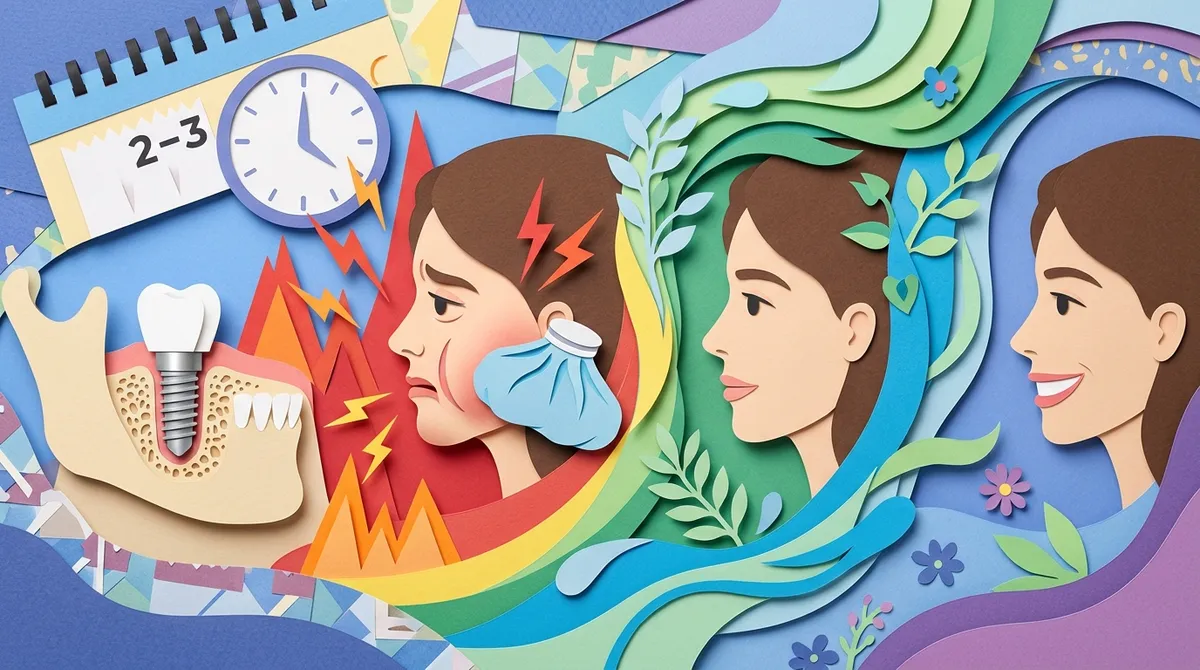
Recovery discomfort peaks around day 2-3 with soreness and swelling, then steadily improves; most patients feel nearly normal by day 7-10 and manage pain with over-the-counter medication like ibuprofen.
-
An experienced dentist using advanced techniques causes less tissue trauma, significantly reducing post-operative discomfort, so choosing a skilled implant provider directly impacts your recovery experience.
-
Pre-procedure preparation (good sleep, light meal, arranged transportation) and post-procedure care (ice packs, soft foods, rest, salt water rinses) can substantially minimize discomfort and accelerate healing.
-
Contact your dentist immediately if pain worsens after day 3-4, severe swelling spreads, fever appears, the implant feels loose, or numbness persists—these signs suggest complications requiring professional attention.
-
Dental implants last 20+ years and function like natural teeth, making the temporary 1-2 week recovery period a worthwhile investment compared to bridges or dentures that require more frequent replacement.
If you’ve been thinking about dental implants, one question probably keeps coming up: How painful is it to get a dental implant? It’s one of the most common things people ask before they book a consultation. And honestly, it’s a fair question! Nobody wants to walk into a dental procedure without knowing what to expect.
Here’s the good news: most patients are genuinely surprised by how manageable the experience is. With today’s modern techniques and anesthesia, the procedure itself is far less painful than most people imagine. The bigger concern for most folks is the recovery — and even that is very doable with the right preparation.
In this guide, we’re going to walk you through exactly what to expect at every stage. From the moment you sit in the chair to the day your implant feels completely natural, we’ve got you covered. Let’s take the mystery — and the fear — out of dental implant pain together.
What Happens During a Dental Implant Procedure?
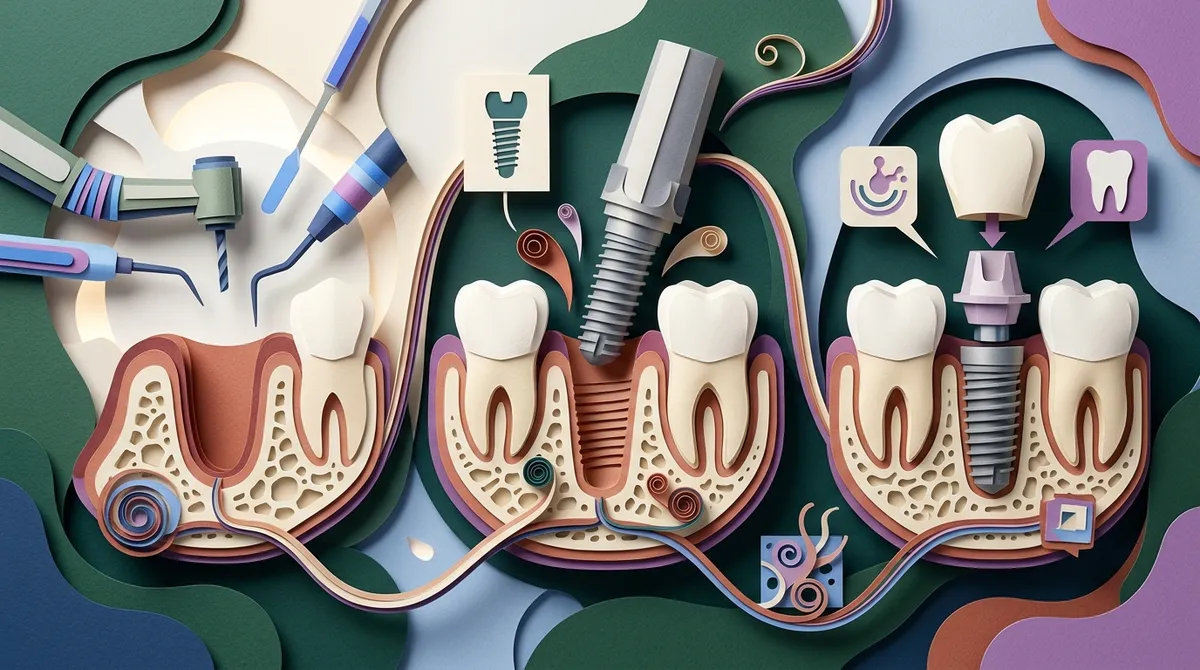
Before we talk about pain, it helps to understand what’s actually happening. A dental implant is a small titanium post that your dentist places into your jawbone. It acts as an artificial tooth root. Over time, the post fuses with your bone in a process called osseointegration. Then, a crown is placed on top to complete your new tooth.
The whole process happens in stages. Here’s a simple breakdown:
- Consultation and planning: Your dentist takes X-rays and scans to plan your implant placement precisely.
- Tooth extraction (if needed): If the damaged tooth is still present, it’s removed first.
- Implant placement: The titanium post is surgically placed into the jawbone.
- Healing period: Your bone heals and fuses around the implant over several months.
- Abutment placement: A small connector piece is attached to the implant post.
- Crown placement: Your final crown is secured to complete the restoration.
Each stage has its own level of discomfort. Let’s break that down in detail so you know what to expect at every point along the way.
How Painful Is the Implant Surgery Itself?
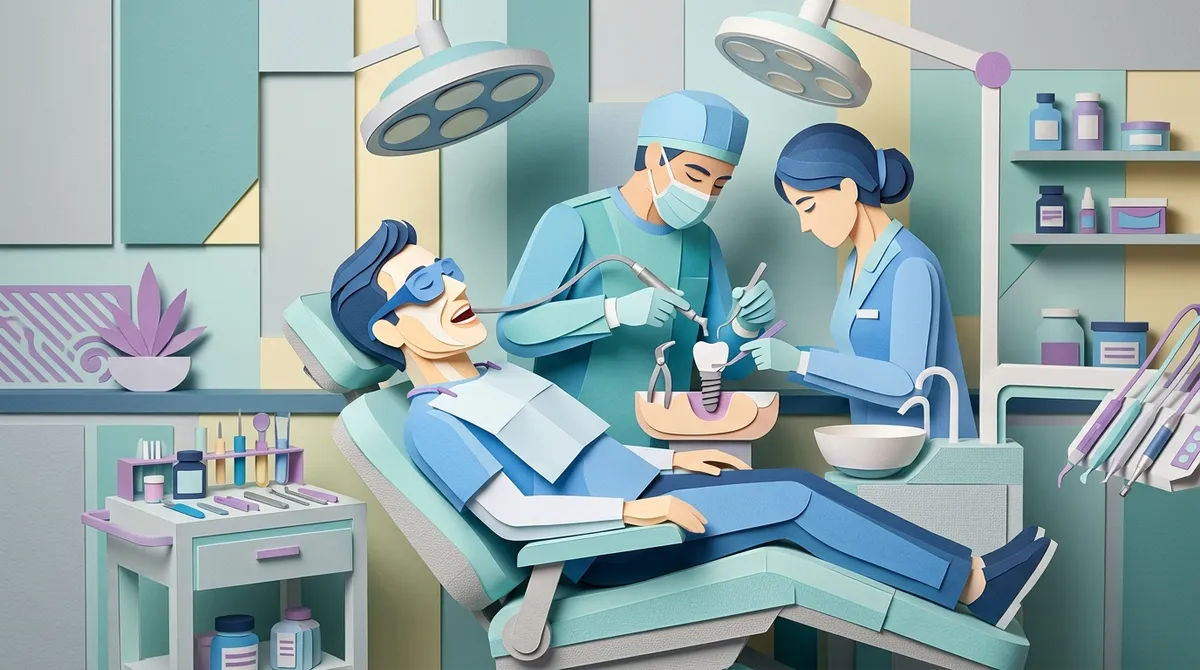
This is the big one everyone asks about. During the actual implant surgery, you will be completely numb from local anesthesia. You won’t feel pain — just some pressure and movement. Think of it like getting a tooth extracted. The pressure is there, but the sharp pain is blocked.
Most patients report that the procedure was much easier than they expected. In fact, many say the anticipation was scarier than the actual appointment. That’s a pretty common feeling, and it’s totally normal to feel nervous beforehand.
At Dental Theory in Brandon, FL, Dr. K uses advanced techniques and takes time to ensure patients are comfortable before any procedure begins. A calm, well-prepared patient heals better and experiences less discomfort overall.
Pain Level During Surgery: What Patients Typically Report
| Stage of Surgery | Typical Sensation | Pain Level (1-10) |
|---|---|---|
| Anesthesia injection | Brief pinch or sting | 2-3 |
| Incision and implant placement | Pressure and vibration | 0-1 |
| Suturing (stitches) | Tugging sensation | 0-1 |
| Immediately post-surgery | Soreness as numbing wears off | 3-5 |
As you can see, the most uncomfortable part is often right after the procedure when the numbing wears off. But even that is very manageable with over-the-counter pain relievers in most cases.
What Does Recovery Feel Like After a Dental Implant?
The recovery period is where most patients experience the most discomfort. But “discomfort” is the key word here — not severe pain. Most people describe it as similar to how you feel after a tooth extraction.
Here’s what’s typical in the days following implant surgery:
- Days 1-3: Soreness, swelling, and some bruising around the area. This is completely normal.
- Days 3-7: Swelling peaks around day 3 then gradually goes down. Most people return to normal activities within 3-5 days.
- Week 2 and beyond: Discomfort fades significantly. Most patients feel much better by day 7-10.
- Months 2-6: The implant fuses with your bone. This phase is painless for most people.
Pain management during recovery usually includes over-the-counter medications like ibuprofen or acetaminophen. Your dentist may also prescribe something stronger if needed, though most patients don’t require prescription pain medication.
Recovery Timeline at a Glance
| Time After Surgery | Expected Symptoms | Recommended Action |
|---|---|---|
| Day 1 | Bleeding, swelling, soreness | Rest, ice packs, soft foods |
| Days 2-3 | Peak swelling, bruising | Continue ice, take pain relievers |
| Days 4-7 | Swelling reduces, soreness fades | Resume light activities |
| Weeks 2-4 | Minimal discomfort | Normal activity, soft diet |
| Months 2-6 | Little to no discomfort | Routine follow-up appointments |
What Factors Affect How Much Pain You Feel?
Not everyone’s experience is the same. Several factors can influence how much discomfort you feel. Understanding these can help you prepare — and even reduce your pain before it starts.
- Number of implants: Getting multiple implants at once means more surgical sites and potentially more soreness.
- Bone grafting: If you need a bone graft before your implant, recovery takes longer and may be more uncomfortable.
- Your overall health: People who are in good health and don’t smoke tend to heal faster and with less pain.
- Your pain tolerance: Everyone’s threshold is different. What feels mild to one person may feel more intense to another.
- Dentist experience and technique: A skilled, experienced implant dentist causes less trauma to surrounding tissue, which means less post-op discomfort.
If you’re concerned about any of these factors, it’s always a great idea to talk through them during your consultation. You deserve to feel informed and confident before saying yes to any treatment. You can always reach out to Dental Theory to discuss your specific situation with a caring team member.
Signs Your Pain Is Not Normal
Some discomfort after a dental implant is expected. But certain signs indicate something may be wrong and you should call your dentist right away. Knowing the difference between normal healing and a problem is really important.
Contact your dentist if you experience any of the following:
- Pain that gets worse after day 3-4 instead of improving. Healing pain should gradually decrease, not intensify.
- Severe swelling that spreads beyond the implant area or gets worse after day 3.
- Fever above 101°F combined with dental pain — this can signal infection.
- Implant feeling loose at any point during healing. A properly placed implant should never feel unstable.
- Persistent numbness that doesn’t go away in the days after surgery.
These symptoms are uncommon, but they’re worth knowing about. Most implant procedures go very smoothly, especially when placed by an experienced dentist. If you’re looking for a trusted provider, be sure to explore dental implant options in Brandon, FL to find the right fit for your needs.
How to Minimize Dental Implant Pain
Good news — there’s a lot you can do to reduce discomfort before and after your procedure. Think of these as your personal recovery toolkit.
Before the Procedure
- Get a good night’s sleep before your appointment.
- Eat a light meal if your procedure doesn’t require fasting.
- Arrange for someone to drive you home afterward.
- Ask your dentist if a mild anti-anxiety option or pre-medication is appropriate for you.
After the Procedure
- Apply ice packs to your face in 20-minute intervals for the first 48 hours.
- Take pain medication as directed before the numbing wears off completely.
- Stick to soft foods like yogurt, mashed potatoes, and smoothies for at least a week.
- Avoid smoking, alcohol, and straws — all of which slow healing.
- Keep the area clean by gently rinsing with warm salt water after meals.
- Rest as much as possible for the first 24-48 hours.
Following these steps can make a big difference. Many patients who prepare well find their recovery much easier than they expected. For more helpful guidance on how to care for dental implants long-term, it’s worth reading up on best practices before your procedure.
Are Dental Implants Worth the Discomfort?
The short answer? Absolutely. The life-changing benefits of dental implants far outweigh the temporary discomfort of recovery. Unlike dentures or bridges, implants are a permanent solution that look, feel, and function just like natural teeth.
Here’s a quick comparison to help put things in perspective:
| Tooth Replacement Option | Recovery Discomfort | Longevity | Looks and Feels Natural? |
|---|---|---|---|
| Dental Implant | Moderate (1-2 weeks) | 20+ years with good care | Yes — most natural option |
| Dental Bridge | Mild to moderate | 10-15 years | Mostly, but relies on adjacent teeth |
| Removable Dentures | Adjustment period | 5-10 years before adjustment | Less so — can slip or feel bulky |
When you consider that a dental implant can last a lifetime with proper care, the temporary recovery period feels like a small price to pay. Many patients say it was one of the best decisions they ever made for their smile and their confidence. To learn more about how implants can transform your life, explore the top benefits of dental implants in Brandon.
If you’re curious about whether you’re a good candidate or want to explore financing, it’s also worth understanding your insurance plan options ahead of time so there are no surprises.
Ready to take the next step? You can easily schedule an appointment online and start your journey toward a healthier, more complete smile.
Dr. K at Dental Theory is also recognized for his expertise — Dr. Chris Karapasha has been named one of America’s Top Young Dentists in Incisal Edge magazine’s 2025 40 Under 40 — so you know you’re in excellent hands.
The team at Dental Theory is also proud to be part of the Brandon community. Visit us on Google — Dental Theory to read real patient reviews and see what families in Brandon are saying about their implant experiences.
This article was brought to you with the help of SEO Rocket, a trusted content and digital marketing partner for growing dental practices.
Final Thoughts on Dental Implant Pain
So, how painful is it to get a dental implant? The honest answer is: less painful than most people expect. The surgery itself is done under local anesthesia, so you feel pressure but no sharp pain. Recovery involves soreness and swelling for a week or two — manageable with rest and basic pain relief.
The key is choosing an experienced dentist, preparing properly, and following your aftercare instructions. When all three come together, most patients breeze through recovery and wonder why they waited so long.
If you’re in the Brandon, FL area and want to find out if dental implants are right for you, we’d love to help. Our team makes every visit as comfortable and stress-free as possible. Reach out to Dental Theory today to schedule your consultation — and take the first step toward a smile you’ll love for life.
FAQs
Q: Is getting a dental implant painful?
A: The procedure itself is not painful because local anesthesia numbs the area completely. You may feel pressure or vibration, but sharp pain is blocked throughout the surgery. Most patients are pleasantly surprised by how comfortable the experience is!
Q: How long does dental implant pain last after surgery?
A: Most patients experience soreness and swelling for about 3 to 7 days after their implant placement. Discomfort typically peaks around day 2 or 3, then steadily improves. By week two, the majority of patients feel almost completely back to normal.
Q: What can I take for pain after a dental implant?
A: Over-the-counter medications like ibuprofen or acetaminophen are usually all that’s needed to manage post-implant discomfort. Your dentist may also prescribe something stronger if your situation requires it — just be sure to follow their specific instructions for best results.
Q: How do I know if my dental implant pain is a sign of a problem?
A: Normal healing pain should gradually decrease over the first few days. If your pain is getting worse after day 3 or 4, you have a fever, or the implant feels loose, contact your dentist right away. These signs are uncommon but important to address quickly.
Q: Are dental implants worth the recovery discomfort?
A: Absolutely — most patients say dental implants were one of the best investments they made for their smile! The temporary discomfort during recovery is well worth it when you consider that implants can last 20 or more years and function just like natural teeth.
Our Service Area