
When it comes to restoring your smile, you’ve probably heard the terms “dental implants” and “crowns” thrown around quite a bit. Maybe you’re dealing with a damaged tooth, or perhaps you’ve lost a tooth entirely and you’re wondering what your options are. Here’s the thing—both dental implants and crowns are fantastic solutions, but they serve different purposes and work in unique ways. Understanding the difference between dental implants vs crowns is essential for making an informed decision about your oral health. In this comprehensive guide, we’ll walk you through everything you need to know about these two popular dental treatments, helping you feel confident about your smile restoration journey. Whether you’re looking to repair a tooth or replace one entirely, we’ve got you covered with all the information you need to make the best choice for your beautiful smile.
What Exactly Are Dental Crowns?

Let’s start with crowns, shall we? Think of a dental crown as a protective cap that fits over your existing tooth. It’s like giving your tooth a custom-made helmet! Crowns are designed to restore the shape, size, strength, and appearance of a damaged tooth. They completely cover the visible portion of your tooth that sits above the gum line, providing both functional and aesthetic benefits.
Crowns are incredibly versatile and can be made from various materials including porcelain, ceramic, metal alloys, or a combination of materials. The choice of material depends on factors like the location of the tooth, your budget, and your aesthetic preferences. Porcelain and ceramic crowns are especially popular because they can be color-matched to your natural teeth, making them virtually indistinguishable from the real thing.
When Do You Need a Crown?
Crowns come to the rescue in several situations. You might need one if you have a tooth that’s severely decayed, cracked, or weakened by a large filling. They’re also commonly used after root canal therapy to protect the treated tooth, which becomes more brittle over time. Additionally, crowns can improve the appearance of discolored or misshapen teeth, making them a popular choice in cosmetic dentistry.
Understanding Dental Implants

Now, let’s talk about dental implants—the gold standard for tooth replacement. Unlike crowns that sit on top of an existing tooth, dental implants actually replace the entire tooth structure, including the root. A dental implant consists of three main parts: a titanium post that’s surgically placed into your jawbone, an abutment that connects to the post, and a crown that sits on top to mimic the visible part of your tooth.
The magic of dental implants lies in their ability to integrate with your jawbone through a process called osseointegration. This means the titanium post fuses with your bone tissue, creating a stable foundation that functions just like a natural tooth root. It’s pretty amazing when you think about it—you’re essentially getting a brand-new tooth that can last a lifetime with proper care!
When Are Dental Implants Recommended?
Dental implants are the go-to solution when you’re missing one or more teeth entirely. Whether you lost a tooth due to injury, decay, or gum disease, implants offer a permanent replacement that looks, feels, and functions like your natural teeth. They’re also used to support dental bridges or secure dentures, providing stability and comfort that traditional dentures can’t match.
The Key Differences: Dental Implants vs Crowns

Here’s where things get really interesting! When comparing dental implants vs crowns, the most fundamental difference is what they’re designed to do. A crown restores a damaged tooth that still has a healthy root structure, while an implant completely replaces a missing tooth from root to crown. Think of it this way: crowns are like renovation projects, while implants are like new construction.
Another significant difference is the procedure itself. Getting a crown typically requires two visits to your dentist. During the first visit, your tooth is prepared, impressions are taken, and a temporary crown is placed. At the second visit, the permanent crown is cemented onto your tooth. The whole process usually takes a few weeks from start to finish.
The Implant Timeline
Dental implants, on the other hand, involve a more complex and lengthy process. After the initial consultation and planning, the titanium post is surgically placed into your jawbone. Then comes the waiting period—typically three to six months—while osseointegration occurs. Once the implant has fully integrated with your bone, the abutment is attached, and finally, the crown is placed on top. Yes, it takes longer, but the results are worth the wait!
Cost Considerations: What to Expect
Let’s talk money, because we know that’s a practical consideration for everyone. Generally speaking, dental crowns are less expensive than dental implants. A single crown can range from $800 to $1,500, depending on the material and location. Dental implants, being more complex and involving surgery, typically cost between $3,000 and $4,500 per tooth, including the implant post, abutment, and crown.
Now, before you let the price tag discourage you, consider this: dental implants are often more cost-effective in the long run. While crowns can last 10-15 years with proper care, implants can last a lifetime. Plus, many dental offices, including Dental Theory, offer flexible insurance options and payment plans to make these treatments more accessible.
Longevity and Durability
When weighing dental implants vs crowns, durability is a crucial factor. Dental crowns are remarkably durable and can last 10-15 years or even longer with excellent oral hygiene and regular dental check-ups. However, they may eventually need replacement due to normal wear and tear, especially if you grind your teeth or have habits like chewing ice.
Dental implants take the crown (pun intended!) when it comes to longevity. The titanium post, once integrated with your jawbone, can last a lifetime. The crown on top of the implant may need replacement after 10-15 years, but the implant itself remains stable. This makes implants an excellent long-term investment in your oral health and quality of life.
Impact on Jawbone Health
Here’s something fascinating that many people don’t realize: when you lose a tooth, your jawbone in that area begins to deteriorate over time. This happens because the bone tissue needs stimulation from tooth roots to maintain its density and volume. This is where dental implants really shine in the dental implants vs crowns comparison.
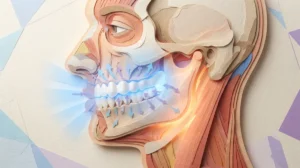
Because dental implants replace the tooth root, they provide the necessary stimulation to keep your jawbone healthy and prevent bone loss. This not only maintains your facial structure and prevents that “sunken” appearance that can occur with missing teeth, but it also keeps adjacent teeth stable. Crowns, while wonderful for restoring damaged teeth, don’t offer this bone-preserving benefit since they don’t replace the root structure.
The Procedure Experience: What to Expect
If you’re feeling a bit nervous about dental procedures, you’re not alone! Let’s walk through what you can expect with each option. For a dental crown, your first appointment involves preparing the tooth by removing any decay and shaping it to fit the crown. Your dentist takes impressions of your tooth and surrounding teeth, then places a temporary crown while your permanent one is being crafted. At your second visit, the temporary crown is removed and the permanent one is carefully fitted and cemented into place.
The implant process is more involved but equally manageable. After thorough planning, including X-rays and possibly a CT scan, the implant post is surgically placed into your jawbone under local anesthesia. Most patients report that the discomfort is much less than they expected! After the healing period, you’ll return for the abutment placement, and finally, for the crown attachment. Throughout the process, your dental team ensures your comfort and addresses any concerns.
Aesthetic Outcomes: Which Looks Better?
Here’s some great news: both dental implants and crowns can look absolutely stunning! Modern dental materials and techniques have advanced to the point where it’s nearly impossible to tell a well-crafted crown or implant from natural teeth. Porcelain and ceramic materials can be precisely matched to the color, translucency, and texture of your surrounding teeth.
That said, dental implants often have a slight edge in aesthetics, particularly for front teeth. Because they emerge from the gum line just like natural teeth, they create a more natural-looking gum contour. Crowns on natural teeth can sometimes show a slight margin at the gum line, especially if gum recession occurs over time. However, with skilled dental work and proper care, both options deliver beautiful, natural-looking results that you’ll be proud to show off.
Maintenance and Care Requirements
Good news, friends! Both crowns and implants are relatively easy to care for, and the maintenance routine isn’t dramatically different from caring for your natural teeth. For dental crowns, you’ll want to brush twice daily with fluoride toothpaste, floss carefully around the crown, and avoid chewing hard foods or ice that could damage it. Regular dental check-ups are essential to monitor the crown and the tooth underneath.
Dental implants require similar care—brushing, flossing, and regular dental visits. You’ll want to pay special attention to the area around the implant to prevent peri-implantitis, a condition similar to gum disease that can affect implants. Using an interdental brush or water flosser can help keep the area around your implant clean. The great thing is that implants can’t get cavities, though the surrounding gum tissue still needs proper care.
Making the Right Choice for You
So, how do you decide between dental implants vs crowns? The truth is, the decision often isn’t entirely up to you—it depends on your specific dental situation. If you have a damaged tooth with a healthy root, a crown is likely your best option. If you’re missing a tooth entirely, an implant is the way to go. Sometimes, you might need both! For example, you might get a crown on one tooth and an implant to replace a missing tooth elsewhere in your mouth.
Your dentist will consider several factors when recommending treatment, including the condition of your existing teeth, the health of your jawbone, your overall health, your budget, and your personal preferences. At Dental Theory, we take the time to discuss all your options and help you make an informed decision that aligns with your goals and lifestyle.
Questions to Ask Your Dentist
When you’re exploring your options, don’t hesitate to ask questions! Here are some good ones to start with: What would happen if I did nothing? How long will each treatment option last? What are the risks and benefits of each approach? How will this affect my adjacent teeth? What’s the total cost and what payment options are available? A good dentist will welcome your questions and provide clear, honest answers.
The Combination Approach: Implants and Crowns Together
Here’s something that might surprise you: dental implants and crowns aren’t mutually exclusive—they actually work together! Remember when we talked about the three parts of a dental implant? That visible part on top is actually a crown! So when you get a dental implant, you’re also getting a crown—it’s just attached to an implant post rather than a natural tooth.
This combination gives you the best of both worlds: the stability and bone-preservation benefits of an implant with the aesthetic perfection of a custom-crafted crown. It’s like having a complete tooth replacement system that’s designed to look natural and last a lifetime. Pretty cool, right?
Success Rates and What They Mean for You
Let’s talk about success rates, because knowing the odds can give you confidence in your decision. Dental crowns have an excellent success rate, with most lasting 10-15 years or longer. Factors that affect crown longevity include oral hygiene, regular dental visits, diet, and whether you grind your teeth. With proper care, many crowns last well beyond the average timeframe.
Dental implants boast an impressive success rate of about 95-98%, making them one of the most predictable procedures in dentistry. Factors that influence implant success include overall health, oral hygiene, smoking status, and the quality and quantity of jawbone. When implants are placed by experienced professionals and properly cared for, they can truly last a lifetime. The team at Dental Theory has helped countless patients achieve successful outcomes with both crowns and implants, earning a 5-star rating on Healthgrades.com.
Special Considerations for Different Age Groups
Age can play a role in the dental implants vs crowns decision. For younger patients whose jawbones are still developing, implants typically aren’t recommended until growth is complete, usually around age 18-21. In the meantime, other solutions like bridges or partial dentures might be used. Crowns, however, can be placed at any age when necessary to restore damaged teeth.
For older adults, dental implants remain an excellent option as long as the jawbone is healthy and overall health permits the surgical procedure. In fact, many seniors find that implants significantly improve their quality of life compared to traditional dentures. The key is working with a knowledgeable dental team who can assess your individual situation and recommend the most appropriate treatment.
Conclusion: Your Journey to a Restored Smile
Understanding the differences between dental implants vs crowns empowers you to have meaningful conversations with your dentist about your oral health. Remember, crowns restore damaged teeth that still have healthy roots, while implants replace missing teeth entirely. Both options offer excellent results when performed by skilled professionals and maintained with proper care. The right choice depends on your specific dental needs, overall health, budget, and personal preferences.
Whether you need a crown, an implant, or a combination of treatments, the goal is the same: restoring your smile’s function, health, and beauty so you can eat, speak, and smile with confidence. Don’t let uncertainty hold you back from getting the dental care you deserve. Modern dentistry offers incredible solutions that can truly transform your life.
Ready to explore your options and take the next step toward your best smile? Schedule an appointment with Dr. K at Dental Theory today! Our friendly team is here to answer your questions, address your concerns, and help you achieve the healthy, beautiful smile you’ve always wanted. Your journey to a restored smile starts with a simple conversation—let’s make it happen!
FAQs
Q: Can a dental crown be placed on a dental implant?
A: Absolutely! In fact, every dental implant has a crown on top of it. The crown is the visible part of the implant that looks like your natural tooth. This combination gives you the stability of an implant with the beautiful appearance of a custom-crafted crown—it’s like having a brand-new tooth that functions perfectly!
Q: How do I know if I need a crown or an implant?
A: The main determining factor is whether you still have the tooth or not. If your tooth is damaged but the root is still healthy, a crown can restore it beautifully. If the tooth is missing entirely or needs to be extracted, then a dental implant is typically your best option. Your dentist will examine your situation and recommend the most appropriate treatment for your specific needs.
Q: Is getting a dental implant painful?
A: Most patients are pleasantly surprised by how manageable the discomfort is! The procedure is performed under local anesthesia, so you won’t feel pain during the surgery. Afterward, you might experience some soreness similar to having a tooth extracted, but this can usually be managed with over-the-counter pain relievers. Many patients say the anticipation was worse than the actual experience!
Q: How long does it take to get a dental crown?
A: The crown process typically takes two to three weeks from start to finish. You’ll have an initial appointment where your tooth is prepared and impressions are taken, then you’ll wear a temporary crown while your permanent one is being custom-crafted in a dental lab. At your second appointment, usually two to three weeks later, your beautiful permanent crown is cemented into place!
Q: Are dental implants worth the extra cost compared to crowns?
A: If you’re missing a tooth entirely, dental implants are absolutely worth the investment! While they cost more upfront than alternatives like bridges, implants can last a lifetime and help preserve your jawbone health. They’re the only tooth replacement option that prevents bone loss and maintains your facial structure. When you consider the long-term benefits and durability, many patients find that implants offer excellent value for their investment in oral health.