A periodontist is a dentist who specializes in the gums and bone that support your teeth. They treat gum disease, address gum recession, and place dental implants to replace missing teeth.
If your dentist recommends seeing a periodontist, you may wonder what that means for you. Will you need surgery? Can you keep your teeth? What happens at the first appointment? A specialist can help you understand what’s going on and which treatments make sense for your mouth.
At Dental Theory in Brandon, FL, Dr. Chad Bardsley brings periodontal specialty care to our team. Here’s what to know about seeing a periodontist and how that care fits into your regular dental visits.
How Is a Periodontist Different From a General Dentist?
Your general dentist looks after your overall oral health, including checkups, fillings, crowns, and preventive care. General dentists also diagnose gum disease and can treat many less complex cases.
A periodontist focuses on the tissues that hold your teeth in place. Their additional training is especially helpful when gum disease is more advanced, gums are receding, or implant treatment is complex. Your dentist and periodontist can work together, so your gum treatment and other dental care stay coordinated.
What Qualifications Does a Periodontist Have?
Periodontists complete dental school followed by 3 additional years of specialty education. That training includes both surgical and nonsurgical care for gum disease, as well as dental implant treatment.
What Does Board Certification Mean?
Board certification is an additional credential beyond completing specialty training. The American Board of Periodontology requires eligible candidates to pass written and oral examinations. A periodontist who earns this certification is called a Diplomate of the American Board of Periodontology.
Dr. Bardsley is a board-certified periodontist and Diplomate of the American Board of Periodontology.
Why Would You Need to See a Periodontist?
You may benefit from a periodontal evaluation if you have:
- Gums that bleed regularly, stay swollen, or feel tender
- Receding gums or exposed tooth roots
- Loose or shifting teeth, or a change in your bite
- Deep gum pockets or bone loss identified during a dental exam
- Gum problems that haven’t improved with initial treatment
- Missing teeth and questions about dental implants
Gum disease can develop without much pain, so symptoms alone don’t tell the whole story. An examination helps determine whether you need routine care, a deep cleaning, or more involved treatment. If you have diabetes, use tobacco, or take medications that affect your oral health, share that information with your dental team.
What Procedures Does a Periodontist Perform?
The right treatment depends on the condition of your gums, teeth, and bone. Common periodontal procedures include the following.
Gum Disease Treatment and Deep Cleanings
Scaling and root planing cleans plaque and tartar from below the gumline and treats the tooth root surfaces. Some patients improve with this nonsurgical approach and ongoing maintenance. Others need additional treatment to reach deeper areas or address damage.
For a closer look at this treatment, visit our Periodontal Treatment & Deep Cleanings page.
Dental Implants
A dental implant replaces a missing tooth root and supports a replacement tooth or other restoration. A periodontist evaluates the gum tissue and available bone, plans the surgical placement, and determines whether preparation such as bone grafting may be needed.
Healthy gums and adequate bone support matter before and after placement. Implants also need daily cleaning and regular professional monitoring. Your periodontist and restorative dentist coordinate the steps of treatment.
Learn more about dental implants at Dental Theory.
Gum Grafts
When gums recede, part of a tooth’s root may become exposed. A gum graft adds tissue to an area that needs more coverage or support. Depending on the situation, this can help protect the root, reduce sensitivity, and improve the appearance of the gumline.
Grafting techniques and tissue sources vary. Your periodontist will explain what’s appropriate for the area being treated and what kind of coverage you can realistically expect.
Laser Periodontal Therapy
Lasers can be used in certain gum disease treatments. The type of laser, the treatment method, and the condition of the gums all affect whether it’s a suitable option.
Laser therapy isn’t automatically the best choice for every patient. Your periodontist should explain how it compares with other options for your situation, including expected healing, follow-up care, benefits, and risks. Your recovery and results will depend on the extent of the disease and the treatment used.
Pocket Reduction and Regenerative Treatment
When deep pockets around teeth remain difficult to clean, a periodontist may recommend surgery to gain access to those areas and reduce the pockets. In selected cases, bone grafts or other regenerative materials can help rebuild some of the support lost to gum disease. The treatment plan depends on the type and extent of the damage.
What Happens at Your First Periodontal Appointment?
The first visit is about understanding your needs and discussing a plan. A periodontal evaluation generally includes:
- Reviewing your history. You’ll discuss your dental concerns, health conditions, medications, and previous treatment.
- Examining your gums and teeth. The periodontist checks for inflammation, recession, loose teeth, and changes in your bite.
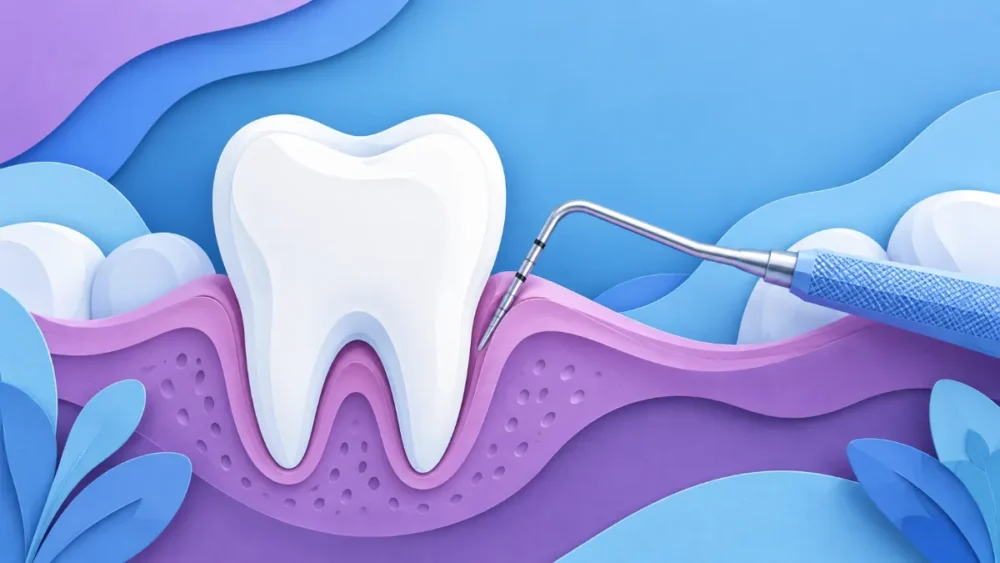
- Measuring gum pockets and assessing bone support. Measurements and any necessary X-rays help show what’s happening below the gumline.
- Talking through your options. You’ll learn what the findings mean, what treatment may help, and what to expect afterward.
Bring your questions. Understanding why a treatment is recommended is an important part of deciding how to move forward.
Does Seeing a Periodontist Mean You Need Surgery?
No. Some patients need nonsurgical treatment and a maintenance plan. Others benefit from a procedure to treat deeper disease, cover exposed roots, or prepare for an implant. The recommendation comes from your examination, rather than the fact that you’re seeing a specialist.
Will You Still Need Regular Dental Visits?
Yes. Periodontal care works alongside your regular dental care. After treatment, your team will recommend a maintenance schedule based on your gum health and risk factors. Cleaning between your teeth, brushing consistently, and keeping those appointments help protect the results.
Meet Dr. Chad Bardsley at Dental Theory
Dr. Chad Bardsley specializes in dental implants and gum disease treatment. After graduating from the University of Detroit Mercy School of Dentistry, he completed his surgical residency and specialty training in periodontology at Nova Southeastern University in Fort Lauderdale.
He has cared for patients throughout Tampa Bay for more than a decade. His approach is straightforward and thoughtful: explain the condition, discuss the options, and work with the Dental Theory team on a plan that fits the individual patient.
Learn more about Dr. Chad Bardsley.
Have Questions About Your Gums or Dental Implants?
You don’t have to figure out which treatment you need before reaching out. If you’ve noticed changes in your gums, have been referred for specialty care, or want to discuss replacing a missing tooth, our team can help you take the next step.
Call Dental Theory at 813-822-3058 or contact our Brandon office to ask about a periodontal evaluation with Dr. Bardsley.