Key Takeaways
-
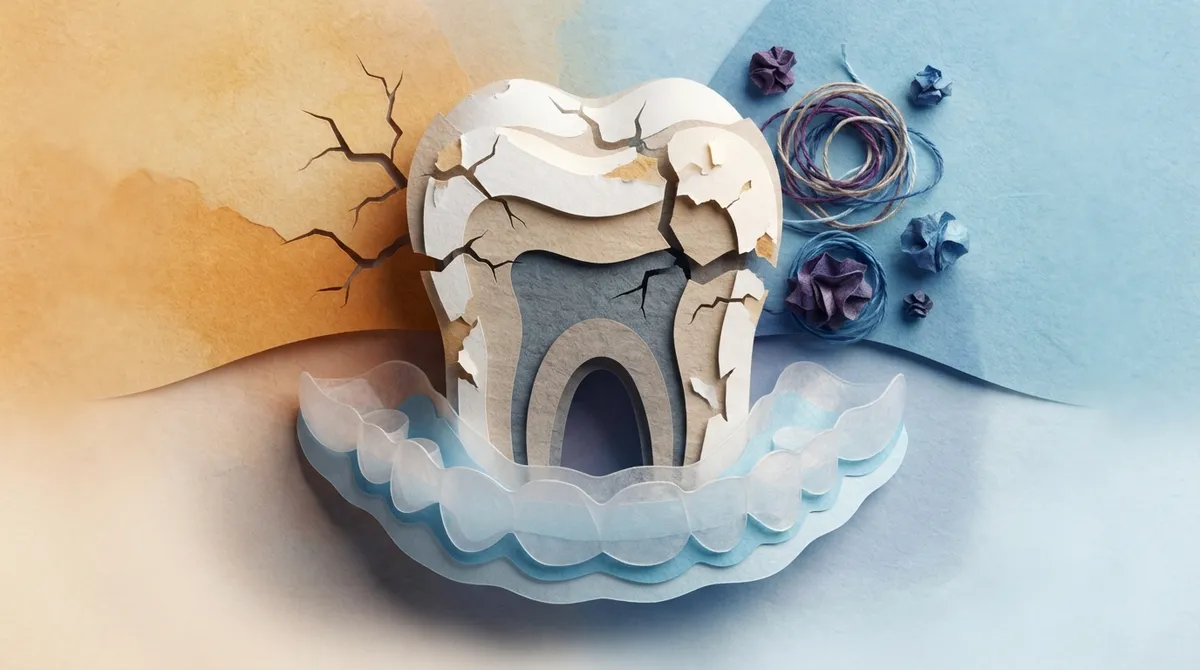
Teeth grinding (bruxism) absolutely causes cracked teeth and enamel loss through repeated, forceful pressure that normal chewing cannot match. Once enamel is gone, it cannot regenerate, making early intervention critical.
-
Custom night guards are the primary treatment for grinding damage, providing a cushion between teeth during sleep. Consistent use of a night guard combined with stress management can prevent further damage within months.
-
Molars are especially vulnerable to grinding damage due to handling most chewing pressure, and teeth with existing fillings or dental work are weaker and more prone to cracking under grinding forces.
-
Common warning signs include morning jaw soreness, frequent headaches, increased tooth sensitivity, flattened or chipped teeth, and jaw clicking. Identifying these symptoms early can prevent expensive restorative treatment later.
-
Stress, misaligned bites, sleep disorders, and caffeine/alcohol consumption are major grinding triggers. Addressing root causes through stress management and lifestyle changes reduces grinding frequency alongside protective night guard use.
-
Restorative options like same-day ceramic crowns, bonding, and veneers can repair teeth already damaged by grinding. Root canal therapy may be necessary if cracks reach the tooth nerve.
Ever wake up with a sore jaw or a dull headache that just won’t quit? You might be grinding your teeth at night without even knowing it. It’s more common than you think, and it can do real damage to your smile if it goes unchecked. Here in Brandon, we see patients every week who had no idea their morning headaches or tooth sensitivity were linked to nighttime grinding.
So let’s answer the big question right away: yes, teeth grinding absolutely can cause cracked teeth and enamel loss. This habit, known as bruxism, puts an enormous amount of pressure on your teeth. Over time, that pressure wears down enamel and can even crack or fracture your teeth. The good news? Once you understand what’s happening, you can take steps to protect your smile. Let’s break it all down together.
What Is Teeth Grinding (Bruxism) Exactly?
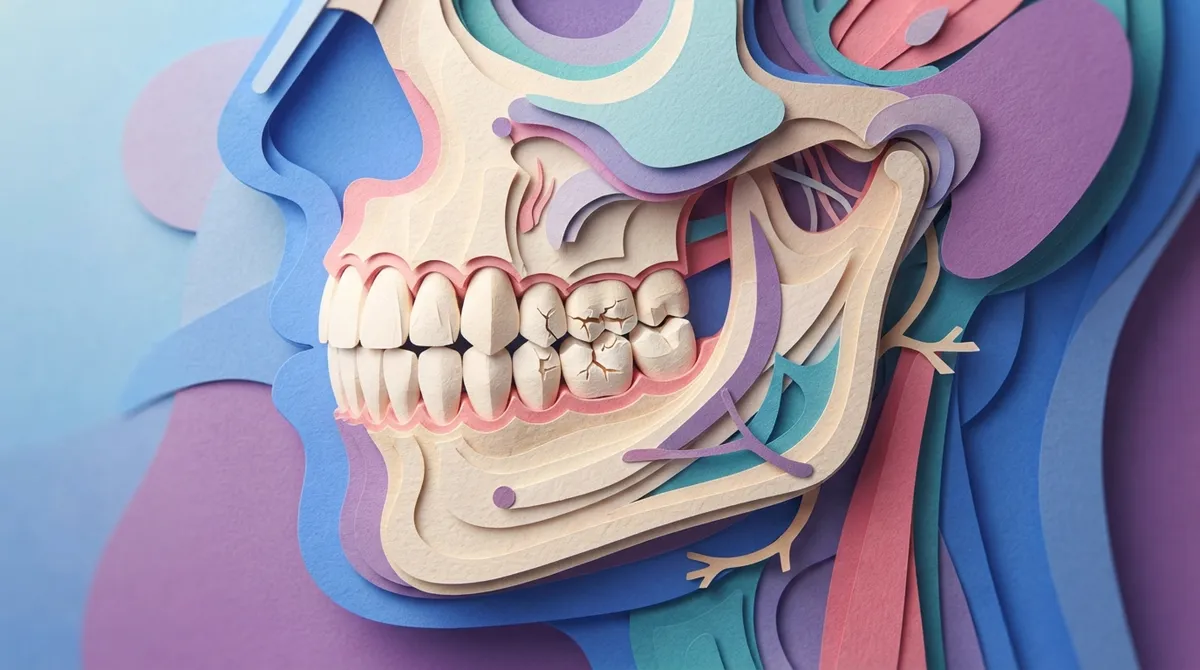
Teeth grinding, or bruxism, happens when you clench or grind your teeth together. Many people do this while they sleep, which makes it tricky to catch. Others grind during the day, often without realizing it, especially during stressful moments.
Your teeth aren’t designed to handle constant grinding pressure. Normal chewing puts brief, controlled force on your teeth. Grinding is different. It’s repetitive, forceful, and often happens for hours during sleep. That kind of relentless pressure is exactly what leads to cracked teeth and worn-down enamel.
Common Signs You Might Be Grinding Your Teeth
- Waking up with a sore or tight jaw
- Frequent headaches, especially in the morning
- Increased tooth sensitivity to hot or cold
- Flattened, chipped, or cracked teeth
- A partner mentioning they hear grinding sounds at night
- Jaw clicking or popping when you open your mouth
If any of these sound familiar, it’s worth bringing up at your next visit. Our team at Dental Theory can take a look and help you figure out what’s really going on.
How Grinding Damages Your Enamel
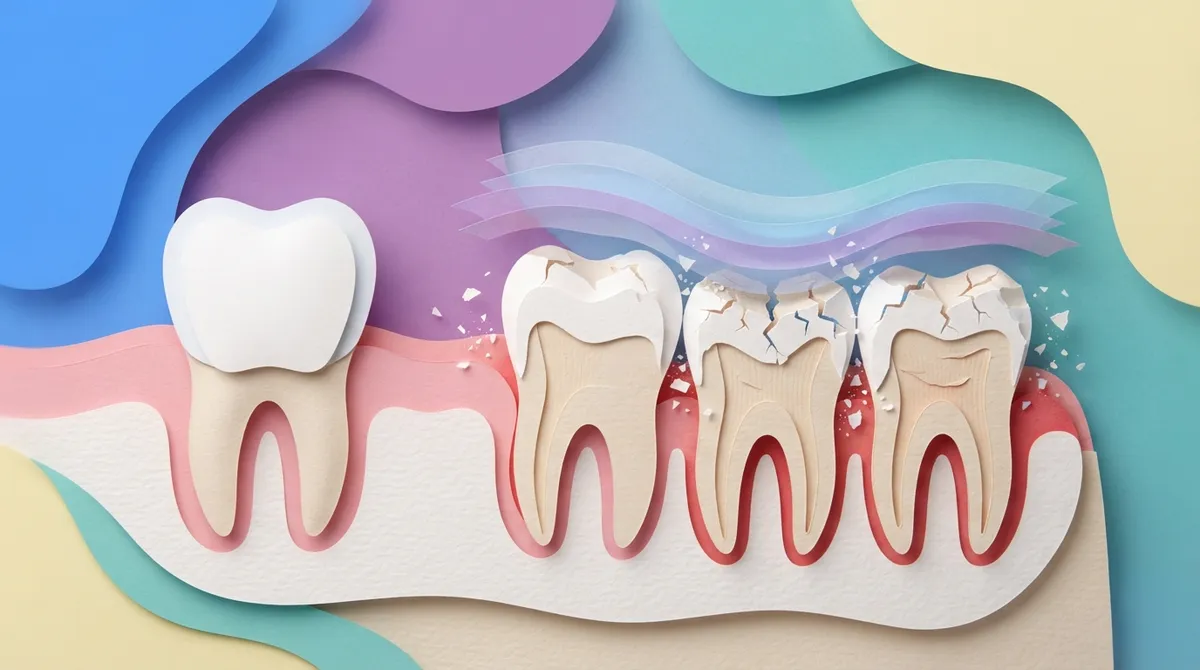
Enamel is the hardest substance in your body. But it’s not invincible. Grinding creates constant friction between your upper and lower teeth. This friction slowly wears the enamel away, layer by layer.
Once enamel is gone, it doesn’t grow back. Unlike skin or bone, your body can’t repair or regenerate enamel on its own. That’s why catching grinding early matters so much. The damage is permanent, but you can stop it from getting worse.
What Happens When Enamel Wears Down
- Teeth become more sensitive. Thinner enamel exposes the softer dentin layer underneath, making hot, cold, and sweet foods uncomfortable.
- Teeth look shorter or flatter. Grinding literally files down the biting surfaces over time.
- Teeth become more prone to cavities. Weaker enamel can’t fight off bacteria as well, raising your risk for decay.
- Cracks and chips start appearing. As enamel thins, the tooth structure underneath becomes vulnerable to fractures.
Can Grinding Actually Crack a Tooth?
Yes, and this is one of the more serious risks of untreated bruxism. Teeth are strong, but they aren’t meant to withstand the kind of repeated, forceful pressure that grinding creates. Over months or years, tiny stress fractures can form. Eventually, a tooth may crack, chip, or even break.
Cracked teeth aren’t just a cosmetic problem. They can expose the inner nerve of the tooth, leading to pain and infection. In some cases, a cracked tooth may need a root canal or even extraction if it’s not treated quickly. This is why we always encourage patients to understand what causes teeth to break before it becomes an emergency.
Why Some Teeth Are More at Risk
Not every tooth cracks the same way. Molars, which handle most of your chewing pressure, are especially vulnerable to grinding damage. Front teeth can also wear down and become thinner, especially if you clench during the day. If you already have fillings or old dental work, those areas are often weaker and more likely to crack under pressure.
Comparing Healthy Teeth vs. Grinding-Damaged Teeth
| Feature | Healthy Teeth | Teeth Affected by Grinding |
|---|---|---|
| Enamel Thickness | Full, protective layer | Thinned or worn away |
| Tooth Shape | Normal length and edges | Flattened or chipped edges |
| Sensitivity | Minimal to none | Increased sensitivity to hot/cold |
| Crack Risk | Low | High, especially in molars |
| Jaw Comfort | Relaxed, pain-free | Sore, tight, or clicking |
What Causes Teeth Grinding in the First Place?
Understanding the root cause can help you and your dentist come up with the right plan. Grinding often stems from a mix of physical and lifestyle factors.
- Stress and anxiety: This is one of the biggest triggers for nighttime grinding.
- Misaligned bite: When your teeth don’t fit together properly, grinding can happen naturally.
- Sleep disorders: Conditions like sleep apnea are closely linked to bruxism.
- Caffeine and alcohol: Both can increase muscle activity during sleep, making grinding more likely.
- Certain medications: Some prescriptions list teeth grinding as a side effect.
If you’re curious about the deeper science behind this habit, our detailed guide on teeth grinding causes and cures covers even more ground.
How We Diagnose and Treat Grinding at Dental Theory
The first step is always a thorough exam. We’ll look closely at your enamel, check for flat spots or cracks, and ask about your sleep habits and stress levels. Sometimes we’ll also check your jaw joint for signs of tension or clicking.
Treatment Options We May Recommend
- Custom night guards. These fit snugly over your teeth and create a cushion between your upper and lower teeth while you sleep.
- Stress management strategies. Since stress is such a common trigger, we may suggest relaxation techniques or lifestyle changes.
- Bite adjustments. If your bite is misaligned, correcting it can reduce grinding pressure.
- Restorative treatment. For teeth that are already cracked or worn, restorative options can rebuild strength and function.
For adults dealing with grinding damage, Dr. Chris Karapasha, known to our patients as Dr. K, specializes in restoring worn or cracked teeth through cosmetic dentistry solutions. If a tooth has cracked and needs protection, he also offers Same-Day Crowns, so you don’t have to wait weeks or come back for a second visit. Learn more about how same-day crowns work and why so many patients love the convenience.
Repairing Damage Caused by Grinding
If grinding has already cracked or worn down your teeth, don’t worry, there are plenty of ways to restore your smile. Depending on the severity, treatment may include:
- Ceramic crowns to protect and strengthen cracked or weakened teeth
- Bonding to repair small chips and restore tooth shape
- Veneers for teeth that have become visibly worn or shortened
- Root canal therapy if a crack has reached the nerve
At Dental Theory, we only use ceramic crowns because they offer excellent strength and a natural look that blends seamlessly with your smile. If you want to know more about why porcelain and ceramic crowns are such a great choice, we’ve got a helpful guide for that too.
Protecting Your Teeth From Future Grinding Damage
Once your teeth are treated, the goal shifts to prevention. Here’s what we usually recommend to our Brandon patients:
- Wear your night guard consistently, even when you’re tired and just want to skip it.
- Cut back on caffeine and alcohol, especially in the evening.
- Practice stress-relief habits like stretching, deep breathing, or a calming bedtime routine.
- Keep up with regular dental checkups so we can catch new wear patterns early.
- Avoid chewing on hard objects like ice, pens, or fingernails.
Consistent care makes a huge difference. Many patients tell us they had no idea how much stress was affecting their teeth until they started using a night guard and saw real improvement within a few months.
When to See a Dentist About Grinding
Don’t wait until you’re in pain to get checked out. If you notice any sensitivity, visible wear, or jaw discomfort, it’s time to schedule a visit. Catching bruxism early can save you from more extensive (and expensive) treatment down the road.
Our team proudly serves families throughout Brandon, and we’re always happy to welcome new patients. You can schedule an appointment to have your teeth checked for signs of grinding damage. We’ll walk you through everything, from diagnosis to treatment, in a way that feels comfortable and stress-free.
Curious what other patients think? Feel free to visit us on Google — Dental Theory to read real reviews from our Brandon community. You can also visit us on Facebook to see updates, patient stories, and more about our practice.
Final Thoughts on Grinding and Tooth Health
Teeth grinding might seem like a small habit, but it can lead to big problems if left untreated. Cracked teeth, worn enamel, and jaw pain are all real risks. The good news is that with the right care, these issues are very manageable.
Whether you need a custom night guard, a same-day crown, or just a checkup to ease your mind, our team at Dental Theory is here to help. Dr. K brings years of experience treating grinding-related damage, and he was even recently recognized when Dr. Chris Karapasha was named one of America’s Top Young Dentists in Incisal Edge magazine’s 2025 40 Under 40, a testament to the quality care we strive to provide every day.
Ready to protect your smile from grinding damage? Contact Dental Theory today and let’s get you on the path to a healthier, more comfortable smile.
FAQs
Q: Can teeth grinding really cause a tooth to crack?
A: Yes, it absolutely can! Grinding puts constant, forceful pressure on your teeth, and over time this can create tiny stress fractures that eventually turn into cracks or chips. If you’re noticing new sensitivity or rough edges on your teeth, it’s a good idea to get checked out sooner rather than later.
Q: Does enamel grow back after grinding wears it down?
A: Unfortunately, no. Enamel doesn’t regenerate once it’s gone, which is why catching grinding early is so important. The good news is we can still protect what enamel you have left and restore any damaged areas with treatments like crowns or bonding.
Q: How do I know if I grind my teeth at night?
A: Common signs include waking up with a sore jaw, morning headaches, and flattened or sensitive teeth. Sometimes a partner will even hear the grinding sounds while you sleep! If any of this sounds familiar, we’d love to take a closer look at your next visit.
Q: What’s the best treatment for teeth grinding?
A: A custom-fitted night guard is usually the first line of defense, and it works wonders for most patients. We may also look into stress management tips or bite adjustments depending on what’s causing the grinding in the first place.
Q: Can Dental Theory fix a tooth that’s already cracked from grinding?
A: Definitely! Dr. K specializes in restoring cracked or worn teeth, and we offer Same-Day Ceramic Crowns so you can walk out with a fully restored tooth in just one visit. No need to wait weeks or make multiple trips back to the office.
Our Service Area