Key Takeaways
-
Untreated TMJ disorder causes pain to spread from the jaw to neck, shoulders, and upper back, often developing into chronic tension headaches or migraines that become constant instead of occasional.
-
The temporomandibular joint disc can slip out of place or wear down without treatment, leading to severe damage that may eventually require surgery as the only solution.
-
Teeth grinding associated with untreated TMJ wears down tooth enamel, causing cracked teeth, sensitivity, and requiring crowns, bridges, or veneers for repair.
-
Untreated TMJ causes sleep disruption and poor sleep quality, creating a frustrating cycle of fatigue, irritability, and increased muscle tension that worsens the condition.
-
Chronic jaw pain from untreated TMJ negatively impacts mental health, causing anxiety, stress, and mood changes that many patients don't realize until treatment begins.
-
Early intervention with custom night guards, bite adjustments, or physical therapy prevents the need for complex treatment later, making prevention far more cost-effective than waiting.
That little click in your jaw when you eat a sandwich might not seem like a big deal. Maybe it’s been happening for months. Maybe you’ve just learned to ignore it. But here’s the thing: TMJ problems rarely fix themselves, and waiting it out can lead to bigger headaches (sometimes literally) down the road. If you’ve been putting off getting checked, let’s talk about why that jaw pain deserves your attention now, not later.
At Dental Theory in Brandon, FL, we see patients all the time who waited years before asking about their jaw pain. Many wish they had come in sooner. This article walks you through what really happens when TMJ disorder goes untreated, so you can make an informed choice about your own care.
What Is TMJ, Anyway?
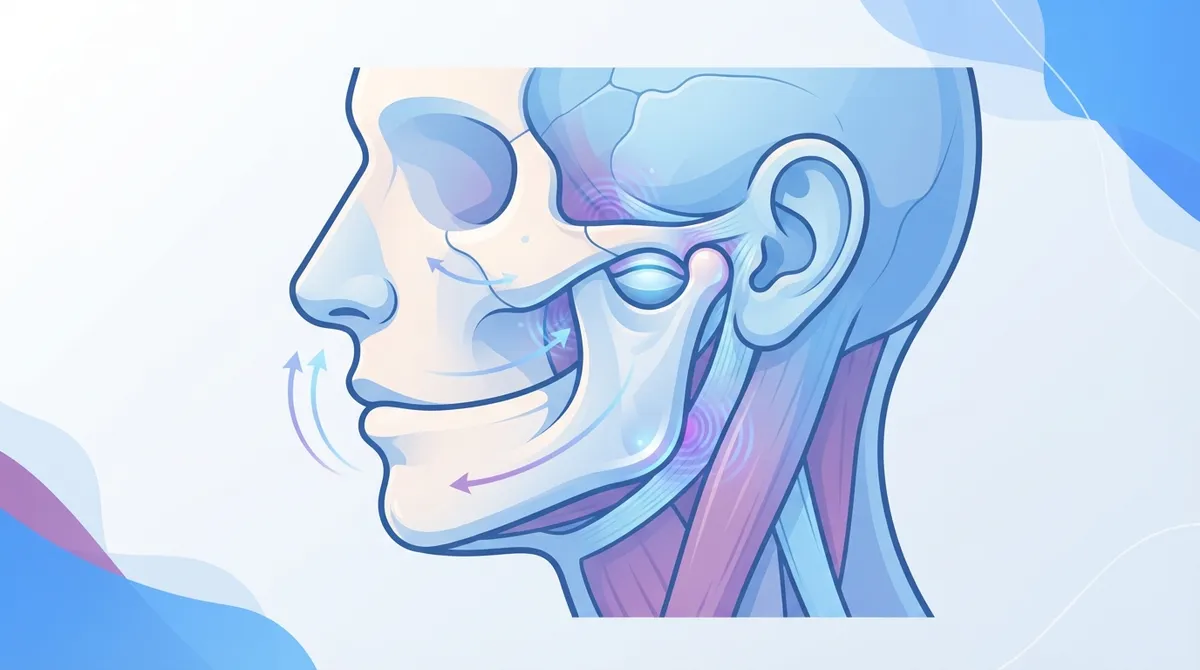
TMJ stands for temporomandibular joint. It’s the hinge that connects your jawbone to your skull, right in front of each ear. You use it every time you talk, chew, yawn, or smile. When this joint gets irritated or damaged, doctors call it TMJ disorder, or sometimes TMD.
Common causes include teeth grinding, jaw clenching, stress, misaligned bites, or even an old injury. Some people develop it slowly. Others notice it suddenly after a stressful week or a poor night’s sleep. Either way, ignoring the signs can let a small problem turn into a much bigger one.
Early Signs You Shouldn’t Brush Off
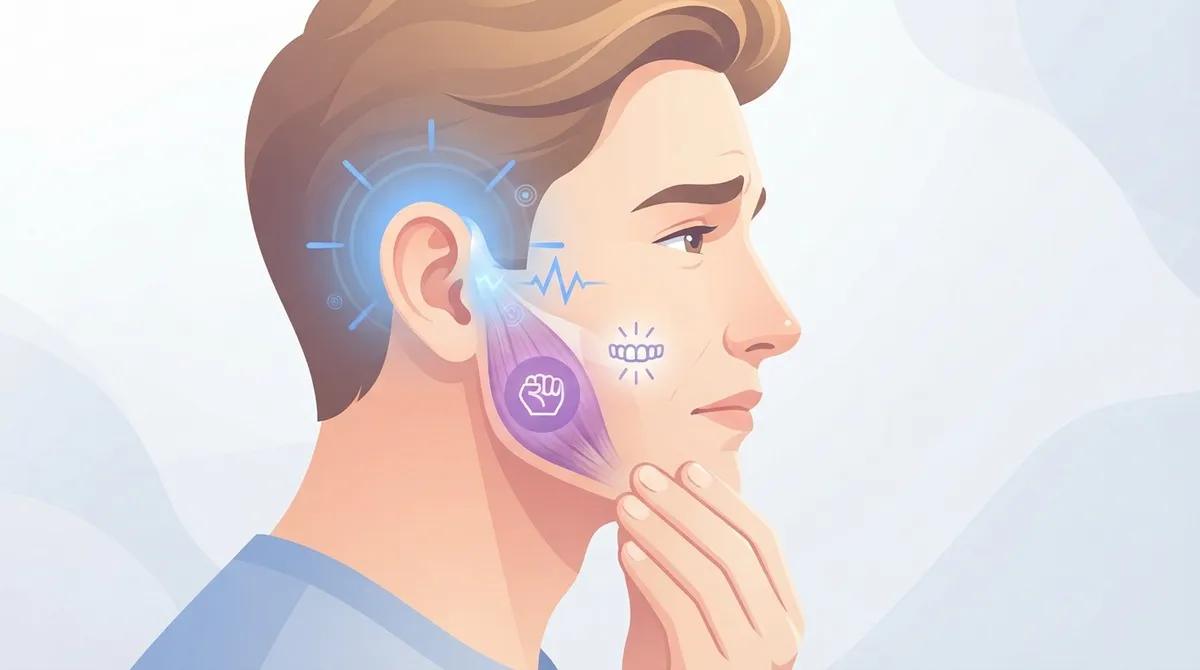
Your body usually gives you warning signs before things get serious. Here are the most common early symptoms of TMJ disorder:
- Clicking, popping, or grinding sounds when opening your mouth
- Jaw pain or soreness, especially in the morning
- Difficulty opening your mouth wide
- Frequent headaches or earaches
- A jaw that feels like it’s locking or getting stuck
If any of these sound familiar, it’s worth having a conversation with your dentist. Our team offers TMJ rehabilitation designed to catch these issues before they snowball into something worse.
What Happens If TMJ Is Left Untreated?
So what happens if TMJ is left untreated? In short, the problem tends to get worse, not better. What starts as an occasional annoyance can turn into a daily struggle that affects your eating, sleeping, and even your mood. Let’s break down the specific ways untreated TMJ can affect your life.
1. Chronic Pain That Spreads
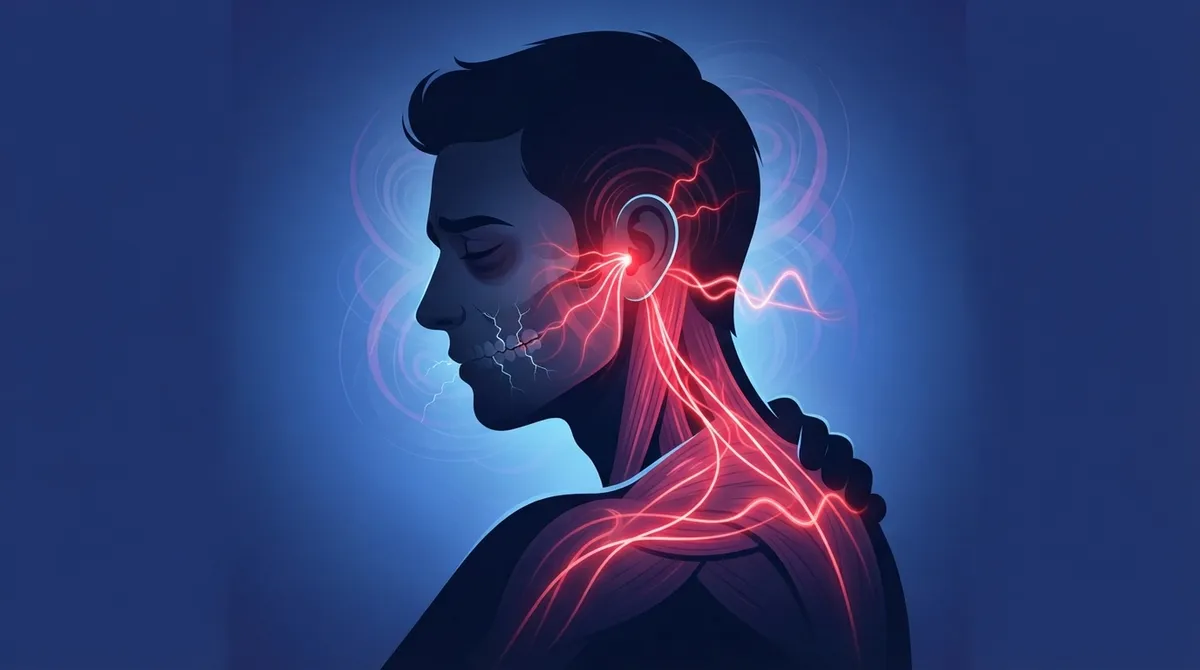
Untreated TMJ pain rarely stays put. It often spreads to your neck, shoulders, and upper back. Many people develop tension headaches or migraines because the muscles around the jaw are connected to muscles throughout the head and neck. Over time, this pain can become constant instead of occasional.
2. Worsening Jaw Damage
The temporomandibular joint has cartilage and a small disc that helps it move smoothly. Without treatment, this disc can slip out of place or wear down. This leads to more clicking, more locking, and eventually less mobility in your jaw. In severe cases, the joint itself can become damaged enough that surgery becomes the only option.
3. Tooth Damage From Grinding and Clenching
TMJ disorder and teeth grinding often go hand in hand. Left untreated, constant grinding wears down your tooth enamel. This can lead to cracked teeth, sensitivity, and even the need for crowns, bridges, or veneers to repair the damage. If a tooth cracks badly enough, you may need same-day restoration to fix it fast.
4. Trouble Eating and Speaking
As the jaw gets stiffer and more painful, everyday tasks like chewing tough foods or talking for long periods become harder. Some people start avoiding certain foods altogether. This can affect nutrition and quality of life more than most people expect.
5. Sleep Problems
Jaw pain and grinding often happen at night, which means your sleep quality takes a hit too. Poor sleep leads to fatigue, irritability, and even more muscle tension the next day. It becomes a frustrating cycle that’s hard to break without help.
6. Increased Anxiety and Stress
Chronic pain of any kind takes a toll on your mental health. Living with jaw pain every day can make you feel anxious, worn out, and short-tempered. Many patients tell us they didn’t realize how much their TMJ pain was affecting their mood until it finally got treated.
How Untreated TMJ Symptoms Progress Over Time
Here’s a simple breakdown of how TMJ disorder can escalate if it’s ignored:
| Stage | Common Symptoms | Risk If Ignored |
|---|---|---|
| Early | Occasional clicking, mild soreness | Low, but symptoms often increase |
| Moderate | Frequent pain, headaches, limited jaw movement | Muscle tension spreads, sleep disrupted |
| Advanced | Jaw locking, chronic pain, tooth damage | Possible need for extensive dental or surgical repair |
The good news is that catching TMJ disorder early usually means simpler, less invasive treatment. That’s why regular dental checkups matter so much, even when nothing seems obviously wrong.
How Dental Theory Approaches TMJ Treatment
Every jaw is different, so treatment isn’t one-size-fits-all. Depending on your symptoms, your dentist might recommend one or more of these approaches:
- A custom night guard to reduce grinding and clenching while you sleep
- Bite adjustments to correct alignment issues putting stress on the joint
- Physical therapy exercises to relax and strengthen jaw muscles
- Restorative dental work, like crowns, to repair teeth damaged by grinding
- Lifestyle changes, such as stress management techniques, to reduce clenching
Adults dealing with cracked or worn teeth from TMJ-related grinding often benefit from Dr. K‘s same-day crown technology. Instead of waiting weeks for a lab-made crown, you can walk out with a durable, natural-looking ceramic crown in a single visit. That means no temporary crowns, no second appointment, and no extra time off work. You can learn more about how this process works on our same-day crowns benefits and process page.
If you’re comparing your options, our article on same-day crowns versus traditional crowns breaks down the differences so you can decide what fits your schedule and needs.
Why Waiting Rarely Pays Off
It’s tempting to think jaw pain will just go away on its own. Sometimes minor discomfort does fade. But when TMJ symptoms stick around for more than a few weeks, or keep coming back, that’s usually a sign something needs attention. The longer you wait, the more likely you are to need more complex treatment later.
Think of it like a small crack in a windshield. Ignore it, and it spreads. Address it early, and you save yourself a bigger repair bill and a lot of frustration. Your jaw works the same way. Small interventions now can prevent major problems later.
Who Is Most at Risk?
While TMJ disorder can affect anyone, certain groups tend to be more prone to it:
- People under chronic stress or with high-pressure jobs
- Those who grind or clench their teeth at night
- Patients with misaligned bites or missing teeth
- Anyone with a history of jaw injury or arthritis
- People who chew gum frequently or bite nails
If you fall into one or more of these categories, it’s worth scheduling a checkup even if your symptoms feel mild right now. Prevention is almost always easier than repair.
When to See a Dentist About Jaw Pain
Not every jaw pop or occasional soreness means you have a serious problem. But you should reach out to a dental professional if you notice any of the following:
- Pain that lasts more than a week without improving
- Your jaw locking open or shut, even briefly
- Difficulty chewing without discomfort
- Frequent headaches that seem connected to jaw tension
- Visible wear on your teeth from grinding
Our team at Dental Theory in Brandon takes these concerns seriously. We combine advanced technology with a friendly, stress-free environment so you feel comfortable discussing symptoms that might feel embarrassing or hard to explain. You can read about our approach to general dentistry and how we build long-term relationships with our patients.
Curious what other patients think? You can visit us on Facebook to see updates and patient stories, or check out Visit us on Google — Dental Theory to read reviews from families right here in Brandon.
Protecting Your Smile for the Long Run
TMJ disorder doesn’t just affect your jaw. It can impact your teeth, your sleep, your mood, and your overall quality of life. The earlier you address it, the simpler the fix tends to be. Whether that means a custom night guard, a bite adjustment, or restorative work to repair grinding damage, getting ahead of the problem saves you time, money, and discomfort.
If grinding has already caused a chipped or cracked tooth, don’t wait on that either. Learn more about why dentists recommend dental crowns and how quickly modern technology can restore your smile. Dr. K’s expertise has even been recognized nationally, as Dr. Chris Karapasha has been named one of America’s Top Young Dentists in Incisal Edge magazine’s 2025 40 Under 40. His Invisalign work is also recognized on his Gold+ Invisalign provider profile.
According to the National Institute of Dental and Craniofacial Research, TMJ disorders are among the most common chronic pain conditions affecting the jaw, which makes early evaluation especially important for long-term relief.
Don’t let jaw pain quietly take over your daily life. If you’ve noticed clicking, soreness, or morning headaches, it’s time to get answers. Contact Dental Theory today to schedule an evaluation, or schedule an appointment online at a time that works for you. Your jaw, your teeth, and your future self will thank you.
FAQs
Q: What happens if TMJ is left untreated for years?
A: Over time, untreated TMJ can lead to chronic pain, jaw damage, and even permanent tooth wear from grinding. It’s much easier and cheaper to treat early, so don’t wait to get checked out if something feels off.
Q: Can TMJ disorder go away on its own?
A: Sometimes mild cases improve with rest and less stress, but ongoing symptoms usually need professional attention. If your jaw pain lasts more than a couple weeks, it’s best to have a dentist take a look.
Q: Does untreated TMJ cause tooth damage?
A: Yes, TMJ disorder is often linked to teeth grinding and clenching, which wears down enamel and can crack teeth. Many patients eventually need crowns or other restorative work to repair the damage.
Q: How do I know if my jaw pain is TMJ related?
A: Common signs include clicking or popping sounds, jaw soreness, headaches, and trouble opening your mouth fully. If these symptoms sound familiar, it’s worth scheduling a dental checkup to get a clear answer.
Q: What treatments help with TMJ disorder?
A: Treatment options include custom night guards, bite adjustments, physical therapy, and restorative dental work for damaged teeth. Your dentist can recommend the right combination based on your specific symptoms.
Our Service Area