Key Takeaways
-
Surgery is rarely necessary for TMJ disorders—only an estimated 5% of patients need it, with most finding relief through non-surgical treatments like night guards, physical therapy, and medication.
-
If non-surgical treatments (mouth guards, physical therapy, medication) haven't worked after 6+ months, or if your jaw locks regularly, severe constant pain persists, or imaging shows structural damage, surgery becomes a realistic option.
-
A locked jaw, severe constant pain unrelieved by rest and medication, sudden bite changes, and frequent jaw dislocations are red flags that warrant professional evaluation for possible surgical intervention.
-
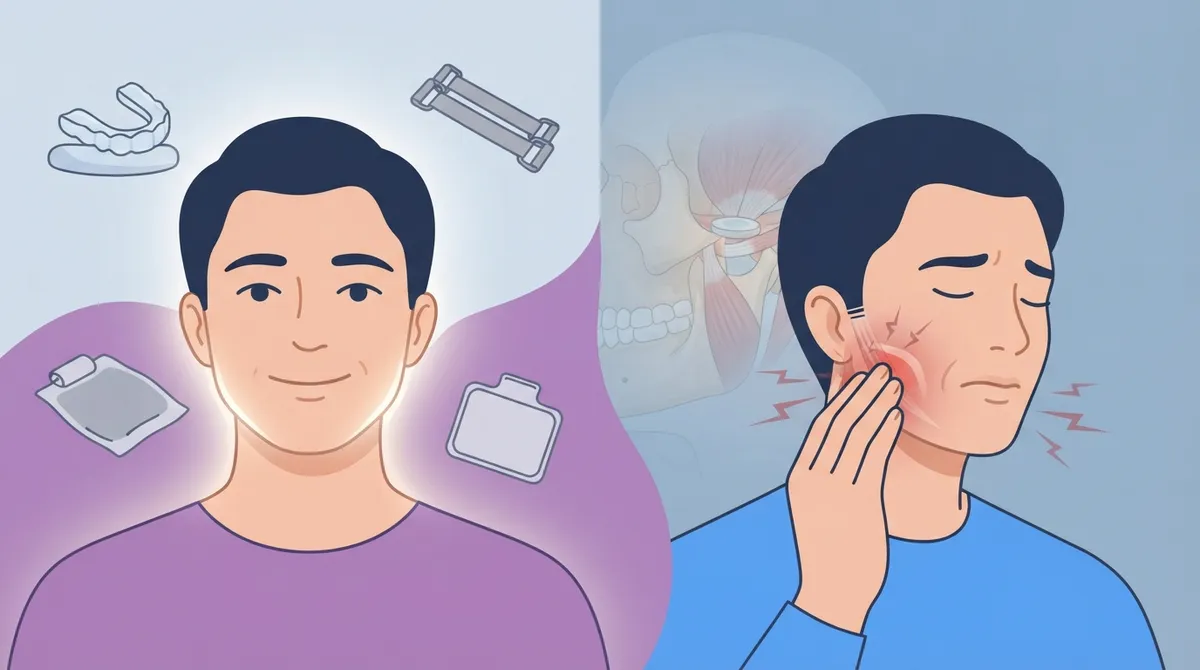
Before surgery, try conservative treatments including custom night guards, physical therapy exercises, anti-inflammatory medication, stress management, soft food diets, and warm/cold compresses—most patients see improvement within weeks.
-
When surgery is needed, options range from minor arthrocentesis (needle flushing) for mild cases to arthroscopy or open joint surgery for moderate-to-severe damage, with total joint replacement reserved for advanced arthritis.
-
Early professional evaluation is critical because it maximizes non-surgical treatment options and prevents symptoms from worsening; simple daily habits like avoiding gum, cutting food smaller, and maintaining good posture also significantly reduce symptoms.
Jaw pain can turn everyday moments into a struggle. Chewing dinner, yawning, or even talking can hurt when your jaw joint isn’t happy. If you’ve been dealing with TMJ discomfort for a while, you may be wondering if surgery is in your future. The good news? Surgery is almost always the last resort, not the first step. Most people find relief through simple, non-surgical care long before an operating room ever comes into the picture.
At Dental Theory in Brandon, FL, we know jaw pain can feel scary and confusing. That’s why we want to walk you through exactly when surgery becomes necessary for TMJ disorders, and when it doesn’t. Whether you’re dealing with clicking, popping, locking, or constant soreness, this guide will help you understand your options. Let’s break down the 15 signs and situations that matter most when deciding if surgery is the right path for your jaw health.
What Is TMJ Disorder, Really?
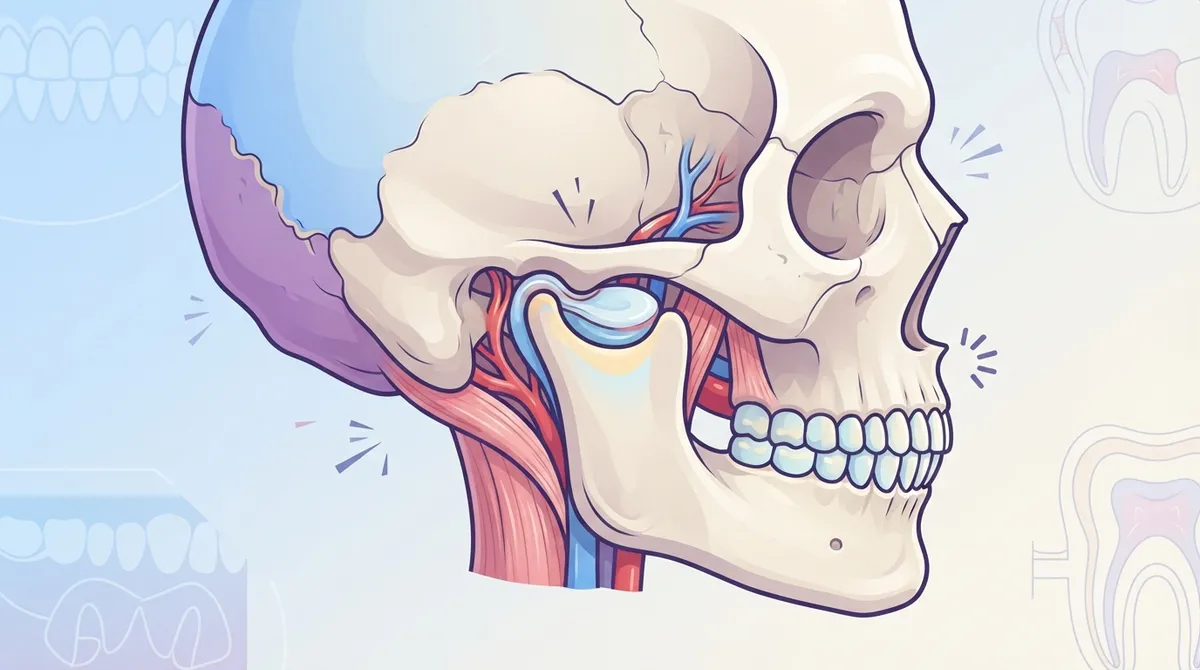
TMJ stands for temporomandibular joint. It’s the hinge connecting your jawbone to your skull. This joint lets you chew, talk, and yawn without thinking twice. When something goes wrong with this joint or the muscles around it, doctors call it TMJ disorder, or TMD for short.
Many things can cause TMJ problems. Grinding your teeth at night, stress, arthritis, or even a jaw injury can trigger symptoms. Most cases are mild and go away with simple changes at home. But some cases are more serious and need professional help. Understanding TMJ rehabilitation options early can help you avoid more invasive treatments down the road.

15 Signs Surgery Might Be Needed for TMJ
Surgery is rarely the first choice for TMJ pain. But in certain cases, it becomes the best way to fix the problem for good. Here are 15 signs that suggest surgery might be worth discussing with your dentist.
1. Non-Surgical Treatments Haven’t Worked
If you’ve tried mouth guards, physical therapy, and medication for six months or longer with no real relief, surgery may be the next step. Doctors usually want to see that conservative care has been given a fair chance first.
2. Your Jaw Locks Shut or Open
A locked jaw is more than annoying. It can stop you from eating or speaking normally. If your jaw gets stuck closed or open on a regular basis, this is a red flag that needs attention.
3. You Have Severe, Constant Pain
Occasional soreness is common with TMJ disorders. But pain that never goes away, even with rest and medication, points to a deeper problem inside the joint.
4. Structural Damage Shows Up on Imaging
X-rays or MRIs sometimes reveal bone damage, a displaced disc, or joint degeneration. When imaging shows clear structural issues, surgery becomes a more realistic option.
5. You Have Arthritis in the Jaw Joint
Osteoarthritis or rheumatoid arthritis can wear down the joint over time. In advanced cases, surgery may be needed to repair or replace damaged joint tissue.
6. Your Jaw Won’t Open Fully
Struggling to open your mouth wide enough to eat or brush your teeth is a serious sign. This limited movement, called trismus, often means the joint itself is affected.
7. You’ve Had a Jaw Injury
Trauma from an accident or fall can damage the joint structure. If an injury caused a fracture or major dislocation, surgery might be required to restore normal function.
8. The Disc Inside Your Joint Has Shifted
Your jaw joint has a small disc that acts like a cushion. When this disc slips out of place and stays there, it can cause popping, pain, and locking that only surgery can correct.
9. You Have Tumors or Growths
Though rare, tumors near the jaw joint sometimes require surgical removal. This is one of the clearest cases where surgery isn’t optional.
10. Your Bite Has Changed Suddenly
If your teeth no longer fit together the way they used to, this could mean joint damage. A sudden bite change is a strong signal something structural has gone wrong.
11. You Experience Chronic Ear Pain or Ringing
TMJ problems can affect nearby nerves and cause ear symptoms. When these symptoms are severe and linked to jaw joint damage, surgery may bring lasting relief.
12. Botox and Injections Aren’t Helping Anymore
Some patients try injections to relax jaw muscles or reduce inflammation. If these treatments stop working or never helped at all, surgery becomes a more serious consideration.
13. You Have Frequent Jaw Dislocations
A jaw that pops out of place often, sometimes multiple times a month, needs more than a night guard. Surgery can stabilize the joint and prevent future dislocations.
14. Sleep Is Constantly Disrupted by Pain
Chronic jaw pain that keeps you up at night affects your whole life. When sleep loss becomes a pattern tied to TMJ symptoms, it’s time for a deeper evaluation.
15. Your Specialist Recommends It After Full Evaluation
At the end of the day, surgery should only happen after a thorough exam by a dental or medical professional. If your dentist or an oral surgeon confirms surgery is the right path, it’s usually because other options truly won’t fix the issue.
Non-Surgical Options to Try First
Before jumping to surgery, most dentists recommend trying simpler treatments. These options work for the vast majority of TMJ patients. Here’s what usually comes first:
- Custom night guards to stop teeth grinding and reduce joint stress
- Physical therapy exercises to loosen tight jaw muscles
- Anti-inflammatory medication to reduce swelling and pain
- Stress management techniques, since clenching often ties to tension
- Soft food diets to give the joint a break from heavy chewing
- Warm or cold compresses applied directly to the jaw
Many patients see real improvement within a few weeks of starting these steps. If your symptoms are mild to moderate, this is almost always where treatment begins. Our team can help you sort through TMJ and bruxism connections that may be driving your discomfort.
Types of TMJ Surgery Explained
When surgery does become necessary, there are different levels depending on how severe your case is. Here’s a simple breakdown to help you understand what each option involves.
| Surgery Type | What It Involves | Best For |
|---|---|---|
| Arthrocentesis | Minor procedure using needles to flush the joint | Mild locking or inflammation |
| Arthroscopy | Small camera and tools inserted through tiny cuts | Moderate joint damage or disc issues |
| Open Joint Surgery | Traditional surgery to repair or replace joint tissue | Severe structural damage or tumors |
| Total Joint Replacement | Full replacement of the jaw joint with an implant | Advanced arthritis or joint failure |
Your dentist or specialist will decide which type fits your specific situation. Most patients never need anything beyond the first two, less invasive options.
How Dental Theory Helps With TMJ Concerns
At Dental Theory in Brandon, we believe in starting with the least invasive care possible. Our goal is always to help you feel better without unnecessary procedures. We take time to understand your symptoms, review your jaw’s movement, and create a plan that fits your needs.
If you’re dealing with jaw pain, clicking, or trouble opening your mouth, don’t wait for it to get worse. Early evaluation often means simpler treatment. You can schedule an appointment to get a full picture of what’s happening with your jaw joint.
Many of our patients also deal with related issues like teeth grinding or clenching, which can make TMJ symptoms worse over time. We’re happy to walk you through teeth grinding causes and cures as part of your overall treatment plan.
What to Expect During a TMJ Evaluation
Getting checked for TMJ issues is simple and stress-free. Here’s what typically happens during your visit:
- Your dentist will ask about your symptoms, pain level, and how long you’ve had them
- They’ll check your jaw’s range of motion and listen for clicking or popping sounds
- X-rays or imaging may be taken to look at the joint structure
- Your bite will be examined to see if teeth alignment is playing a role
- A treatment plan will be created based on your specific findings
This process helps rule out minor issues before considering anything more serious. Most patients feel relieved just having a clear answer about what’s causing their pain.
Living With TMJ: Daily Tips That Help
While you’re working with your dentist on a treatment plan, small daily habits can make a big difference. Try these simple tips:
- Avoid chewing gum, which puts extra strain on the joint
- Cut food into smaller pieces to reduce jaw movement
- Practice good posture, since slouching can affect jaw alignment
- Avoid resting your chin on your hand for long periods
- Stay consistent with any prescribed exercises or guards
These small changes, combined with professional care, often reduce symptoms significantly. Many patients find they never need surgery once they commit to a full treatment plan.
We’re proud to be a trusted name in Brandon for families dealing with jaw pain and dental discomfort. You can visit us on Google — Dental Theory to see what our patients have to say about their experience. You can also visit us on Facebook to stay updated on our latest patient stories and dental tips.
Why Choose Dental Theory for TMJ Care
Our team takes a thoughtful, step-by-step approach to jaw pain. We never rush to surgery when simpler solutions can work. Dr. Chris Karapasha brings years of experience treating complex dental issues, including TMJ-related concerns, and has even been recognized for his expertise. In fact, Dr. Chris Karapasha has been named one of America’s Top Young Dentists in Incisal Edge magazine’s 2025 40 Under 40, a reflection of the quality care our patients receive every day.
Whether your TMJ symptoms are mild or more serious, our Brandon office is ready to guide you through every step. We combine modern technology with a caring, friendly approach that puts you at ease from the moment you walk in.
Conclusion: Take the First Step Toward Relief
TMJ pain doesn’t have to control your life. Most people find lasting relief through simple, non-surgical treatments. Surgery is only needed in a small number of severe cases, and even then, it’s always a carefully considered decision made with your dentist or specialist.
If jaw pain has been bothering you, don’t wait to get answers. The sooner you get evaluated, the more treatment options you’ll have available. Ready to feel better? Contact Dental Theory today to schedule your TMJ evaluation and take the first step toward a pain-free smile.
FAQs
Q: How do I know if my TMJ pain is serious enough for surgery?
A: If you’ve tried non-surgical treatments like night guards and physical therapy for several months without relief, or if your jaw locks frequently, it may be time to talk to your dentist about further options. A proper evaluation is always the best first step, so don’t worry about jumping to conclusions on your own.
Q: What percentage of TMJ patients actually need surgery?
A: Good news here! Only a small fraction of TMJ patients, often estimated at less than 5 percent, ever need surgery. Most people find real relief through simple lifestyle changes, night guards, and physical therapy.
Q: Is TMJ surgery painful or risky?
A: Like any surgery, there are some risks involved, but modern techniques have made TMJ procedures safer and less invasive than ever. Your dentist or oral surgeon will walk you through exactly what to expect so you feel fully prepared.
Q: Can teeth grinding make TMJ symptoms worse?
A: Absolutely, teeth grinding puts extra pressure on your jaw joint and can definitely make TMJ symptoms worse over time. Treating grinding early with a custom night guard can often prevent bigger problems down the road.
Q: How long does recovery take after TMJ surgery?
A: Recovery time depends on the type of surgery performed, ranging from a few days for minor procedures to several weeks for more involved surgeries. Your care team will give you a clear recovery timeline based on your specific treatment.
Our Service Area