
Key Takeaways
-
Your general dentist is often the best first stop for TMJ treatment and can identify disorders through symptom assessment and jaw examination, providing conservative treatments like custom night guards and bite adjustments.
-
Teeth grinding (bruxism) is one of the leading causes of TMJ pain; a custom night guard is an effective solution that protects teeth and reduces pressure on the jaw joint during sleep.
-
If TMJ symptoms persist after basic treatment or involve severe pain and limited jaw movement, seek a dentist with specialized TMJ training who can provide comprehensive rehabilitation including custom oral appliances and physical therapy referrals.
-
Early treatment leads to better outcomes; jaw pain rarely improves on its own, so schedule an appointment if you experience clicking, soreness, or headaches lasting more than a couple weeks.
-
TMJ treatment typically involves a step-by-step process including initial exam, bite evaluation, imaging if needed, and a customized treatment plan with follow-up adjustments over several visits.
-
Simple at-home habits like eating softer foods, avoiding gum, applying warm compresses, practicing gentle jaw stretches, and maintaining good posture can ease TMJ pain between professional visits.
Jaw pain that won’t quit. Headaches that show up every morning. A weird clicking sound every time you chew. If any of this sounds familiar, you might be dealing with a TMJ disorder, and you’re probably wondering exactly who you should call. It’s a great question, and the answer might surprise you. Many types of dentists can help with jaw pain, but not all of them treat it the same way.
At Dental Theory in Brandon, FL, we meet folks every week who’ve been living with jaw discomfort for months, sometimes years, before they finally ask for help. Let’s clear up the confusion once and for all. We’ll walk through which dentist treats TMJ, what treatment actually looks like, and how you can get relief without a headache-inducing search process.

What Is TMJ, Anyway?
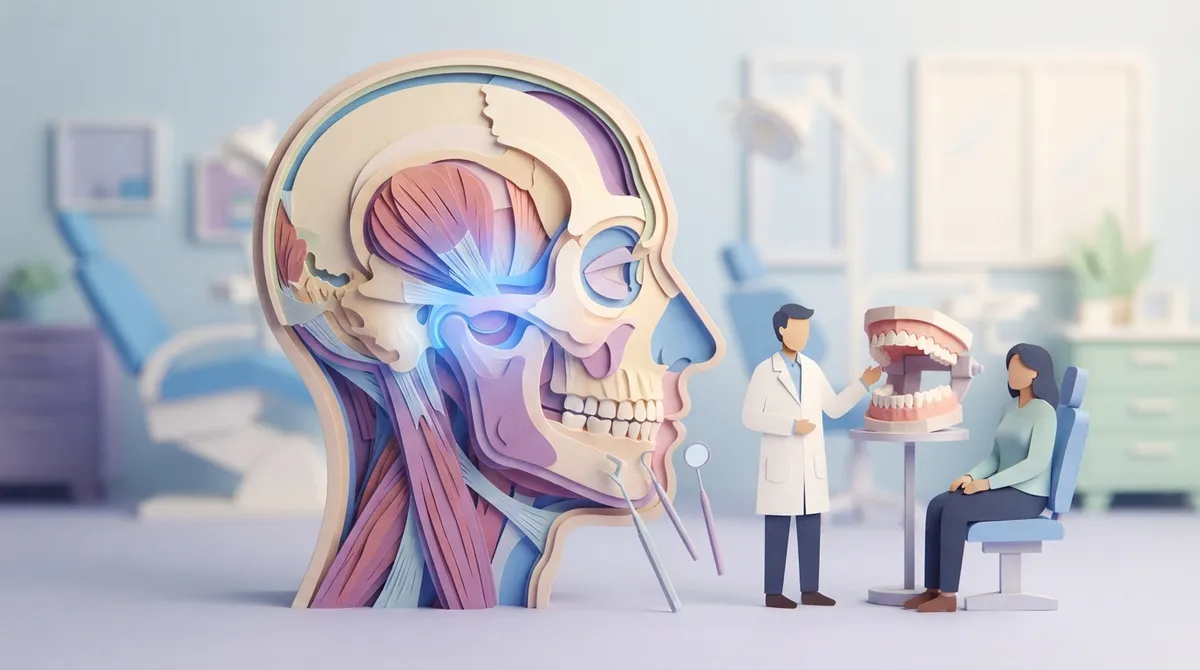
TMJ stands for temporomandibular joint. It’s the hinge that connects your jawbone to your skull, right in front of each ear. When people say they “have TMJ,” they usually mean they have a TMJ disorder, sometimes called TMD.
This joint works overtime every single day. You use it to talk, chew, yawn, and even smile. So when something goes wrong with it, you feel it everywhere, from your jaw to your neck to your temples.
Common Signs of a TMJ Disorder
Not sure if what you’re feeling is actually a TMJ issue? Here are some of the most common symptoms patients describe to us:
- Clicking, popping, or grinding sounds when opening your mouth
- Pain or tenderness in your jaw, especially near your ears
- Difficulty chewing or a jaw that feels “stuck” or locked
- Frequent headaches or migraines
- Aching facial pain that spreads to your neck and shoulders
- A bite that suddenly feels “off” or uneven
If you’re nodding along to a few of these, don’t worry. You’re definitely not alone, and there’s a clear path forward.
So, What Kind of Dentist Treats TMJ?
Here’s the good news: your general dentist is often your best first stop for TMJ treatment. General dentists are trained to spot the signs of TMJ disorders during routine checkups. They can often provide effective treatment right in their own office, without sending you elsewhere.
That said, some practices offer more focused care for jaw issues through specialty treatments built specifically around TMJ rehabilitation. This kind of dedicated care means a deeper look at your bite, jaw alignment, and muscle function, all designed to get you long-term relief instead of a quick fix.
General Dentists: Your First Line of Defense
A skilled general dentist can usually identify a TMJ disorder just by asking about your symptoms and examining your jaw. Many cases of mild to moderate TMJ pain respond really well to conservative treatments a general dentist can provide, like:
- Custom night guards to stop teeth grinding and clenching
- Bite adjustments to correct uneven pressure on your jaw
- Guidance on jaw exercises and stretches
- Recommendations for warm compresses and over-the-counter pain relief
- Referral to a specialist if your case needs more advanced care
This is exactly the kind of comprehensive support you’ll find through general dentistry services at Dental Theory. We believe most jaw pain can be managed close to home, without unnecessary referrals or delays.
When You Might Need More Specialized TMJ Care
Sometimes TMJ pain is stubborn. If your symptoms stick around after basic treatment, or if your jaw pain is severe, it may be time for a deeper approach. This is where dedicated TMJ rehabilitation comes in.
This kind of treatment looks at the whole picture. It considers your bite alignment, jaw muscles, and even your sleep habits since teeth grinding often happens at night. Treatment plans might include custom oral appliances, physical therapy referrals, or in some cases, restorative work to fix an uneven bite.
| Symptom Severity | Typical Treatment Approach | Who Provides It |
|---|---|---|
| Mild jaw clicking, occasional soreness | Night guard, bite check, at-home care tips | General Dentist |
| Frequent headaches, chronic jaw tension | Custom oral appliance, bite adjustment | General Dentist or TMJ-focused Care |
| Locked jaw, severe pain, limited movement | Comprehensive TMJ rehabilitation plan | Dentist with TMJ Specialty Training |
What Causes TMJ Disorders in the First Place?
Understanding the cause helps your dentist build the right treatment plan. Some of the most common culprits include:
- Teeth grinding or clenching, especially during sleep
- Stress, which often shows up as jaw tension
- Misaligned teeth or an uneven bite
- Jaw injury from an accident or impact
- Arthritis affecting the jaw joint
If stress or grinding is the root cause, your dentist may also talk with you about lifestyle changes alongside dental treatment. It’s rarely just one fix, it’s usually a combination approach that gets the best results.
How TMJ Treatment Actually Works: A Step-by-Step Look
Wondering what your first visit for jaw pain might look like? Here’s a simple breakdown of the process:
- Initial Exam: Your dentist checks your jaw movement, listens for clicking sounds, and asks about your symptoms and history.
- Bite Evaluation: They’ll look at how your upper and lower teeth fit together.
- X-Rays or Imaging: Sometimes imaging is used to get a closer look at the joint itself.
- Custom Treatment Plan: Based on your specific symptoms, your dentist builds a plan just for you.
- Follow-Up Care: TMJ treatment often takes a few visits to fine-tune, so expect some adjustments along the way.
This process is designed to feel simple and stress-free, not overwhelming. That’s the whole philosophy behind our approach to what a dental dentist does for patients dealing with jaw pain.
Does TMJ Ever Connect to Teeth Grinding?
Absolutely, and quite often. Teeth grinding, called bruxism, is one of the leading causes of TMJ pain. If you wake up with a sore jaw or a dull headache, grinding at night could be the hidden reason. Many patients don’t even realize they grind their teeth until a dentist points out the wear patterns on their molars.
A custom night guard is one of the most common and effective treatments for grinding-related TMJ pain. It’s a simple, comfortable device that protects your teeth and takes pressure off your jaw joint while you sleep.
Why Choose Dental Theory for TMJ Concerns in Brandon
Living in Brandon and dealing with jaw pain? You don’t have to drive across town or wait weeks for an appointment. Dental Theory offers a warm, welcoming environment where your comfort always comes first. Our team takes the time to really listen to your symptoms before recommending a plan.
We know dental anxiety is real, and jaw pain on top of that can feel like a lot. That’s why our office focuses on a relaxed, judgment-free experience for every patient who walks through our doors. You can visit us on Google — Dental Theory to see what our neighbors in Brandon have to say about their experience.
If you’re also dealing with damaged or worn-down teeth from grinding, it’s worth knowing that Dr. K offers Same-Day Crowns using durable ceramic material, so you’re never stuck waiting weeks for a fix. You can learn more about how dental crowns protect your teeth if grinding has taken a toll on your smile.
Simple Habits That Can Ease TMJ Pain at Home
While professional treatment is important, a few small habits can help you feel better between visits:
- Eat softer foods for a few days to give your jaw a break
- Avoid chewing gum, which overworks the jaw muscles
- Apply a warm compress to sore areas for 10-15 minutes
- Practice gentle jaw stretches recommended by your dentist
- Watch your posture, since slouching can add strain to your neck and jaw
These small changes won’t replace professional care, but they can make daily life more comfortable while you work toward a long-term solution.
When to Stop Waiting and Book an Appointment
Jaw pain rarely gets better on its own. In fact, waiting too long often makes treatment more complicated down the road. If you’ve been dealing with clicking, soreness, or headaches for more than a couple weeks, it’s time to get checked out.
According to the National Institute of Dental and Craniofacial Research, TMJ disorders affect millions of Americans, and early treatment tends to lead to better outcomes. The sooner you get answers, the sooner you can get back to living pain-free.
Ready to stop guessing and start feeling better? You can schedule an appointment with our friendly Brandon team today. We’ll listen to your symptoms, build a plan that fits your life, and help you get lasting relief.
Final Thoughts on Finding the Right TMJ Dentist
The bottom line is this: a general dentist is usually your best starting point for TMJ pain, and many cases can be treated right in that same chair. For more complex or long-standing symptoms, dedicated TMJ rehabilitation offers a deeper, more customized approach.
Either way, you don’t need to suffer through jaw pain silently or guess which specialist to call. Our team at Dental Theory is here to guide you through every step, from your very first exam to your last follow-up visit. You can also visit us on Facebook to stay updated on tips, patient stories, and office news.
Don’t let jaw pain steal any more of your peace. Reach out and contact Dental Theory today to schedule your TMJ evaluation and start feeling like yourself again.
FAQs
Q: What kind of dentist treats TMJ?
A: Most TMJ cases can be treated by your general dentist, who can spot the signs and provide simple solutions like night guards and bite adjustments. For more complex or long-lasting symptoms, dedicated TMJ rehabilitation care offers a deeper, more customized treatment plan.
Q: Can a regular dentist diagnose TMJ disorder?
A: Yes! General dentists are trained to check for TMJ symptoms during routine exams. They’ll look at your jaw movement, listen for clicking sounds, and ask about your pain to figure out the best next steps.
Q: Do I need a specialist for jaw pain, or can my dentist handle it?
A: Your regular dentist is a great first stop for jaw pain. Many patients find real relief with treatments provided right in the dental chair, and only a small number need more specialized care.
Q: Is TMJ pain connected to teeth grinding?
A: Very often, yes! Grinding your teeth at night puts a lot of stress on your jaw joint, which can lead to soreness, headaches, and clicking sounds. A custom night guard is one of the easiest ways to protect your jaw while you sleep.
Q: How long does it take to see improvement with TMJ treatment?
A: Every patient is a little different, but many people notice relief within a few weeks of starting treatment. Your dentist will check in along the way and adjust your plan until you’re feeling your best.
Our Service Area