Key Takeaways
-
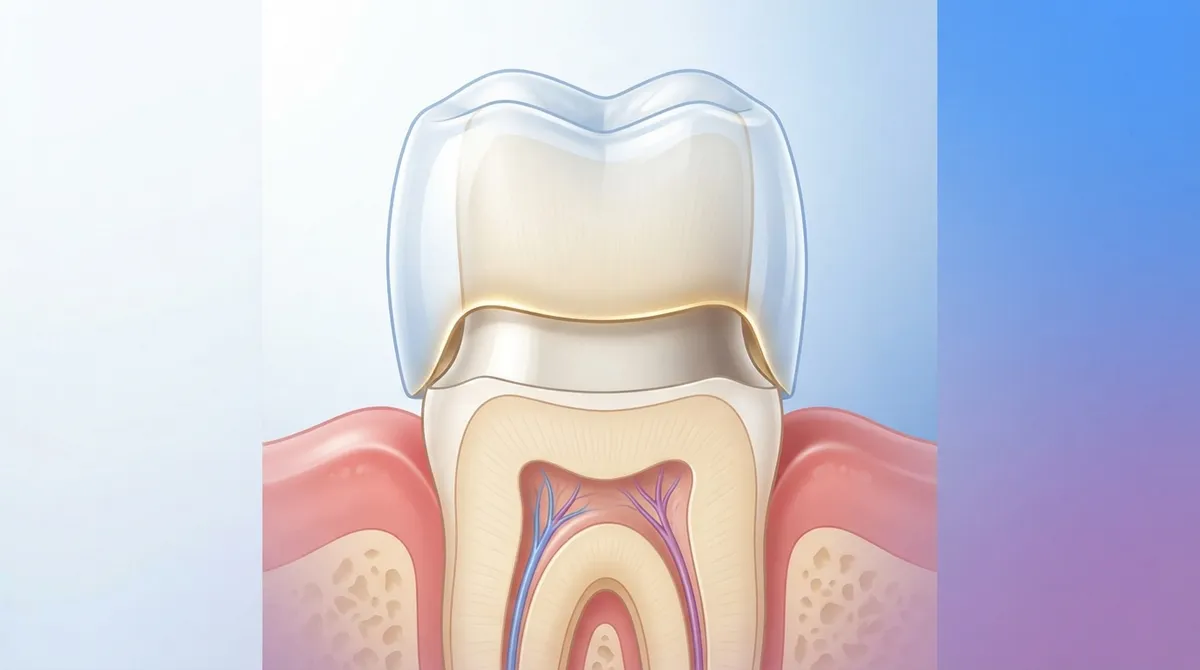
Dentists typically require at least 1.5 to 2 millimeters of healthy tooth structure above the gumline for a successful crown, called the 'ferrule effect,' which provides the grip needed to keep the crown secure and prevent it from cracking or falling off.
-
If insufficient tooth structure remains, Dr. K offers several rebuilding solutions before crown placement: core buildup, post and core for root canal teeth, crown lengthening surgery, or extraction with implant if nothing can be saved.
-
Root canal-treated teeth require extra reinforcement with a post and core buildup before crowning because they become more brittle without a live nerve supply and need additional support to last long-term.
-
Warning signs that your tooth may not qualify for a standard crown include breaks below the gumline, extensive decay, loose or shifting teeth, multiple old fillings, or cracks extending into the root.
-
Same-day ceramic crown technology at Dental Theory allows patients to have their custom crown designed, milled, and placed in a single visit, eliminating temporary crowns and the need for multiple appointments.
-
Before your crown consultation, ask about the amount of remaining natural tooth structure, whether you need a core buildup or post, if same-day placement is possible, crown material options, and the expected lifespan with proper care.
Cracked a tooth and wondering if it can be saved? You’re not alone. One of the most common questions patients ask before a crown procedure is simple: how much natural tooth actually needs to be there? It’s a smart question, and the answer can change your whole treatment plan. At Dental Theory in Brandon, FL, we get this question almost every week from worried patients staring at a chipped or broken tooth.
The good news is that dentists don’t need a perfect tooth to place a crown. In fact, crowns exist specifically to rebuild teeth that have lost significant structure. But there is a limit. Too little healthy tooth left, and a crown alone won’t cut it. Let’s break down exactly how much tooth you need for a crown, what happens when there isn’t enough, and how Dr. K at Dental Theory helps patients in Brandon get back to smiling with confidence.
What Does It Mean to Have “Enough Tooth” for a Crown?
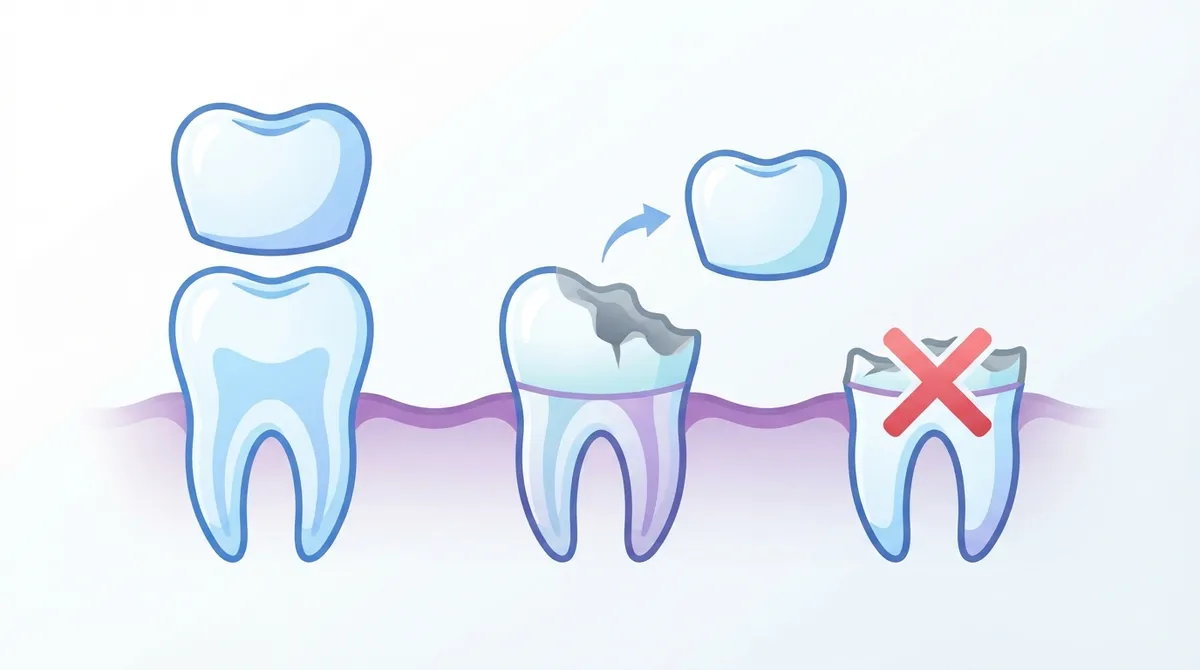
A dental crown is like a cap. It sits over what’s left of your natural tooth and protects it from further damage. But that cap needs something solid to grip onto. Dentists call this remaining structure the “tooth substrate” or simply the base.
Think of it like a tent. The crown is the tent fabric, but you still need tent poles to hold it up. If the poles (your natural tooth) are too short or too weak, the tent collapses no matter how good the fabric is.
The General Rule Dentists Follow
Most dentists look for at least 1.5 to 2 millimeters of healthy tooth structure above the gumline. This is often called the “ferrule effect.” It’s a band of natural tooth that wraps around the crown’s base and holds everything together.
- At least 2mm of tooth height is ideal for a strong ferrule
- The remaining tooth should circle the entire base, not just one side
- Healthy, non-decayed enamel and dentin matter more than just height
- Teeth with root canals often need extra reinforcement due to weaker structure
Why the Ferrule Effect Matters So Much
The ferrule effect is basically your tooth’s natural grip strength. Without it, a crown can crack, loosen, or pop off entirely. We’ve all heard the frustrating story of a crown falling off during dinner. Often, that happens because there wasn’t enough tooth structure to begin with.
If you’re curious about what happens after a crown comes loose, check out our guide on what to do when a crown falls off. It walks through your options step by step.
What Happens If There’s Not Enough Tooth Left?
Sometimes decay or a break takes away too much structure. When that happens, Dr. K has a few tricks to rebuild the foundation before placing a crown.
- Core buildup: A filling-like material rebuilds the missing tooth structure so the crown has something to hold onto
- Post and core: For teeth that had root canals, a small post is placed inside the root to add support
- Crown lengthening: Minor gum surgery exposes more tooth structure above the gumline
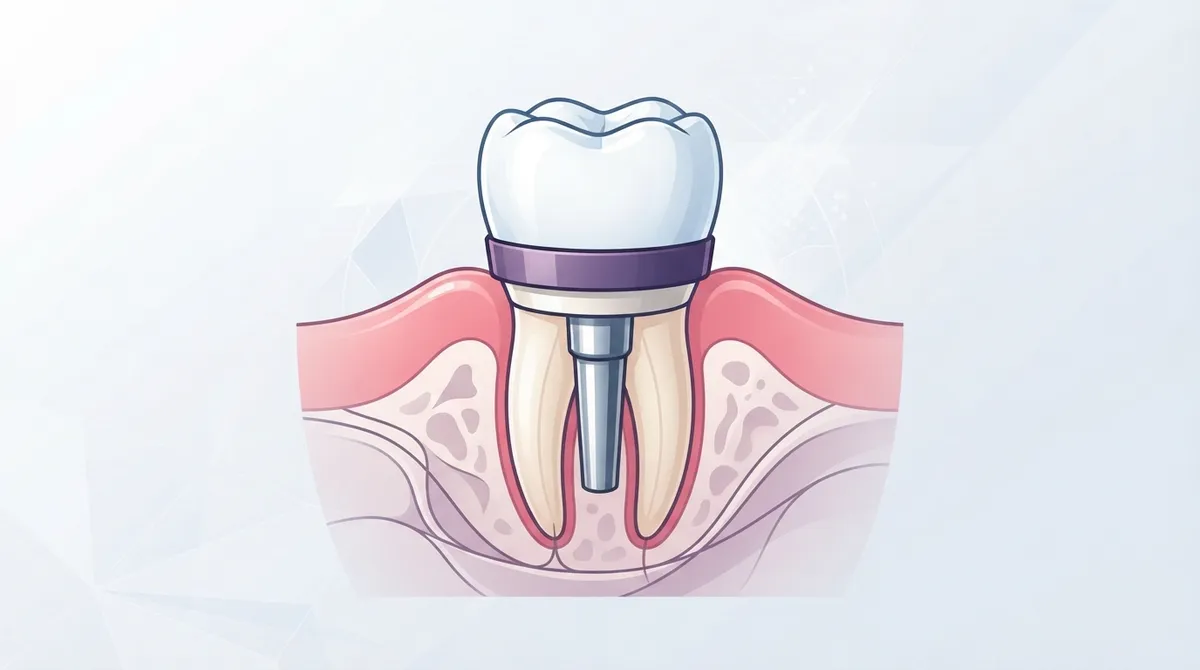
- Extraction and implant: If there’s truly nothing left to save, a dental implant may be the better long-term solution
Every case is different, and Dr. K will walk you through exactly what your tooth needs during your consultation. Learn more about what dental crowns are and when you need them for a deeper dive into the basics.
Signs Your Tooth Might Not Have Enough Structure
How do you know if your tooth is a good candidate for a crown? Here are some warning signs that might mean your tooth needs extra work first.
- The tooth is broken below the gumline
- Large portions of the tooth are dark, soft, or decayed
- You’ve had multiple fillings on the same tooth over the years
- The tooth feels loose or shifts when you bite down
- X-rays show the crack extends into the root
If any of these sound familiar, don’t panic. A quick exam and some digital X-rays can tell us exactly what’s going on. Our digital X-rays give Dr. K a clear picture of what’s happening below the surface.
How Much Tooth Structure Is Needed for Different Crown Situations
Not every crown situation is the same. Here’s a quick breakdown of common scenarios and what they usually require.
| Situation | Tooth Structure Needed | Typical Solution |
|---|---|---|
| Small chip or crack | Most of tooth intact | Standard crown prep |
| Large cavity or old filling | Moderate structure remaining | Core buildup + crown |
| Tooth broke at gumline | Very little structure left | Crown lengthening or post/core |
| Post root canal treatment | Weakened tooth walls | Post and core buildup |
| Fractured below the gum | Little to no usable structure | Extraction and implant discussion |
Same-Day Crowns: A Game Changer for Damaged Teeth
Here’s something that surprises a lot of our Brandon patients. You don’t need to wait weeks for a temporary crown and a second appointment. Dr. K uses advanced technology to design, create, and place your custom ceramic crown all in one visit.
This means less time in the chair, no messy temporary crowns, and no second trip to our office. If you’re comparing your options, our article on same-day crowns versus traditional crowns breaks down exactly why so many patients prefer the same-day route.
Why We Only Use Ceramic Crowns
At Dental Theory, we exclusively use ceramic crowns. They look natural, blend in with your surrounding teeth, and hold up well over time. Unlike some materials that show a dark metal line at the gum, ceramic crowns give you a clean, bright smile that looks like your own teeth.
Steps Dr. K Takes to Prepare Your Tooth for a Crown
Wondering what actually happens during your appointment? Here’s a simple walkthrough of the process.
- Dr. K examines the tooth and takes digital X-rays to check the root and bone
- Any decay or old filling material is removed
- If needed, a core buildup or post is placed to add strength
- The tooth is shaped to create room for the crown
- A digital scan captures the exact shape of your tooth and bite
- Your new ceramic crown is designed and milled right in our office
- The crown is checked for fit, adjusted, and cemented into place
The entire process usually takes just one visit, which is a huge relief for busy families in Brandon. If you want to understand the science behind it, our guide on how dental crowns protect your teeth covers the details.
What If Your Tooth Doesn’t Qualify for a Crown?
Sometimes, despite our best efforts, a tooth simply has too little structure left. This isn’t the end of the road. Dr. K will discuss alternative options with you, including implant-supported restorations.
- Implant-supported crowns for teeth that can’t be saved
- Bridges to replace a missing tooth using neighboring teeth for support
- Extraction followed by a replacement plan tailored to your smile goals
We always aim to save your natural tooth first. But when that’s not possible, we make sure you have a clear, comfortable path forward.
Caring for Your Tooth Before and After a Crown
Whether you’re waiting for your appointment or just got a new crown, a few simple habits go a long way in protecting your investment.
- Avoid chewing on ice or hard candy on the affected tooth
- Keep up with regular teeth cleanings to prevent decay around the crown
- Wear a nightguard if you grind your teeth at night
- Don’t skip your follow-up checkups so we can monitor the crown’s fit
For more tips, check out our article on how long dental crowns last and what you need to know.
Why Brandon Families Trust Dental Theory for Crown Work
Dr. K has built a reputation across Brandon for honest advice and gentle, efficient care. He was even named one of America’s Top Young Dentists in Incisal Edge magazine’s 2025 40 Under 40, a recognition that reflects his skill and dedication to patients. He’s also listed as a Gold+ Invisalign provider, showing his commitment to staying current with the latest dental technology.
Our patients appreciate that we never rush the diagnosis. We take time to explain exactly how much tooth structure you have left and what your best options are. You can read what other patients are saying by checking out Dental Theory on Google, or follow our updates when you visit us on Facebook.
Questions to Ask Before Getting a Crown
Not sure what to ask during your consultation? Here’s a helpful checklist to bring with you.
- How much of my natural tooth is left?
- Will I need a core buildup or post before the crown?
- Can this be done in one visit?
- What material will my crown be made from?
- How long should this crown last with proper care?
Bringing these questions helps you feel informed and confident about your treatment plan.
Ready to Save Your Smile?
If you’re dealing with a cracked, broken, or heavily filled tooth, don’t wait until it gets worse. The sooner Dr. K evaluates your tooth, the more options you’ll likely have. Our same-day ceramic crown technology means you could walk in with a damaged tooth and walk out the same day with a brand new, natural-looking smile.
Ready to find out if your tooth qualifies for a same-day crown? Contact Dental Theory today to schedule your consultation with Dr. K. You can also schedule an appointment online at a time that works for your busy Brandon schedule. We’re here to help you keep your natural smile as long as possible, one tooth at a time.
FAQs
Q: How much tooth do you need for a crown to be successful?
A: Dentists generally look for at least 1.5 to 2 millimeters of healthy tooth structure above the gumline. This creates what’s called a ferrule, which helps the crown grip the tooth securely. If your tooth has less than that, Dr. K may recommend a core buildup or post to add extra support before placing the crown.
Q: Can I still get a crown if my tooth broke at the gumline?
A: It depends on how much healthy structure remains below the surface. Sometimes a small gum procedure called crown lengthening can expose more of the tooth. If there truly isn’t enough left, Dr. K will discuss other options like an implant-supported crown.
Q: Does a root canal weaken the tooth for a crown?
A: Yes, teeth that have had root canals tend to be more brittle since they no longer have a live nerve supply. That’s why we often use a post and core buildup to reinforce the tooth before placing a crown, giving it the strength it needs to last.
Q: How long does it take to get a crown at Dental Theory?
A: Great news, most patients get their ceramic crown in just one visit. Dr. K uses same-day crown technology, so you won’t need a temporary crown or a second appointment weeks later.
Q: What happens if I don’t have enough tooth for a crown?
A: If there’s not enough healthy structure left, we’ll talk through options like implant-supported crowns or bridges. Our goal is always to find the best long-term solution for your smile, even if a traditional crown isn’t possible.
Our Service Area