Key Takeaways
-
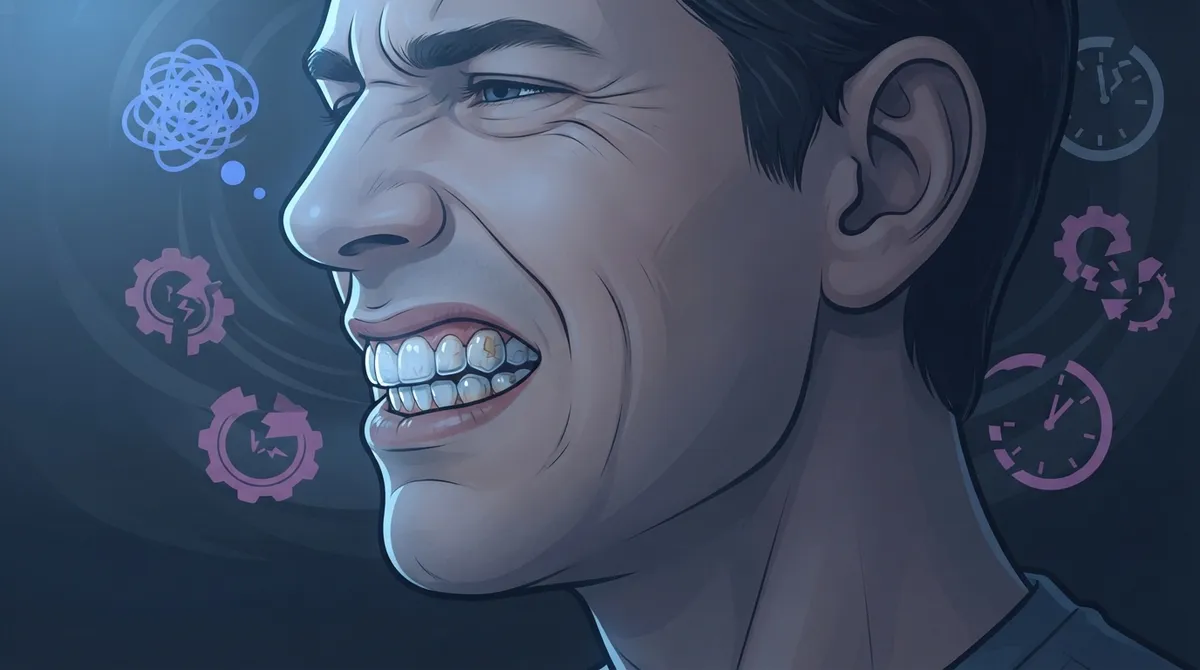
Teeth grinding affects 8-31% of adults and up to 15% of children, making it far more common than most people realize, yet many cases go undiagnosed until a dentist spots damage during routine checkups.
-
Stress and anxiety are the primary triggers for bruxism in adults, followed by sleep disorders like sleep apnea, misaligned teeth, caffeine consumption, and certain medications like antidepressants.
-
Common warning signs include morning jaw soreness, frequent headaches, worn or chipped teeth, increased sensitivity, and jaw clicking sounds—many people don't realize they grind until a partner mentions nighttime grinding noises.
-
Untreated bruxism causes serious dental damage including enamel wear, cracked teeth, TMJ disorder, and damaged dental work, making early detection through regular checkups critical for preventing costly restorative treatment.
-
Custom night guards are the most effective and accessible treatment option, while complementary strategies include stress management, limiting caffeine and alcohol, jaw stretches, and addressing underlying sleep disorders.
-
Most children naturally outgrow teeth grinding as permanent teeth fully erupt, but mentioning it to a pediatric dentist ensures no underlying bite issues or wear patterns need attention.
Ever wake up with a sore jaw or a dull headache and wonder what happened overnight? You might be one of millions of people who grind their teeth without even knowing it. Teeth grinding, also called bruxism, is way more common than most folks realize. It affects kids, teens, and adults across Brandon, Florida, and beyond. In this article, we will break down exactly how common teeth grinding really is, who it affects most, and what you can do about it. If you have been searching for answers about that mysterious jaw pain or worn-down teeth, you are in the right place.
At Dental Theory, we see teeth grinding cases every week. It is one of the most overlooked dental issues out there. Understanding how widespread this condition is can help you feel less alone and more motivated to get it checked out. Let’s dive into the numbers, causes, and solutions.
What Exactly Is Teeth Grinding?
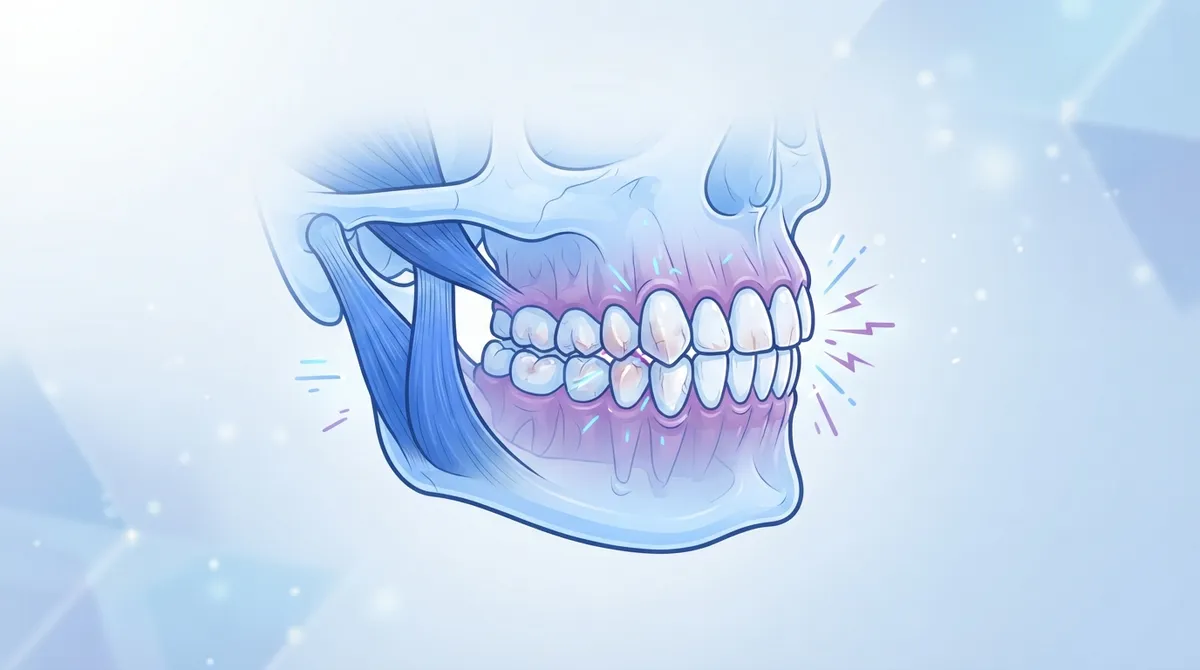
Teeth grinding happens when you clench or grind your teeth together. This often happens during sleep, but it can also happen during the day. Dentists call this condition bruxism. It can wear down your enamel, crack your teeth, and cause jaw pain over time.
Many people do not even know they grind their teeth until a partner mentions the noise or a dentist spots the damage. That is why regular checkups matter so much. Our team at general dentistry visits often catches early signs of grinding before serious damage sets in.
Two Main Types of Bruxism
- Awake bruxism: clenching your jaw during stressful moments, like sitting in traffic or working under a deadline
- Sleep bruxism: grinding your teeth while you sleep, often linked to sleep disorders

How Common Is Teeth Grinding, Really?
Research shows teeth grinding affects a large chunk of the population. Studies estimate that around 8 to 31 percent of adults experience some form of bruxism. That is a wide range because many cases go unreported or undiagnosed.
Here is a simple breakdown of how common teeth grinding is across different age groups:
| Age Group | Estimated Percentage Affected | Common Triggers |
|---|---|---|
| Children (ages 3-12) | Up to 15 percent | Teething, misaligned bite, anxiety |
| Teens | 10 to 20 percent | Stress, orthodontic changes |
| Adults (18-64) | 8 to 31 percent | Stress, anxiety, sleep issues, caffeine |
| Seniors (65+) | 3 to 10 percent | Medication side effects, missing teeth |
These numbers show that bruxism is not rare at all. It touches people at every stage of life, from toddlers to grandparents. If you live in Brandon and think you might be grinding your teeth, you are definitely not alone.
Why Do So Many People Grind Their Teeth?
There is no single cause of bruxism. Instead, it usually comes from a mix of factors. Understanding these triggers can help you figure out your own risk level.
- Stress and anxiety: this is the number one reported cause among adults
- Sleep disorders: conditions like sleep apnea are strongly linked to nighttime grinding
- Misaligned teeth or bite problems: an uneven bite can cause your jaw to work overtime
- Lifestyle habits: smoking, alcohol, and caffeine can increase grinding episodes
- Certain medications: some antidepressants list bruxism as a side effect
- Age and genetics: bruxism can run in families
Kids often grind their teeth as their baby teeth come in or as permanent teeth grow. Most children outgrow it, but it is still worth mentioning to your pediatric dentist just to be safe.
Signs You Might Be Grinding Your Teeth
Since a lot of grinding happens while you sleep, many people do not realize they have a problem. Watch for these common warning signs:
- Waking up with a sore or tight jaw
- Frequent headaches, especially in the morning
- Flattened, chipped, or cracked teeth
- Increased tooth sensitivity
- Jaw clicking or popping sounds
- A partner mentioning grinding noises at night
If any of these sound familiar, it might be time to schedule a checkup. Our team can take a look and let you know if bruxism is behind your symptoms. You can easily schedule an appointment to get things checked out.
How Teeth Grinding Affects Your Oral Health
Bruxism might seem like a small annoyance, but it can lead to serious dental problems over time. The constant pressure and friction wear down tooth enamel faster than normal.
Common Complications From Untreated Grinding
| Problem | What Happens |
|---|---|
| Worn enamel | Teeth become thinner and more sensitive to hot and cold |
| Cracked or chipped teeth | Excess pressure can fracture tooth structure |
| TMJ disorder | Jaw joint pain, clicking, and limited movement |
| Damaged dental work | Fillings, crowns, and bridges may loosen or break |
| Chronic headaches | Jaw muscle tension can trigger tension headaches |
If grinding damages a tooth badly enough, you might need a crown to protect it. Dr. K offers Same-Day Crowns at Dental Theory, so you never have to wait around or come back for a second visit. Learn more about our same-day crowns benefits and process if grinding has already caused some damage.
How Is Teeth Grinding Diagnosed?
Diagnosing bruxism usually starts with a simple conversation and a dental exam. Here is what the process typically looks like:
- Your dentist asks about symptoms like jaw pain, headaches, or sleep quality
- A visual exam checks for worn, flattened, or chipped teeth
- Your dentist may check your jaw muscles for tenderness
- In some cases, a sleep study may be recommended to rule out sleep apnea
- X-rays might be used to check for deeper damage
Regular comprehensive exams are one of the best ways to catch bruxism early, before it causes lasting damage to your smile.
Treatment Options for Teeth Grinding
The good news is that bruxism is very treatable. Your dentist will pick a plan based on the cause and severity of your grinding.
Popular Solutions Include
- Custom night guards to protect teeth during sleep
- Stress management techniques like meditation or exercise
- Correcting bite alignment issues
- Treating underlying sleep disorders
- Cutting back on caffeine and alcohol before bed
- Restorative treatments like crowns, veneers, or bridges for damaged teeth
A custom night guard is often the simplest fix. It creates a barrier between your upper and lower teeth, protecting them from further wear. Many Brandon patients find major relief just from wearing one at night.
Teeth Grinding in Children
Parents often worry when they hear their child grinding their teeth at night. The sound can be alarming, but it is usually not a huge concern in young kids. Most children grow out of it as their permanent teeth come in fully.
Still, it is smart to mention it during your child’s dental visits. Dr. Pri, our board-certified pediatric dentist, can check for any bite issues or wear patterns that need attention. She is uniquely qualified to spot early warning signs and offer gentle, compassionate guidance for anxious or nervous kids. If your child needs extra support during visits, Dr. Pri also offers in-office sedation to make things easier for anxious patients right here in Brandon.
When Should You See a Dentist About Grinding?
Not every case of bruxism needs immediate treatment, but some signs mean you should not wait. Here is a quick checklist:
- You notice visible wear or chips on your teeth
- Jaw pain lasts more than a few days
- Headaches happen almost every morning
- Your partner says grinding noises are keeping them awake
- A filling or crown feels loose or cracked
If any of these apply to you, it is time to reach out. Our friendly team makes it easy to get answers fast. You can also read what real patients say by checking Dental Theory reviews, or visit us on Google — Dental Theory to see what our neighbors in Brandon are saying.
Simple Habits That May Reduce Grinding
While professional treatment is important, small daily habits can also help reduce grinding episodes. Try adding a few of these into your routine:
- Practice relaxation exercises before bed
- Avoid chewing gum, which can overwork jaw muscles
- Limit caffeine in the afternoon and evening
- Apply a warm washcloth to your jaw to ease tension
- Stay consistent with a calming bedtime routine
These small changes will not cure severe bruxism on their own, but they can make a real difference alongside professional care.
Why Choose Dental Theory for Bruxism Care
Dental Theory has become a trusted name for families across Brandon, Florida, thanks to our friendly, tech-forward approach. Whether you need a night guard, a same-day crown, or just peace of mind, our team is here to help. We also share helpful tips and updates through our page, so feel free to visit us on Facebook to stay connected.
Dr. Chris Karapasha, known to patients as Dr. K, brings serious expertise to adult and cosmetic dentistry. In fact, Dr. Chris Karapasha has been named one of America’s Top Young Dentists in Incisal Edge magazine’s 2025 40 Under 40, a recognition that reflects his dedication to patient care. He is also recognized on the Dr. K’s Gold+ Invisalign Profile, showing his commitment to advanced, modern dental solutions.
For families dealing with a broader range of home comfort needs, local partners like BluHalo also serve the Brandon community with quality service and care, much like we strive to do here at Dental Theory.
Final Thoughts on Teeth Grinding
So, how common is teeth grinding? The answer is simple: very common. It affects children, teens, adults, and seniors across every walk of life. The good news is that it is manageable once you know the signs and get the right care.
Do not let jaw pain, headaches, or worn teeth control your daily life. Our team at Dental Theory is ready to help you find relief with personalized, comfortable care. Whether you need a custom night guard, a same-day crown, or a full checkup, we have got you covered right here in Brandon. Reach out today to contact Dental Theory and take the first step toward a healthier, pain-free smile.
FAQs
Q: How common is teeth grinding in adults?
A: Teeth grinding is surprisingly common in adults, with studies showing anywhere from 8 to 31 percent of adults dealing with it. Stress, sleep issues, and lifestyle habits all play a role. If you think you might be one of them, our friendly team at Dental Theory is happy to take a look.
Q: Can children really grind their teeth too?
A: Yes, teeth grinding is quite common in kids, especially as their teeth come in. Most children outgrow it naturally, but it is still worth mentioning to Dr. Pri during a checkup just to be safe. She has the experience to spot any early warning signs.
Q: What are the most common signs of teeth grinding?
A: The most common signs include morning jaw pain, headaches, and worn or flattened teeth. Some people also notice tooth sensitivity or hear clicking sounds in their jaw. If these sound familiar, it might be time to get checked out.
Q: Is teeth grinding something I should worry about?
A: In small amounts, occasional grinding usually is not a big deal. But frequent or severe grinding can wear down enamel and even crack teeth over time. It is always better to catch it early with a simple dental visit.
Q: What treatments help stop teeth grinding?
A: Custom night guards are one of the most popular and effective solutions for nighttime grinding. Stress management, bite correction, and treating sleep issues can also help. Our team can walk you through the best option for your specific situation.
Our Service Area