Key Takeaways
-
A misaligned bite forces your jaw joint to work overtime, causing inflammation and pain over time; fixing the bite through orthodontics or restorative work often brings lasting relief.
-
Common warning signs of bite-related TMJ issues include clicking or popping sounds, morning headaches, jaw locking, and unexplained neck pain that may seem unrelated to your teeth.
-
Teeth grinding (bruxism) often accompanies bite problems as your brain tries to find a comfortable jaw position at night, wearing down enamel and adding stress to the TMJ joint.
-
Invisalign and orthodontic treatment address the root cause of TMJ pain by gradually shifting teeth into proper alignment, reducing pressure on the jaw joint over months.
-
Children can develop early TMJ strain from severe bite problems or clenching habits; catching these issues during routine checkups prevents years of discomfort later.
-
Treatment options range from conservative approaches like custom night guards and jaw exercises to more involved solutions including orthodontics or same-day ceramic crowns, depending on severity.
Does your jaw click when you chew? Do you wake up with headaches or a sore jaw for no clear reason? You might be dealing with more than just a bad night’s sleep. A bad bite or misaligned teeth could be the hidden cause behind your jaw pain. This is a question we hear often at our Brandon, FL dental office, and the answer is yes. Your bite and your jaw joint are more connected than most people realize.
In this article, we will break down exactly how a misaligned bite leads to TMJ trouble. We will also cover warning signs, treatment options, and how families in Brandon can find relief. Whether you are an adult with years of jaw discomfort or a parent watching your child grind their teeth at night, this guide is for you.
What Is TMJ and Why Does Your Bite Matter
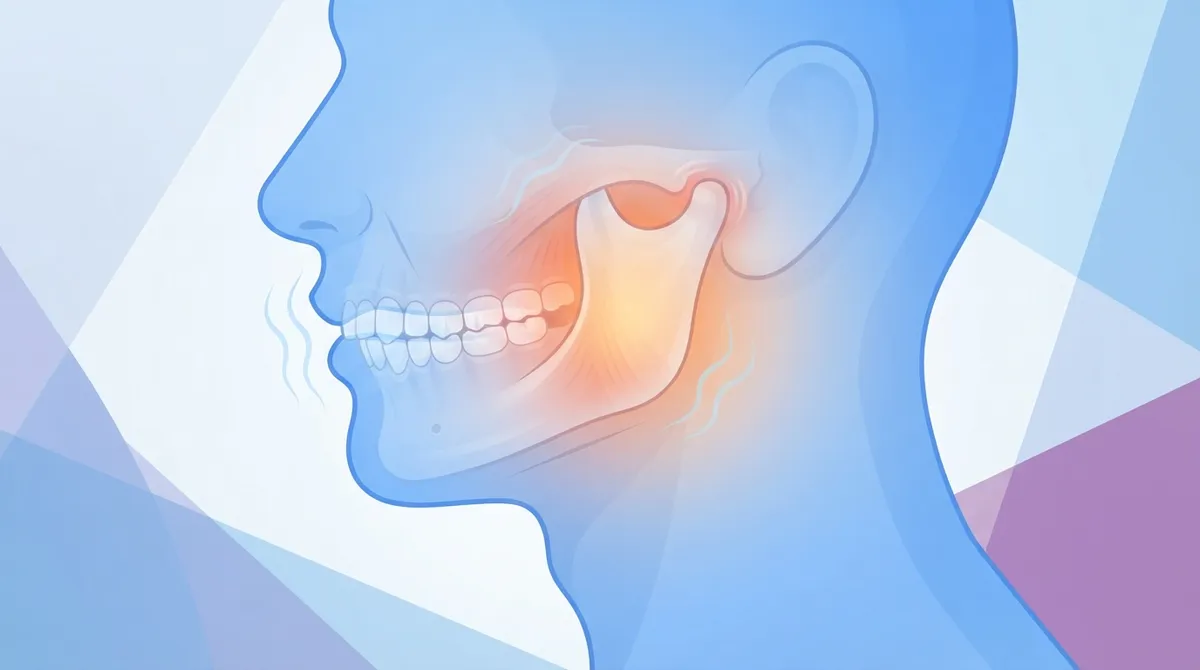
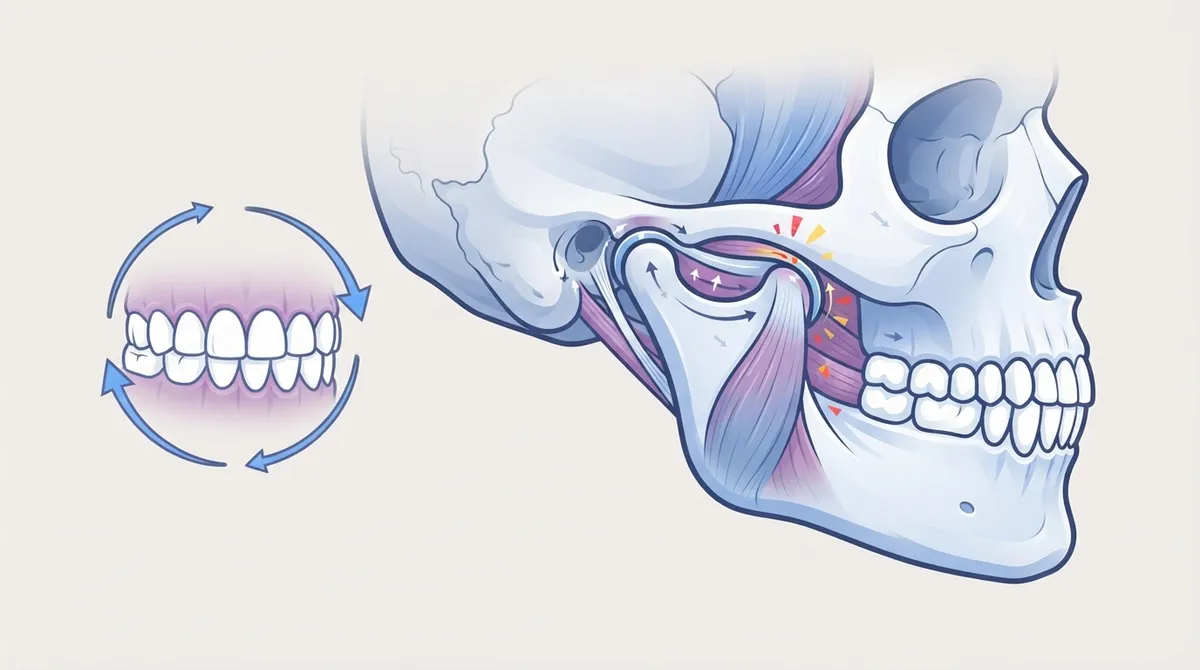
TMJ stands for temporomandibular joint. This is the hinge that connects your jawbone to your skull. You have one on each side of your face, right in front of your ears. These joints let you talk, chew, and yawn without thinking twice.
When something throws off how your teeth meet, your jaw joint often takes the hit. Think of your bite like the foundation of a house. If the foundation is uneven, everything built on top of it feels the strain. Your jaw muscles and joints work overtime trying to make up for the imbalance.
How a Bad Bite Creates Joint Stress
A bad bite, also called malocclusion, means your upper and lower teeth do not line up the way they should. This can happen in a few different ways:
- Overbite, where upper teeth stick out too far over lower teeth
- Underbite, where the lower jaw juts out past the upper teeth
- Crossbite, where some upper teeth sit inside the lower teeth
- Open bite, where front teeth do not touch when the mouth is closed
- Crowded or gapped teeth that shift your bite pattern
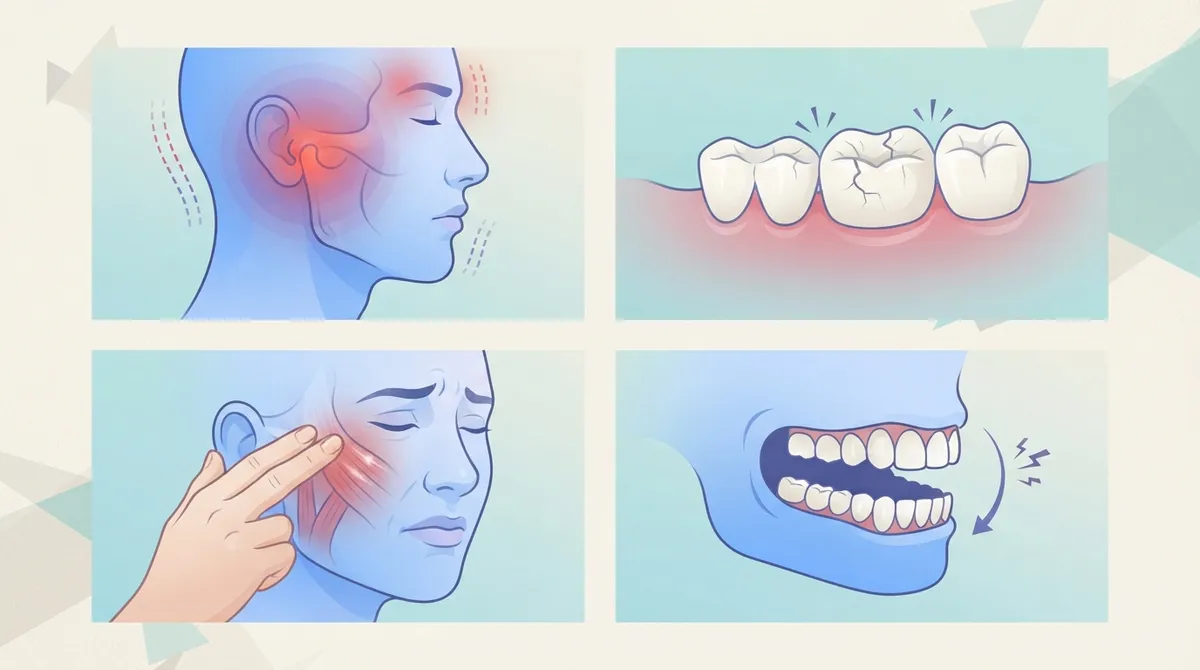
Any of these issues can force your jaw into an unnatural position. Over time, this puts pressure on the TMJ joint. That pressure can lead to inflammation, pain, and even joint damage if left untreated.
Signs Your Bite Might Be Causing TMJ Problems
Many patients do not connect their jaw pain to their teeth alignment at first. Here are common symptoms that suggest a bite problem is behind your TMJ discomfort:
- Popping, clicking, or grinding sounds when opening or closing your mouth
- Pain or tenderness in the jaw, face, or around the ears
- Frequent headaches, especially in the morning
- Difficulty opening your mouth fully or jaw locking
- Teeth grinding or clenching, especially during sleep
- Neck and shoulder pain that seems unrelated to your teeth
- Uneven wear on certain teeth from constant grinding
If you notice several of these signs together, it is worth getting checked out. Our team at Dental Theory can take a close look and figure out what is really going on with your bite and jaw health.
The Grinding Connection
Bruxism, or teeth grinding, often goes hand in hand with bite problems. When teeth do not fit together properly, your brain may try to find a more comfortable position by shifting your jaw. This shifting often happens at night without you knowing it. Over months and years, this grinding wears down enamel and adds even more stress to your TMJ.
How Dentists Diagnose Bite-Related TMJ Issues
Getting the right diagnosis is the first step toward feeling better. During your visit, a dentist will typically look at several things to understand your situation fully.
| Diagnostic Step | What It Shows |
|---|---|
| Visual bite exam | How your upper and lower teeth meet |
| Jaw movement test | Range of motion and any clicking or locking |
| Digital X-rays | Joint structure and bone alignment |
| Muscle palpation | Tension or tenderness in jaw muscles |
| Patient history review | Headaches, grinding habits, and pain patterns |
Our office uses digital X-rays to get a clear picture of what is happening beneath the surface. This helps us catch bite issues early, before they turn into bigger problems. A thorough comprehensive exam is always the starting point for any TMJ concern.
Treatment Options for Bite-Related TMJ Pain
The good news is that TMJ pain caused by a bad bite is very treatable. The right approach depends on how severe your case is and what is causing the misalignment in the first place.
Conservative Treatments
For many patients, simple steps can bring real relief. These options are usually tried first because they are gentle and non-invasive:
- Custom night guards to reduce grinding and clenching
- Jaw exercises to build strength and flexibility
- Warm compresses to ease muscle tension
- Avoiding hard or chewy foods during flare-ups
- Stress management techniques to reduce clenching triggers
Bite Correction Options
When the bite itself needs adjusting, our dentists have several tools available. Orthodontic treatment is often the most effective long-term fix because it addresses the root cause rather than just the symptoms. You can learn more about the orthodontic options available in Brandon, FL to see what might fit your needs.
Invisalign is a popular choice for adults who want to fix their bite without traditional metal braces. This clear aligner system gradually shifts teeth into proper position, which can relieve pressure on the jaw joint over time. Dr. K holds a Gold+ status, and you can view Dr. K’s Gold+ Invisalign Profile to learn about his experience with this treatment. If you are curious about what the process looks like from start to finish, check out our guide on the final stages of Invisalign treatment.
Restorative Dental Work
Sometimes bite problems come from damaged, worn, or missing teeth rather than crooked teeth. In these cases, restorative dentistry can help even out your bite. Dental Theory offers same-day ceramic crowns, so patients never have to wait through multiple appointments to fix an uneven tooth. You can read more about how same-day crowns work and why they are such a convenient option for busy families.
If you already have crowns and are wondering how they hold up over time, our article on how long dental crowns last covers everything you need to know. For patients who have lost teeth entirely, replacing them with implant supported crowns can restore a natural, even bite.
Specialty TMJ Care at Dental Theory
For more complex cases, specialized TMJ rehabilitation may be needed. This type of treatment focuses directly on restoring healthy jaw function and reducing chronic pain. Our practice offers dedicated TMJ rehabilitation services designed to address both the joint and the underlying bite issue causing it.
We often see a close relationship between TMJ disorders and teeth grinding, which can make nighttime symptoms worse. If you want to understand this connection better, our piece on understanding TMJ and bruxism breaks it down in simple terms.
Why Local Care Matters
TMJ treatment is not a one-size-fits-all process. It takes an experienced dentist who can look at your unique bite pattern and build a plan around it. Brandon families trust our office because we take time to explain what is happening and why, rather than rushing through appointments.
Numbered steps we typically follow when treating bite-related TMJ pain include:
- Complete oral exam and bite analysis
- Digital imaging to assess joint and bone structure
- Discussion of symptoms, habits, and daily pain triggers
- Custom treatment plan, which may include a night guard, orthodontics, or restorative work
- Follow-up visits to track progress and adjust treatment as needed
Can Children Develop TMJ Issues Too?
Yes, though it is less common than in adults. Children with severe bite problems or a habit of clenching their teeth can develop early signs of TMJ strain. Catching these issues young often makes treatment easier and faster.
Parents should watch for these signs in kids:
- Complaints of jaw or ear pain
- Trouble chewing certain foods
- Clicking sounds when opening the mouth wide
- Visible teeth grinding during sleep
- Frequent headaches without another clear cause
Dr. Pri specializes in pediatric care and understands how to spot these early warning signs during routine checkups. Early intervention can prevent years of discomfort down the road.
Comparing Treatment Approaches
| Treatment | Best For | Timeline |
|---|---|---|
| Night guard | Mild grinding and clenching | Immediate relief, ongoing use |
| Invisalign | Misaligned teeth causing bite issues | Several months to a year or more |
| Same-day ceramic crowns | Uneven or damaged teeth | Completed in one visit |
| TMJ rehabilitation | Chronic jaw pain and joint dysfunction | Ongoing, personalized plan |
Every patient is different, so the right combination of treatments depends on your specific bite and symptoms. That is why a proper evaluation matters so much before starting any plan.
Taking the Next Step Toward Relief
Living with jaw pain, headaches, or grinding teeth does not have to be your normal. A bad bite or misaligned teeth can absolutely lead to TMJ issues, but the right care can turn things around. Our team blends modern technology with a friendly, stress-free approach so you feel comfortable every step of the way.
Many of our patients find working with a trusted local team, alongside resources like SEO Rocket for finding quality local businesses online, makes the search for reliable dental care much easier. We are proud to serve the Brandon community and want to help you find lasting relief from jaw pain.
Curious what other patients say about their experience? Feel free to visit us on Google — Dental Theory to see reviews from real patients in Brandon. You can also visit us on Facebook to stay updated on our latest services and community involvement. Dr. Chris Karapasha has even been recognized for his work, as noted when Dr. Chris Karapasha was named one of America’s Top Young Dentists in Incisal Edge magazine’s 2025 40 Under 40.
According to the National Institute of Dental and Craniofacial Research, TMJ disorders affect millions of Americans, and proper diagnosis is key to effective treatment. Understanding the science behind your symptoms helps you make informed decisions about your care.
If jaw pain, clicking, or headaches have been bothering you or your child, do not wait for things to get worse. Reach out today to contact Dental Theory and schedule an evaluation. Our friendly Brandon team is ready to help you find the comfort and relief you deserve. You can also schedule an appointment online at a time that works for your busy schedule.
FAQs
Q: Can a bad bite or misaligned teeth really cause TMJ pain?
A: Yes, absolutely! When your teeth do not line up right, your jaw muscles and joints have to work extra hard to compensate. Over time, this added strain can lead to real TMJ pain, clicking, and discomfort. The good news is that fixing the bite often brings lasting relief.
Q: What are the first signs that my bite might be affecting my jaw?
A: Watch for clicking or popping sounds, morning headaches, and jaw soreness. Many folks also notice trouble opening their mouth wide or unexplained neck pain. If any of these sound familiar, it is worth having your bite checked out by a dentist.
Q: Can Invisalign help fix TMJ problems caused by misaligned teeth?
A: In many cases, yes! Invisalign gradually shifts your teeth into a healthier position, which can ease the pressure on your jaw joint. Dr. K has helped many patients in Brandon use Invisalign to correct bite issues tied to their TMJ discomfort.
Q: Is TMJ pain in children something to worry about?
A: It can be, especially if your child grinds their teeth or complains of jaw pain often. Catching bite issues early makes treatment much simpler down the road. Dr. Pri is wonderful at spotting these signs during routine pediatric visits.
Q: How do I know if I need a night guard or something more involved like braces?
A: That really depends on how severe your bite issue is and what is causing your symptoms. A night guard helps with mild grinding, but crooked teeth may need orthodontic correction for lasting results. The best way to know for sure is to schedule a full evaluation with our team.
Our Service Area