Key Takeaways
-
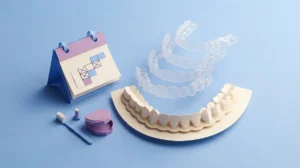
Yes, you must wear a retainer forever in most cases because teeth ligaments naturally pull teeth back to their original positions, a process called orthodontic relapse that happens throughout your entire life.
-
Teeth can shift noticeably within weeks to months without a retainer, with some movement visible in the first few days and significant relapse possible within one year if you stop wearing it.
-
Different retainer types have varying lifespans: clear plastic retainers last 1-2 years, Hawley retainers last 3-5 years, and fixed retainers last 5-10+ years, requiring replacement and ongoing care.
-
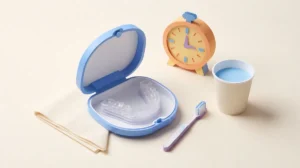
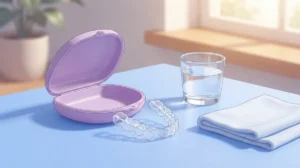
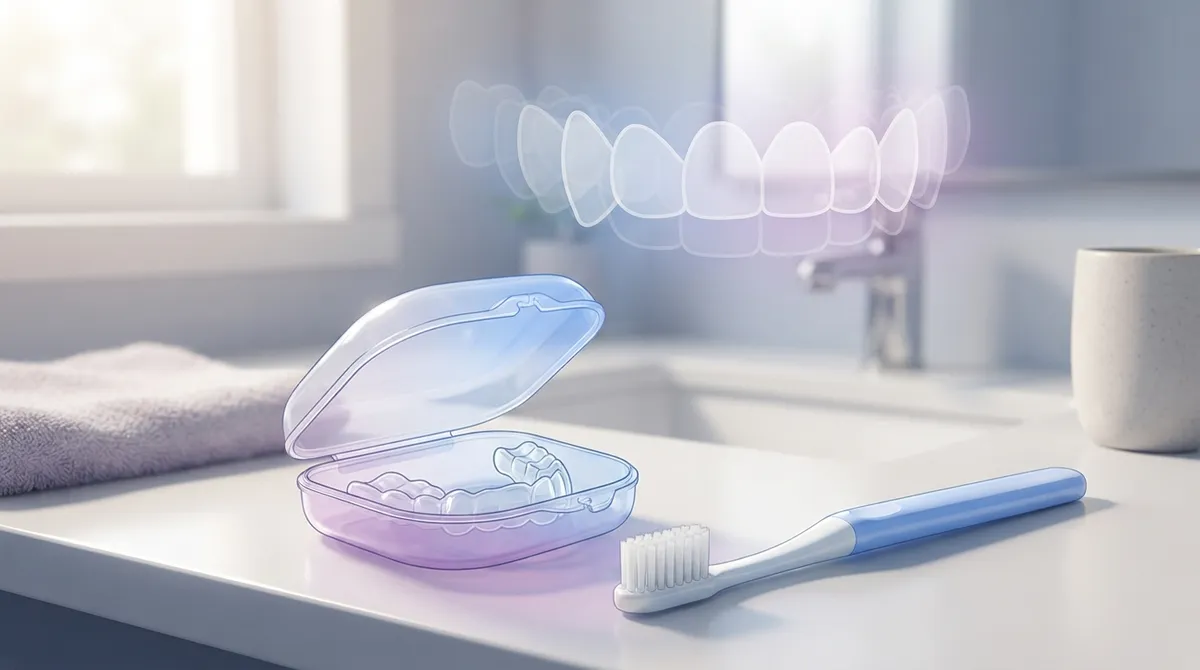
Make retainer wear automatic by keeping your case next to your toothbrush, cleaning daily with soft brush and lukewarm water, and storing safely when eating to prevent damage.
-
Signs your retainer isn't working include feeling tight or hard to insert, visible gaps forming, a different bite, cracks or cloudiness, and teeth shifting when you smile—call your dentist immediately if you notice these.
-
If you already stopped wearing your retainer, don't panic; schedule a checkup to measure shifting, try your old retainer carefully, and discuss options like a replacement retainer or clear aligners to get back on track.
So you finally finished your Invisalign treatment. Your smile looks amazing, and you’re ready to show it off everywhere you go. Then your dentist hands you a retainer and says, “Wear this every night.” Your first thought is probably, “Wait, forever?” You’re not alone in asking this question. It’s one of the most common things patients ask right after finishing orthodontic treatment.
The short answer is yes, in most cases you do need to wear a retainer forever. But don’t panic. It’s not as intense as it sounds, and we’re going to break down exactly why this matters and how to make it easy. Whether you’re a Brandon parent whose teen just finished braces or an adult who invested in a straighter smile, this guide will clear up the confusion once and for all.
Why Your Teeth Want to Move Back
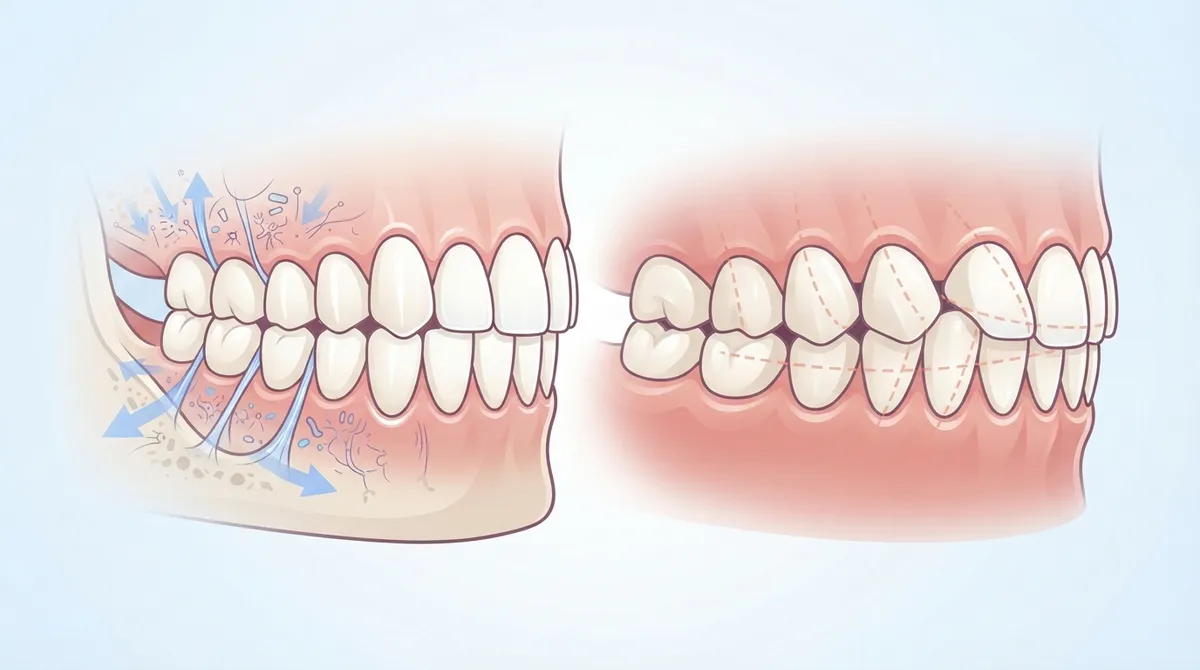
Your teeth are not glued in place. They sit in bone and are held by tiny fibers called ligaments. These fibers act like little rubber bands connecting your teeth to your jawbone. When you get braces or Invisalign, your teeth shift into a new, straighter position.
But here’s the thing. Those little ligament fibers remember where your teeth used to be. They keep pulling, ever so slightly, trying to bring your teeth back to their old spot. Dentists call this natural process “orthodontic relapse.” It’s not a flaw in your treatment. It’s just how the human body works.
Aging also plays a role. As we get older, our jawbones and gum tissue change shape slowly over time. This can cause teeth to shift even if you never had orthodontic work done. A retainer helps fight against both of these natural forces.
What Happens If You Stop Wearing Your Retainer
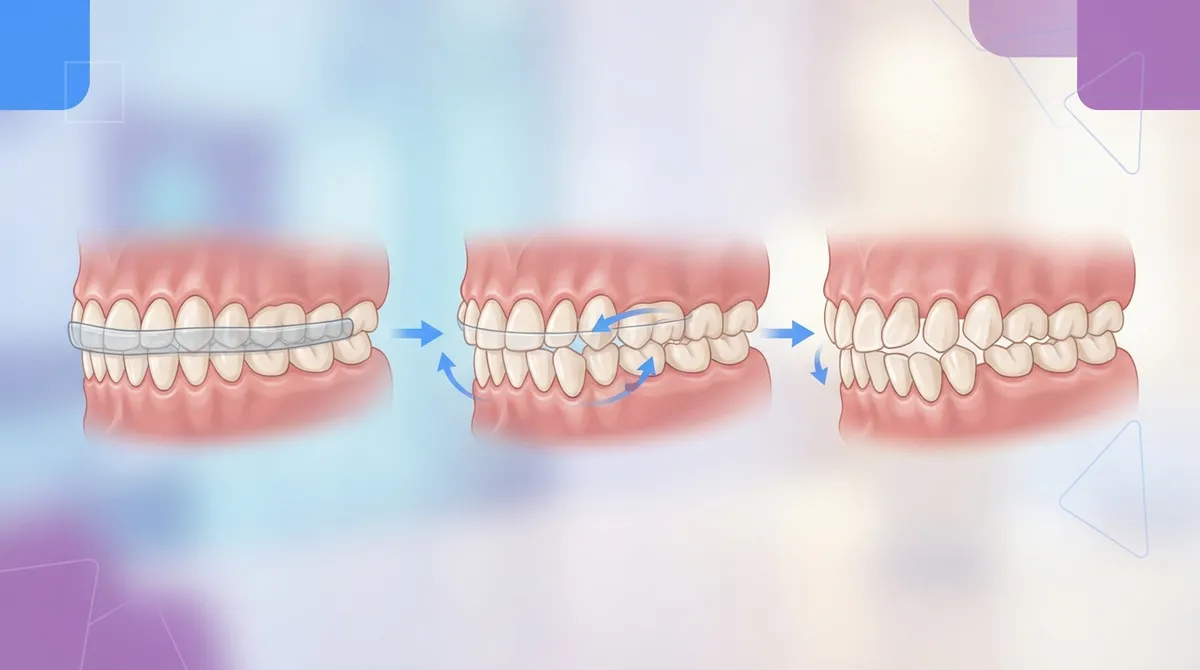
Many patients wonder what actually happens if they just stop wearing their retainer one day. The results vary from person to person, but here’s a general timeline of what dentists commonly see.
- First few days: Your retainer might feel tight if you put it back in after skipping a few nights. This is often the first sign teeth have already started to shift.
- First few weeks: Small gaps or slight crowding can begin to appear, especially in the front lower teeth.
- First few months: Noticeable shifting can occur, sometimes enough that old bite issues start coming back.
- One year or more: Teeth may move close to, or all the way back to, their original crooked positions.
This is why dentists stress consistency so much. A relapse can undo months or years of hard work in a surprisingly short amount of time. If you want a deeper look at how fast this can happen, check out our guide on how fast teeth shift without a retainer.
Types of Retainers and How Long You Wear Each One
Not all retainers are the same, and how long you need to wear them can depend on the type you have. Let’s break down the most common options.
| Retainer Type | Material | Typical Wear Schedule | Lifespan |
|---|---|---|---|
| Clear plastic (Essix) | Clear thermoplastic | Full-time first months, then nights only | 1-2 years |
| Hawley retainer | Acrylic and metal wire | Full-time first months, then nights only | 3-5 years |
| Fixed (permanent) retainer | Thin metal wire | Worn 24/7, cannot remove | 5-10+ years |
| Invisalign Vivera retainer | Clear thermoplastic | Full-time first months, then nights only | 1-2 years |
If you’re curious about switching between retainer types, we have a helpful article on switching retainer types after Invisalign. And if you’re weighing costs, our post on retainer costs after Invisalign can help you plan your budget.
How to Make Retainer Wear Part of Your Routine
The good news is that wearing a retainer forever doesn’t mean it has to feel like a chore. Most patients find it becomes second nature within a few weeks. Here are some simple steps to make it stick.
- Keep your retainer case next to your toothbrush so you see it every night.
- Clean your retainer daily with a soft brush and lukewarm water.
- Never use hot water, since it can warp clear plastic retainers.
- Bring your retainer to checkups so your dentist can check the fit.
- Replace your retainer right away if it cracks, breaks, or feels loose.
- Store it safely when eating so pets or trash cans don’t destroy it.
A little bit of daily care goes a long way in protecting your investment. Our team at Dental Theory in Brandon often reminds patients that a retainer is like a seatbelt for your smile. You don’t wear a seatbelt because you expect a crash. You wear it just in case.
Signs Your Retainer Isn’t Working Anymore
Sometimes a retainer stops doing its job, even if you’re wearing it every night. Knowing the warning signs can help you catch problems early.
- Your retainer feels tight or hard to snap into place
- You notice gaps forming between your front teeth
- Your bite feels different than it used to
- The retainer looks cracked, cloudy, or warped
- You can see visible shifting when you smile in the mirror
If you spot any of these signs, don’t wait around. Reach out and contact Dental Theory so we can check your smile and get you back on track quickly.
Fixed vs. Removable Retainers: Which Lasts Longer
One question we hear a lot is whether a fixed retainer means you’re finally “done” with retainer duty. Not quite. Fixed retainers still need care and can still break or come loose over time.
| Feature | Fixed Retainer | Removable Retainer |
|---|---|---|
| Can you take it out? | No | Yes |
| Risk of forgetting to wear it | None | Higher, since it’s easy to skip |
| Cleaning difficulty | Harder, needs floss threaders | Easier, just brush and rinse |
| Can break or detach | Yes, especially from hard foods | Yes, if dropped or bitten |
| Best for | Front lower or upper teeth | Full arch stability |
Many patients actually use both types together for the best results. Curious about the differences in how long each lasts? We cover this in detail in our article on fixed retainer vs removable durability mistakes to avoid.
Why Dental Theory Recommends Lifetime Retainer Wear
At Dental Theory in Brandon, FL, we believe your smile deserves to last as long as you do. That’s why we always talk with our patients honestly about what happens after braces or Invisalign treatment ends. We don’t just hand you a retainer and send you on your way. We explain exactly why it matters and how to keep your smile looking its best for years to come.
Our team understands that life gets busy. Kids grow up, work gets hectic, and sometimes that nightly retainer routine slips. That’s okay. We’re here to help you get back on track without judgment, whether that means a replacement retainer or a quick checkup to see how your smile is holding up.
Curious what our patients think? You can visit us on Facebook to see real stories from Brandon families, or visit us on Google — Dental Theory to read reviews from patients just like you.
What If You Already Skipped Your Retainer for a While
Life happens. Maybe your retainer got lost during a move, or you simply forgot to wear it for a few months. If this sounds like you, don’t panic and don’t feel embarrassed. This is more common than you think.
Here’s what we recommend doing next.
- Try your old retainer to see if it still fits comfortably.
- If it feels tight or won’t snap in, stop forcing it and call your dentist.
- Schedule a checkup so we can measure how much shifting has happened.
- Discuss options like a new retainer or possibly a round of clear aligners.
- Get back into a nightly routine as soon as possible to stop further movement.
According to the American Dental Association, orthodontic relapse is a well-documented and common issue, which is exactly why lifelong retainer wear is the standard recommendation among dental professionals.
Retainer Wear for Kids vs. Adults
Retainer needs can look a little different depending on your age. Growing kids and teens often need closer monitoring since their jaws are still developing. Adults, on the other hand, are usually dealing with fully grown bone structure, but that doesn’t mean their teeth are immune to shifting.
- Kids and teens may need retainer adjustments as new teeth come in
- Adults often see faster relapse if retainer wear stops completely
- Both age groups benefit from nightly wear long after treatment ends
- Wisdom teeth can sometimes push front teeth, making retainers even more important
If your child just finished orthodontic treatment, our guide on signs of a broken retainer and teeth relapse is a great resource to bookmark.
Common Myths About Retainers
There’s a lot of misinformation floating around about retainers. Let’s clear up a few of the biggest myths we hear at our Brandon office.
- Myth: “I only need to wear it for a year.” Truth: most relapse happens gradually over many years, not just the first twelve months.
- Myth: “My teeth are permanently straight now.” Truth: teeth can shift throughout your entire life, even without braces.
- Myth: “A fixed retainer means I never have to think about it again.” Truth: fixed retainers still need regular checkups and cleaning.
- Myth: “If my teeth look fine, I can stop wearing my retainer.” Truth: shifting often starts on the inside before it’s visible.
Making Retainer Care Part of Your Family’s Dental Routine
If you’re a busy Brandon parent juggling multiple kids with different dental needs, keeping track of retainers can feel like one more thing on your plate. The good news is that building it into your family’s nightly routine, right alongside brushing and flossing, makes it much easier to stick with long term.
Our practice offers comprehensive general dentistry services for the whole family, so you can handle checkups, cleanings, and retainer questions all in one visit. We also offer Invisalign treatment for both teens and adults who want straighter smiles without traditional metal braces.
Dr. Chris Karapasha, known to patients as Dr. K, has helped countless Brandon patients achieve lasting results with Invisalign. His expertise has even earned him recognition, as Dr. Chris Karapasha has been named one of America’s Top Young Dentists in Incisal Edge magazine’s 2025 40 Under 40. You can also view his professional credentials on his Dr. K’s Gold+ Invisalign Profile.
Quick Recap: Retainer Wear Timeline
- First 3-6 months after treatment: wear full-time, removing only to eat and clean your teeth
- Months 6-12: transition to nighttime wear only, as directed by your dentist
- Year one and beyond: continue nightly wear indefinitely to prevent relapse
- Ongoing: bring your retainer to every dental checkup for a quick fit check
This simple timeline is the standard most dentists follow, though your specific case may vary slightly based on your treatment and bite.
Ready to Protect Your Smile for Good
So, do you have to wear a retainer forever? For most patients, the honest answer is yes. But that’s actually good news. It means the beautiful, straight smile you worked so hard for can last a lifetime with just a small nightly habit. Think of it less as a burden and more as simple maintenance, kind of like changing the oil in your car to keep it running smoothly for years.
If your retainer feels off, got lost, or you simply have questions about what comes next, our friendly team at Dental Theory is here to help. We proudly serve Brandon families of all ages with honest advice and gentle care. Ready to keep your smile looking its best? Contact Dental Theory today to schedule your retainer checkup, or schedule an appointment online at a time that works for you. Your smile deserves to last, and we’re here to help make that happen.
FAQs
Q: Do you really have to wear a retainer forever after Invisalign?
A: In most cases, yes! Your teeth naturally want to shift back over time, so nightly retainer wear helps keep your smile exactly where you worked so hard to put it. Think of it as a small nightly habit that protects a lifetime of results.
Q: What happens if I stop wearing my retainer for a few weeks?
A: Your teeth can start shifting surprisingly fast, sometimes within days or weeks. If your retainer suddenly feels tight, that’s usually your first sign it’s time to reach out to your dentist right away.
Q: Can I switch from a full-time retainer to only wearing it at night?
A: Yes, most patients transition to nighttime-only wear after the first several months. Your dentist will let you know exactly when it’s safe to make that switch based on how stable your teeth are.
Q: How long does a retainer actually last before I need a new one?
A: It depends on the type, but most removable retainers last one to five years with proper care. Fixed retainers can last much longer, though they still need regular checkups to make sure everything stays secure.
Q: Is it too late to fix my smile if I already stopped wearing my retainer?
A: It’s almost never too late! Many patients come back after a break from their retainer, and we’re always happy to help. Simply contact Dental Theory and we’ll check your smile and figure out the best next step together.
Our Service Area