Key Takeaways
-
Most patients experience only mild soreness for 3-5 days after implant placement, similar to tooth extraction pain, not the severe discomfort many fear beforehand.
-
During the procedure, local anesthesia fully numbs your mouth so you feel only pressure and vibration—not sharp pain—making the appointment manageable and quick.
-
Follow simple post-surgery care steps like cold compresses, soft foods, and over-the-counter pain relief to minimize discomfort and return to normal activities within 1-2 days.
-
Contact your dentist if pain worsens after three days, fever develops, or numbness persists, as these rare symptoms need prompt attention to prevent complications.
If you’re missing a tooth, you’ve probably searched “do dental implants hurt” more than once. It’s one of the most common questions we hear at our Brandon dental office. The short answer? Most patients feel far less pain than they expect. Let’s break down the myth versus the reality, so you can walk into your appointment feeling calm and informed.

The Big Myth: Dental Implants Are Extremely Painful
Many people picture drills, long recovery times, and constant soreness. This myth keeps folks from getting the tooth replacement they need. In truth, modern dental implants are placed using numbing medication that blocks pain during the procedure. Most patients say the process feels similar to getting a tooth pulled, not worse.
Fear of pain is one of the biggest reasons people put off treatment. But waiting can lead to bone loss and more complex problems later. Understanding the real story behind implant pain can help you make a confident decision.
The Reality: What Dental Implant Surgery Actually Feels Like
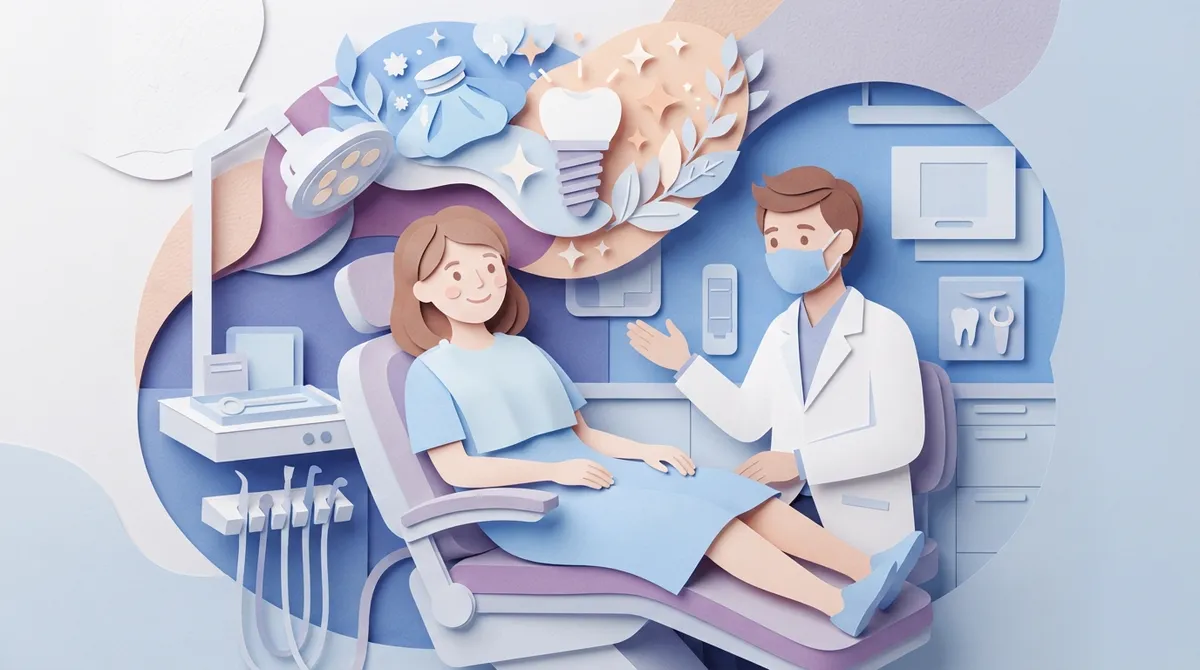
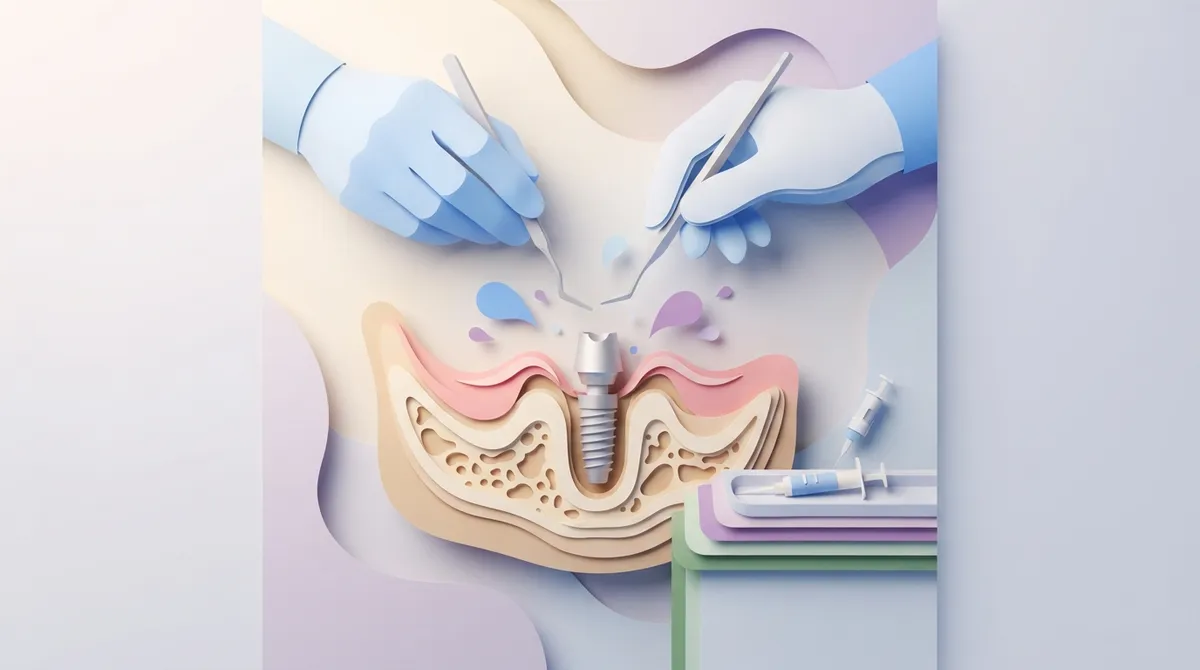
During the implant placement, your mouth is fully numbed. You shouldn’t feel sharp pain, just some pressure and vibration. Many patients are surprised at how quick and manageable the appointment feels.
The real discomfort, if any, shows up afterward. This is normal and expected. It’s similar to soreness after a tooth extraction, and it typically fades within a few days.
Myth vs. Reality: Quick Comparison
| Myth | Reality |
|---|---|
| Implant surgery causes severe pain | Local anesthesia keeps you comfortable during the procedure |
| Recovery takes weeks of agony | Most soreness fades in 3-5 days with proper care |
| Everyone needs strong pain medication | Many patients only need over-the-counter relief |
| Pain means something went wrong | Mild swelling and tenderness are a normal healing response |
What Causes Discomfort After Getting Dental Implants?
Once the numbing wears off, you may notice some mild discomfort. This is your body’s normal healing response, not a sign of a problem. Here’s what typically causes that post-surgery feeling:
- Swelling in the gum tissue around the implant site
- Minor bruising on the cheek or jaw
- Tenderness when chewing near the implant area
- Slight jaw fatigue from keeping your mouth open during treatment
- Sensitivity to hot or cold foods for a short time
Every patient heals a little differently. Some people feel back to normal within a day or two. Others may need a bit more time, especially if bone grafting was part of the treatment.
How Dental Implant Pain Compares to Other Procedures
It helps to compare implant pain to other common dental work. This gives you a realistic idea of what to expect.
Pain Level Comparison Table
| Procedure | Typical Discomfort Level | Recovery Time |
|---|---|---|
| Tooth extraction | Mild to moderate | 2-3 days |
| Dental implant placement | Mild to moderate | 3-5 days |
| Root canal therapy | Mild | 1-2 days |
| Same-day crown | Minimal | Same day |
As you can see, dental implants aren’t drastically more uncomfortable than other routine treatments. Many patients say the anticipation was actually worse than the appointment itself.
5 Ways We Keep Implant Treatment Comfortable
At Dental Theory in Brandon, patient comfort is a top priority. Here’s how we help make your experience as smooth as possible:
- Thorough numbing before any drilling or placement begins
- Modern imaging technology to plan precise, minimally invasive placement
- Clear before-and-after instructions so you know exactly what to expect
- Follow-up calls to check on your healing progress
- A calm, friendly environment designed to ease dental anxiety
We also take time to answer every question before treatment starts. Feeling informed goes a long way toward feeling relaxed in the chair.
Steps to Manage Discomfort After Your Implant Procedure
Recovery is usually simple if you follow a few basic steps. Here’s a straightforward plan to keep you comfortable at home:
- Take any prescribed or recommended pain reliever as directed
- Apply a cold compress to your cheek for the first 24 hours
- Stick to soft foods like soup, yogurt, and mashed potatoes for a few days
- Avoid smoking, as it can slow healing and increase discomfort
- Keep your head elevated while resting to reduce swelling
- Gently rinse with warm salt water starting the day after surgery
Most patients return to normal activities within a day or two. If you’re ever unsure whether your symptoms are normal, don’t hesitate to reach out to your dental team.
When to Call Your Dentist About Implant Pain
Mild soreness is expected, but certain symptoms deserve a phone call. Watch for these warning signs:
- Pain that gets worse instead of better after three days
- Fever or chills
- Pus or a bad taste coming from the implant site
- Numbness that doesn’t go away after the anesthesia wears off
- Excessive swelling that continues to grow
These symptoms are rare, but they’re worth addressing quickly. A fast response usually resolves the issue with minimal fuss.
Who Is a Good Candidate for Dental Implants?
Not everyone needs implants, and that’s okay. Your dentist will look at your gum health, bone density, and overall oral health before recommending treatment. Good candidates typically have:
- Healthy gums free of active gum disease
- Enough jawbone to support the implant
- A commitment to good oral hygiene during healing
- Realistic expectations about the timeline and process
If you’re missing teeth due to injury, decay, or gum disease, implants can restore both function and confidence. Our team can also discuss implant-supported crowns and prosthesis options if you have multiple missing teeth.
Dental Implants vs. Other Tooth Replacement Options
Implants aren’t the only solution for a missing tooth. Comparing your options can help you feel confident in your choice.
| Option | Comfort Level | Longevity |
|---|---|---|
| Dental implant | Mild, short-term discomfort | Can last decades with care |
| Dental bridge | Minimal discomfort | 10-15 years typically |
| Removable denture | Adjustment period, no surgery | 5-10 years typically |
Every mouth is different, so it’s worth discussing all your options with your dentist. If you’re weighing implants against dentures, our guide on dentures vs. dental implants breaks down the differences further.
Why Adult Patients Trust Dr. K for Dental Implants in Brandon
For adults seeking cosmetic and restorative dental work, Dr. K brings years of experience helping patients restore their smiles comfortably. He also offers same-day crowns made from durable ceramic material, so you never have to wait weeks or return for multiple visits when restoring a tooth. In fact, Dr. K was recently recognized as one of America’s rising stars in dentistry — Dr. Chris Karapasha has been named one of America’s Top Young Dentists in Incisal Edge magazine’s 2025 40 Under 40. That kind of recognition reflects the care and precision he brings to every implant and crown procedure.
Patients considering both an implant and a crown often ask about the differences between the two. Our article on dental implants vs. crowns covers exactly what sets these treatments apart.
Tips to Prepare for a Comfortable Implant Appointment
A little preparation goes a long way toward reducing anxiety. Try these tips before your visit:
- Eat a light meal beforehand, since you may need to avoid heavy food after
- Arrange a ride home if you’re receiving any sedation
- Wear comfortable clothing for your appointment
- Write down any questions you want to ask your dentist
- Bring headphones if music helps you relax
Feeling prepared often makes the biggest difference in how comfortable your appointment feels. Our friendly Brandon team is always happy to walk you through what to expect step by step.
Real Patients, Real Experiences
Many of our Brandon patients come in nervous and leave surprised at how manageable the process was. You can visit us on Facebook to see updates and patient stories from our practice. You can also check out what our community says by visiting Visit us on Google — Dental Theory to read real reviews from families just like yours.
According to the American Dental Association, dental implants remain one of the most predictable and successful tooth replacement options available today. This kind of research-backed confidence is part of why so many patients choose implants over other solutions.
Bringing It All Together
So, do dental implants hurt? For most patients, the answer is simple: not much, and definitely not more than they expected. With modern numbing techniques, careful planning, and a caring dental team, most people feel only mild soreness for a few days. The long-term benefits, a stable, natural-looking tooth that can last for decades, make the short recovery well worth it.
If you’ve been putting off replacing a missing tooth because you’re worried about pain, we understand. But you don’t have to figure it out alone. Our Brandon team is here to walk you through every step, answer your questions, and help you feel confident about your decision. Ready to see if implants are right for you? Contact Dental Theory today to schedule your consultation, or schedule an appointment online at a time that works for you.
FAQs
Q: Do dental implants hurt more than a tooth extraction?
A: Not really! Most patients say implant placement feels very similar to getting a tooth pulled. You’re fully numbed during the procedure, and any soreness afterward is usually mild and manageable with over-the-counter pain relief.
Q: How long does dental implant pain last?
A: Most discomfort fades within 3 to 5 days after your procedure. Some patients feel back to normal even sooner, especially with proper rest and a soft-food diet during recovery.
Q: Is dental implant surgery done under sedation?
A: Local anesthesia is used to keep you comfortable during placement. Your dentist can discuss additional comfort options with you based on your individual needs and treatment plan.
Q: What can I do to reduce pain after getting a dental implant?
A: Cold compresses, soft foods, and taking pain relievers as directed all help a lot. Most patients find that following simple aftercare steps keeps discomfort to a minimum.
Q: When should I be concerned about pain after a dental implant?
A: If pain gets worse after a few days, or you notice fever, pus, or ongoing numbness, give your dental team a call. These signs are rare but worth addressing quickly for peace of mind.
Our Service Area