Key Takeaways
-
Morning jaw soreness, headaches, and worn-down teeth are the clearest signs of nighttime grinding; a dental exam can confirm it definitively.
-
Untreated grinding causes permanent damage including cracked teeth, enamel erosion, and loose teeth, but most damage is preventable with a custom nightguard or can be repaired with same-day crowns.
-
Stress, sleep disorders, misaligned bites, and caffeine are common grinding triggers; identifying the specific cause helps determine the right treatment approach.
-
Home remedies like reducing caffeine, practicing relaxation techniques, and maintaining consistent sleep schedules support professional treatment but won't cure severe grinding alone.
Do you wake up with a sore jaw or a dull headache? You might be grinding your teeth while you sleep and not even know it. This habit, called bruxism, affects millions of people. Many don’t realize it’s happening until real damage shows up.
The tricky part is that nighttime teeth grinding happens while you’re asleep. You can’t just watch yourself do it. But your body and your teeth leave clues behind. Learning these signs can help you catch the problem early, before it costs you a cracked tooth or a worn-down smile.
At Dental Theory in Brandon, FL, we see patients every week who had no idea grinding was the cause of their symptoms. Below, we’ll walk through 14 clear signs to watch for, why grinding happens, and what you can do about it. Whether you’re an adult dealing with jaw pain or a parent worried about your child’s habits, this guide covers what you need to know.

What Is Teeth Grinding (Bruxism)?
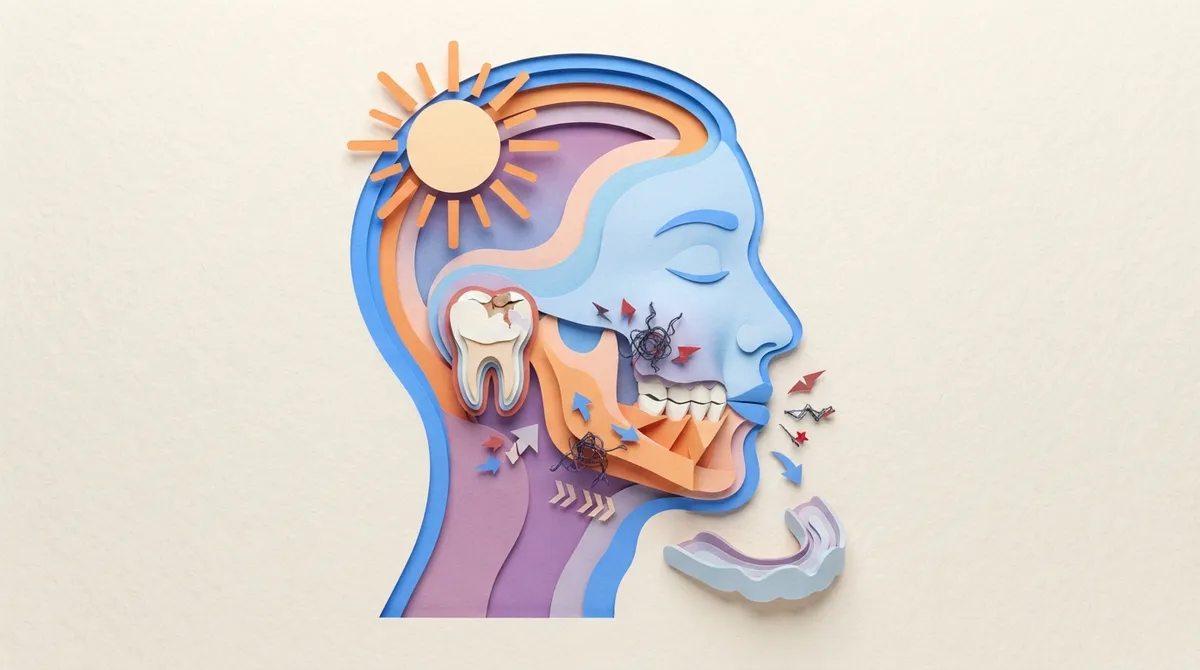
Bruxism is the medical term for grinding, clenching, or gnashing your teeth. It can happen during the day or at night. Nighttime grinding, called sleep bruxism, is the most common and often the hardest to notice.
Some people grind lightly and never have problems. Others grind so hard they wear down enamel, crack teeth, or strain their jaw muscles. Over time, untreated grinding can lead to bigger dental issues, including the need for dental crowns to repair damaged teeth.
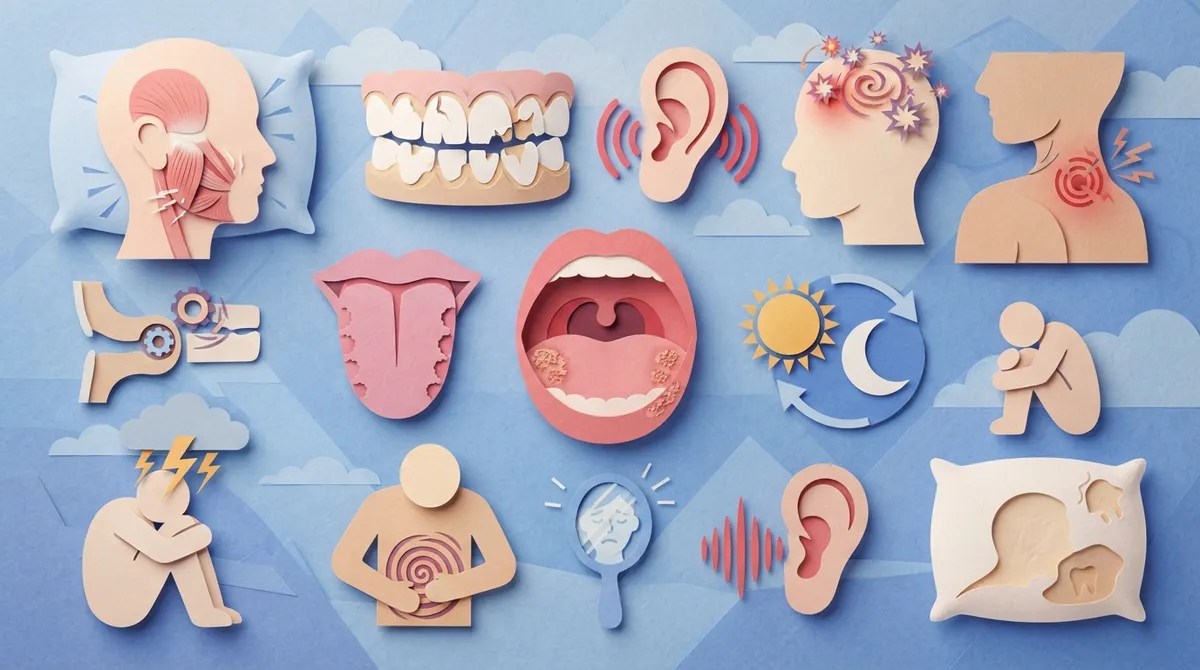
14 Signs You Grind Your Teeth at Night
Here are the most common signs that point to nighttime teeth grinding. You may notice just one or two, or several at once.
- Morning jaw soreness. Waking up with a tight, achy jaw is one of the biggest red flags.
- Dull headaches. Grinding puts pressure on your jaw muscles, which can trigger headaches near your temples.
- Worn-down or flattened teeth. Your dentist may notice your teeth look shorter or flatter than they used to.
- Increased tooth sensitivity. Grinding wears away enamel, exposing sensitive layers underneath.
- Cracked or chipped teeth. Constant grinding puts stress on teeth, making them more likely to break.
- Clicking or popping jaw. This can be an early sign of TMJ issues caused by grinding.
- Your partner hears grinding sounds. A spouse or roommate may notice the noise before you do.
- Disrupted sleep. Grinding can wake you up slightly throughout the night without you realizing it.
- Ear pain. Jaw muscles sit close to your ears, so tension here can feel like an earache.
- Facial muscle tightness. Some people wake up with tight cheeks or jaw muscles that feel overworked.
- Indentations on your tongue. Clenching can press your tongue against your teeth, leaving marks.
- Increased tooth pain when chewing. Overworked teeth can feel sore during meals.
- Loose teeth. Severe, long-term grinding can loosen teeth over time.
- Visible wear on a nightguard. If you already wear one, deep grooves are a clear sign of grinding.
If several of these sound familiar, it’s a good idea to contact Dental Theory for a checkup. Our team can look closely at your teeth and jaw to confirm what’s going on.
Common Causes of Nighttime Teeth Grinding
Grinding doesn’t happen for just one reason. Several things can contribute, and often it’s a mix of factors.
- Stress and anxiety
- Misaligned bite or crooked teeth
- Sleep disorders, like sleep apnea
- Too much caffeine or alcohol
- Certain medications
- Family history of bruxism
Kids can grind their teeth too, often linked to teething, growing jaws, or stress. Parents should watch for similar signs in their children, especially worn baby teeth or complaints of jaw pain in the morning.
How Dentists Diagnose Teeth Grinding
You don’t need a sleep lab to find out if you grind your teeth. Most cases are spotted during a routine dental visit. Here’s what typically happens during an exam.
- Your dentist checks for flattened, chipped, or worn tooth surfaces.
- They look at your jaw muscles for signs of tension or enlargement.
- They ask about headaches, jaw pain, or sleep quality.
- They may check your bite alignment.
- In some cases, they’ll recommend a sleep study if sleep apnea is suspected.
Regular comprehensive exams make it easier to catch grinding early, often before you notice any pain yourself.
Teeth Grinding vs. Other Jaw Problems
Not all jaw pain comes from grinding. It helps to know the difference so you can explain your symptoms clearly at your next visit.
| Symptom | Likely Cause | What It Feels Like |
|---|---|---|
| Morning jaw soreness | Nighttime grinding | Dull ache, worse after waking |
| Clicking with chewing | TMJ disorder | Popping sound, sometimes painful |
| Sharp tooth pain | Cracked tooth or cavity | Sudden, sharp pain when biting |
| Constant ear pressure | Grinding or TMJ strain | Dull pressure near the ear |
If your symptoms overlap with TMJ concerns, our TMJ rehabilitation services can help identify the right treatment path.
Treatment Options for Teeth Grinding
The good news is that grinding is very treatable once it’s identified. Your treatment depends on the cause and how severe your symptoms are.
- Custom nightguards to protect teeth while you sleep
- Stress management techniques
- Correcting bite alignment issues
- Treating underlying sleep disorders
- Repairing damaged teeth with crowns or fillings
If grinding has already caused cracked or worn teeth, Dr. Chris Karapasha, known to patients as Dr. K, can restore your smile with same-day ceramic crowns. This means you get a strong, natural-looking crown in one visit, without waiting weeks for a lab-made restoration. You can learn more about this process in our guide on same-day crowns benefits and the process explained.
Why Choose Same-Day Ceramic Crowns?
Traditional crowns often require two visits and a temporary crown in between. Same-day crowns skip that wait entirely. Here’s how they compare.
| Feature | Same-Day Crown | Traditional Crown |
|---|---|---|
| Number of Visits | 1 | 2 or more |
| Temporary Crown Needed | No | Yes |
| Material | Ceramic | Varies |
| Turnaround Time | Same day | 1-2 weeks |
You can read more details in our article comparing same-day crowns vs. traditional crowns to decide what fits your needs best.
Steps You Can Take at Home
While professional treatment is important, there are things you can do at home to reduce grinding and ease symptoms.
- Practice relaxation techniques before bed, like deep breathing.
- Cut back on caffeine, especially in the afternoon and evening.
- Avoid chewing gum or hard foods that strain your jaw.
- Apply a warm compress to your jaw before sleep.
- Stick to a consistent sleep schedule.
These habits won’t cure severe grinding on their own, but they can make a real difference alongside professional care.
When to See a Dentist About Grinding
Not every case of teeth grinding needs immediate attention, but some warning signs mean you shouldn’t wait. Book a visit if you notice any of these:
- Frequent jaw pain that doesn’t go away
- Visible cracks or chips in your teeth
- Ongoing headaches, especially in the morning
- Trouble opening or closing your mouth fully
- Teeth that feel loose or unusually sensitive
Catching these problems early can save you from more extensive dental work later. If you’re unsure where to start, you can easily schedule an appointment with our team for an evaluation.
Why Brandon Families Trust Dental Theory
Dental Theory has built a reputation as a caring, family-focused practice in Brandon, Florida. We treat patients of all ages, from toddlers to grandparents, in one comfortable location. Our team uses modern technology to make visits faster, easier, and stress-free.
Dr. K brings years of experience in adult and cosmetic dentistry, including his same-day crown expertise. In fact, Dr. Chris Karapasha has been named one of America’s Top Young Dentists in Incisal Edge magazine’s 2025 40 Under 40, a reflection of the quality care he provides every day. You can also view his professional credentials through his Gold+ Invisalign provider profile.
Our patients often share their experiences online. Feel free to visit us on Facebook to see recent updates and patient stories, or Visit us on Google — Dental Theory to read reviews from families across Brandon.
Protecting Your Smile for the Long Run
Teeth grinding might seem like a small issue at first, but it can lead to lasting damage if ignored. Cracked teeth, worn enamel, and jaw pain are all preventable with the right care. The earlier you catch the signs, the easier it is to protect your smile.
If you’ve noticed any of the 14 signs we covered, don’t wait for things to get worse. A quick dental visit can confirm what’s going on and get you started on the right treatment, whether that’s a nightguard, a bite adjustment, or repairing damaged teeth with a strong, same-day ceramic crown.
Final Thoughts
Grinding your teeth at night is more common than most people think, and it’s nothing to feel embarrassed about. The important thing is catching it early and getting the right support. Our team at Dental Theory in Brandon is here to help you protect your smile with friendly, judgment-free care.
Ready to find out if grinding is affecting your teeth? Contact Dental Theory today and let our team help you wake up pain-free.
FAQs
Q: How do I know if I grind my teeth at night?
A: The most common signs are morning jaw soreness, headaches, and worn-down or flattened teeth. If your partner hears grinding sounds or you notice new tooth sensitivity, that’s another strong clue. A dental exam can confirm it for sure!
Q: Can teeth grinding damage my teeth permanently?
A: Yes, if left untreated for a long time, grinding can wear down enamel, crack teeth, and even loosen them. The good news is that most damage can be repaired, and future wear can be prevented with a nightguard or other treatment.
Q: Is teeth grinding caused by stress?
A: Stress is one of the most common triggers, but it’s not the only one. Sleep disorders, misaligned bites, and even certain medications can also cause grinding. That’s why a proper dental checkup helps pinpoint the real cause.
Q: Do children grind their teeth too?
A: Yes, it’s actually pretty common in kids, especially during teething or growth spurts. Most children outgrow it, but it’s still smart to mention it to your pediatric dentist during regular visits.
Q: What can I do at home to reduce teeth grinding?
A: Simple habits like cutting back on caffeine, practicing relaxation before bed, and keeping a consistent sleep schedule can help. These won’t fix severe cases alone, but they work great alongside professional treatment.
Our Service Area