Key Takeaways
-
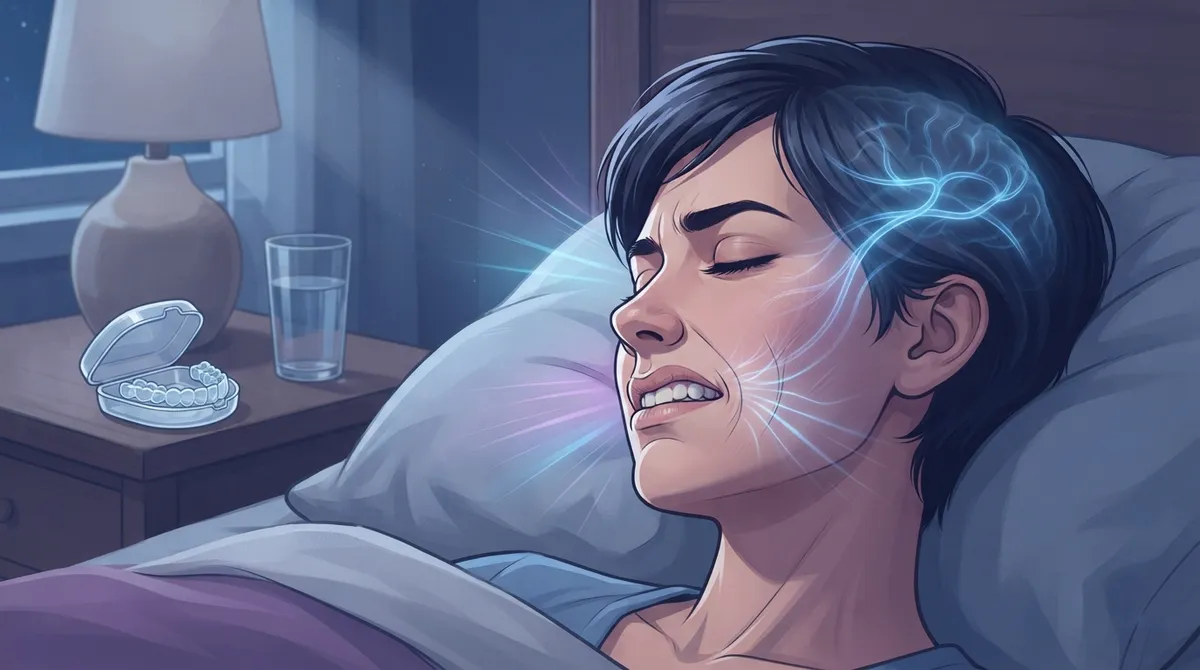
Sleep bruxism is classified as a sleep-related movement disorder with neurological roots, involving brain signals that cause jaw muscles to contract during sleep, not just a mechanical bite problem.
-
Custom night guards provide superior protection compared to drugstore alternatives by molding precisely to your teeth, preventing enamel wear and reducing jaw muscle tension.
-
Stress is the most common trigger for bruxism, activating your fight-or-flight response which carries into sleep and keeps your brain more alert, making stress management critical for relief.
-
Early detection through regular dental exams can prevent permanent damage like enamel wear and tooth cracks, with digital x-rays revealing hidden damage invisible to the naked eye.
-
Bruxism often appears alongside conditions like anxiety and sleep apnea due to imbalances in neurotransmitters and autonomic nervous system disruptions, requiring a whole-picture treatment approach.
-
If grinding has already caused damage, same-day ceramic crowns can restore teeth in a single appointment, eliminating the need for multiple visits.
Do you wake up with a sore jaw or a dull headache almost every day? You might have bruxism, which is just a fancy word for teeth grinding or clenching. Many patients ask us the same question: is bruxism a neurological disorder, or is it just a bad habit? The answer is a bit more interesting than a simple yes or no. Let’s break it down together, in plain language, so you can understand what’s really going on in that jaw of yours.
At Dental Theory in Brandon, FL, we see bruxism all the time. It’s one of the most common issues we help patients manage. Understanding the root cause can make a huge difference in how you treat it. So grab a cup of coffee (maybe something soft on the teeth), and let’s dig into this topic together.
What Exactly Is Bruxism?
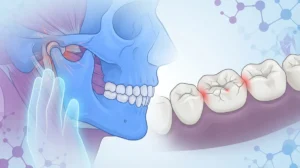
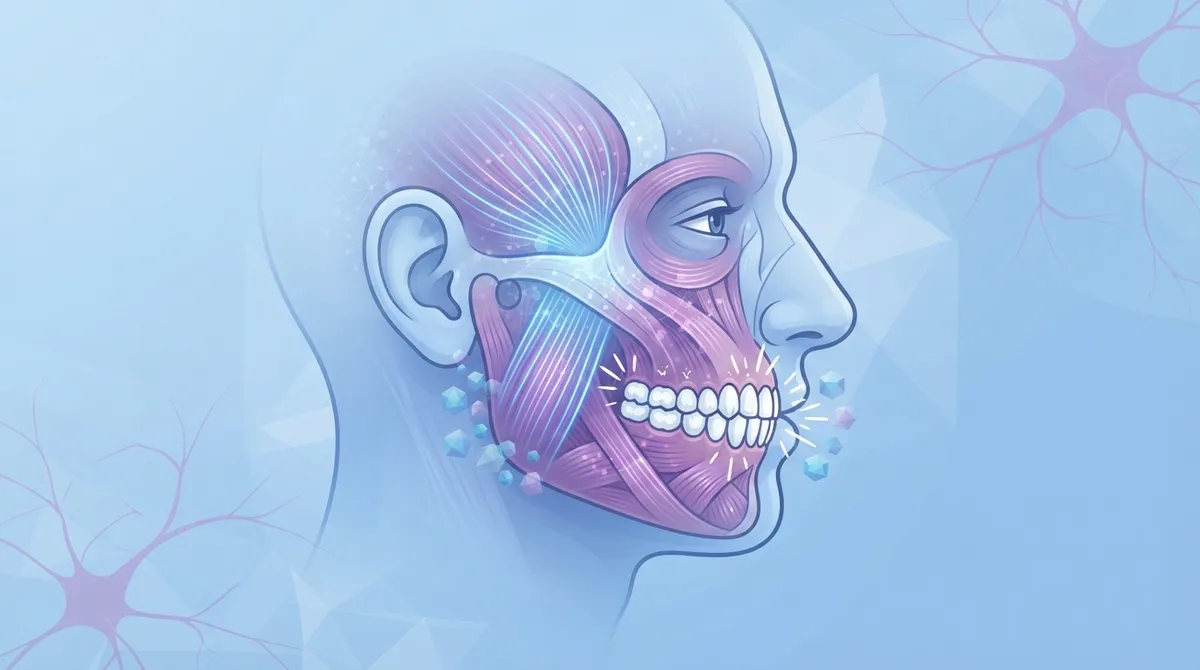
Bruxism is the medical term for grinding, gnashing, or clenching your teeth. It can happen while you’re awake or while you’re fast asleep. Most people don’t even realize they’re doing it until a partner mentions the noise or a dentist spots the wear on their teeth.
There are two main types of bruxism, and knowing the difference matters:
- Awake bruxism: Clenching your jaw during the day, often during stressful moments or intense focus.
- Sleep bruxism: Grinding your teeth at night, which is considered a sleep-related movement disorder.
- Mixed bruxism: A combination of both daytime and nighttime grinding.
Left untreated, bruxism can wear down enamel, crack teeth, and cause jaw pain. If you want a deeper look at how this habit affects your smile over time, check out our article on understanding TMJ and bruxism.
Is Bruxism a Neurological Disorder?
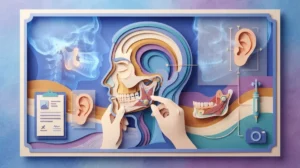
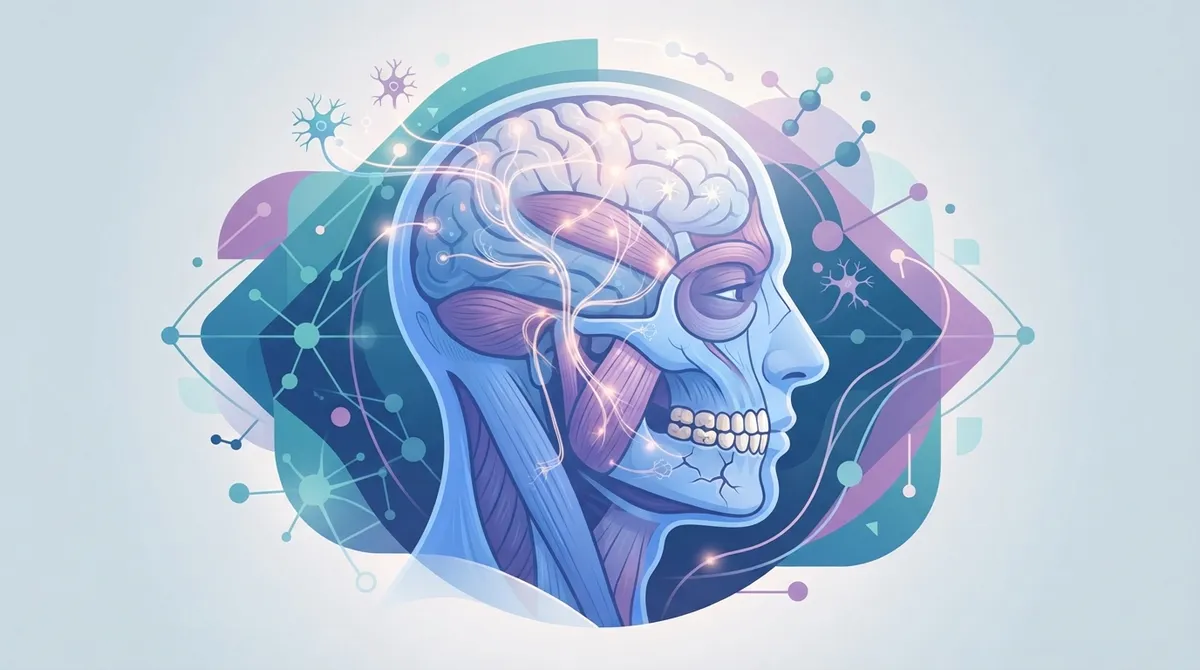
Here’s the direct answer: sleep bruxism is often classified as a sleep-related movement disorder, and researchers believe it’s connected to how your brain and nervous system work during sleep. It’s not the same as conditions like Parkinson’s disease, but it does involve your central nervous system sending signals that cause your jaw muscles to contract.
Many dental researchers now view bruxism as a neuromuscular condition rather than a purely mechanical problem with your bite. This means factors like brain activity, stress hormones, and nerve signals all play a role. Studies published by the National Institute of Dental and Craniofacial Research support the idea that the brain’s arousal system during sleep is closely tied to grinding episodes.
So while bruxism isn’t officially labeled a full-blown neurological disease, it does have neurological roots. Your brain is essentially telling your jaw muscles to fire, even while you sleep. That’s why treating just the teeth isn’t always enough. We have to think about the whole picture.
The Brain-Jaw Connection Explained
Think of your brain as the control center and your jaw muscles as the workers following orders. During certain sleep stages, especially lighter sleep, your brain can send out extra signals. This causes your jaw to clench or grind without you ever waking up.
Researchers have found links between bruxism and:
- Changes in brain wave activity during sleep transitions
- Increased activity in the part of the brain that controls arousal
- Imbalances in neurotransmitters like dopamine
- Disruptions in the autonomic nervous system, which controls things like heart rate
This is why bruxism often shows up alongside other conditions like anxiety, sleep apnea, or even certain medications that affect brain chemistry. It’s rarely just about your teeth not fitting together correctly.
Common Causes and Triggers of Bruxism
While the neurological piece is important, plenty of everyday factors can trigger or worsen bruxism. Understanding your personal triggers is the first step toward relief.
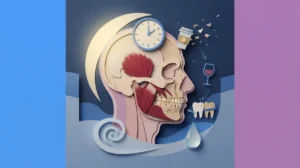
- Stress and anxiety, which are the most common triggers
- Caffeine and alcohol consumption, especially before bed
- Certain medications, including some antidepressants
- Sleep disorders like sleep apnea
- Misaligned teeth or an uneven bite
- Smoking and tobacco use
If you’re curious about the deeper root causes, we’ve put together a full guide on the root causes of bruxism that’s worth a read.
Signs You Might Have Bruxism
Since a lot of grinding happens while you’re asleep, you might not even know you have this habit. Here are some telltale signs to watch for:
- Waking up with a sore or tight jaw
- Frequent headaches, especially near your temples
- Flattened, chipped, or cracked teeth
- Increased tooth sensitivity
- Jaw clicking or locking
- Sleep partner reports hearing grinding noises
- Indentations on your tongue
If any of these sound familiar, it’s a good idea to get checked out. Our team can spot early signs of wear during a routine exam, which is one more reason regular visits matter so much. Learn more about our comprehensive exams and how they catch problems before they get worse.
How Dentists Diagnose Bruxism
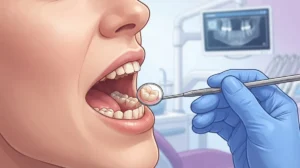
Diagnosing bruxism usually starts with a conversation and a close look at your teeth. Here’s what the process typically looks like:
| Step | What Happens |
|---|---|
| 1. Patient History | We ask about jaw pain, headaches, stress levels, and sleep quality |
| 2. Visual Exam | We check for worn enamel, flattened teeth, and jaw muscle tenderness |
| 3. Bite Assessment | We evaluate how your teeth align and if your bite is contributing to the grinding |
| 4. Digital X-Rays | We use imaging to look for hidden damage below the surface |
| 5. Sleep Study Referral | If needed, we may recommend a sleep specialist to rule out sleep apnea |
Our digital x-rays give us a clear picture of any damage that isn’t visible to the naked eye. This helps us build a treatment plan that actually fits your situation instead of guessing.
Treatment Options for Bruxism
The good news is that bruxism is very manageable once it’s identified. Treatment usually focuses on protecting your teeth while also addressing the underlying triggers.
| Treatment | Best For | What It Does |
|---|---|---|
| Custom Night Guard | Sleep bruxism | Protects teeth from grinding damage overnight |
| Stress Management | Awake bruxism from anxiety | Reduces daytime clenching triggers |
| Dental Crowns | Severely worn or cracked teeth | Restores strength and shape to damaged teeth |
| TMJ Therapy | Jaw pain and clicking | Relieves muscle tension and joint stress |
| Lifestyle Changes | Caffeine or alcohol-related grinding | Reduces triggers before bedtime |
If years of grinding have already damaged your teeth, you might need restorative work. Dr. Chris Karapasha, known to our patients as Dr. K, specializes in adult and cosmetic dentistry, including same-day ceramic crowns. That means if bruxism has cracked or worn down a tooth, you won’t need to come back for a second visit. We can restore it in a single appointment using our ceramic same-day crown technology.
Curious how this compares to older methods? Take a look at our article on same-day crowns versus traditional crowns to see why so many Brandon patients prefer the faster option.
Why a Night Guard Matters
A custom night guard is often the first line of defense against sleep bruxism. Unlike the one-size-fits-all guards you find at a drugstore, a custom-fitted guard molds precisely to your teeth. This gives you better comfort and stronger protection.
Here are the top benefits of a custom night guard:
- Prevents further enamel wear
- Reduces jaw muscle tension
- Improves sleep quality for you and your partner
- Lowers your risk of needing crowns or fillings down the road
Can Stress Really Cause Grinding?
Yes, and it’s one of the biggest culprits we see in our Brandon patients. Stress activates your body’s fight-or-flight response, which can carry over into your sleep. Your brain stays a little more “on alert,” and that can translate directly into jaw clenching.
Managing stress won’t just help your teeth. It can improve your overall health too. Simple habits like reducing screen time before bed, practicing deep breathing, or cutting back on evening caffeine can make a real difference.
When Should You See a Dentist About Bruxism?
Don’t wait until you’re in serious pain to get checked out. Here are clear signs it’s time to book an appointment:
- You notice visible wear or chips on your teeth
- You wake up with jaw soreness more than a few times a week
- Your headaches are becoming more frequent
- A partner has mentioned hearing grinding at night
- You feel like your bite has changed
Our team at Dental Theory has helped countless patients throughout Brandon manage bruxism before it causes bigger problems. If any of these signs sound familiar, it’s time to schedule an appointment so we can take a closer look.
Why Choose Dental Theory for Bruxism Care
We know dental visits can feel stressful, especially when you’re already dealing with jaw pain. That’s exactly why we’ve built a stress-free, welcoming environment for patients of all ages here in Brandon. Our practice combines the latest technology with a friendly, family-first approach.
Dr. K brings years of experience treating adult patients dealing with the effects of grinding, from worn enamel to cracked teeth. His work has even been recognized nationally. In fact, Dr. Chris Karapasha has been named one of America’s Top Young Dentists in Incisal Edge magazine’s 2025 40 Under 40, which speaks to the level of care you can expect.
Want to see what real patients are saying? You can visit us on Google — Dental Theory to read reviews from families right here in Brandon. You can also visit us on Facebook to see updates, tips, and patient stories from our community.
Protecting Your Smile for the Long Run
Bruxism might have neurological roots, but that doesn’t mean you’re stuck living with it. With the right combination of protective devices, lifestyle adjustments, and professional dental care, most patients find real relief. The key is catching it early before it causes lasting damage to your teeth.
If grinding has already caused chips, cracks, or sensitivity, our team can help restore your smile quickly. Learn more about how dental crowns can protect worn-down teeth and get you back to feeling confident again.
Final Thoughts
So, is bruxism a neurological disorder? The honest answer is that it’s closely tied to how your brain and nervous system behave during sleep, even though it isn’t classified the same way as conditions like epilepsy or Parkinson’s disease. What matters most is that bruxism is treatable, and you don’t have to just live with the jaw pain, headaches, and worn-down teeth.
Our friendly team at Dental Theory is here to help you figure out what’s causing your grinding and build a plan that actually works for your lifestyle. Whether you need a custom night guard, restorative crowns, or just some guidance on managing stress, we’ve got you covered right here in Brandon, FL.
Ready to protect your smile and finally get a good night’s sleep? Contact Dental Theory today and let’s put an end to that grinding for good.
FAQs
Q: Is bruxism considered a neurological disorder?
A: Not officially, but it’s closely linked to how your brain and nervous system behave during sleep. Many researchers classify sleep bruxism as a sleep-related movement disorder with neurological roots, even though it isn’t in the same category as conditions like Parkinson’s disease.
Q: What part of the brain causes teeth grinding?
A: Grinding is linked to increased activity in the brain’s arousal centers during lighter stages of sleep. This causes your jaw muscles to receive extra signals, leading to clenching or grinding without you waking up.
Q: Can stress alone cause bruxism?
A: Absolutely, stress is one of the most common triggers we see in our Brandon patients. It keeps your nervous system a little more alert, even while you sleep, which can lead to nighttime grinding.
Q: How do I know if I need a night guard for bruxism?
A: If you’re waking up with jaw soreness, headaches, or noticing worn-down teeth, a custom night guard is likely a smart next step. Our team can check your teeth and jaw during a quick exam to see if a guard would help protect your smile.
Q: Can bruxism damage my teeth permanently?
A: Yes, untreated grinding can wear down enamel, crack teeth, and even lead to the need for crowns. The good news is that with early treatment, most of this damage is completely preventable.
Our Service Area