Key Takeaways
-
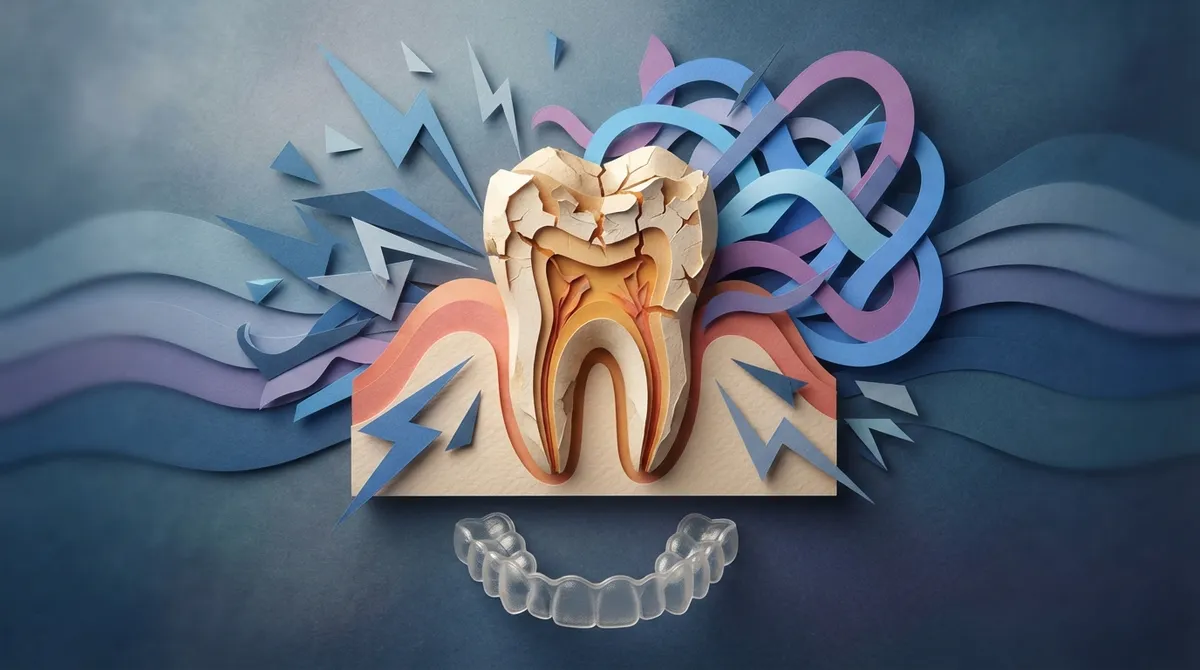
Untreated bruxism causes permanent, irreversible damage to tooth enamel and can lead to cracked teeth, loose teeth, and expensive restorative work like crowns or bridges if left unchecked for years.
-
A custom night guard is the most effective and common treatment for bruxism, and catching the condition early with routine dental checkups prevents progression from minor wear to advanced damage requiring extensive dental work.
-
Untreated bruxism triggers chronic headaches, jaw pain, and TMJ disorders by straining the jaw joint and connected neck muscles, plus it disrupts sleep quality which affects mood and overall health.
-
Common warning signs include morning jaw soreness, flattened teeth, increased tooth sensitivity, headaches, and jaw clicking—if you notice these, early professional evaluation prevents expensive damage.
Grinding your teeth at night sounds harmless, right? A lot of our Brandon patients think so, too. But here’s the truth: bruxism doesn’t just go away on its own. It quietly chips away at your smile, your jaw, and even your sleep. The good news? Once you know what’s at stake, you can stop the damage before it gets worse.
At Dental Theory in Brandon, FL, we see patients every week who had no idea their headaches, jaw pain, or worn-down teeth were caused by grinding. Let’s walk through what really happens when bruxism is left untreated, and what you can do about it starting today.
What Is Bruxism, Exactly?
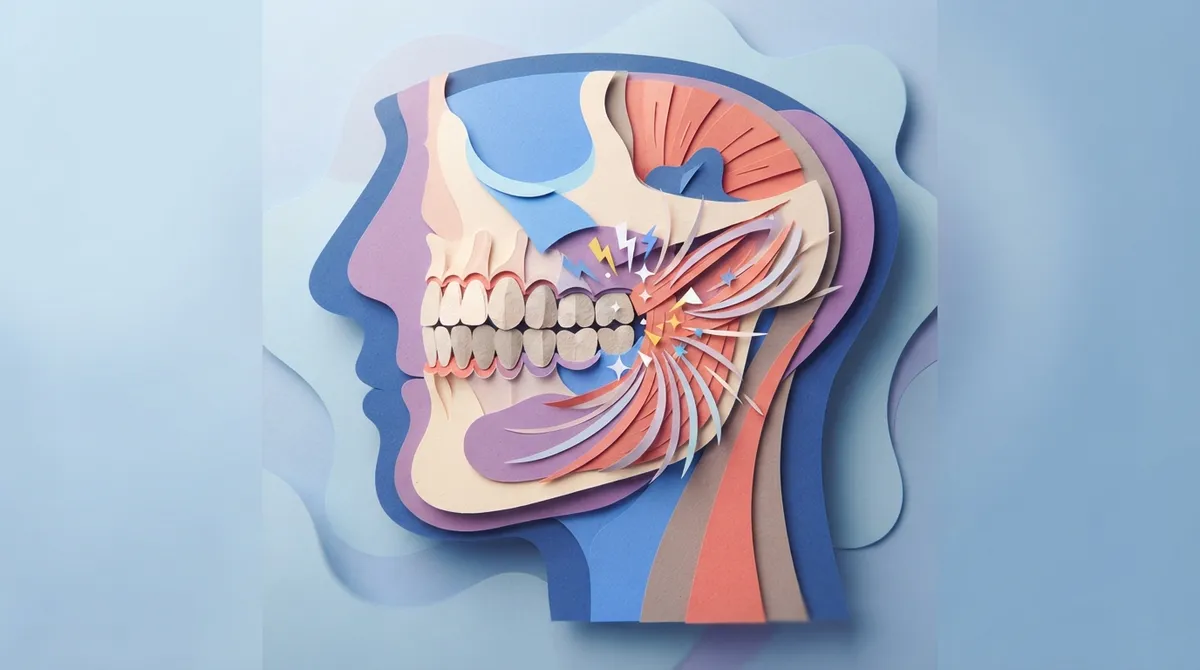
Bruxism is the medical term for grinding or clenching your teeth. It often happens while you sleep, so many people don’t even know they’re doing it. Some folks grind during the day too, especially when they’re stressed or focused on something hard.
It might feel like a small habit. But over months and years, it puts serious pressure on your teeth, gums, and jaw joints. Left alone, this pressure adds up fast.
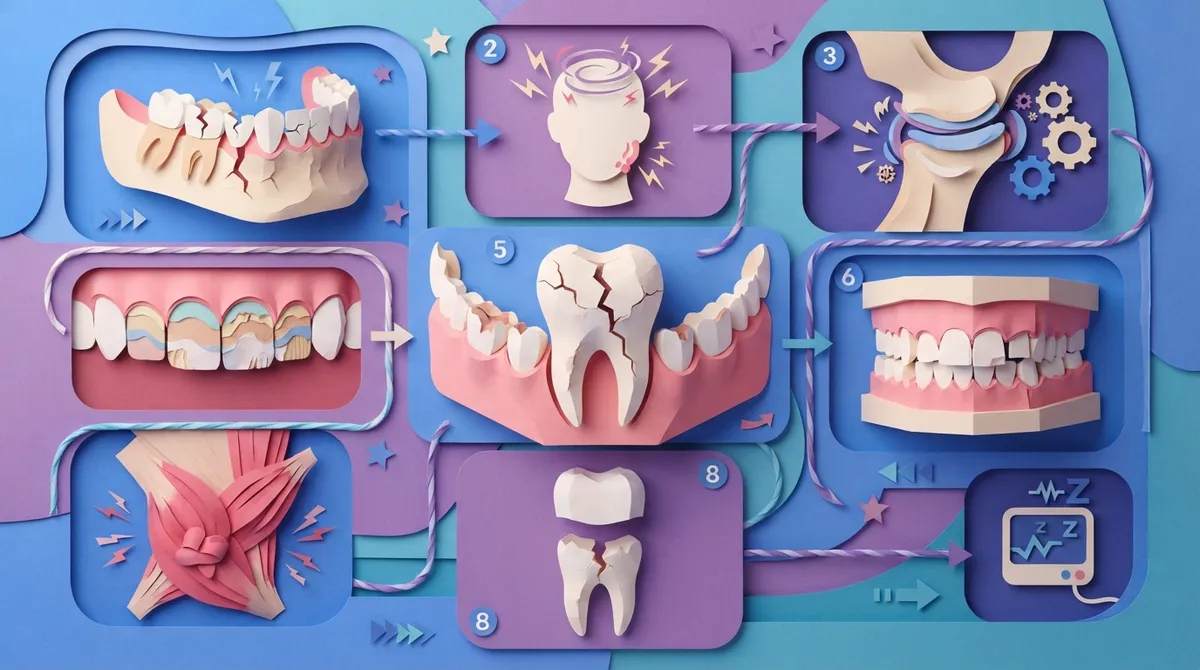
9 Things That Happen If Bruxism Goes Untreated
Here’s a closer look at what can happen when teeth grinding isn’t addressed early. Some of these issues develop slowly. Others can show up sooner than you’d expect.
1. Worn-Down and Flattened Teeth
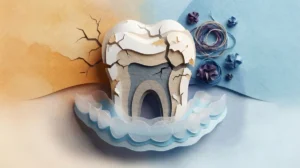
Grinding wears down your tooth enamel over time. Your teeth can start to look shorter, flatter, or even chipped. Once enamel is gone, it doesn’t grow back, so this damage is permanent.
2. Increased Tooth Sensitivity
As enamel wears away, the softer layer underneath gets exposed. This can make your teeth painfully sensitive to hot, cold, or sweet foods. Simple things like drinking coffee or eating ice cream can suddenly become uncomfortable.
3. Cracked or Fractured Teeth
Constant grinding puts a huge amount of force on your teeth. This can lead to small cracks that grow bigger over time. Some patients don’t notice until a tooth actually breaks.
4. Loose Teeth and Gum Recession
The pressure from grinding doesn’t just hurt your teeth. It can also stress your gums and the bone that holds your teeth in place. Over years of untreated bruxism, this can lead to loose teeth or receding gums.
5. Jaw Pain and TMJ Disorders
Your jaw joint, called the TMJ, takes a beating from constant clenching and grinding. This can lead to popping, clicking, or pain when you chew or talk. Some people develop full-blown TMJ disorders that are much harder to treat once they’ve progressed.
6. Chronic Headaches
Many people who grind their teeth wake up with headaches. This happens because the muscles used for grinding are connected to the muscles in your head and neck. Over time, this tension can turn into frequent, nagging headaches.
7. Damaged Dental Work
If you have fillings, crowns, or other dental work, bruxism can crack or wear them down faster than normal. This means more trips to the dentist and higher costs down the road. Protecting your dental work is one more reason to treat bruxism early.
8. Disrupted Sleep for You (and Your Partner)
Grinding often happens during certain sleep stages, and it can interrupt your rest without you realizing it. Some partners can actually hear the grinding at night. Poor sleep quality can affect your mood, energy, and overall health.
9. Bigger, More Expensive Dental Problems
Left untreated long enough, bruxism can lead to a combination of everything above. This often means more extensive treatment is needed, including crowns, veneers, or bridges to restore your smile. Catching bruxism early is always easier and more affordable than fixing the damage later.
Signs You Might Be Grinding Your Teeth
Not sure if bruxism applies to you? Here are some common signs to watch for:
- Waking up with a sore jaw or tight facial muscles
- Frequent headaches, especially in the morning
- Teeth that look flat, chipped, or shorter than before
- Increased tooth sensitivity to hot or cold
- A partner mentioning they hear grinding noises at night
- Unexplained jaw popping or clicking sounds
If any of these sound familiar, it’s worth bringing up at your next dental visit. Our team can check for early signs of wear during a routine comprehensive exam.
What Causes Bruxism?
Bruxism doesn’t have one single cause. It’s usually a mix of a few different factors working together.
- Stress and anxiety are some of the most common triggers.
- Misaligned teeth or an uneven bite can make grinding more likely.
- Certain sleep disorders, like sleep apnea, are linked to nighttime grinding.
- Lifestyle habits, such as heavy caffeine or alcohol use, can play a role.
- Some medications list teeth grinding as a possible side effect.
Because there are so many possible causes, treatment really should be personalized. That’s why a proper evaluation matters so much.
How Dentists Diagnose Bruxism
During a checkup, your dentist will look for physical signs of grinding. This often includes checking for:
- Flattened or worn tooth surfaces
- Small cracks or fractures in the enamel
- Tenderness in the jaw muscles
- Signs of wear on any existing dental work
Sometimes patients don’t even realize how much wear has happened until it’s pointed out. That’s why routine visits to a trusted general dentistry practice matter so much, even if nothing feels wrong yet.
Treatment Options That Actually Help
The good news is bruxism is very treatable once it’s identified. Here’s a quick breakdown of common options.
| Treatment | What It Does | Best For |
|---|---|---|
| Custom Night Guard | Cushions teeth and reduces grinding pressure while you sleep | Most bruxism cases |
| Stress Management | Reduces daytime clenching triggered by anxiety | Stress-related grinding |
| Bite Correction | Adjusts uneven bite contributing to grinding | Misaligned teeth |
| Restorative Dentistry | Repairs teeth already damaged by grinding | Advanced tooth wear |
If your teeth have already suffered significant damage, restorative options like dental crowns may be recommended. Dr. Chris Karapasha, known to patients as Dr. K, offers Same-Day Crowns made from ceramic material, so you don’t have to wait weeks or come back for a second visit. This is especially helpful for patients dealing with worn or cracked teeth from long-term grinding.
Why Waiting Makes Things Worse
It’s tempting to put off dental visits when nothing hurts yet. But bruxism is sneaky. The damage builds slowly, often without pain, until one day a tooth cracks or a headache won’t go away.
Here’s a simple way to think about it:
- Early bruxism: Minor wear, easy to treat with a night guard.
- Moderate bruxism: Noticeable sensitivity, jaw discomfort, possible small cracks.
- Advanced bruxism: Broken teeth, chronic pain, need for crowns or bigger repairs.
Catching bruxism in stage one is always easier, faster, and less expensive than waiting until stage three.
Bruxism in Children vs. Adults
It’s worth noting that kids can grind their teeth too, especially during stressful periods or while their adult teeth are coming in. Many children outgrow it naturally. Still, it’s smart to mention it during checkups.
For families in Brandon with young children who grind their teeth or feel anxious at the dentist, Dr. Priyanka Karapasha, known as Dr. Pri, is a board-certified pediatric dentist offering in-office sedation. She’s uniquely equipped to provide gentle, stress-free care for kids who need extra comfort during their visits.
How Dental Theory Can Help
At Dental Theory, we take a friendly, judgment-free approach to treating bruxism. Whether you need a custom night guard, a bite evaluation, or restorative work like ceramic crowns, our Brandon team is here to help you protect your smile for the long run.
Curious what other patients think? You can visit us on Facebook or check out Visit us on Google — Dental Theory to see real reviews from Brandon families just like yours.
Dr. K has also been recognized for his commitment to excellent patient care. In fact, Dr. Chris Karapasha has been named one of America’s Top Young Dentists in Incisal Edge magazine’s 2025 40 Under 40. He’s also listed as an Invisalign provider, and you can view Dr. K’s Gold+ Invisalign Profile for more on his credentials.
Simple Habits That Support Treatment
Along with professional treatment, small daily habits can help reduce grinding. Try these tips:
- Practice relaxation techniques before bed, like deep breathing
- Cut back on caffeine and alcohol in the evening
- Avoid chewing on pens, ice, or other hard objects
- Wear your night guard consistently, even when you’re tired
- Keep up with regular dental checkups to catch changes early
These habits won’t replace professional treatment, but they can make a real difference alongside it.
Take Action Before Bruxism Takes a Toll
Bruxism might seem like a small habit, but as we’ve seen, it can lead to some big problems if it’s ignored. From worn enamel to jaw pain to cracked dental work, the effects add up fast. The good news is that with the right care, you can stop the damage and protect your smile for years to come.
If you think you might be grinding your teeth, don’t wait for things to get worse. Our friendly Brandon team is ready to check things out and create a simple plan that works for your life. Ready to protect your smile? Contact Dental Theory today, or schedule an appointment at a time that’s convenient for you.
FAQs
Q: What happens if bruxism is untreated for years?
A: Over time, untreated bruxism can wear down your teeth, crack dental work, and cause chronic jaw pain. Some patients end up needing crowns or other restorative care to repair the damage. The earlier you catch it, the easier it is to treat!
Q: Can bruxism damage a dental crown?
A: Yes, grinding can crack or wear down crowns faster than normal. That’s why we always recommend a custom night guard for patients with bruxism, especially if they’ve had restorative work done. It helps protect your investment in your smile.
Q: Is teeth grinding a serious problem?
A: It can be, if it’s left unchecked. What starts as minor wear can turn into cracked teeth, jaw disorders, and chronic headaches. The good news is bruxism is very treatable once it’s identified.
Q: How do I know if I grind my teeth at night?
A: Common signs include waking up with a sore jaw, headaches, or noticing your teeth look flatter than before. Sometimes a partner will mention hearing grinding sounds while you sleep. If this sounds familiar, it’s worth mentioning at your next dental visit.
Q: What is the best treatment for bruxism?
A: A custom night guard is one of the most common and effective treatments. Depending on the cause, your dentist might also recommend stress management techniques or bite correction. Every patient is a little different, so treatment is usually personalized.
Our Service Area